Doha Qatar
Qatar
178
Cruises availables
At departure or passage at this port
Celestyal Cruises (65 Cruises)
Celestyal Discovery
23 Cruises
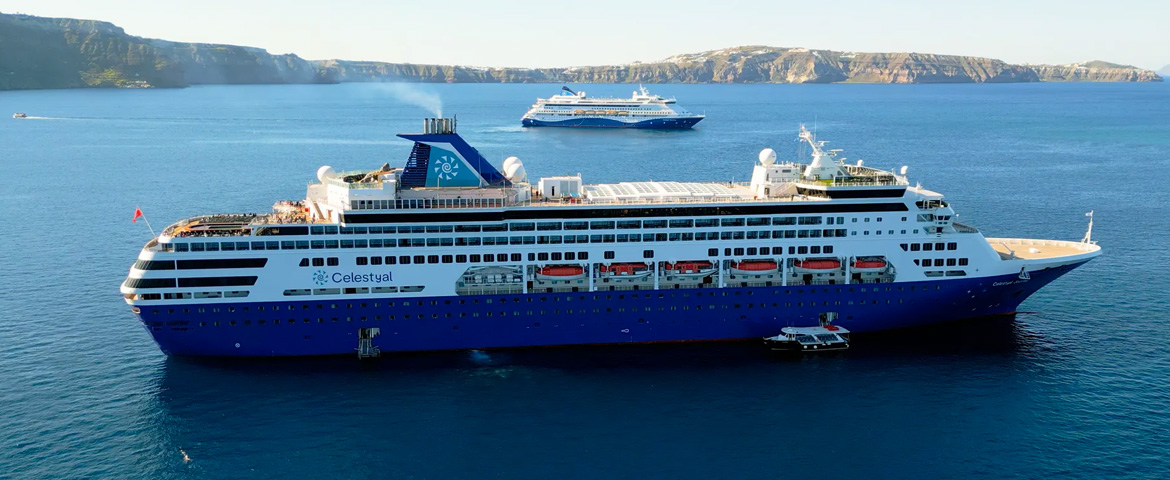

| 3 January | 4 days | Round-trip 4 Night Iconic Arabia Cruise |
450-628-6241
Call us
|
| 31 January | 4 days | Round-trip 4 Night Iconic Arabia Cruise |
450-628-6241
Call us
|
Celestyal Journey
42 Cruises
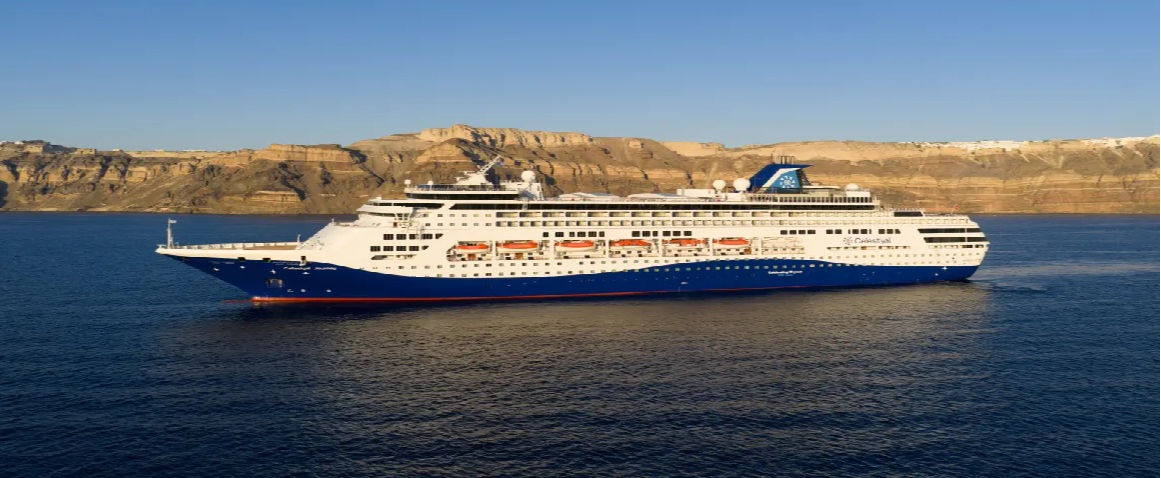
| 27 November | 7 days | Round-trip 7 Night Desert Days Cruise |
450-628-6241
Call us
|
| 30 November | 6 days | Round-trip 7 Night Desert Days Cruise |
450-628-6241
Call us
|
Explora Journeys (17 Cruises)
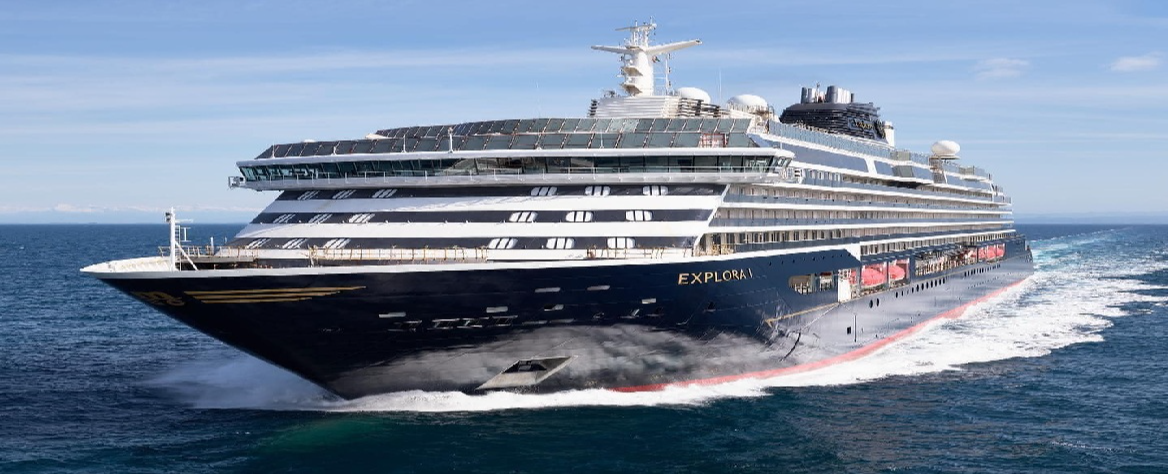
Explora I
17 Cruises

MSC Cruises (60 Cruises)
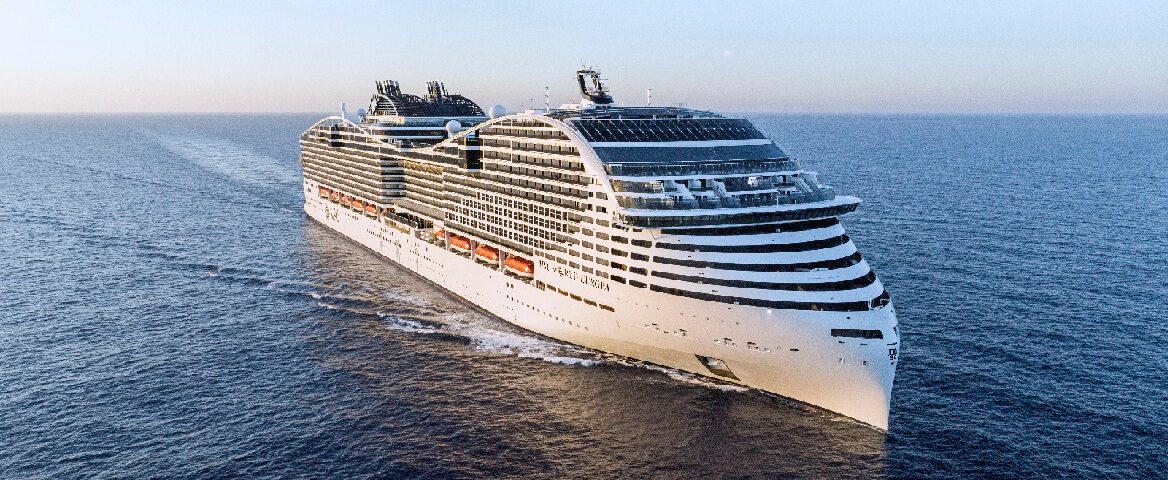
MSC World Europa
60 Cruises

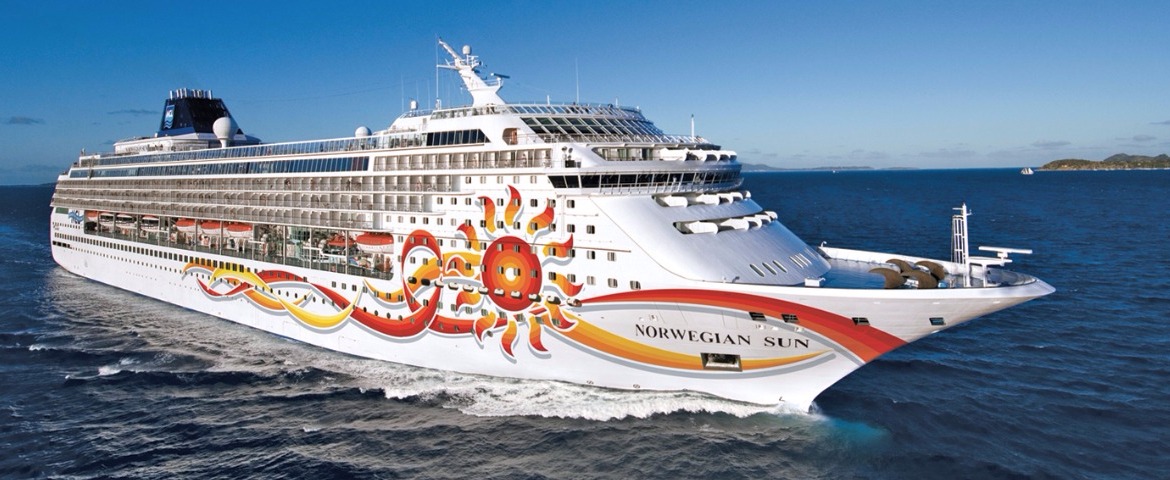
Norwegian Cruise Line (2 Cruises)

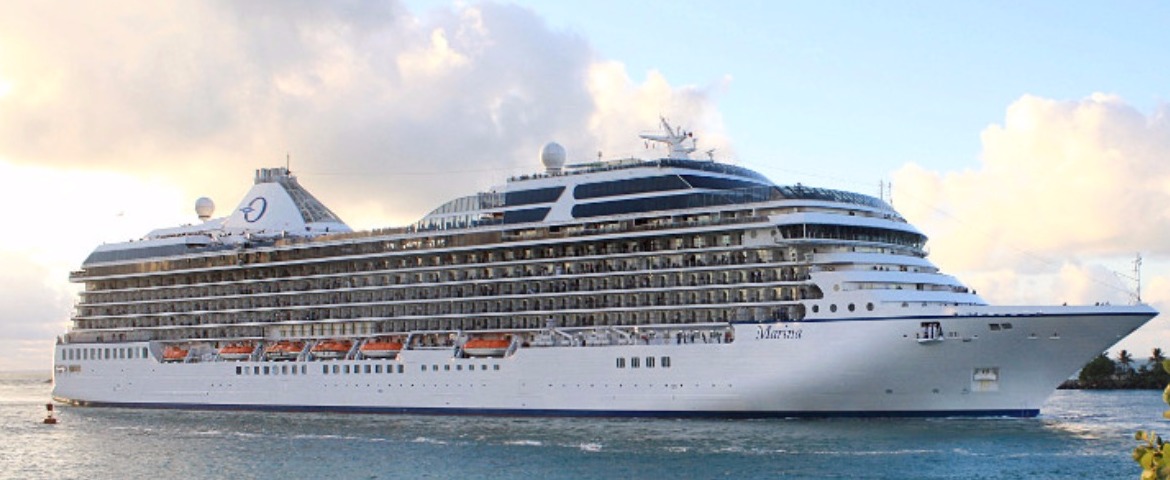
Oceania Cruises (14 Cruises)

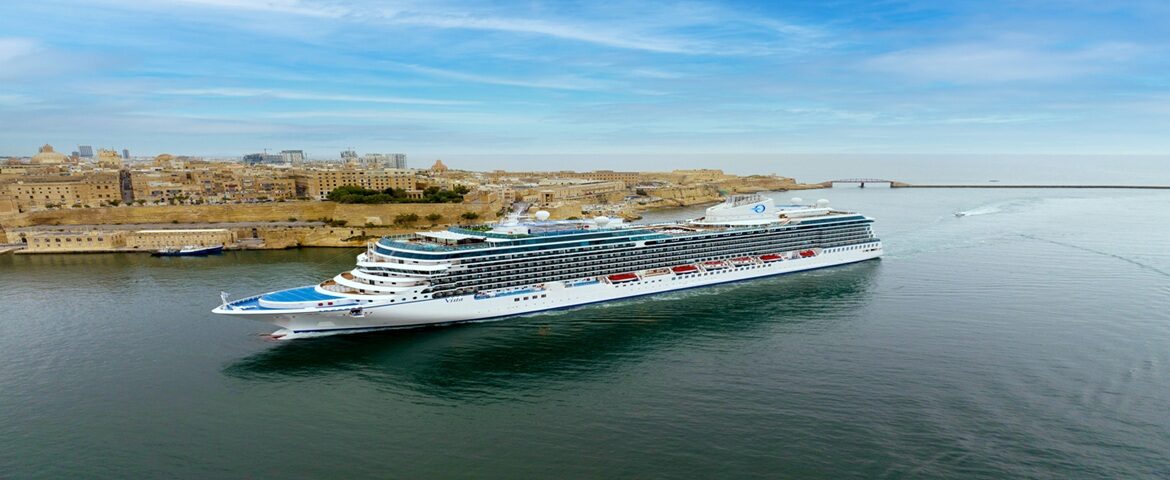
Oceania Vista
11 Cruises
| 6 January | 180 days | One-way from Miami to Southampton |
450-628-6241
Call us
|
| 6 January | 244 days | One-way from Miami to New York |
450-628-6241
Call us
|
| 26 February | 129 days | One-way from Sydney to Southampton |
450-628-6241
Call us
|
| 26 February | 130 days | One-way from Sydney to Southampton |
450-628-6241
Call us
|
Regent Seven Seas Cruises (16 Cruises)
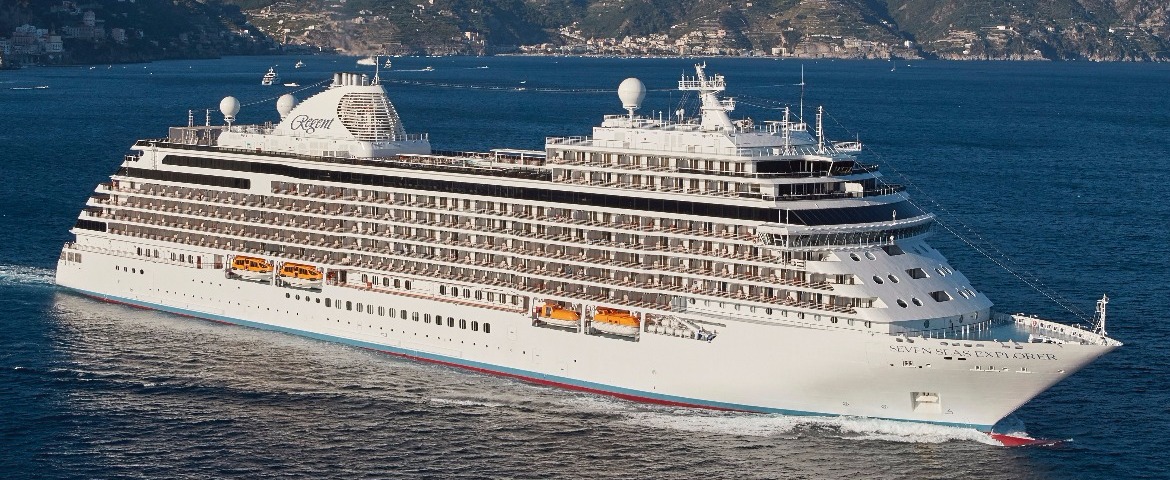
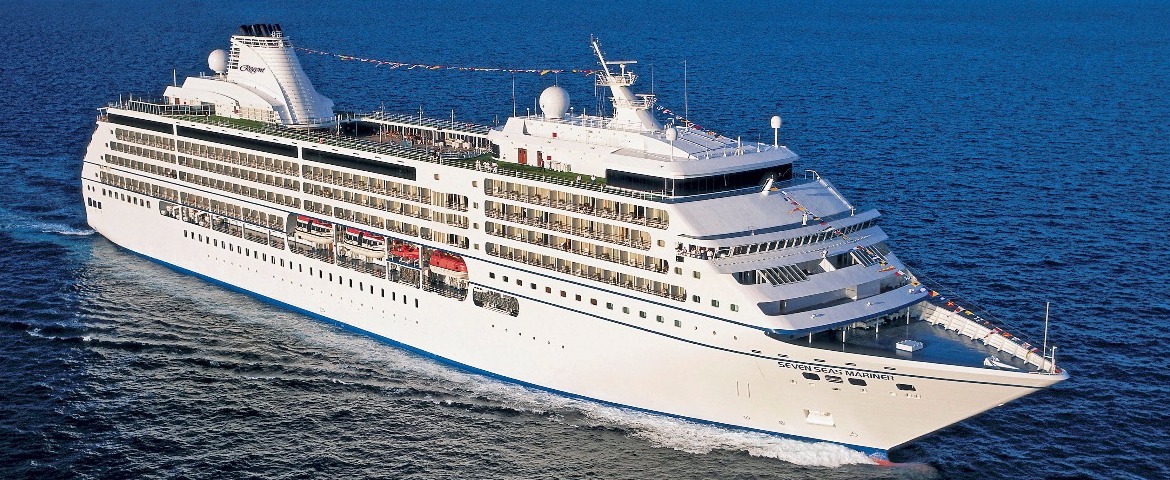
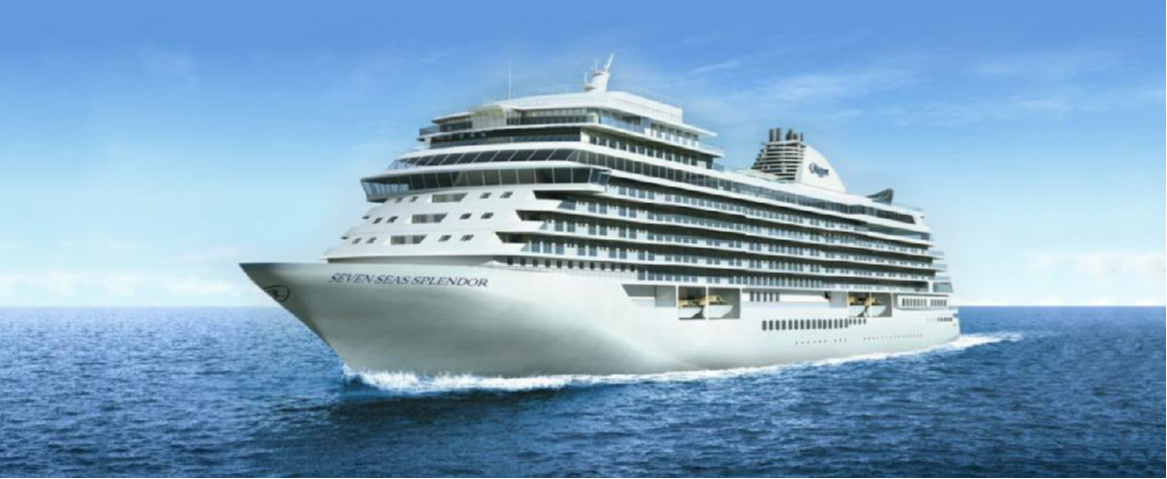
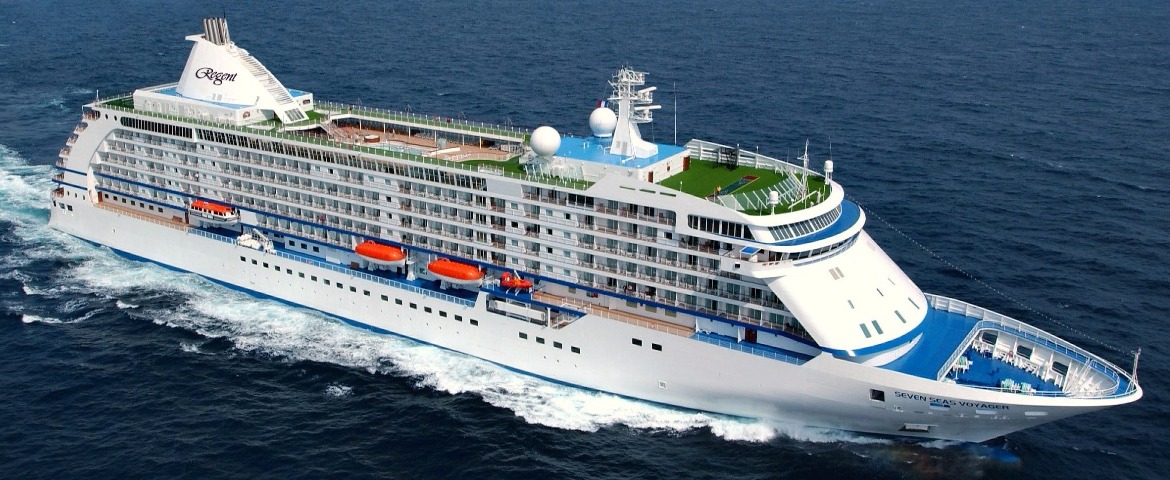
Seven Seas Explorer
6 Cruises



Port of Doha, Qatar | Cruise Port Guide
Frequently Asked Questions
At the Grand Cruise Terminal in the old port, right in the centre. It is one of the best-placed berths in the Persian Gulf: almost everything is reachable on foot or a few minutes by taxi.
Partly, yes. The Mina District, the corniche and the Museum of Islamic Art are within walking distance. Souq Waqif and the National Museum of Qatar need a short taxi ride.
The old port's former merchant basin, converted into a promenade quarter: pastel houses, cafés, small squares and jetties where dhows tie up. Fishermen still land their catch at the morning market, with the towers of West Bay across the bay.
Thirteen centuries of art from the Muslim world: calligraphy, ceramics, carpets, astrolabes and miniatures, in a hushed half-light. The building, designed by I. M. Pei, architect of the Louvre pyramid, stands on an artificial peninsula; the atrium and its oculus are worth the visit on their own.
Doha's great covered market, five minutes by road from the terminal, rebuilt using traditional techniques: mud walls, exposed beams, lanes of spices, perfumes and fabrics. Don't miss the falconers' alley, where hooded birds of prey wait on their perches.
Because falconry remains a national passion in Qatar. Souq Waqif holds an entire falconers' alley and even a specialized hospital for the birds within the market.
A striking Jean Nouvel building inspired by the desert rose, its concrete discs interlocking like mineral petals. Inside, the country's story runs from Bedouin life to the natural gas era. It is reached by taxi from the corniche.
November through March. The season is mild then and walking the corniche is pleasant. In summer the heat is severe: sightseeing narrows to air-conditioned interiors and taxi rides.
The Qatari riyal and Arabic. Cards work in museums, hotels and most shops; keep cash for the souk and taxis. English is widely spoken, including in services.
Yes, and it's worth knowing before going ashore: cover shoulders and knees in public places, museums and especially the souk. It is not formally enforced everywhere, but it is what Qatari society expects and what spares you awkward looks.


