Puerto Banus-Marbella Spain Costa del Sol

43 Cruises availables At departure or passage at this port

Puerto Banús Marbella | Luxury Costa del Sol Cruise Guide

Appearances are deceptive in Puerto Banús: what looks like a white Andalusian village weathered by the centuries was born in 1970 from the plans of developer José Banús. The illusion is so successful that the marina, with its some 900 berths, has become one of the most sought-after yachting destinations in the Mediterranean, a port of call for grand sailing yachts and luxury cars lined up on the quays alike. Behind this glittering stage, old Marbella is very real, a few kilometres along the sea.

Landing in the marina

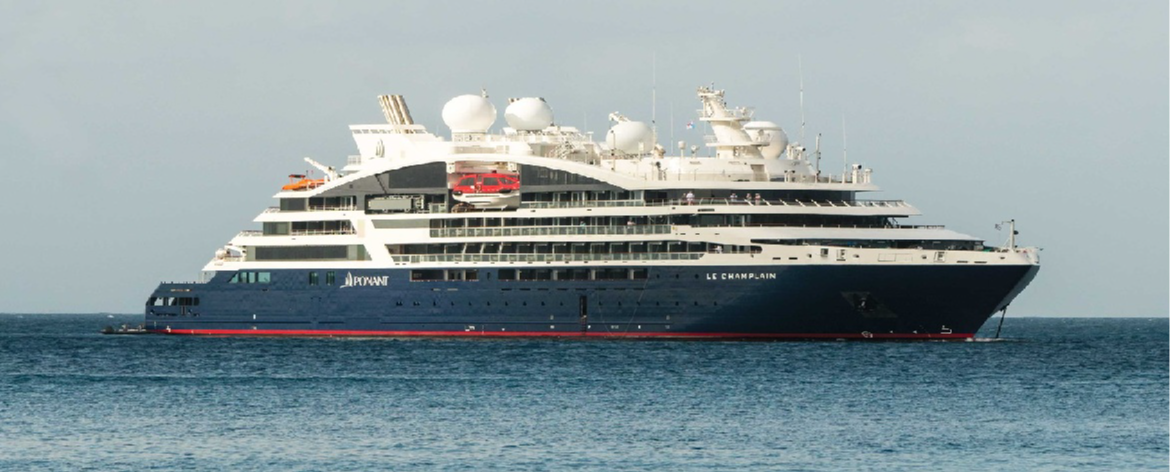
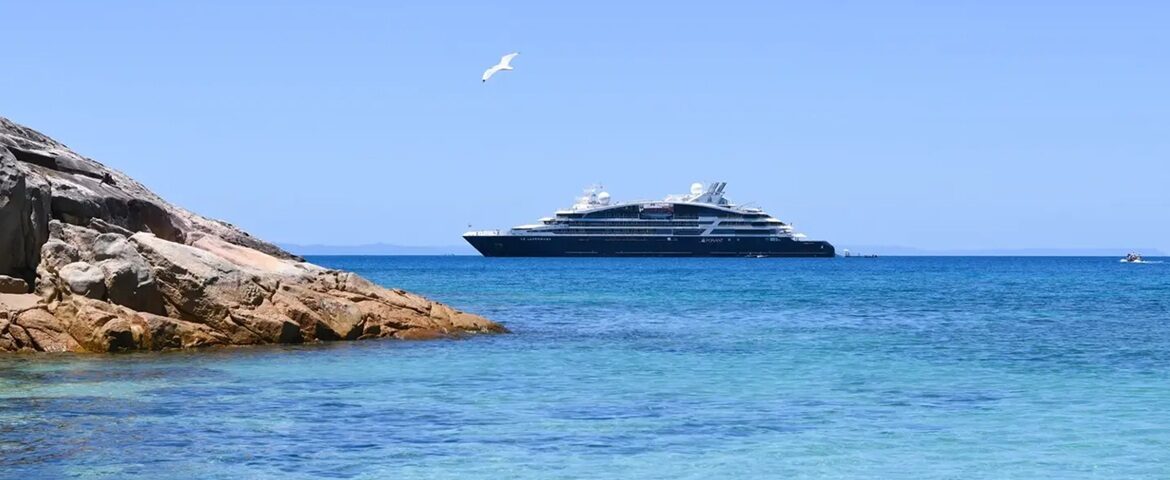
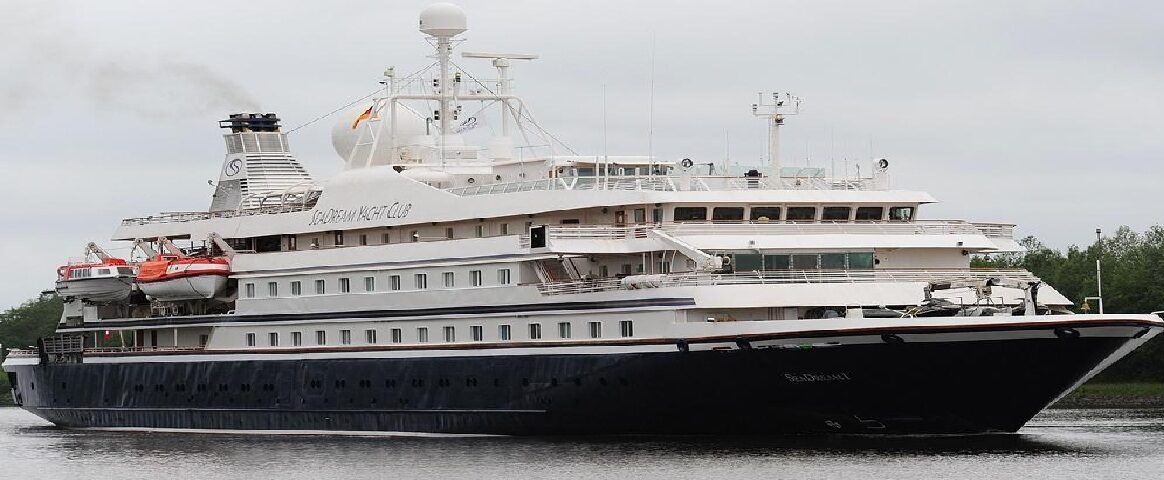
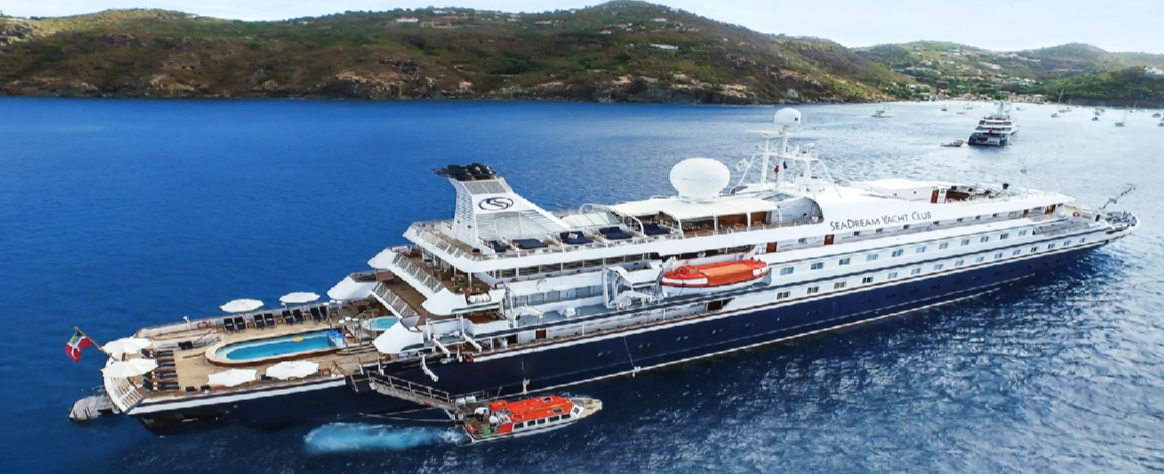
Only small ships can moor here; the others anchor offshore and their tenders drop passengers right in the heart of the harbour. The setting can be appreciated from the gangway: gleaming yachts, white arcaded façades, designer boutiques and terraces where people linger as much to people-watch as to drink. Take the time for a complete stroll along the main quay: hulls several dozen metres long, crews polishing the decks from early morning and vintage cars parked as if on parade. The tile-roofed control tower is a reminder that all this is, technically, a working marina. In the background, La Concha peak, which rises above 1,200 metres, gives the coast its theatrical relief.

The seafront to Marbella

A long paseo marítimo links Puerto Banús to central Marbella, following beaches and gardens for about eight kilometres. Walkers can cover a stretch as the mood takes them; taxis and buses make the full trip in a quarter of an hour. Along the way, Avenida del Mar, at the entrance to the old centre, displays a series of bronzes by Salvador Dalí in the open air, an unexpected encounter between Surrealism and the seaside promenade.

The casco antiguo

Beyond the bustle of the coast, the old quarter unfolds a maze of whitewashed lanes overflowing with bougainvillea and geraniums. Plaza de los Naranjos is its heart: rows of orange trees, a Renaissance town hall, an old chapel and terraces where time slows down. The neighbouring lanes hide workshops, galleries and flower-filled patios; it is the perfect counterpoint to the chrome of the docks, and the most endearing part of the port call. Art lovers will continue to the Museum of Contemporary Spanish Prints, housed in a 16th-century palace, which holds works by Picasso, Miró and Dalí.

Beaches and tasty breaks

On either side of the harbour, sandy beaches follow one another, equipped with chiringuitos, beach shacks where grilling fish is an art. Try espeto, skewered sardines cooked over the flames on boats beached in the sand and filled with embers, or pescaíto frito, Andalusian fried fish served in a paper cone. Families will easily find lounge chairs, showers and children's play areas along the sand. A glass of chilled white wine facing the sea completes the picture effortlessly.

Practical pointers

DestinationDistanceAccess
Marina and shopsImmediateOn foot
Nearby beachesLess than 1 kmOn foot
Casco antiguo (old town)About 8 kmTaxi or bus, 15 min
Avenida del Mar (Dalí bronzes)About 8 kmAlong the paseo route

Ending the day

On the way back, the fading light softens the white hulls and turns La Concha pink. Puerto Banús will have offered its show, Marbella its Andalusian soul: two ports of call in one, separated by a walk along the water. You re-embark wondering which of the two faces of the Costa del Sol will stay longer in your memory.

Frequently Asked Questions

Only small ships can berth in the marina; the rest anchor offshore and tenders land passengers right inside the basin. The setting registers the moment you step off.
No, and that is the surprise. What looks like a white village weathered by centuries was built in 1970 to the plans of developer José Banús. The illusion works, but the marina is under sixty years old.
A full walk out and back along the main quay, then the trip into old Marbella for the Plaza de los Naranjos and the casco antiguo. That is the real content of the day: the marina takes an hour to look at, the old town rewards time.
Hulls tens of metres long, crews polishing decks from early morning, exceptional cars parked as if on display, and boutiques from the big fashion names. The marina holds some 900 berths and remains, technically, a working pleasure port.
A paseo marítimo links the two along roughly eight kilometres of beaches and gardens. Taxis and buses cover the whole distance in about fifteen minutes; walkers can do as much of it as they feel like.
The old quarter, a tangle of whitewashed lanes spilling with bougainvillea. Plaza de los Naranjos is its heart: rows of orange trees, a Renaissance town hall, an old chapel and terraces where time slows. It is the perfect counterweight to the chrome on the pontoons.
Yes. Avenida del Mar, at the entrance to the old centre, displays a series of Salvador Dalí bronzes in the open air. Further on, the Museum of Contemporary Spanish Engraving, in a sixteenth-century palace, holds works by Picasso, Miró and Dalí.
Yes. Sand beaches run either side of the basin, equipped with chiringuitos, sun loungers, showers and playgrounds. It is one of the easiest calls on this coast for a beach day.
The espeto, a sardine skewer cooked over flames in sand-filled boats full of embers, or pescaíto frito, Andalusian fried fish served in a paper cone. The beach chiringuitos make a speciality of both, and a cold white finishes the picture.
Yes, above all on the beach side. The marina holds children's attention for only a few minutes, whereas the sand, the playgrounds and the beach shacks fill an afternoon effortlessly. The tender operation does ask for some patience with small children.