Soufriere St Lucia Island
St Lucia
192
Cruises availables
At departure or passage at this port
Emerald Waterways (72 Cruises)
Emerald Azzurra
32 Cruises
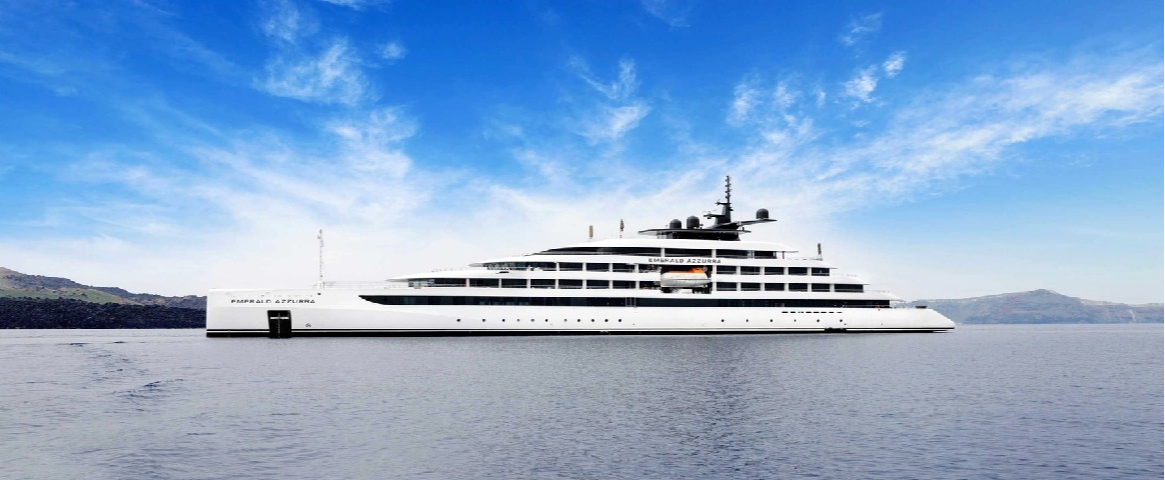

| 10 April | 8 days | One-way from Marigot to Bridgetown |
450-628-6241
Call us
|
| 11 April | 6 days | One-way from Marigot to Bridgetown |
450-628-6241
Call us
|
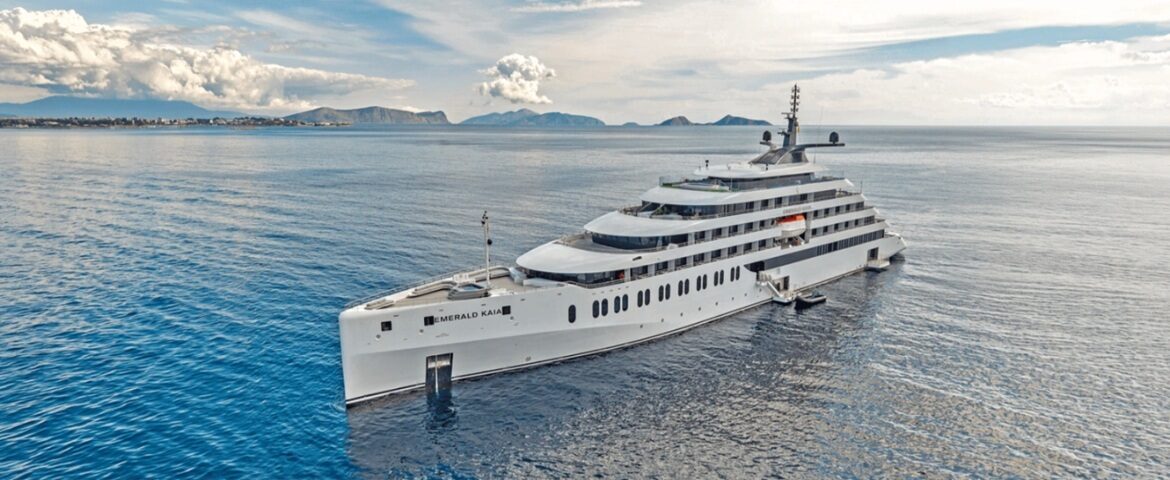
Emerald Sakara
38 Cruises
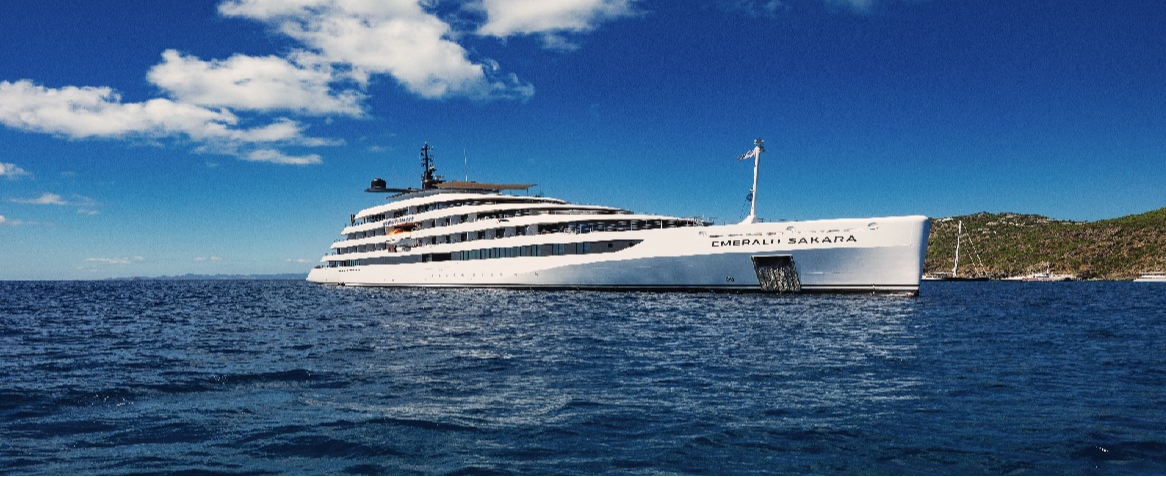
Holland America Line (1 Cruises)

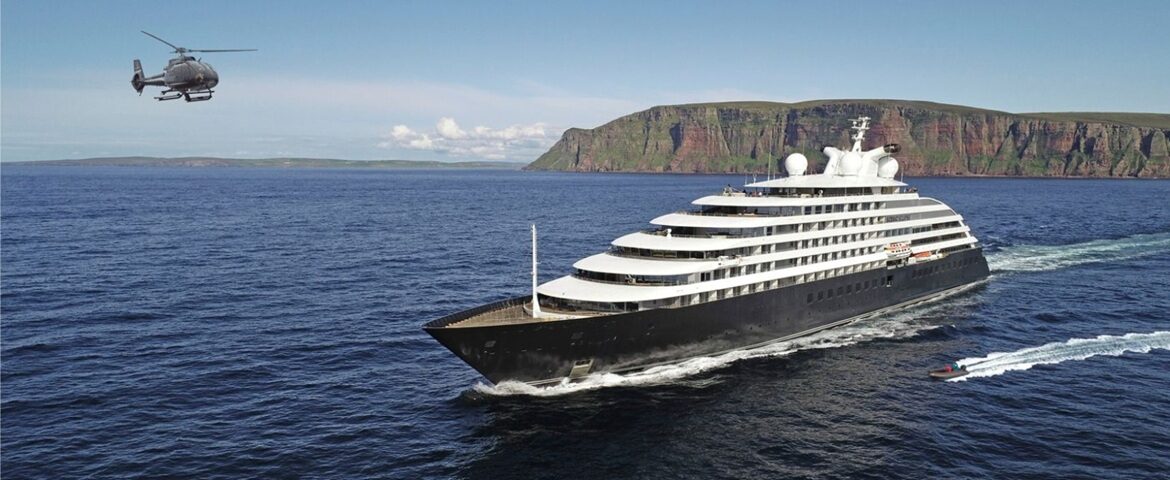
Lindblad Expeditions (12 Cruises)
Sea Cloud
12 Cruises
 Image not available

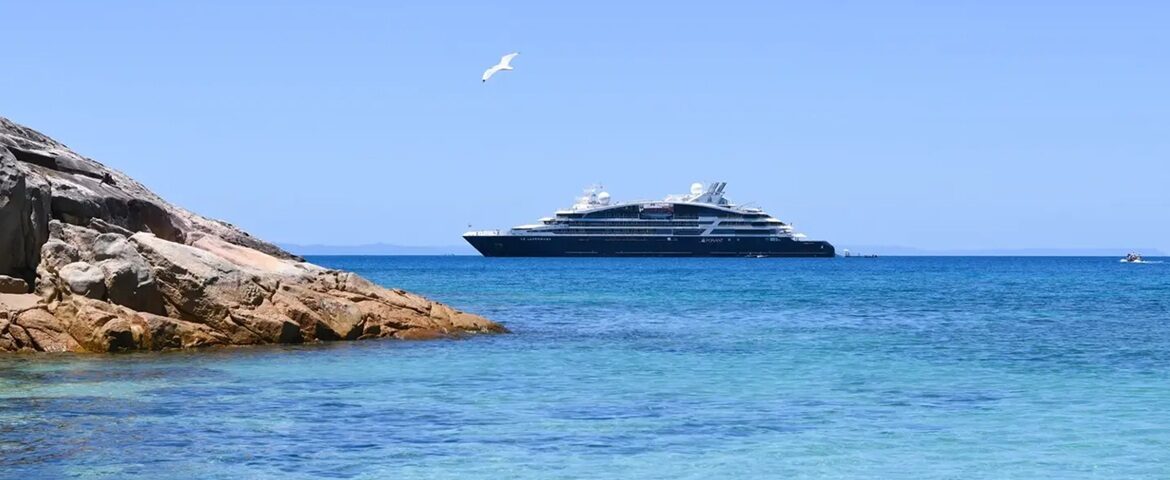
Ponant (36 Cruises)
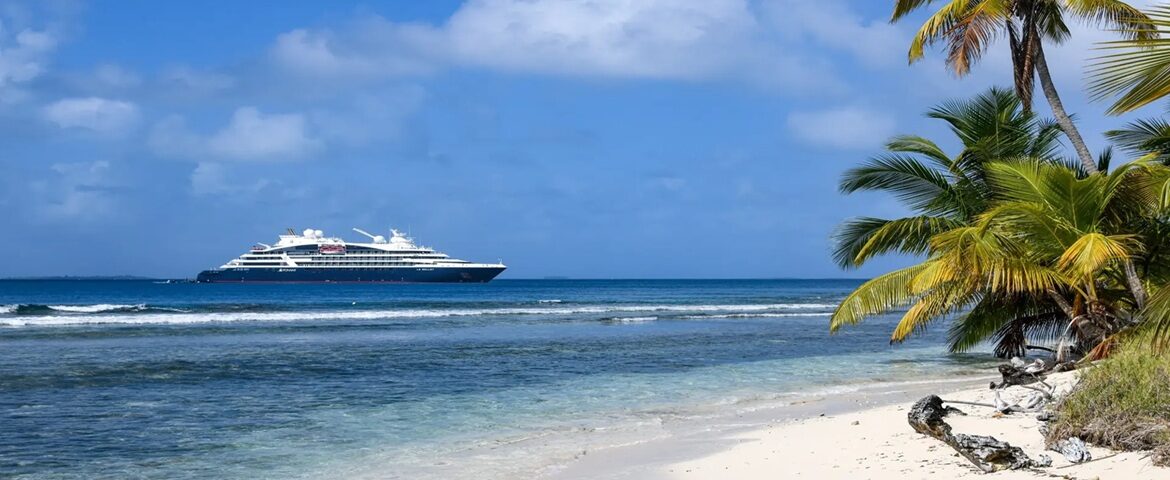

Le Bougainville
20 Cruises
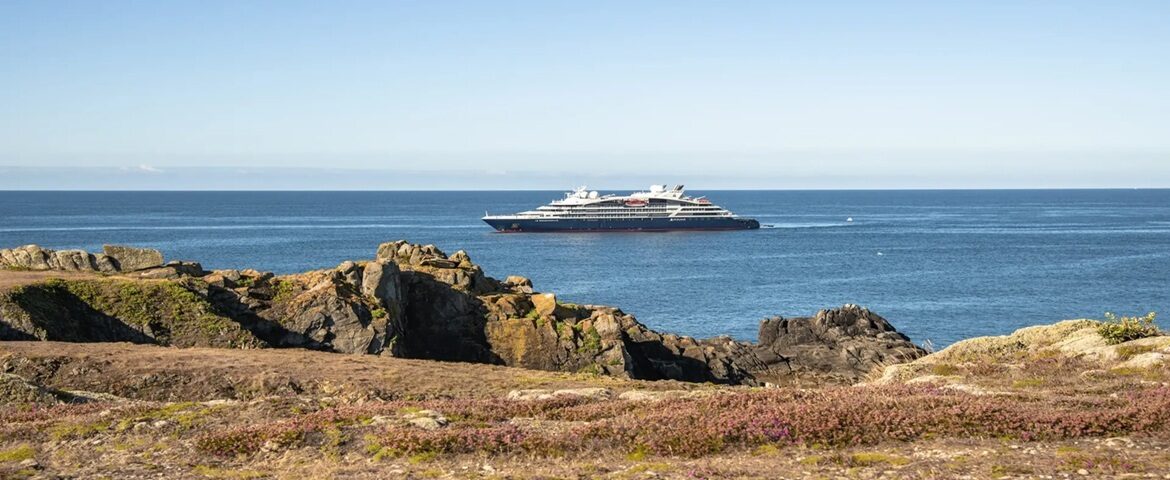
Le Champlain
8 Cruises
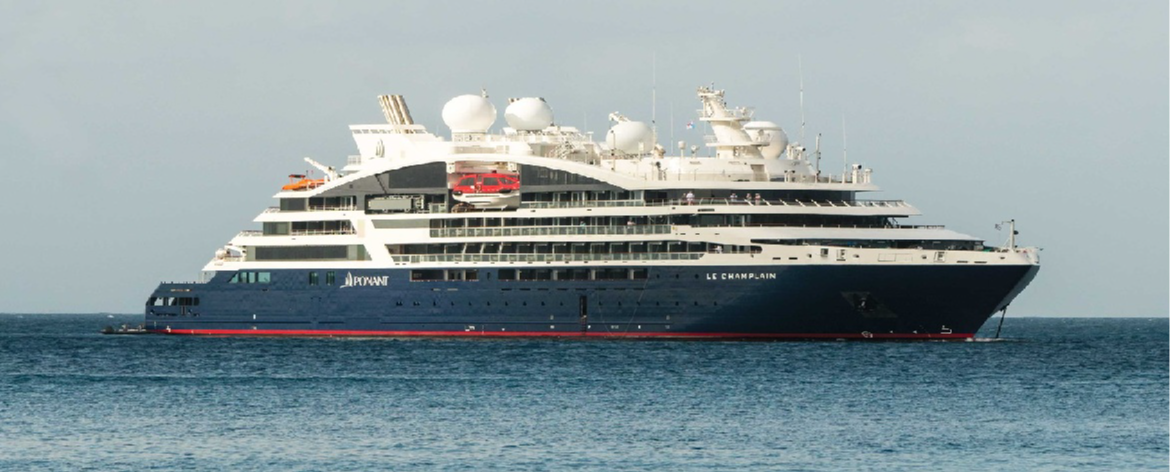
Le Laperouse
6 Cruises


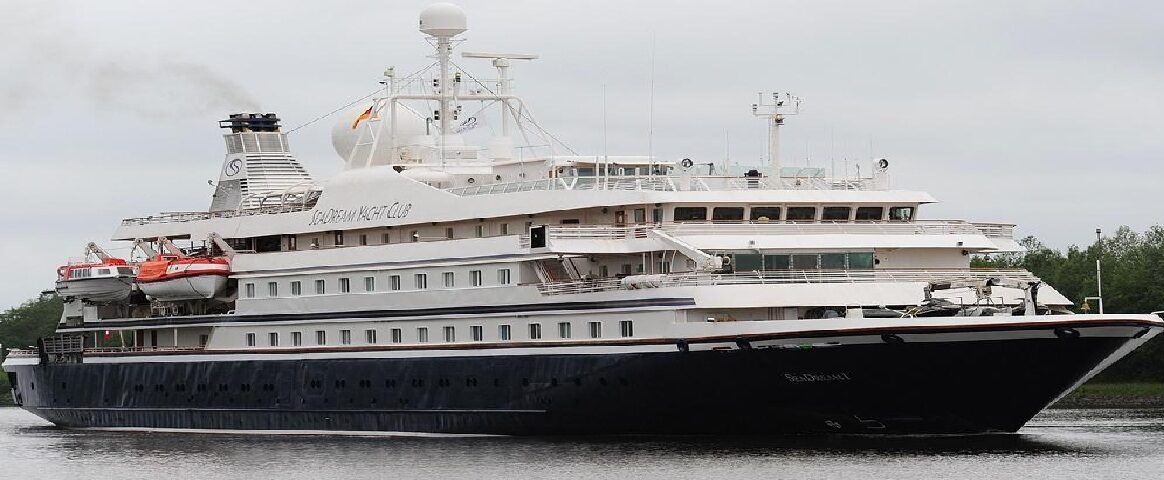
SeaDream Yacht Club (15 Cruises)
Seadream I
15 Cruises

| 28 November | 7 days | One-way from Philipsburg St Maarten to Bridgetown |
450-628-6241
Call us
|
| 28 November | 8 days | One-way from Philipsburg St Maarten to Bridgetown |
450-628-6241
Call us
|
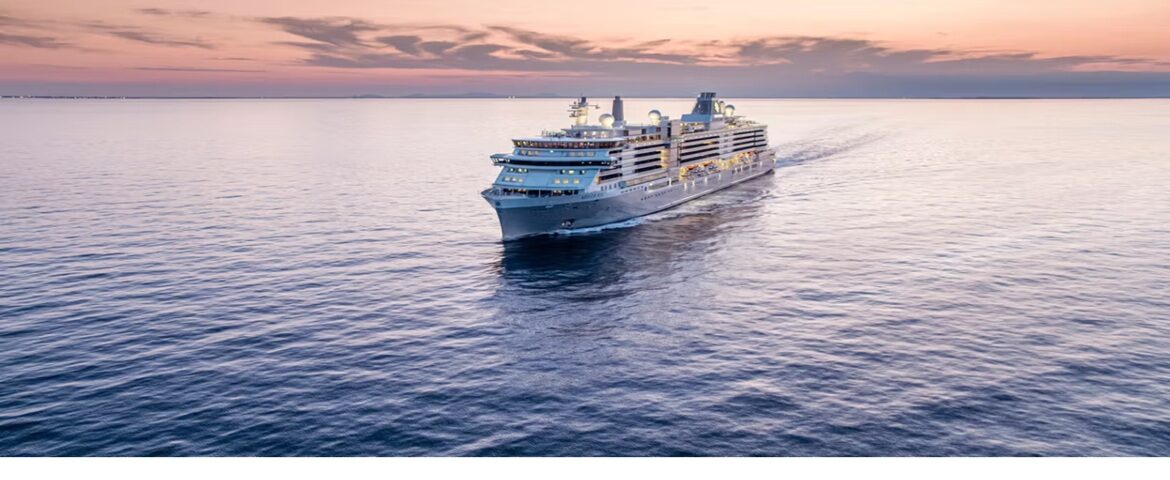

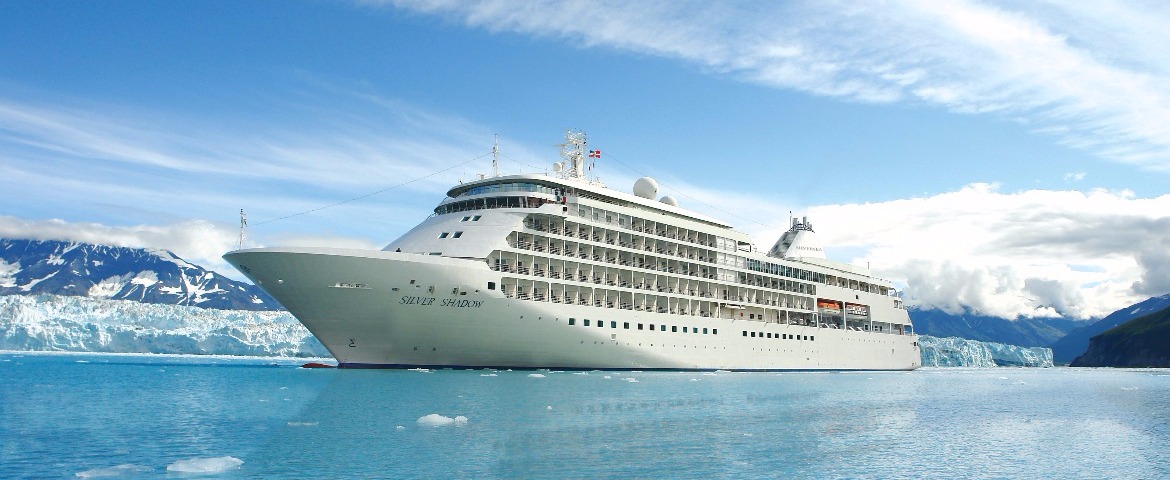
Star Clippers (49 Cruises)
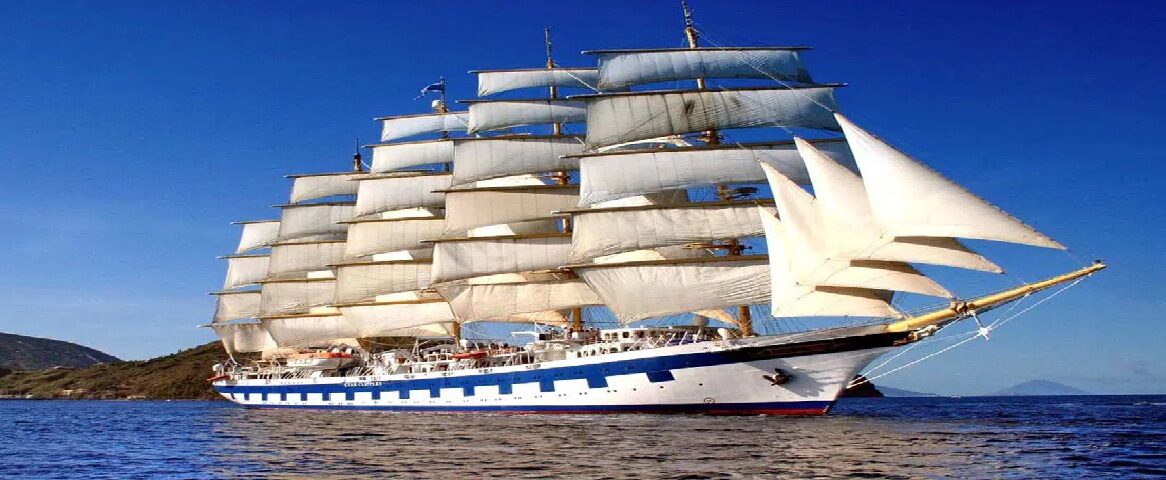
Royal Clipper
41 Cruises

| 31 October | 14 days | One-way from Bridgetown to Panama City |
450-628-6241
Call us
|
| 31 October | 15 days | One-way from Bridgetown to Panama City |
450-628-6241
Call us
|
| 27 November | 8 days | Round-trip from Bridgetown, Barbados |
450-628-6241
Call us
|
| 27 November | 7 days | Round-trip 7 Night Grenadine Islands Cruise |
450-628-6241
Call us
|
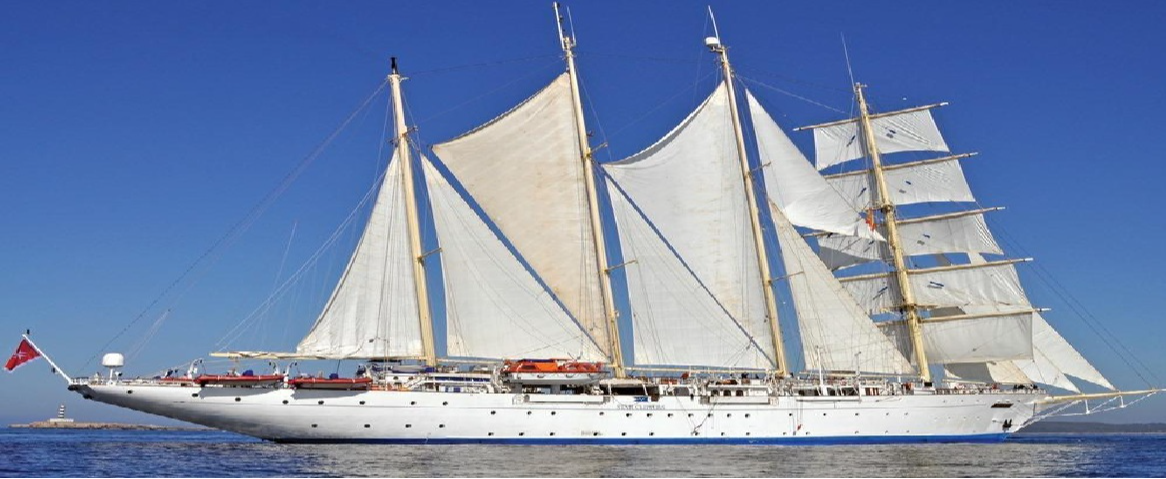
Star Clipper
8 Cruises

Port of Soufrière, Saint Lucia | Cruise Port Guide
Frequently Asked Questions
It doesn’t — ships, which are small here, anchor in the bay and tenders land passengers at the town jetty. The approach runs between Gros Piton and Petit Piton, two green rock cones inscribed on the UNESCO World Heritage list, and it is one of the most dramatic arrivals in the Caribbean.
The town, yes: the main square, the Church of the Assumption, the wooden-balconied houses and the small seafront market take about half an hour. The major sights are outside town — Sulphur Springs about 3 km away, Diamond Falls about 2 km. A taxi is needed, but no ride takes more than ten minutes.
Yes, and that is what makes it unique in the Caribbean: the road runs into a collapsed crater. There is no cone and no lava flow, just a lunar landscape of grey earth where fumaroles and mud pools exceed 100 degrees Celsius. Site guides explain the geothermal system, which is monitored continuously. The sulphur smell reaches the pier on some days.
Yes, in warm mud pools below the fumaroles. You coat yourself in volcanic clay, let it dry, then rinse off in the hot river. It is the messiest thing you can do on the island: bring a swimsuit you are willing to sacrifice, because the staining does not always wash out.
A waterfall whose rock face shifts colour — ochre, grey, yellow — with the minerals in the water, at the end of a trail planted with ginger lilies and heliconias on the former Soufrière Estate sugar plantation. Beside it stand stone baths built in 1784 for the troops of Louis XVI on medical advice; some restored pools still work.
Sulphur Springs and Diamond Falls combine easily in one half-day, since both are under ten minutes from the landing. That still leaves time to walk the town and stop at the market for cinnamon and cacao sticks. If you prefer the water, take a water taxi to Anse Chastanet.
Realistically, no. The guided climb to nearly 800 metres takes about four hours return, before transfers. A standard call leaves no margin. Gros Piton is worth coming back for on a land stay.
At Anse Chastanet and neighbouring Anse Mamin, reached by water taxi from the pier. The bay is protected by a locally managed marine area and the coral drop-offs begin metres from shore, which makes it one of the best places on the island to swim with nothing but a mask.
Yes, if you choose carefully. The mud baths, the waterfall and the market appeal to children; the heat, the sulphur smell and the estate trails wear out younger ones by midday. Going early and saving the swim for last solves most of it.
The East Caribbean dollar is official and US dollars are accepted everywhere, with change usually given in local currency. English is spoken, and French-based Creole is still very much alive — a legacy of a town founded by the French in 1746, the oldest in Saint Lucia.


