Port-of-Spain Trinidad
Trinidad & Tobago
40
Cruises availables
At departure or passage at this port
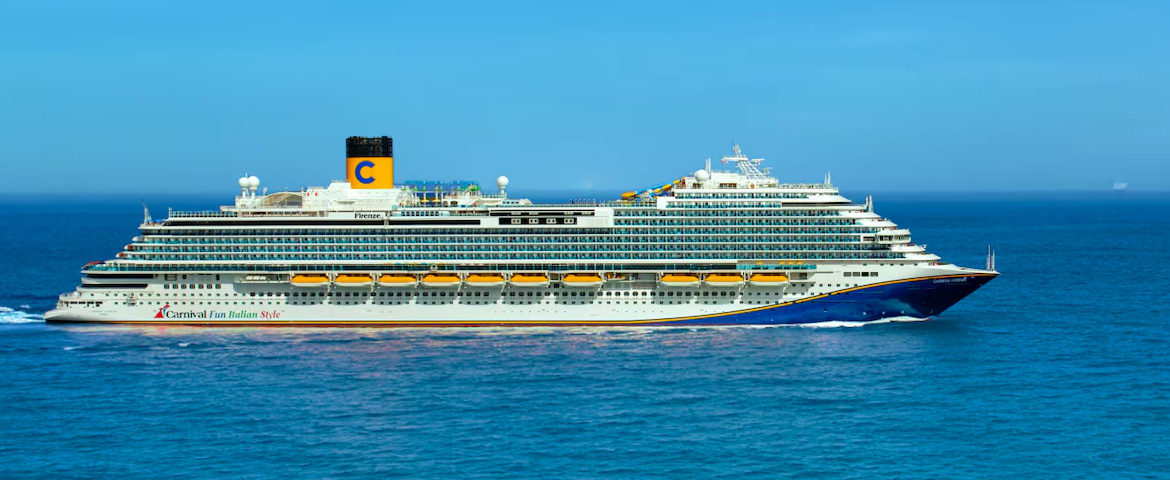
Carnival Cruise Line (1 Cruises)

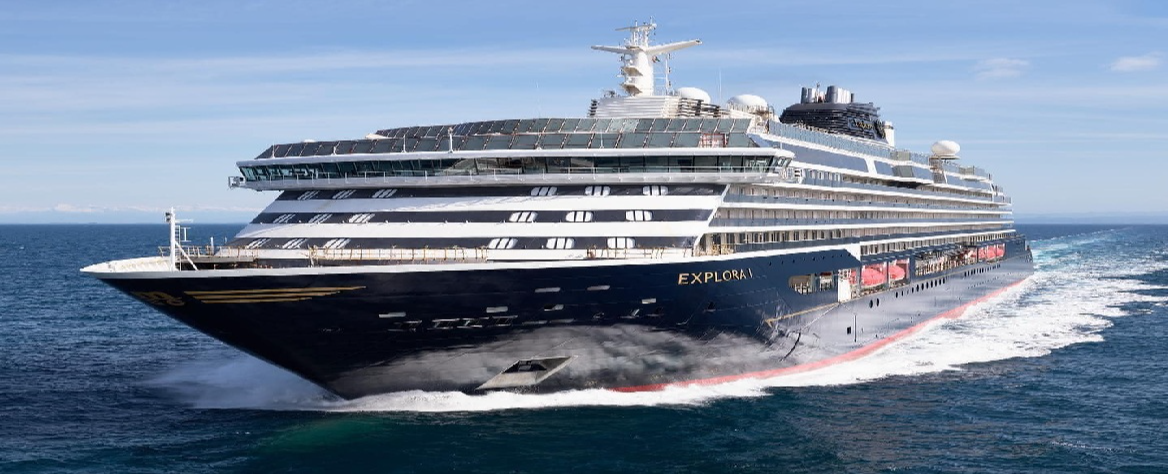
Explora Journeys (6 Cruises)
Explora I
6 Cruises

| 29 January | 19 days | One-way from Miami to Manaus |
450-628-6241
Call us
|
| 29 January | 19 days | One-way from Miami to Manaus |
450-628-6241
Call us
|
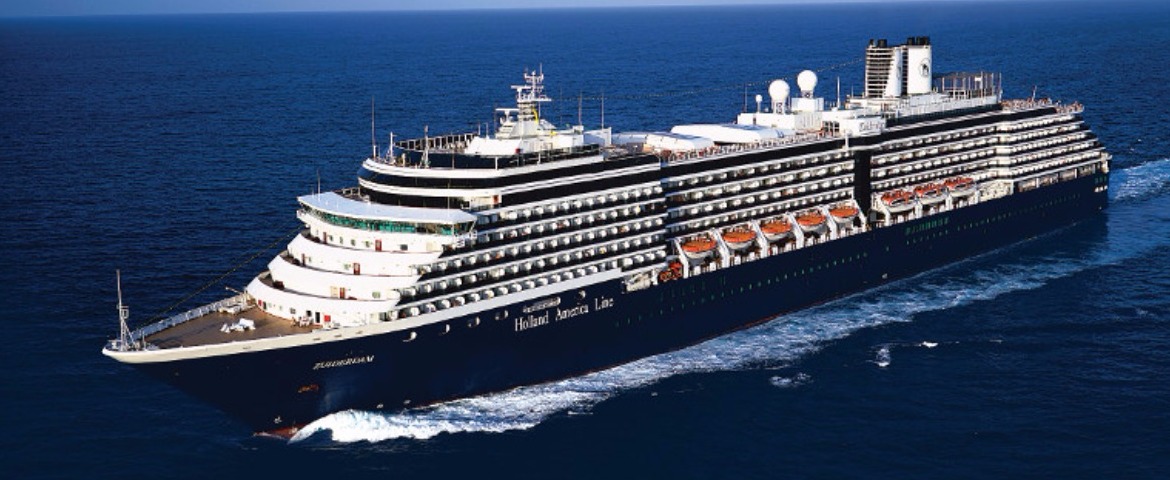
Holland America Line (1 Cruises)
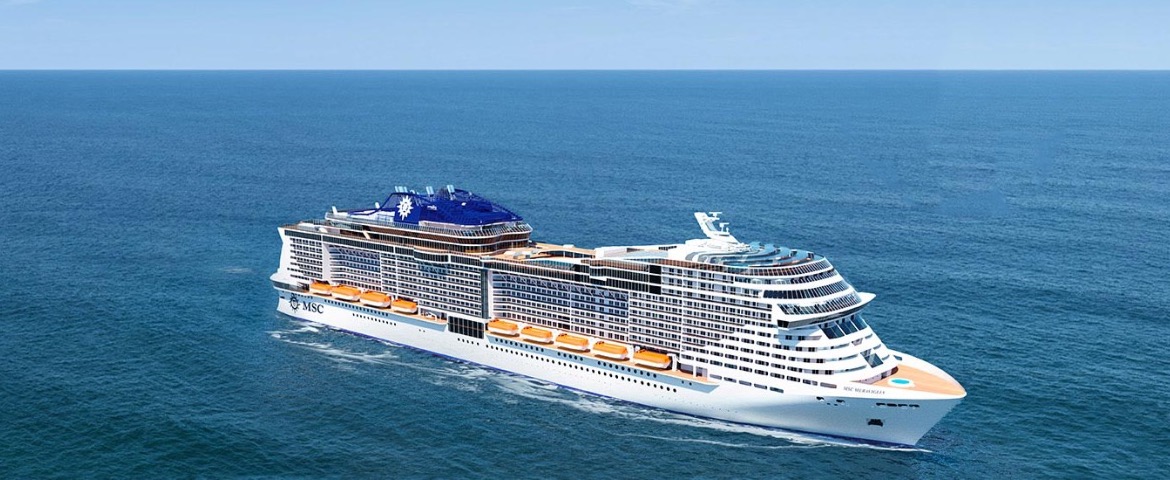
MSC Cruises (6 Cruises)

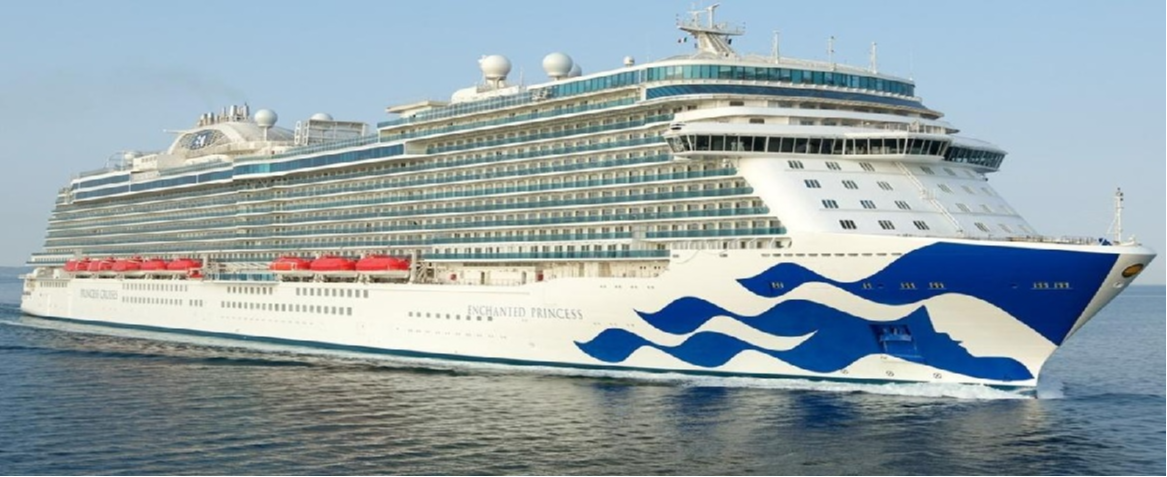
Princess Cruises (1 Cruises)




Seabourn Cruise Line (21 Cruises)
Seabourn Venture
21 Cruises
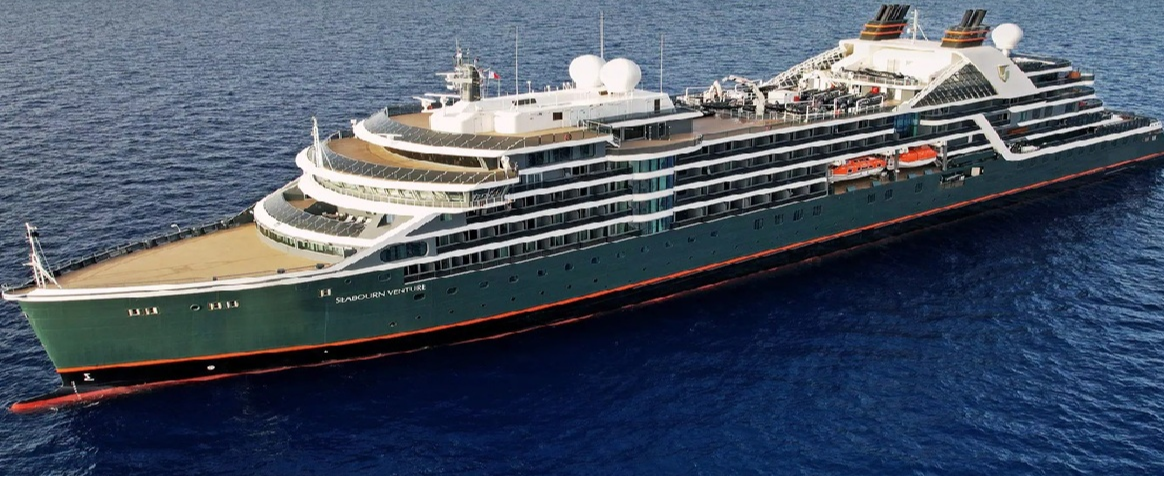
| 17 September | 64 days | One-way from Kangerlussuaq to Ushuaia |
450-628-6241
Call us
|
| 17 September | 39 days | One-way from Kangerlussuaq to Rio de Janeiro |
450-628-6241
Call us
|
| 18 September | 64 days | One-way from Kangerlussuaq to Ushuaia |
450-628-6241
Call us
|
| 18 September | 39 days | One-way from Kangerlussuaq to Rio de Janeiro |
450-628-6241
Call us
|
Port of Spain, Trinidad and Tobago | Cruise Port Guide
Frequently Asked Questions
At the Wrightson Road cruise complex, about two kilometres from the centre: fifteen minutes on foot or seven by taxi. It is a proper berth with no tendering, and the liveliest city in the southern Caribbean opens up the moment you leave the terminal.
Yes, the centre walks very well. Frederick Street runs from the port to the Savannah by way of Independence Square, the National Museum and Holy Trinity Anglican cathedral. Allow a good half-hour on foot from the terminal to the Savannah, under a sun that shows no mercy at midday.
The vast lawn of more than 100 hectares that organises the whole capital, ringed by a road circuit of three and a half kilometres. Coconut vendors park their trucks along it, joggers circle in the shade of saman trees, and during carnival its stands become the epicentre of the greatest festival in the Caribbean.
Seven extravagant early-20th-century mansions lining the western edge of the Savannah: a Rhineland castle, a Scottish manor, a Moorish residence, each outdoing its neighbour. You view them from the street rather than inside, and the row takes about twenty minutes to walk.
Doubles: two fried flatbreads filled with curried chickpeas, eaten standing, in two bites. Roti, inherited from India, wraps chicken or goat curry in a layered flatbread. The busiest vendors are around the Savannah and on Ariapita Avenue.
Walk up Frederick Street to the Savannah, circle the park and the Magnificent Seven, stop at the National Museum, then head back down with a doubles along the way. It all fits within a manageable area and gives a real measure of the city.
Yes. It was born here, in the yards of Laventille, when the descendants of enslaved and indentured people turned oil drums into musical instruments. It is the only acoustic instrument invented in the 20th century, and hearing it played on its home ground is nothing like a recording.
It calls for big-city common sense. Stay in the central, Savannah and Woodbrook areas, leave jewellery and large cameras aboard, avoid outlying neighbourhoods and take a taxi after dark. By day, in those areas, the call goes very well.
The Trinidad and Tobago dollar. Restaurants, museums and central shops take cards, but street vendors, taxis and markets want cash in small notes. You can't buy a doubles by card, and a doubles is exactly what you should be eating.
English, the official language, with the accent and turns of phrase of a very much living Trinidadian creole. French isn't used, though street and family names recall the French presence of the 18th century. You also hear the city's Indian, Chinese, Venezuelan and African heritage.


