Cesme Turkey
Turkey
71
Cruises availables
At departure or passage at this port
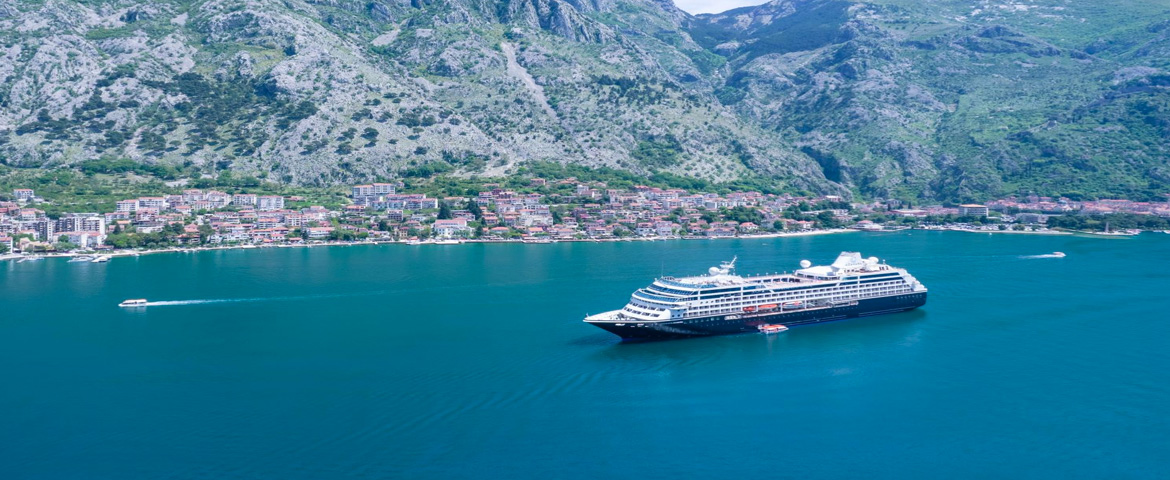
Azamara Club Cruises (6 Cruises)

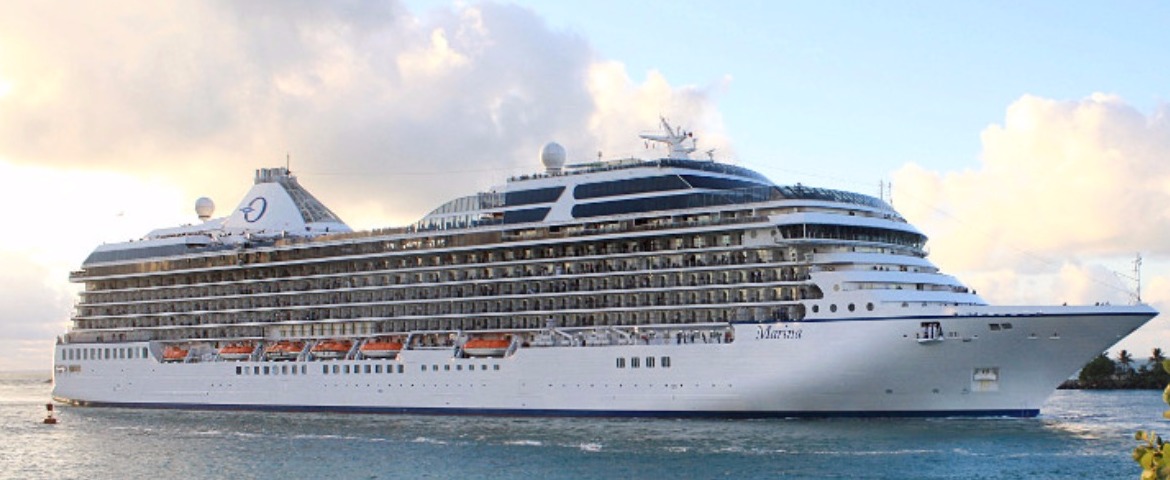
Oceania Cruises (2 Cruises)

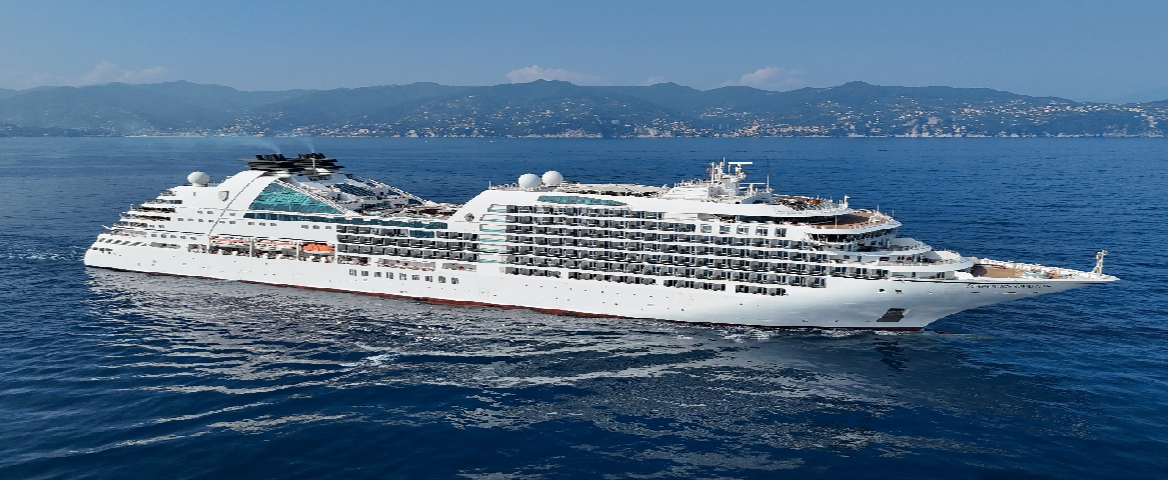
Seabourn Cruise Line (41 Cruises)
Seabourn Ovation
38 Cruises

| 30 April | 30 days | One-way from Genoa to Istanbul |
450-628-6241
Call us
|
| 30 April | 29 days | One-way from Genoa to Istanbul |
450-628-6241
Call us
|
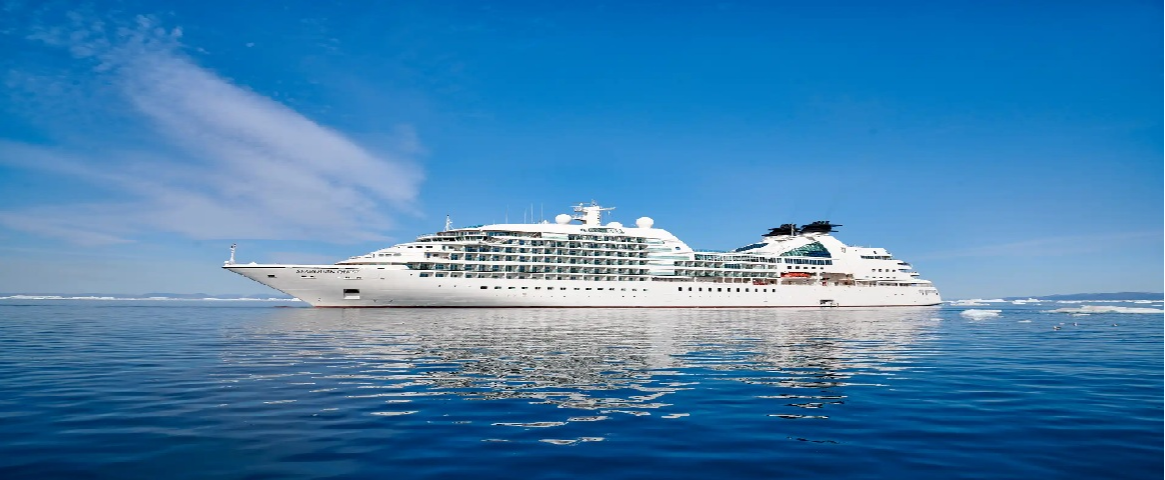
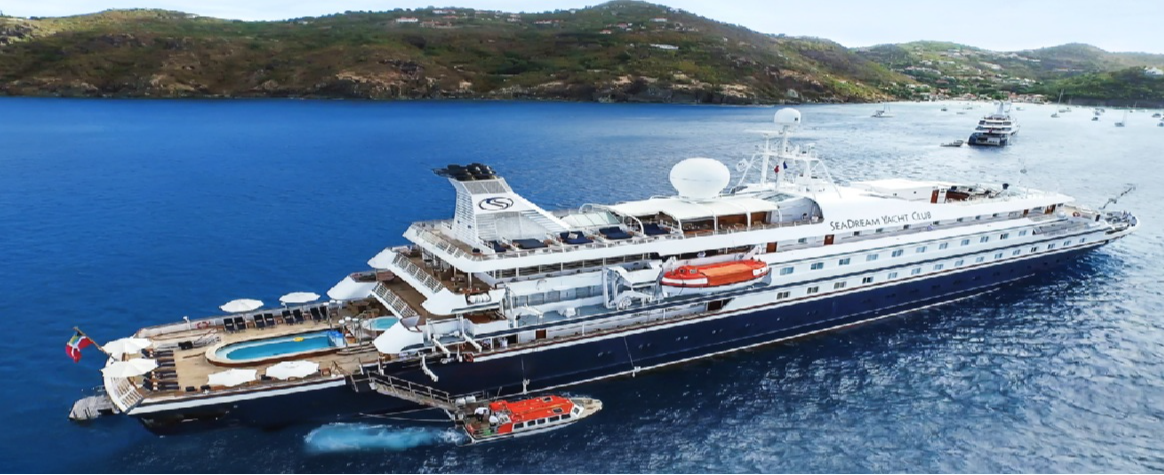
SeaDream Yacht Club (3 Cruises)

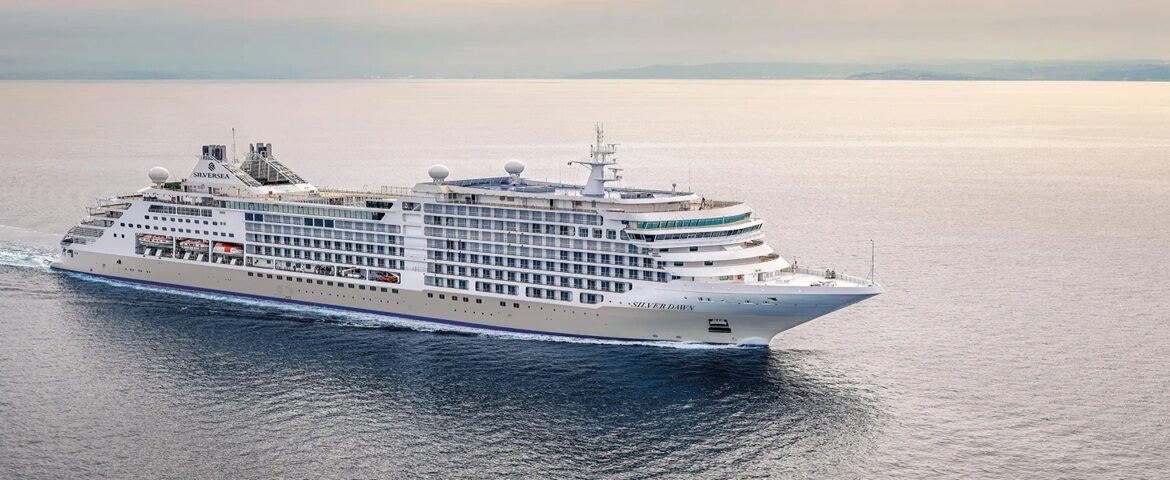
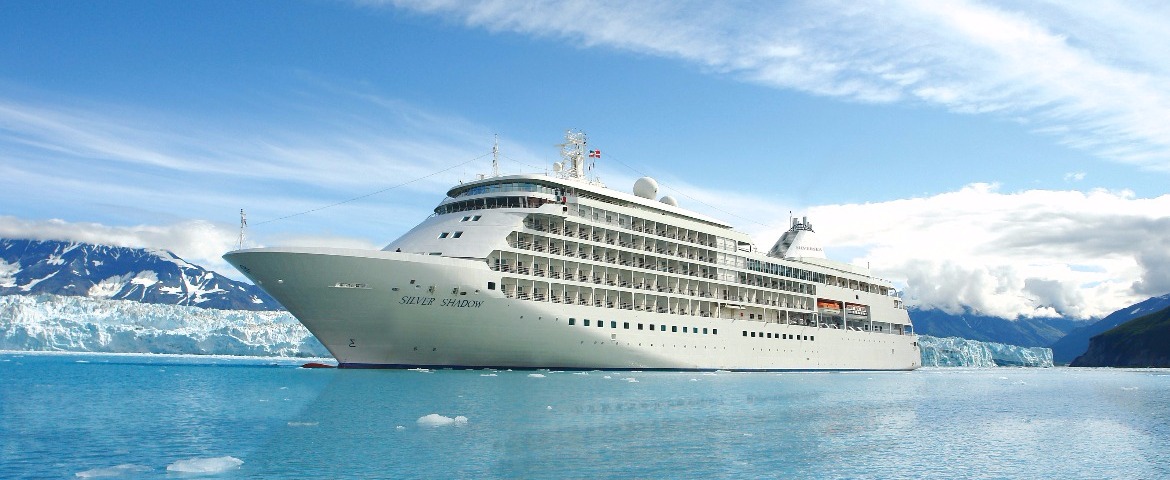
Silversea Cruises (6 Cruises)

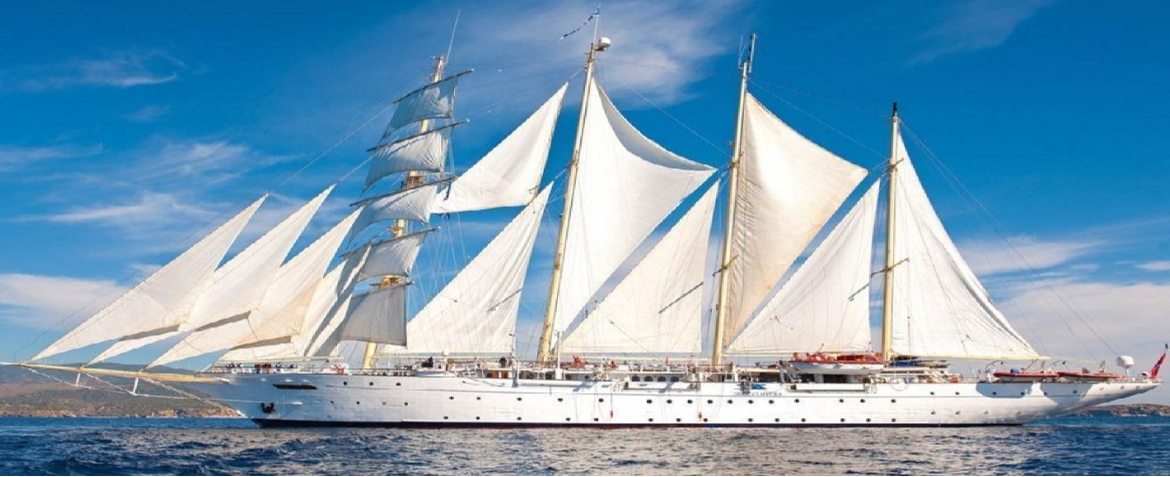
Star Clippers (13 Cruises)
Star Flyer
13 Cruises

| 9 June | 11 days | One-way from Antalya to Istanbul |
450-628-6241
Call us
|
| 9 June | 10 days | One-way from Antalya to Istanbul |
450-628-6241
Call us
|
| 24 July | 12 days | One-way from Istanbul to Antalya |
450-628-6241
Call us
|
| 24 July | 11 days | One-way from Istanbul to Antalya |
450-628-6241
Call us
|
Frequently Asked Questions
At the town's single quay, right beside the marina and the centre: you step ashore literally into town, with the tourist office a few paces away. No shuttle, no transfer. It is one of the simplest calls on the Turkish Aegean coast.
A medieval castle whose crenellated walls watch over the anchorage, a few minutes' climb from the quay. You walk its courtyards, halls and wall-walks up to the watchtower, from where the view takes in the whole bay and the Aegean. Some of the rooms hold a small archaeological museum.
The fortress, the caravanserai and the old streets of the centre, then a fish lunch facing the yachts in the marina. All of it on foot. If you want the beach, take a taxi to Ilıca and accept giving up part of the heritage.
An Ottoman staging inn built in 1528, south of the castle, which once received merchants and caravans. Converted into a character hotel, it still lets you admire its courtyard and stone arcades without staying there. It's a ten-minute stop well worth making on the way to the old streets.
At Ilıca, a few kilometres from the centre: a long ribbon of pale sand beside shallow water. It is the beach the people of Izmir choose, as Çeşme is their favourite seaside resort. Factor the taxi both ways into your day.
Mastic ice cream, whose vendors put on acrobatic displays: it is the local specialty and tastes like no other ice cream. Around it, the table breathes the Aegean: grilled fish, olive oil mezze, wild herbs, and black tea served scalding by the water.
Yes, the Greek island of Chios lies directly opposite, at the western tip of Turkey. On a clear day it stands out sharply from the promenade and the ramparts. That proximity explains the strategic role this channel between Anatolia and the islands long played.
The Orthodox church of Ayios Haralambos, converted into a cultural space, regularly hosts exhibitions. Its interior volume takes you by surprise off a shopping street of ice cream parlours, cafés and boutiques. It recalls the Greek presence in the region before the population exchanges.
The wind is at home in Çeşme: it fills the sails of the boards offshore and shakes the bougainvillea. For swimming it cools things pleasantly; for a hat it is merciless. The region is in fact one of the great windsurfing centres of the eastern Mediterranean.
The Turkish lira; cards work in central restaurants and shops, but keep cash for taxis and stalls. Turkish is spoken, with decent English around the marina. Çeşme lives mainly on Turkish tourism, which makes for a more authentic and slightly less multilingual call.


