Isle of Man Peel-Douglas, UK
United Kingdom

75 Cruises availables At departure or passage at this port

Azamara Club Cruises (17 Cruises)

Seabourn Cruise Line (34 Cruises)

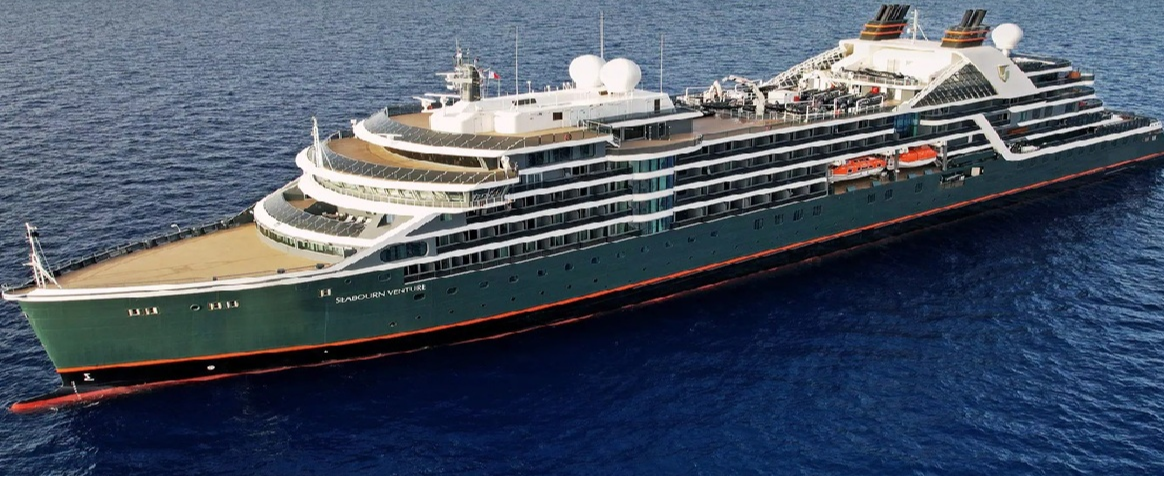
Seabourn Venture

Seabourn Venture

Visit the ship's page

Isle of Man, UK | Cruise Port Guide

A three-kilometre crescent bay, a Victorian promenade lined with pastel-façaded hotels, and, on the rails running alongside it, a horse-drawn tram of a kind almost nowhere else in the world still has. Douglas greets its visitors with a 19th-century seaside resort backdrop that has stayed remarkably alive. Ships anchor in the bay and bring passengers ashore by tender near the centre, just steps from this promenade that sums up the Isle of Man in itself: a self-governing Crown Dependency, neither English nor Scottish, proud of its quirks right down to its stamps and banknotes.

Douglas at a Horse's Pace

Since 1876, horse-drawn trams have run the length of the promenade, between the ferry terminal and the electric railway station. A ride costs little and sets the tone for the day: here, people get around the way they did a century ago, by choice and with pride. Just steps away, the Manx Museum tells ten thousand years of island history, from Viking stones to the legends of the Isle of Man TT, the motorcycle race that has set the island alight every year since 1907. Admission is free, and an hour slips by quickly.

Trains from Another Century

Few places in Europe have kept a heritage railway network this complete, and still running regular service. Three historic lines depart from or connect through Douglas, and each could easily fill half a day of a stop.

LineRouteWhat Makes It Special
Steam RailwayFrom the capital to Port Erin, in the southOriginal Victorian locomotives
Manx Electric RailwayDouglas to Laxey and Ramsey, in the northElectric carriages from 1893
Snaefell Mountain RailwayLaxey to the summit of SnaefellThe only electric mountain railway in the British Isles

The combination most popular with cruise passengers links the capital to Laxey by electric tram, about 25 minutes along the cliffs, then climbs in half an hour to Snaefell, at 620 metres. On a clear day, the view is said to take in six kingdoms: the Isle of Man, England, Scotland, Ireland, Wales, and the heavens above.

Laxey and Its Great Wheel

In the village itself, a detour to the Lady Isabella is a must, the largest working waterwheel in the world. Painted red and 22 metres across, it has turned since 1854, when it once pumped water from the lead and zinc mines. The bold climb the spiral staircase to the top of the structure to take in the full scale of the mining valley, now reclaimed by ferns and footpaths.

Peel, the Rival in the West

On the other side of the island, about thirty minutes by road from the capital, Peel is well worth the trip for its red sandstone castle set on St Patrick's Isle, linked to the town by a causeway. The walls enclose a thousand years of history, from Celtic monks to the Viking kings of Man. The fishing village facing it smells of smoked herring: Peel kippers are still prepared here using unchanged methods, and a few smokehouses are open to visitors. Peel is also home to the House of Manannan, an interactive museum devoted to the island's Celtic and maritime roots.

A Kingdom in Miniature

Here you'll find the oldest continuously sitting parliament in the world, the Tynwald, which has met without interruption for more than a thousand years. That one detail says it all: on this territory of 85,000 people, history isn't just scenery, it carries on. Passengers heading back aboard after a day of century-old trams, giant wheels, and windswept castles carry away the image of a kingdom in miniature that has found a way to stay itself, halfway between four nations and at a comfortable distance from their bustle.

Frequently Asked Questions

Ships anchor in Douglas bay and land passengers by tender near the centre, a few steps from the Victorian promenade. The crescent bay runs three kilometres, lined with pastel-fronted hotels.
Yes. The promenade, the Manx Museum and the historic railway stations are all walkable from the landing. For anyone wanting to save their legs, horse-drawn trams have run the length of the promenade since 1876.
The most popular combination links Douglas to Laxey by electric tram, about 25 minutes along the cliffs, then climbs in half an hour to the summit of Snaefell at 620 metres. Those staying in town take the horse tram along the promenade and the Manx Museum, which is free.
A horse-drawn tramway, running the promenade since 1876, of a kind that barely survives anywhere else in the world. It links the ferry terminal to the electric railway station. Boarding costs little and sets the tone for the day.
Three lines, all in regular service: the steam railway from the capital to Port Erin in the south, with its original Victorian locomotives; the Manx Electric Railway from Douglas to Laxey and Ramsey, with carriages dating from 1893; and the Snaefell Mountain Railway, the only electric mountain railway in the British Isles.
On a clear day the view is said to take in six kingdoms: the Isle of Man, England, Scotland, Ireland, Wales and the kingdom of heaven. The summit stands at 620 metres and is reached in half an hour by train from Laxey.
The largest working waterwheel in the world: 22 metres in diameter, painted red, turning since 1854, when it pumped water out of the lead and zinc mines. The bold climb the spiral staircase to the top of the structure.
No, it is a self-governing Crown dependency, neither English nor Scottish, proud of its distinctiveness down to its stamps and banknotes. The Manx pound circulates at parity with sterling but is not legal tender elsewhere: spend it before you leave.
Very much so. Horse-drawn trams, steam trains, a mountain railway and the great wheel at Laxey make a day children talk about for a long time. The Manx Museum, free to enter, covers ten thousand years of island history, from Viking stones to the Tourist Trophy.
May to September, when the heritage lines run in full and the days are long. The Tourist Trophy, the motorcycle race that has taken over the island every year since 1907, falls in late spring: the island is packed then and getting around is harder. Tendering ashore depends on conditions in the bay.