Ullapool Scotland
United Kingdom
53
Cruises availables
At departure or passage at this port
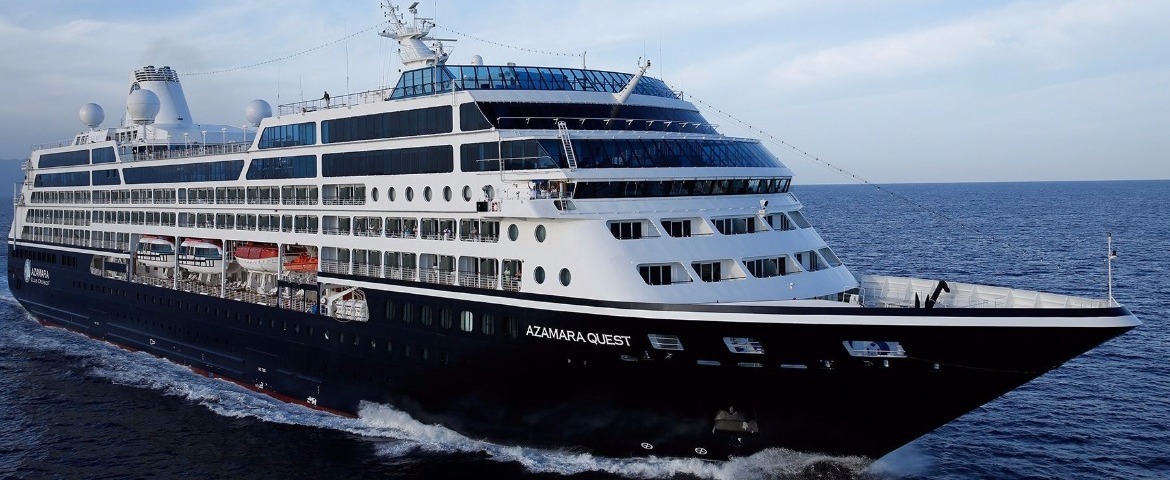
Azamara Club Cruises (3 Cruises)

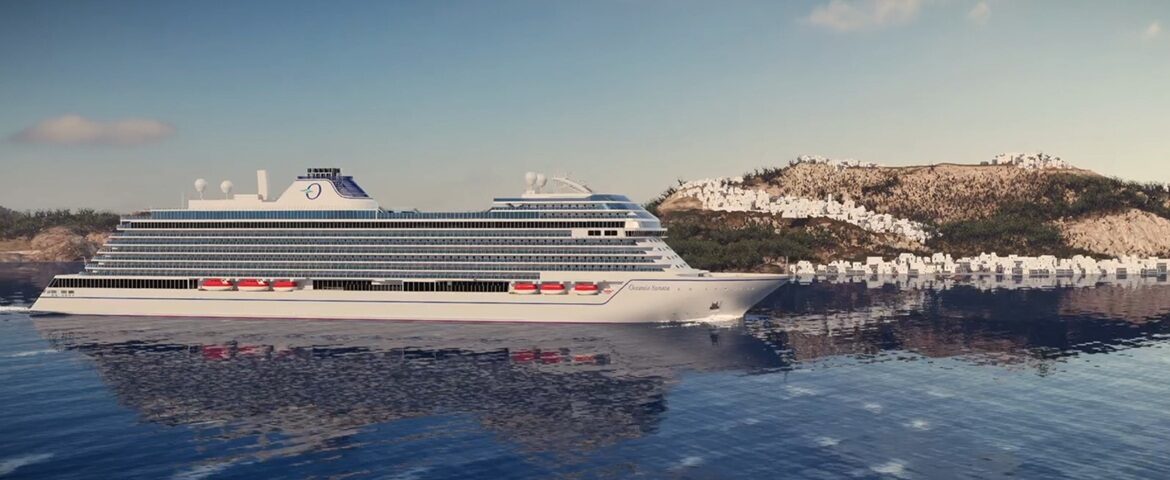
Oceania Cruises (3 Cruises)

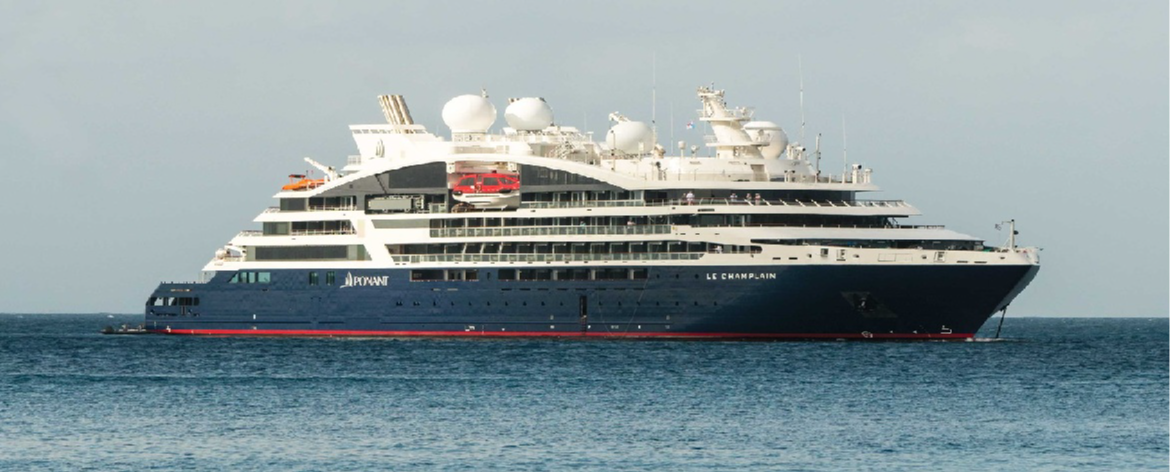

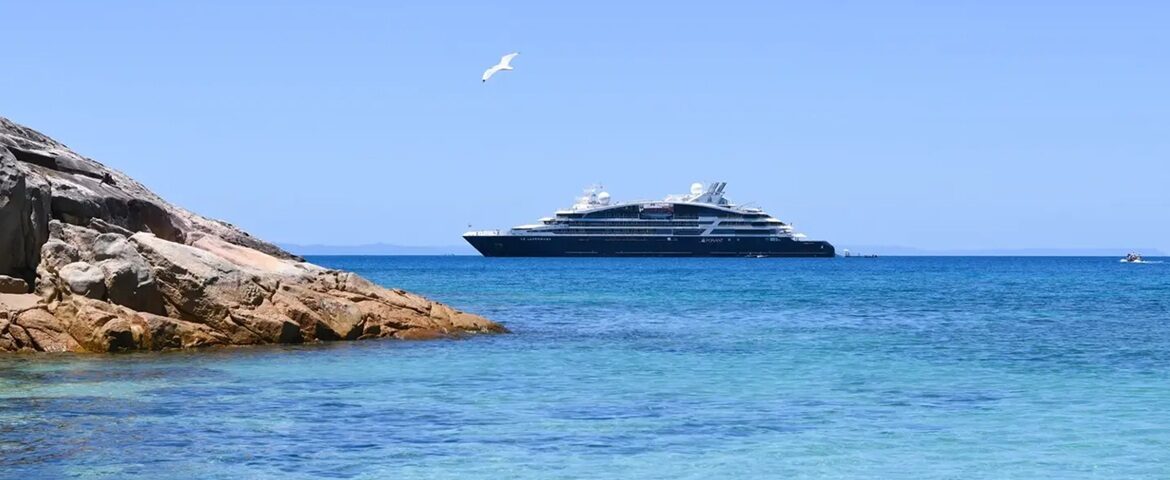
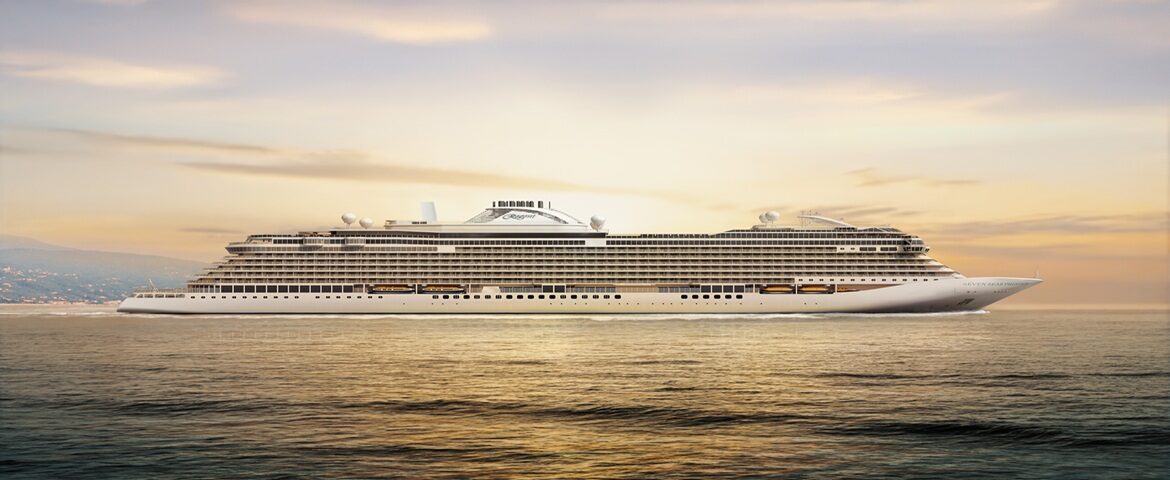

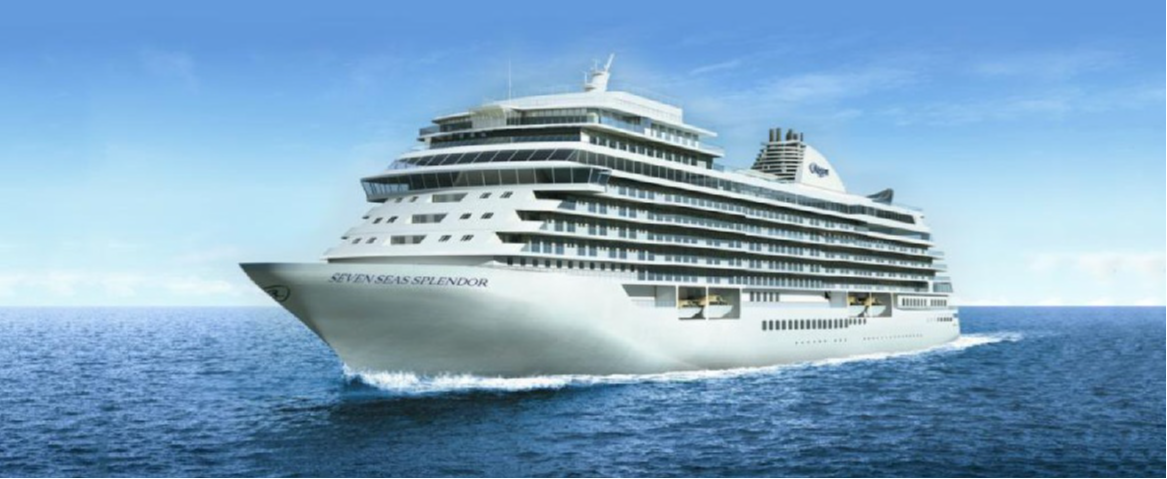
Seabourn Cruise Line (6 Cruises)
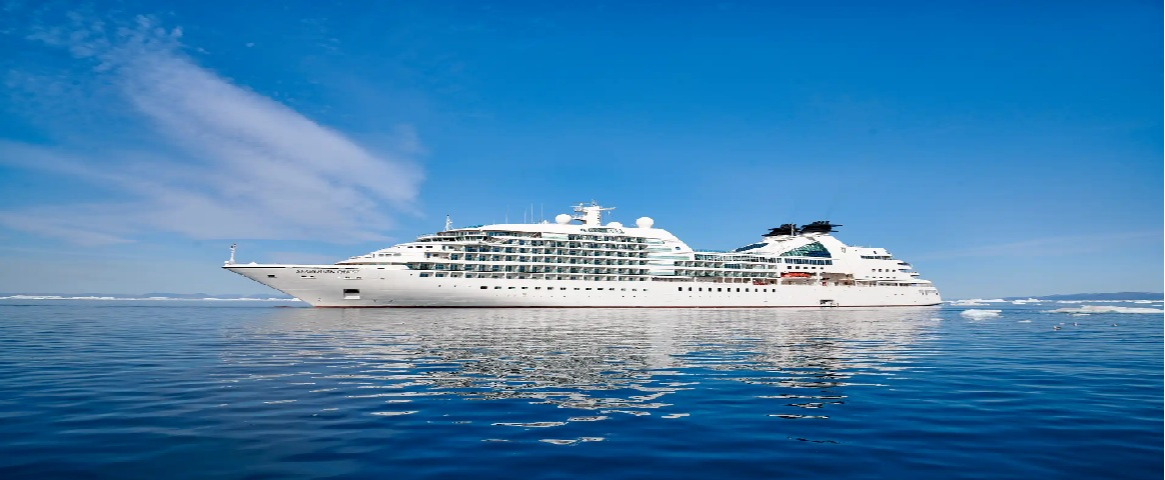
Seabourn Quest
6 Cruises

Viking Ocean Cruises (33 Cruises)
Viking Mars
4 Cruises
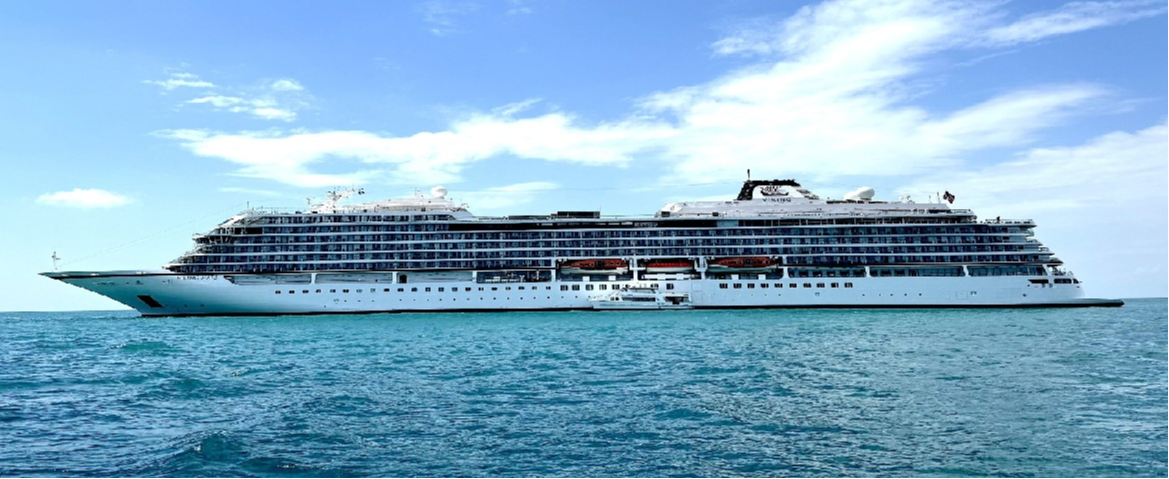

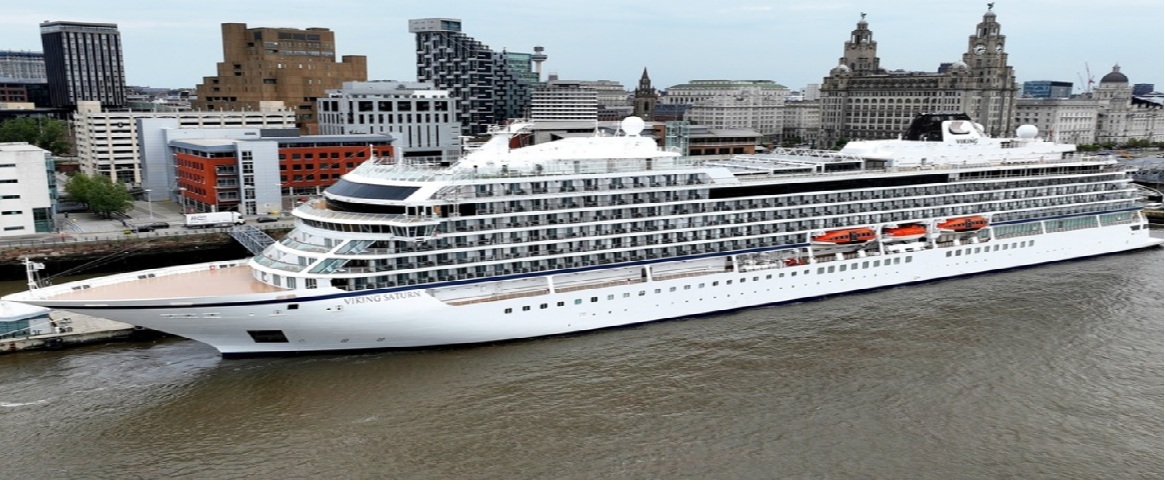
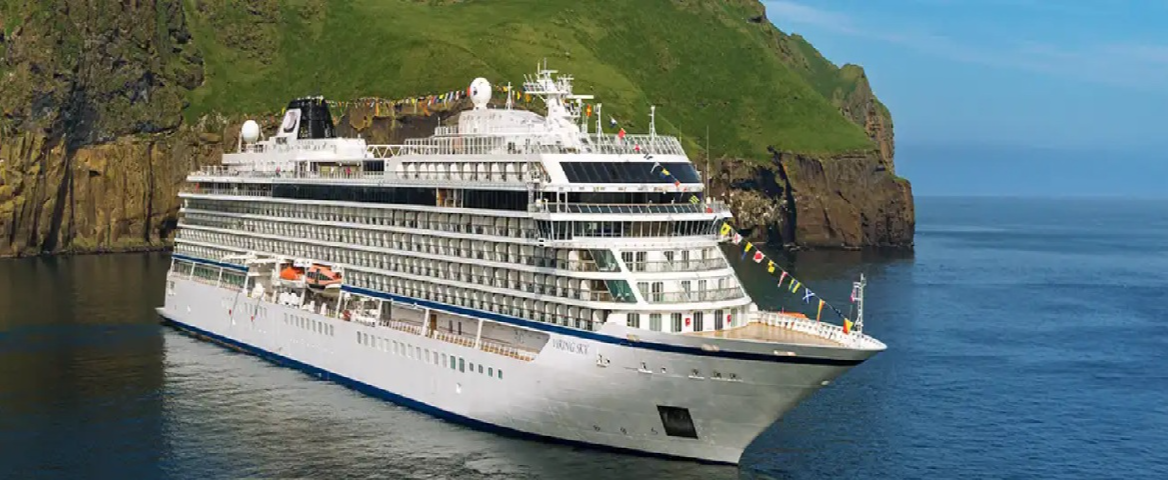
Viking Sky
17 Cruises
| 2 June | 26 nights | One-way from Stockholm to London-Tilbury |
450-628-6241
Call us
|
| 16 June | 12 nights | One-way from Bergen to London-Tilbury |
450-628-6241
Call us
|
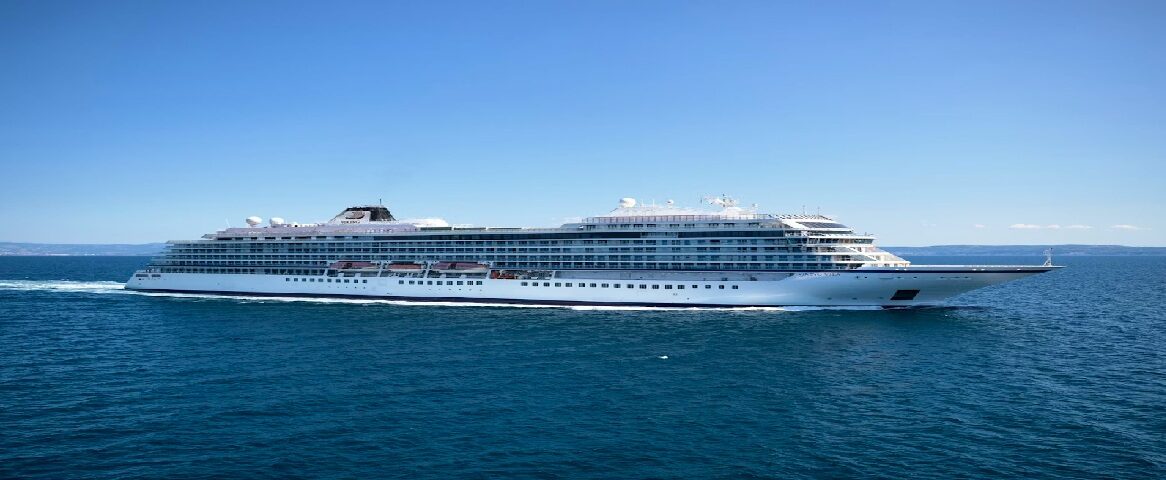
Viking Vela
8 Cruises
| 3 April | 12 nights | One-way from London-Tilbury to Bergen |
450-628-6241
Call us
|
| 3 April | 20 nights | One-way from London-Tilbury to Amsterdam |
450-628-6241
Call us
|

Port of Ullapool, Scotland | Cruise Port Guide
Frequently Asked Questions
In the roadstead of Loch Broom. Passengers land by tender at a dedicated pontoon, steps from the first shopfronts. There is no cruise berth: the village opens up immediately, with no shuttle.
Yes, and quickly: the whole seafront takes a quarter of an hour. Wool and chart shops, artists' galleries, pubs and fish smokehouses line up facing the loch, in a village of fewer than 1,500 people.
Because it was laid out in a single stroke in 1788 by the British Fisheries Society, to plans attributed to the engineer Thomas Telford, to serve the Loch Broom herring fishery. That origin explains the perfect alignment of the white houses along the water.
Corrieshalloch Gorge, about twenty minutes' drive south, is the highest-value outing and still leaves time to wander the village afterwards. Geology enthusiasts will prefer Knockan Crag, roughly thirty minutes to the north.
A wooded cleft 60 metres deep, cut by glacial meltwater and protected as a nature reserve, spanned by a Victorian suspension bridge. From it you look down on the Falls of Measach, plunging around 45 metres in a roar of spray.
Photographs, fishing gear and testimony tracing the herring booms, emigration to Canada and croft life, those small Highland family farms. The museum occupies a former parliamentary church built in 1829 to Thomas Telford's standard plans, and is run by volunteers.
The village was a departure point for Scottish emigration to North America, a history still carried by many Quebec and Nova Scotian families. The local museum devotes part of its displays to those departures.
The strangely shaped mountains of Assynt close the horizon to the north, and the Stornoway ferry stirs the quay twice a day. Stacked langoustine creels and noisy gulls complete the picture: this is a working fishing port, not a stage set.
Sterling, with Scottish banknotes in common circulation, and English; Gaelic appears on the signage. Cards work in the seafront shops, but keep change for the volunteer-run museum.
May to September, for long days and clear roads to Corrieshalloch and Wester Ross. Pack insect repellent in summer: Highland midges are persistent in calm, damp weather.


