Champagne Bay Espiritu Santo Island, Vanuatu
Vanuatu

42 Cruises availables At departure or passage at this port

At low tide, when conditions are right, the water starts to fizz. Tiny bubbles rise from the volcanic seabed through the pale sand, and the whole bay seems to shimmer like a glass of sparkling wine: that's where Champagne Bay gets its name. This cove on the island of Espiritu Santo, the largest in Vanuatu, offers South Pacific cruisers one of the purest beach days on their entire itinerary.

An Anchorage, a Crescent of Sand, Nothing Else

There's no port here: ships anchor in the bay and tenders drop passengers near a small concrete jetty. Ahead of them opens a crescent of dazzling white sand, fringed with coconut palms and closed off by two points of dense vegetation. No hotels, no busy roads, no pushy vendors: just the turquoise lagoon, outrigger canoes, and the edge of the forest. Those who come ashore on the first tenders get to enjoy an almost empty beach and perfectly clear water.

The Reef Just a Few Strokes Away

The lagoon invites swimming first and foremost, warm and remarkably clear. Snorkellers will find plenty to enjoy by heading away from the jetty toward the far end of the cove, where coral heads shelter butterflyfish, damselfish, and giant clams with fluorescent lips. The richer reef lies a bit further offshore; some visitors have themselves paddled out by outrigger canoe. A mask and snorkel from the ship will do the job, but reef shoes spare many a scrape on the coral seabed.

A Warm Welcome from Nearby Villages

On days when ships call, families from the surrounding area set up stalls under the trees selling sarongs, shell necklaces, and wood carvings. Visitors can sample freshly opened coconuts, crab, and lobster grilled on the spot, paid for in small bills. Groups of musicians and dancers sometimes perform in the shade of the banyan trees, and local children happily join in the games with visitors. These simple, unstaged exchanges are among Vanuatu's most lasting charms. English, French, and Bislama all mix together in conversation, a legacy of an archipelago long jointly administered by Paris and London.

ActivityWhereTip
SwimmingIn front of the main beachGo ashore early for peace and quiet
SnorkellingEnd of the beach opposite the jettyReef shoes recommended
Crafts and snacksStalls under the treesBring cash in small bills
Volcanic bubblesShallow areaMost visible at low tide

A Day to Savour Slowly

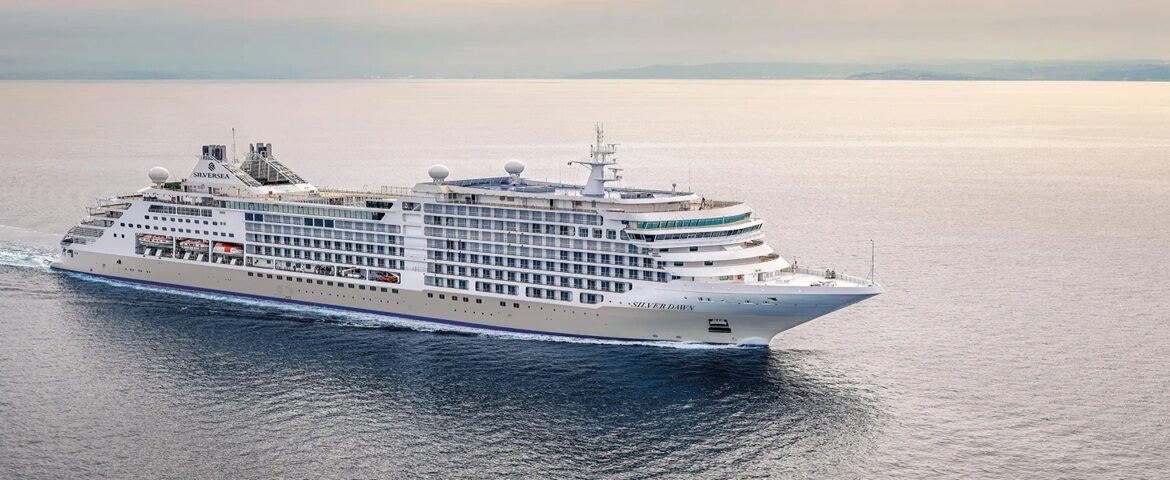
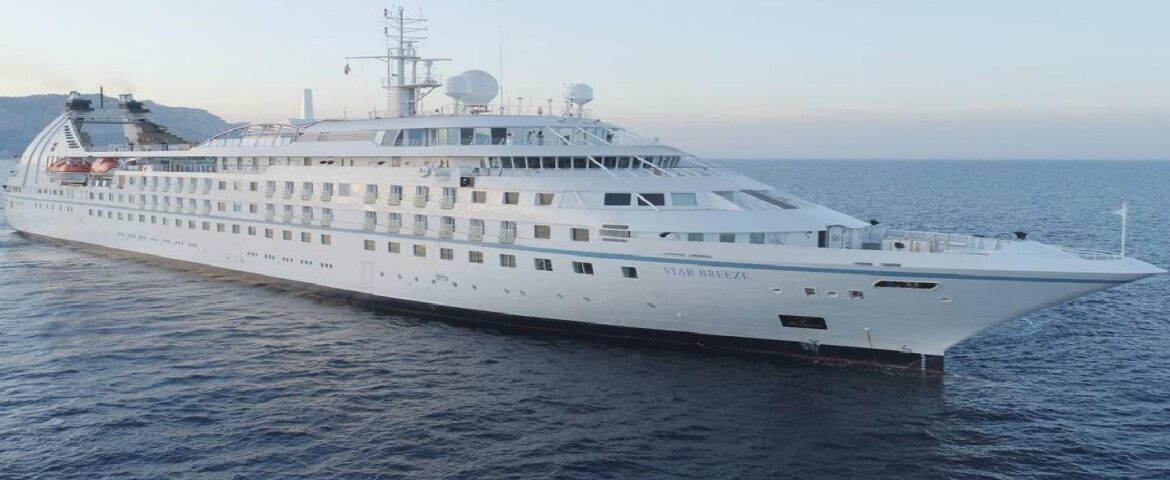
There's nothing to "do" at Champagne Bay, and that's exactly the point. You alternate between swimming and napping in the shade, walk the length of the sandy crescent letting the water lap at your ankles, and photograph the ship sitting on the horizon. Towels from the ship, an improvised sunshade, and a good book are enough for many passengers' plans. Organized excursions do offer a few outings into the island's interior, to its blue holes and villages, but most passengers choose not to leave the bay at all, and few regret it.

Bring water-resistant sunscreen, a hat, and plenty of water: the shade of the coconut palms isn't always enough at these latitudes. Since the seabed here is protected, look and photograph, but don't take home any coral or shells. And set aside a moment, before the last tender, just to sit facing the lagoon.

As the anchor comes up and the beach falls silent again behind the ship's wake, everyone understands why South Seas regulars speak of this cove in hushed tones, like a secret. Some ports of call impress; this one soothes, and its quiet fizz keeps rising to the surface of memory long after the trip is over.

Frequently Asked Questions

Ships anchor in the bay and tenders land passengers beside a small concrete jetty. There is no port here: what opens in front of you is a crescent of white sand fringed with coconut palms, on the coast of Espiritu Santo, Vanuatu's largest island.
Because at low tide, when conditions allow, tiny bubbles rise from the volcanic seabed through the pale sand: the bay seems to fizz like a glass of sparkling wine. The effect depends on the tide and is not visible at every call.
A beach day with no complicated programme: swimming in a warm, transparent lagoon, snorkelling towards the far end of the cove, and browsing the stalls set up under the trees. Those on the first tenders enjoy an almost empty beach.
Yes. Coral heads begin in shallow water, especially as you move away from the jetty, sheltering butterflyfish, damselfish and giant clams with fluorescent lips. The fuller reef lies a little further out; some visitors have themselves taken there by outrigger canoe.
Strongly recommended. The lagoon is superb, but reef shoes save a good deal of scraping on coral. Bring your own mask too: gear from the ship is plenty, as there is no rental outlet on the beach.
On call days, families from nearby set up stalls under the trees with sarongs, shell necklaces and wood carvings. You can try freshly opened coconuts and crab or lobster grilled on the spot. Bring small denominations in cash.
None. No hotels, no busy roads, no pushy vendors: just the turquoise lagoon, the outrigger canoes and the forest edge. Everything you need must come from the ship, shade included, as the coconut palms give little of it at midday.
The vatu, Vanuatu's currency. English, French and Bislama mingle in conversation, a legacy of an archipelago long administered jointly by France and the United Kingdom. No card payment on the beach.
Very much so. The water is warm and shallow near the shore, and local children happily join in the visitors' games. The groups of musicians and dancers who sometimes perform in the shade of the banyans make the day easier still.
May to October, Vanuatu's dry season: less rain, calmer sea and outside the cyclone period. From November to April, humid heat and tropical depressions make calls less reliable.