Hanoi Vietnam
928
Cruises availables
At departure or passage at this port
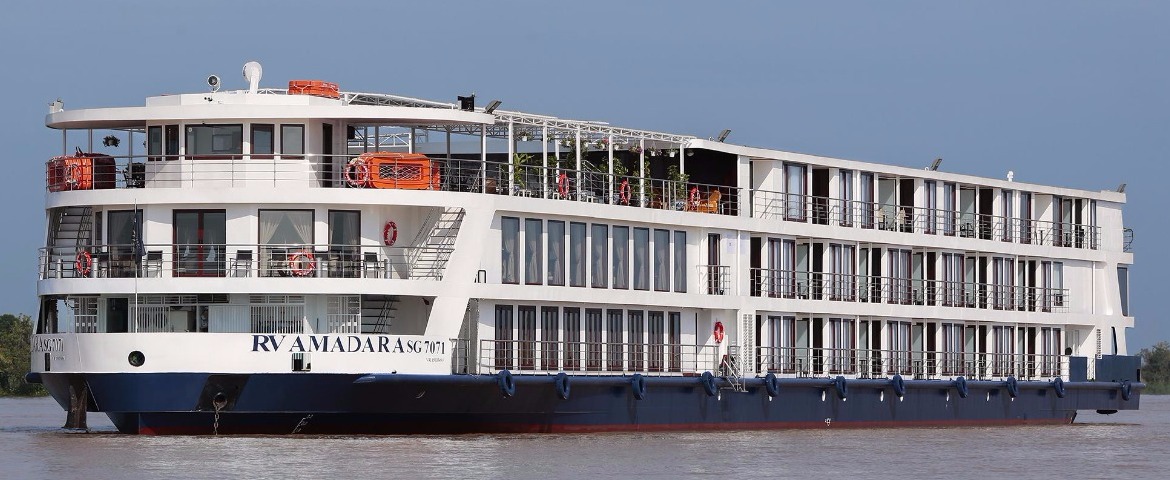
AmaWaterways (10 Cruises)

Aqua Expeditions (25 Cruises)
Aqua Mekong
25 Cruises


| 22 March | 13 days | One-way from Hanoi to Saigon |
450-628-6241
Call us
|
| 22 March | 13 nights | One-way from Hanoi to Saigon |
450-628-6241
Call us
|
| 5 April | 13 days | One-way from Hanoi to Saigon |
450-628-6241
Call us
|
| 5 April | 13 nights | One-way from Hanoi to Saigon |
450-628-6241
Call us
|
| 20 September | 13 days | One-way from Hanoi to Saigon |
450-628-6241
Call us
|
| 20 September | 13 nights | One-way from Hanoi to Saigon |
450-628-6241
Call us
|
Avalon Waterways (72 Cruises)
Avalon SaigonSM
72 Cruises


| 30 July | 15 nights | One-way from Hanoi to Siem Reap |
450-628-6241
Call us
|
| 30 July | 18 nights | One-way from Hanoi to Laem Chabang |
450-628-6241
Call us
|
CroisiEurope (220 Cruises)
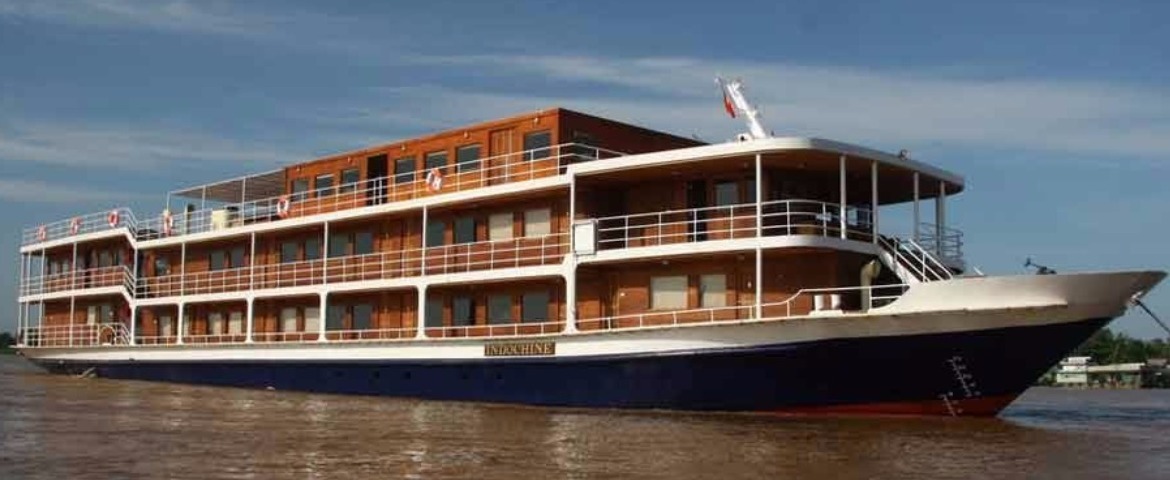
RV Indochine
139 Cruises

| 2 May | 13 nights | One-way from Hanoi to Siem Reap |
450-628-6241
Call us
|
| 2 May | 13 days | One-way from Hanoi to Siem Reap |
450-628-6241
Call us
|
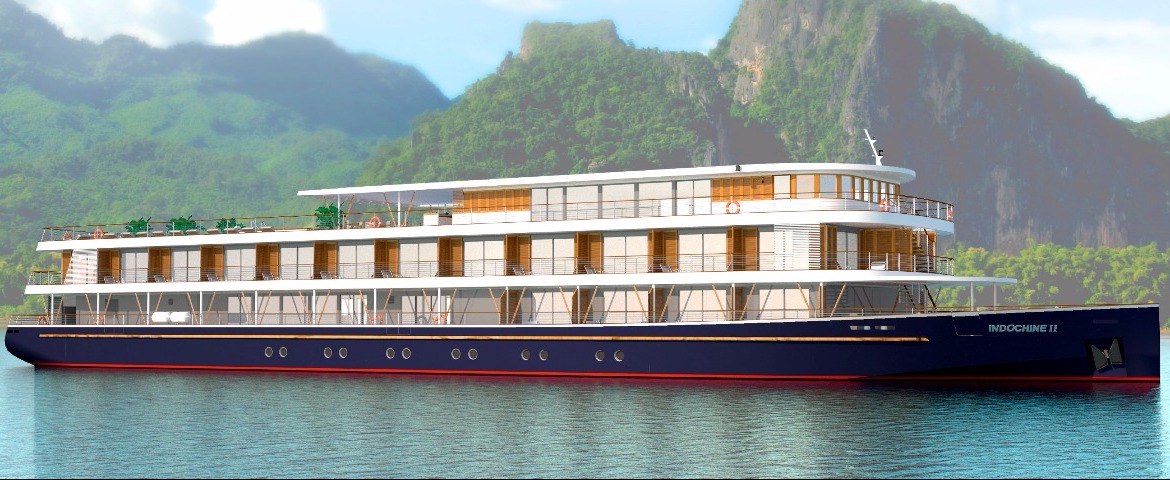
RV Indochine II
81 Cruises
Emerald Waterways (364 Cruises)
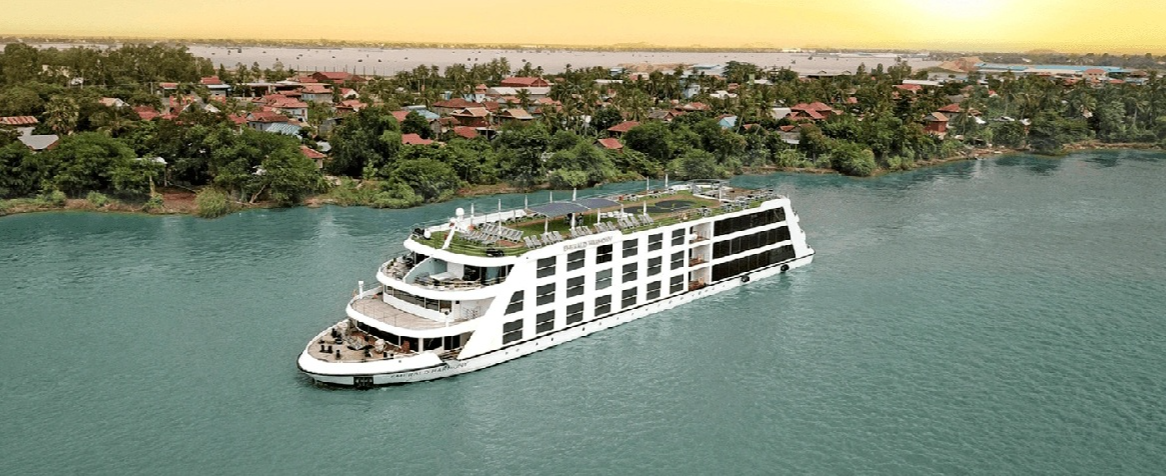
Emerald Harmony
182 Cruises

| 26 July | 18 days | One-way from Hanoi to Saigon |
450-628-6241
Call us
|
| 26 July | 18 nights | One-way from Hanoi to Saigon |
450-628-6241
Call us
|
Emerald Liberte
182 Cruises
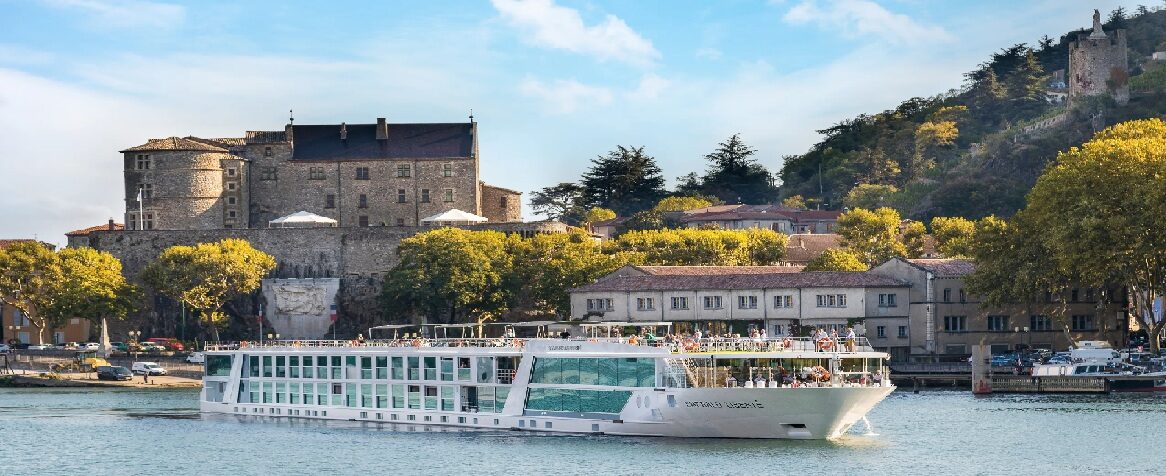
| 26 July | 18 days | One-way from Hanoi to Saigon |
450-628-6241
Call us
|
| 26 July | 18 nights | One-way from Hanoi to Saigon |
450-628-6241
Call us
|
Scenic Cruises (151 Cruises)
Scenic Spirit
151 Cruises


Uniworld Boutique River Cruise (86 Cruises)
Mekong Jewel
86 Cruises



Hanoi | Cruise Port Guide
Frequently Asked Questions
River vessels sailing up the Red River moor on the outskirts of the capital, and a short road transfer reaches the centre. Hanoi is not a sea port: this call belongs to river cruises.
Yes, and it is the only way to understand it. The thirty-six guild streets — Silk Street, Hemp Street, Traditional Medicine Street — unfold at the pace of vendors in conical hats. Take care crossing: the scooters do not stop.
The Old Quarter and Hoan Kiem lake form a coherent, walkable pair. Adding the Temple of Literature, a few minutes away by vehicle, fills the window without racing the clock.
It is the Lake of the Restored Sword, the capital's breathing space. A red lacquered wooden bridge, The Huc, leads to Ngoc Son temple on a shaded islet. Early in the morning the banks belong to tai chi practitioners.
These tube houses run deep behind narrow storefronts because a tax was once calculated on the width of the shopfront, so the story goes. The result gives the Old Quarter its distinctive silhouette.
Yes. Founded in 1070, it housed the country's first university. Stone stelae mounted on tortoises still bear the names of imperial examination laureates, and students continue to pose there in graduation gowns.
It is a lane where homes sit so close to the rails that residents fold away chairs and stalls as the train passes. You watch it from a table over an egg coffee, a local specialty invented here in the 1940s.
The dry season, October to April, is the most pleasant. Summer is hot, humid and stormy, which makes walking the Old Quarter considerably harder.
The Vietnamese dong and Vietnamese. Small notes help in the market streets and for cyclo rides; English is used in hotels and tourist services, less so in local shops.
Yes, a water puppet performance — an art born in the delta's rice paddies, where wooden dragons and fishermen move across a pool to the sound of drums. The banks of Hoan Kiem lake in the evening are also very family-oriented.


