Burnie Tasmania Australia
Australia
44
Cruises availables
At departure or passage at this port
Norwegian Cruise Line (16 Cruises)
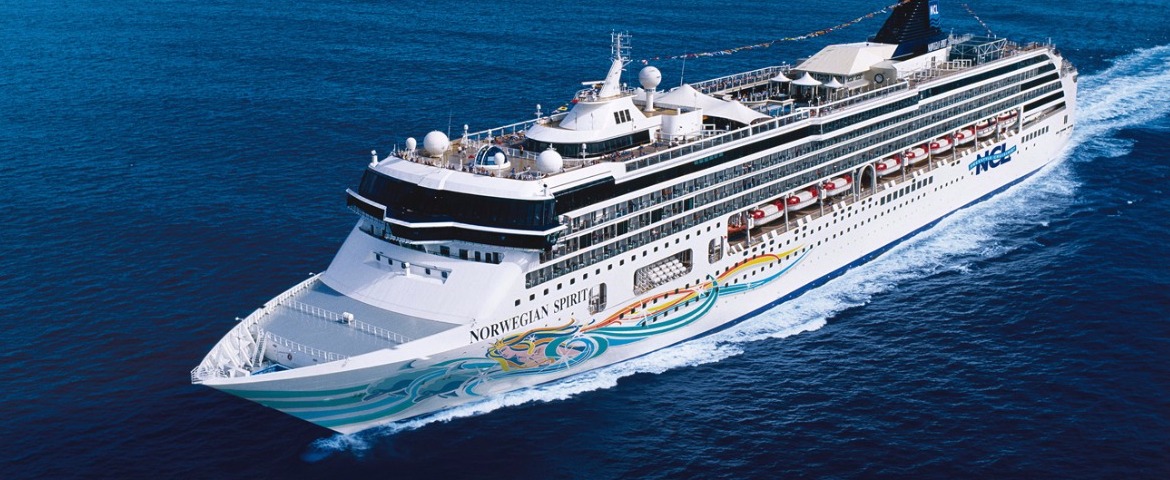
Norwegian Spirit
16 Cruises

| 10 January | 12 days | Round-trip from Sydney, Australia |
From
1135$
|
| 10 January | 16 days | Round-trip from Sydney, Australia |
From
1423$
|
| 25 January | 12 days | One-way from Sydney to Auckland |
From
1696$
|
| 5 February | 12 days | One-way from Auckland to Sydney |
From
1374$
|
| 16 February | 12 days | One-way from Sydney to Auckland |
From
1297$
|
| 27 February | 12 days | One-way from Auckland to Sydney |
From
1268$
|
Oceania Cruises (7 Cruises)
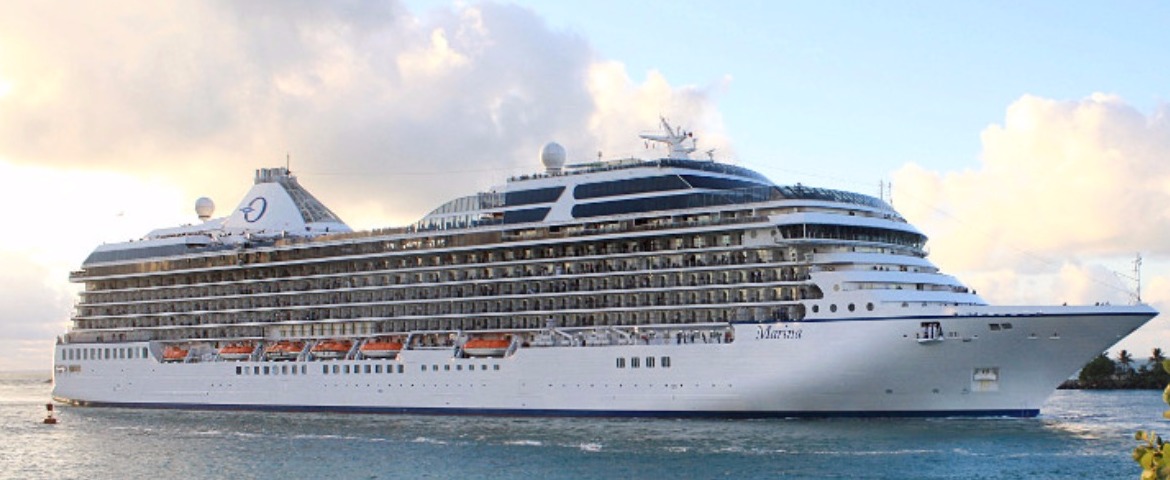

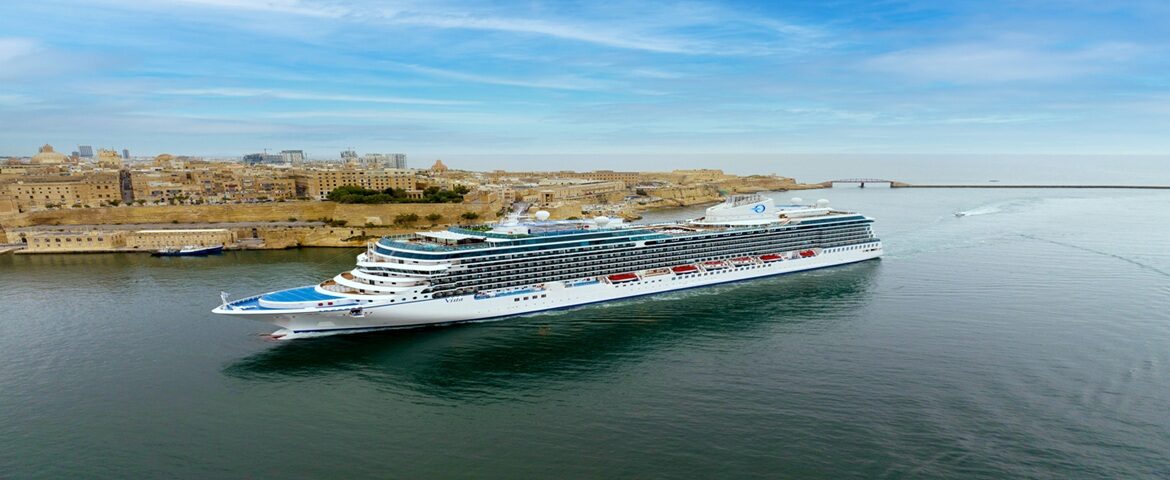
Oceania Vista
5 Cruises
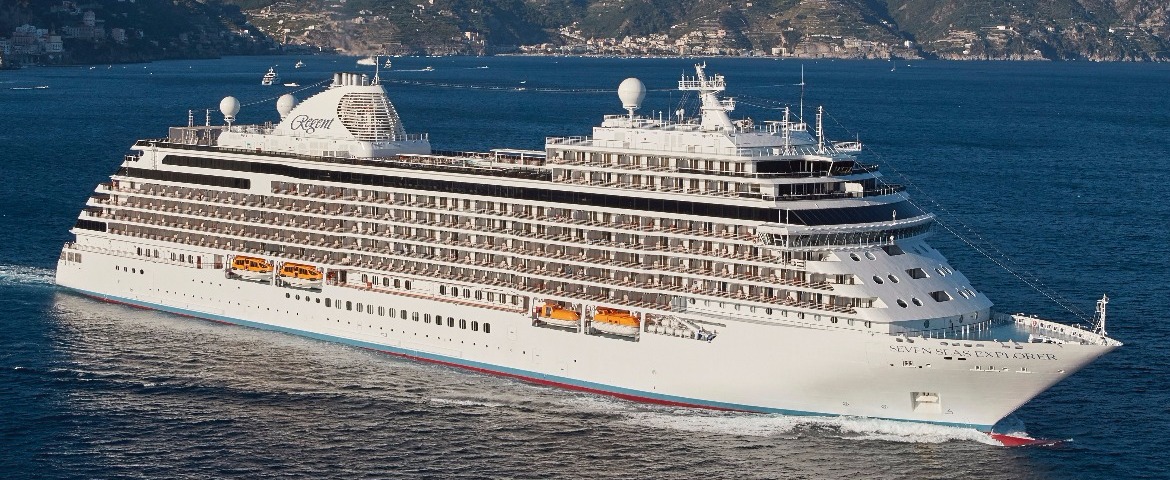

Seabourn Cruise Line (12 Cruises)
Seabourn Quest
12 Cruises
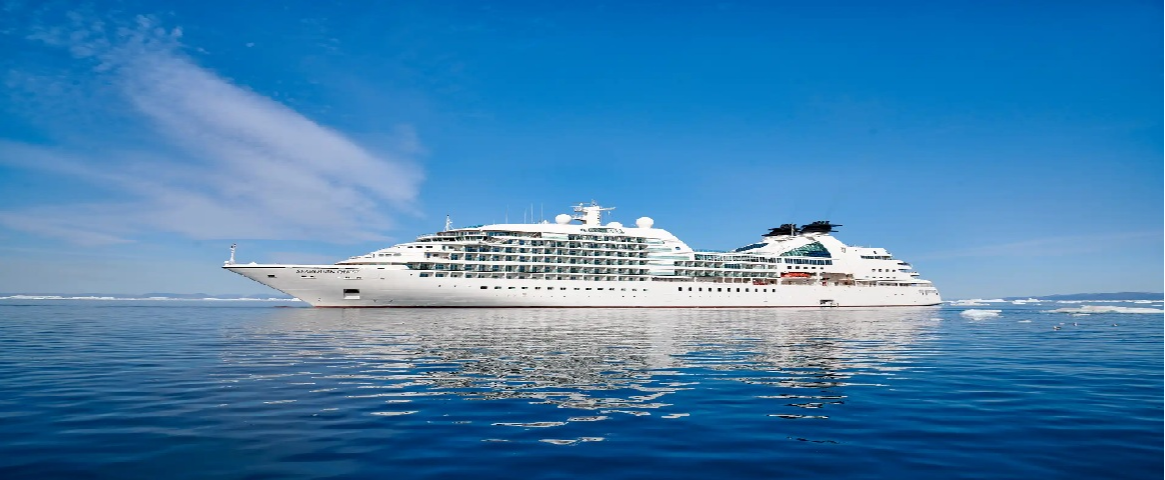
Silversea Cruises (1 Cruises)


Port of Burnie, Tasmania | Cruise Port Guide
Frequently Asked Questions
At Burnie's deep-water port on Emu Bay, about 2 km from the town centre. It's a working commercial port: you step off among cranes, timber logs and containers rather than into a tourist terminal.
Yes, it's about a twenty-minute walk to the first streets. A shuttle usually links the wharf with the main points of interest, including the Makers' Workshop, so the call works well even without a shore excursion.
The classic trio: the Makers' Workshop to watch artisans at work, the boardwalk along the bay to the shopping streets, then West Beach. With time left over, Hellyers Road distillery is a few minutes away by taxi.
Yes, an observation centre at West Beach protects a colony of little penguins, the smallest in the world, nesting in the dunes. Be aware: the birds only return to their burrows at dusk, so a daytime call usually won't let you see them. The boardwalk and interpretive panels still tell their story.
Yes, at Fern Glade along the Emu River, a few kilometres from town. The shaded trail follows the water and platypuses sometimes appear among the roots. It takes patience and silence, and nothing is guaranteed.
Yes if whisky interests you: the distillery is minutes from the port and ages a single malt now exported well beyond Tasmania, with a tasting looking out over the hills. Otherwise, the dairy country's farmhouse cheesemakers make an equally rewarding outing.
The Australian dollar. Credit cards and contactless payment work everywhere, including small shops and cafés; cash is rarely needed.
English, with a Tasmanian accent. Communication is straightforward in shops, taxis and at attractions, though French-language service is very limited.
The southern summer, November through March, when ships call in Tasmania and the days are long and mild. Spring adds the blooms of the Emu Valley rhododendron garden. The southern winter stays cool and windy, and Bass Strait is no calm sea.
Yes, it's an easy, low-stress stop: the waterfront boardwalk, the picnic lawns and the papermaking demonstrations at the Makers' Workshop all appeal to children. There is no headline attraction, though — Burnie trades on being genuine rather than staged.


