Boca da Valeria Brazil Amazon

47 Cruises availables At departure or passage at this port
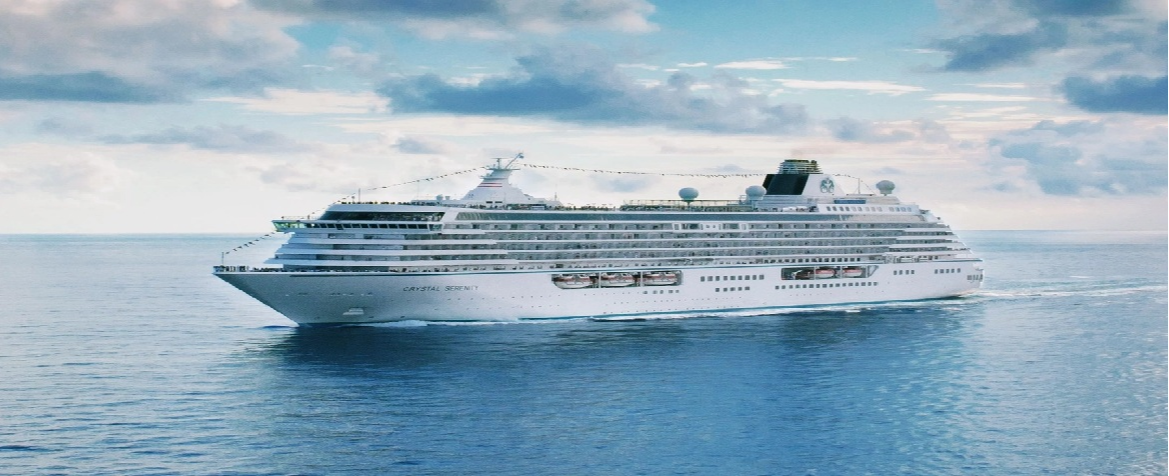
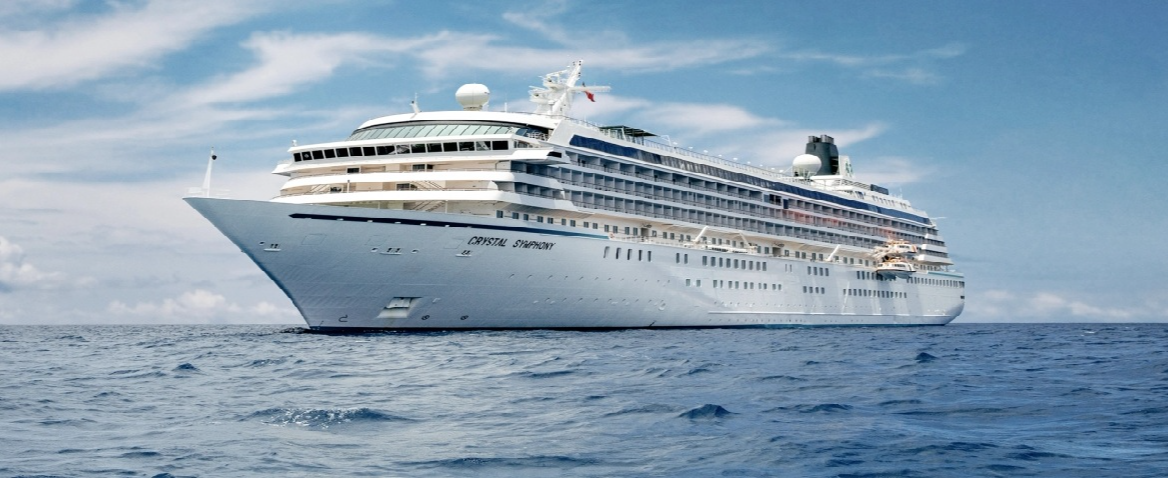
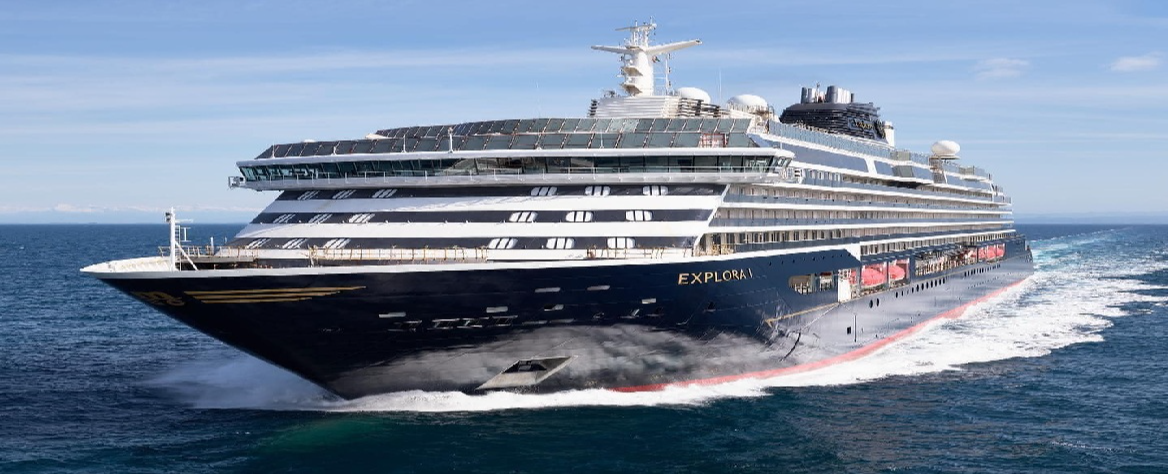
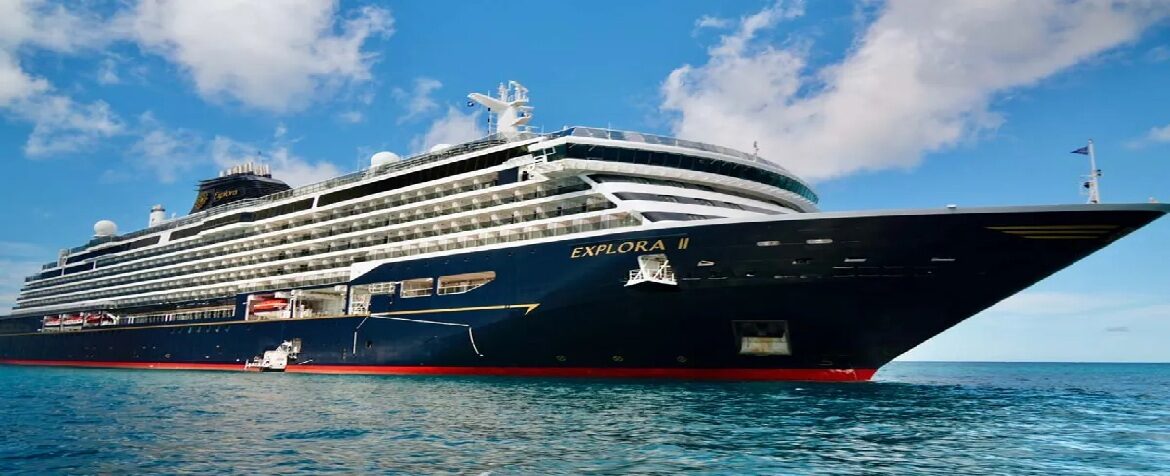
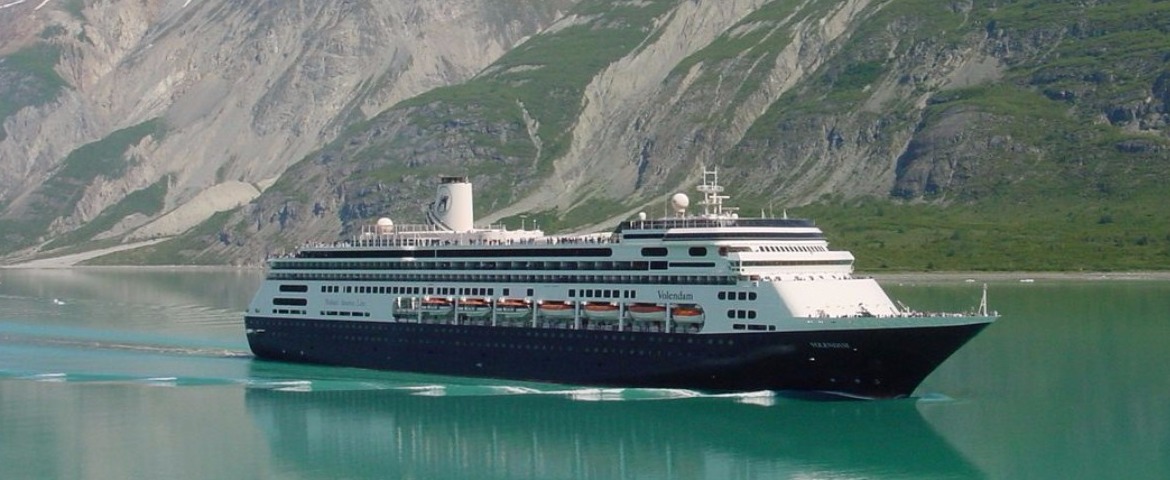
Fewer than a hundred residents on one side, more than a thousand passengers on the other: the encounter seems improbable, and yet it happens. Boca da Valeria sits at the point where the Rio Valeria meets the Amazon, in Brazil, between two curtains of forest. There's no proper dock, no infrastructure: the ship anchors in the current, and small boats bring passengers ashore to a hamlet of stilt houses topped with tin and palm thatch. From the deck, you can already make out the canoes pulling away from the bank to meet the white giant. It's the simplest port call on the entire Amazon itinerary, and often the one most talked about afterward.

A Hamlet That Opens Its Doors

The visit consists of a few packed-earth paths, slippery after the rain. A modest wooden-floored church, a one-room schoolhouse with its desks lined up, a few homes willingly left open: residents let visitors see their daily life without overplaying it. On ship days, the village comes alive, everyone aware that these visits matter to the family economy. It's worth knowing and accepting: the encounter is partly arranged, but the smiles, the subsistence gardens and the laundry drying between two tree trunks all belong to the real life of the river.

The Children and Their Companions

As soon as the small boats land, children come forward, a sloth clinging to an arm, a parrot on a shoulder, or a young capybara on a leash. For a dollar or two, they'll pose for a photo, proud of their animal companions. Everyone will judge the practice according to their own sensibilities; it's part of the reality of the place, and a polite decline, paired with a kind word, is always well received.

By Boat on the Small River

The finest part of the port call plays out on the water. For a few dollars an hour, locals offer their boats and motorized canoes, and you can travel upstream between the flooded banks. Giant water lilies resting on the dark water, herons frozen on tree stumps, isolated houses on their stilts, fishermen pulling in their lines: the landscape drifts by in slow motion, punctuated by birdcalls and the lapping of water against the hull. The boatmen know every branch of the waterway and point out, with a gesture, parrots hidden in the branches. In places, the forest closes in overhead, and everyone lowers their voice without anyone saying to. It's here, moving along the water, that the Amazon stops being scenery and becomes a lived-in world.

Crafts of Seed and Wood

On the riverbank, a few tables display the village's handicrafts: woven baskets, animals carved from wood, necklaces of red and black seeds. Prices stay modest, the money goes directly to the families, and these simple objects sum up the place's raw material well: what the forest provides, shaped by patient hands. A few words of Portuguese, a smile, a purchase made without theatrical haggling: the exchange stays direct, worlds away from the big tourist bazaars. Bringing small bills makes things easier.

What This Stop Teaches

Heading back on board, many passengers find themselves thoughtful. No monument, no museum, no air-conditioned shop; only families who live off the river, sharing an hour or two of their daily life without pretense. Some think back to the school, others to the little church or to the look on a child's face holding their sloth; everyone measures the gap between the two worlds that have just crossed paths. Boca da Valeria is a reminder that a journey isn't measured by the attractions checked off, but by the faces encountered along the way. The ship resumes its course downstream, and the hamlet returns to its silence, until the next white dot appears on the horizon.

Frequently Asked Questions

Nowhere in the literal sense: there is no solid pier. The ship anchors in the current at the point where the Valéria river meets the Amazon, and tenders drop travellers in front of a hamlet of stilt houses.
Fewer than a hundred, against more than a thousand passengers on some ships. The encounter seems improbable, and that is exactly what makes this call memorable.
The visit amounts to a few dirt paths: the modest church with its wooden floor, the one-room school, a few open houses. The finest part happens on the water, in a boat with the villagers.
For a few dollars an hour, villagers offer their motorized boats and canoes. You go up the river between flooded banks: giant water lilies, herons frozen on stumps, isolated stilt houses. The boatmen point out parrots hidden in the branches.
Children approach with a sloth on the arm, a parrot on the shoulder or a young capybara on a lead, and pose for a dollar or two. Each visitor will judge the practice for themselves; a polite refusal with a kind word is always well received.
Partly staged, and it is fair to know that. On ship days the village comes alive, everyone knowing these visits matter to family income. But the smiles, the kitchen gardens and the laundry drying between trunks belong to the real life of the river.
Woven baskets, animals carved from wood, necklaces of red and black seeds, on a few tables set out along the bank. Prices stay modest and the money goes straight to the families.
Yes, and in small notes. There are no established shops and no card terminals: everything is settled in bills, US dollars or reais.
Shoes with grip: the dirt paths turn slippery after rain. A hat, insect repellent and water complete the kit.
No monument, no museum, no air-conditioned shop: only families who live off the river and an hour or two of their daily life, shared without ceremony. It is often the call passengers talk about most afterwards.