Baffin Island Nunavut Canada
184
Cruises availables
At departure or passage at this port
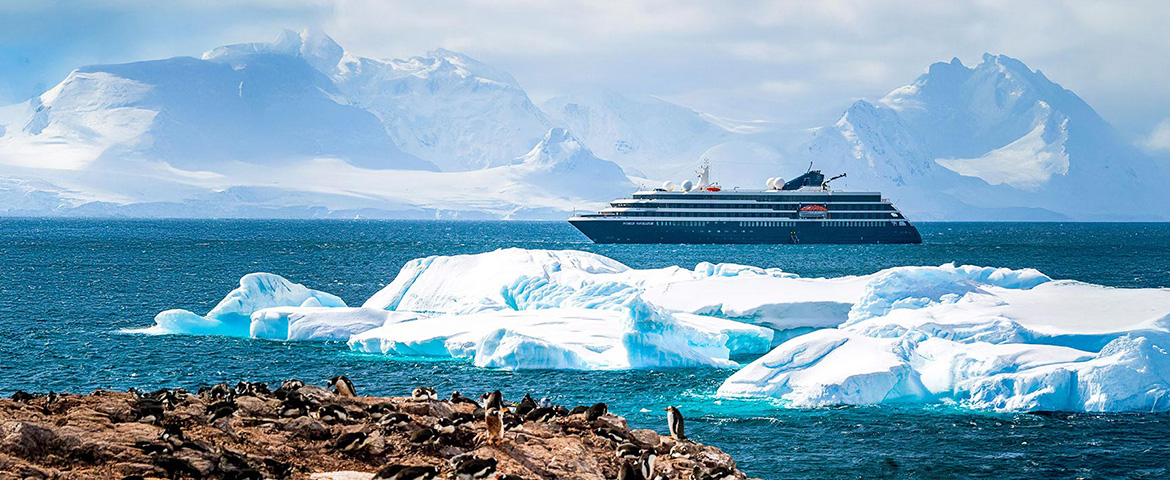
Atlas Ocean Voyages (10 Cruises)
World Navigator
10 Cruises

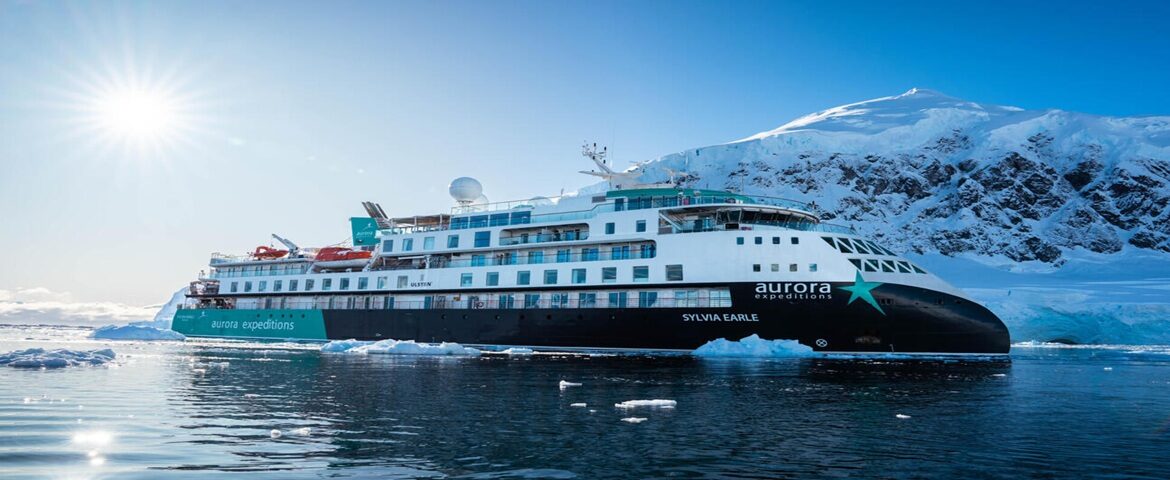
Aurora Expeditions (2 Cruises)

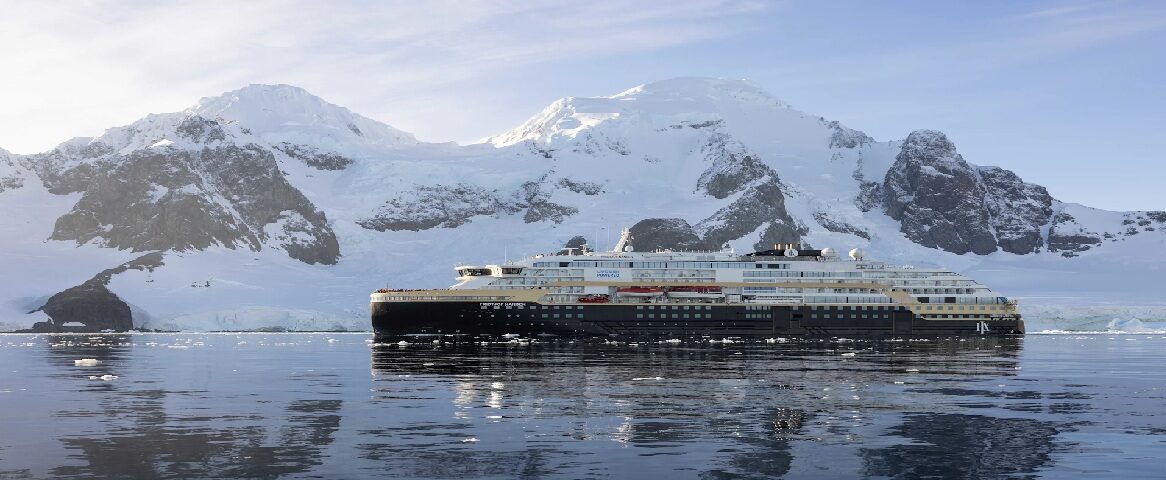
HX Expeditions (5 Cruises)

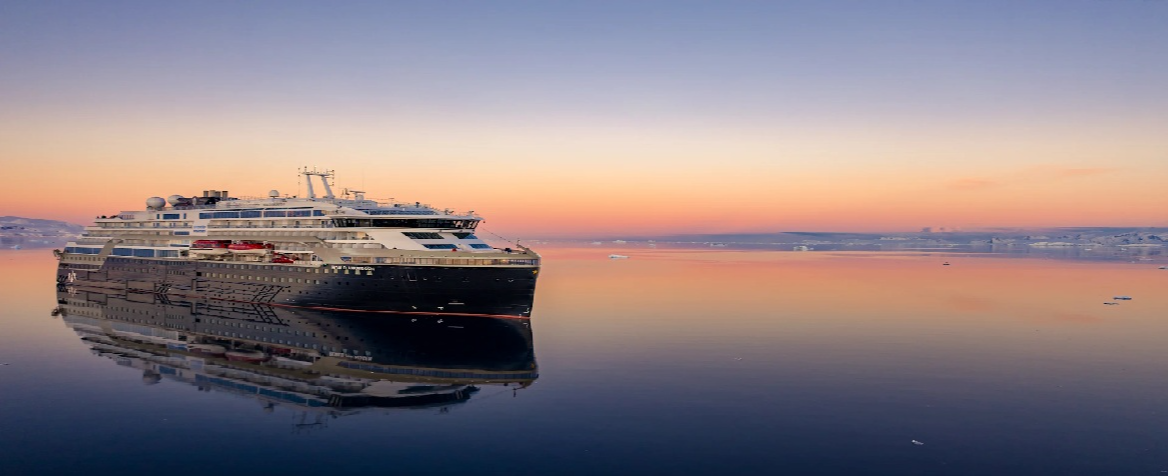
Lindblad Expeditions (15 Cruises)
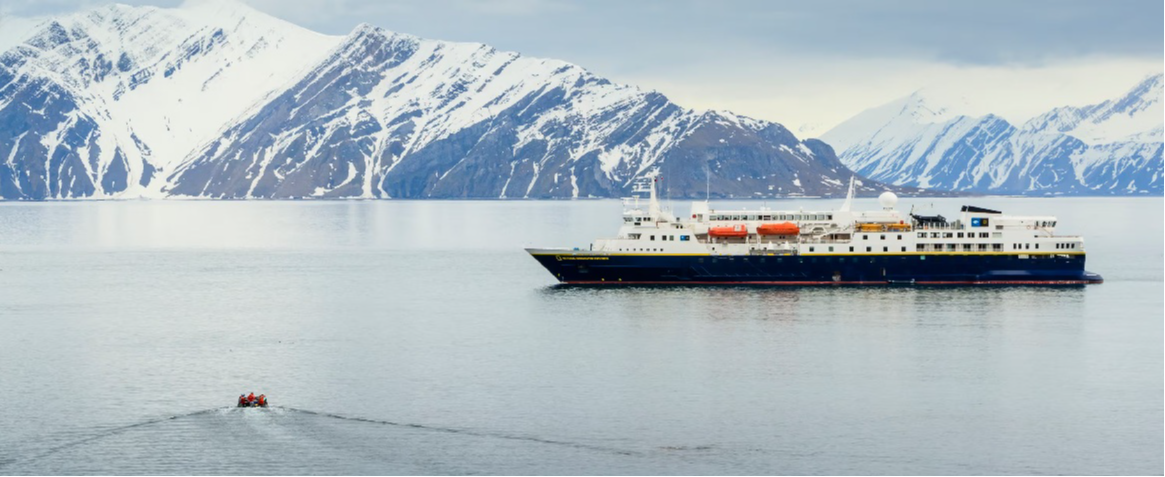

National Geographic Resolution
12 Cruises
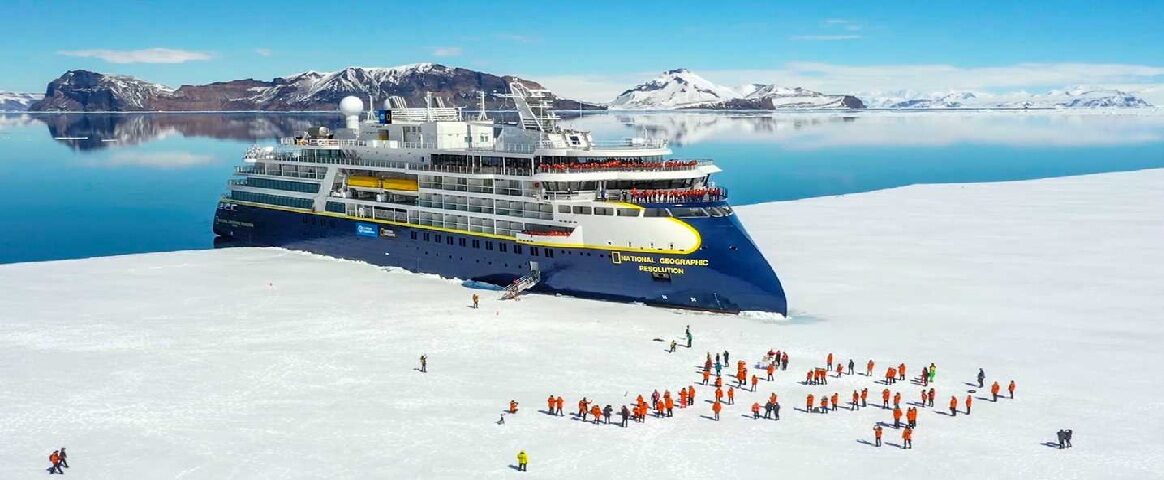
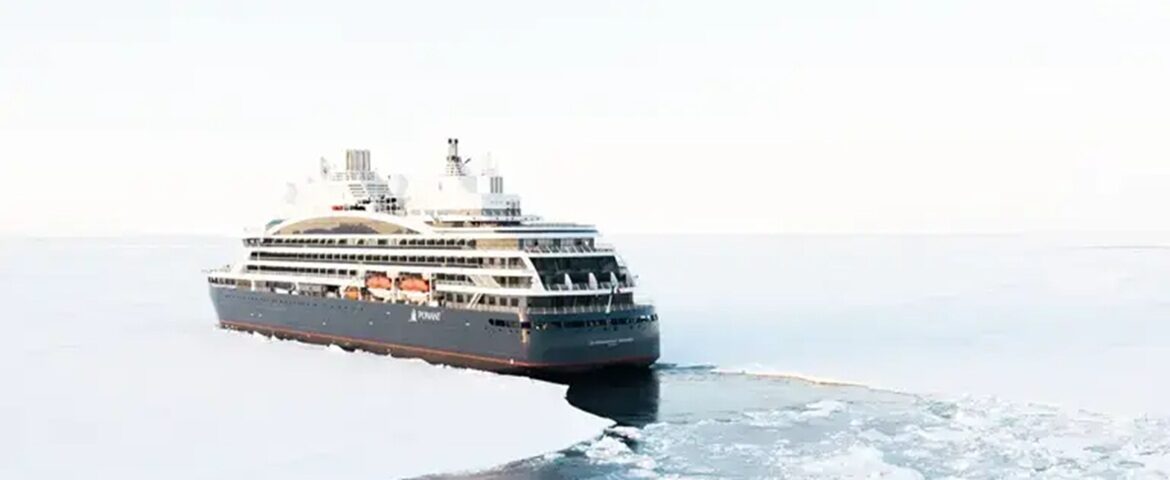
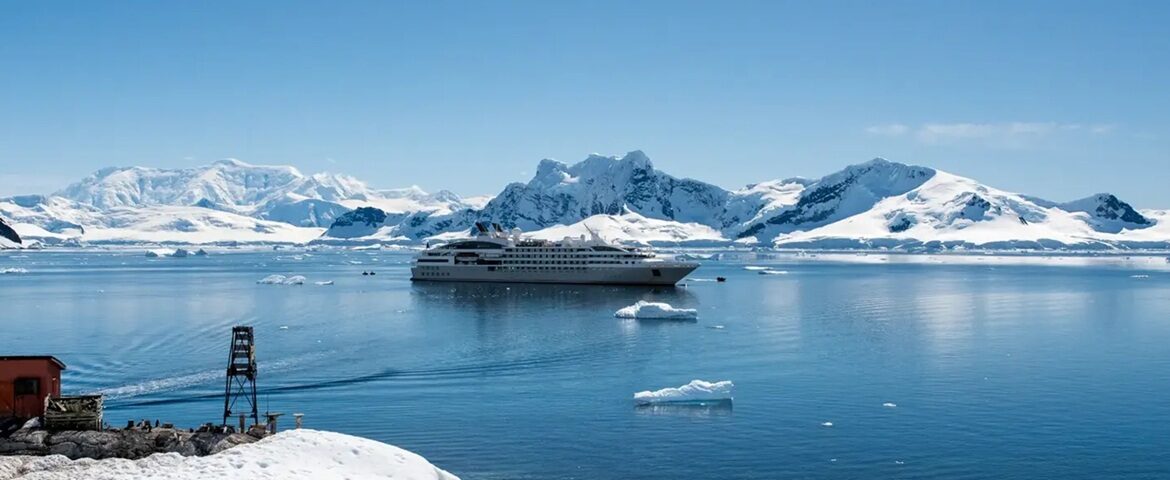
Ponant (14 Cruises)
L'Austral
4 Cruises
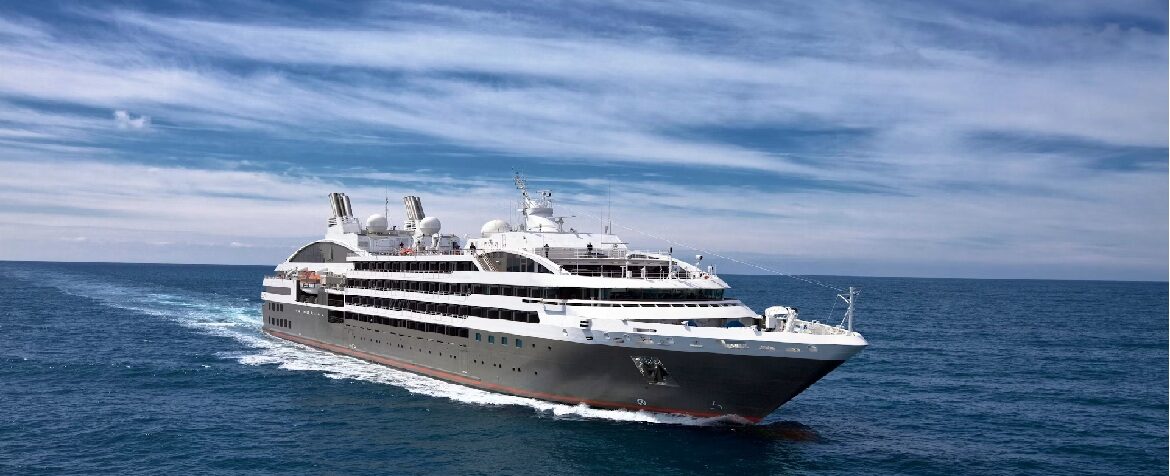

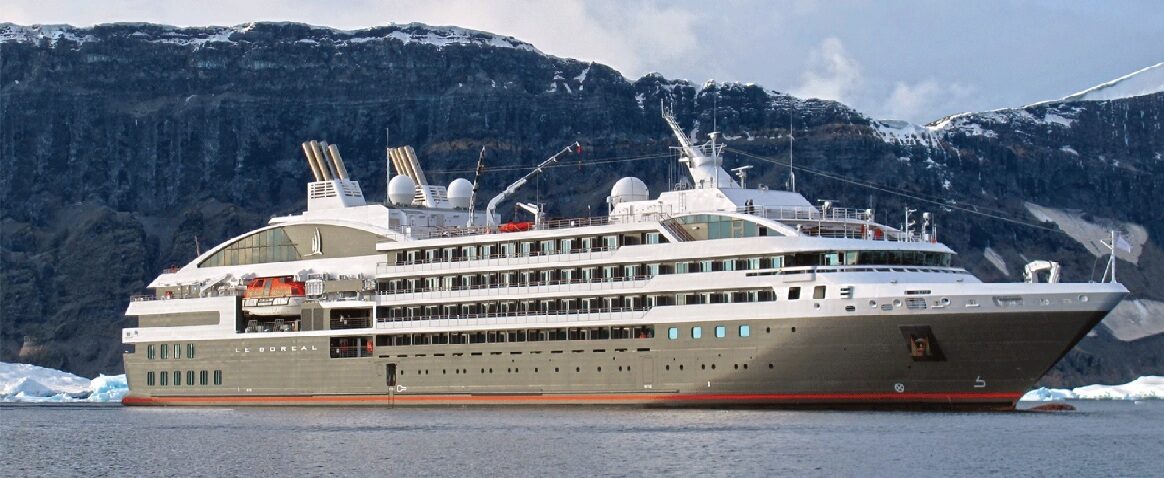
Scenic Cruises (20 Cruises)
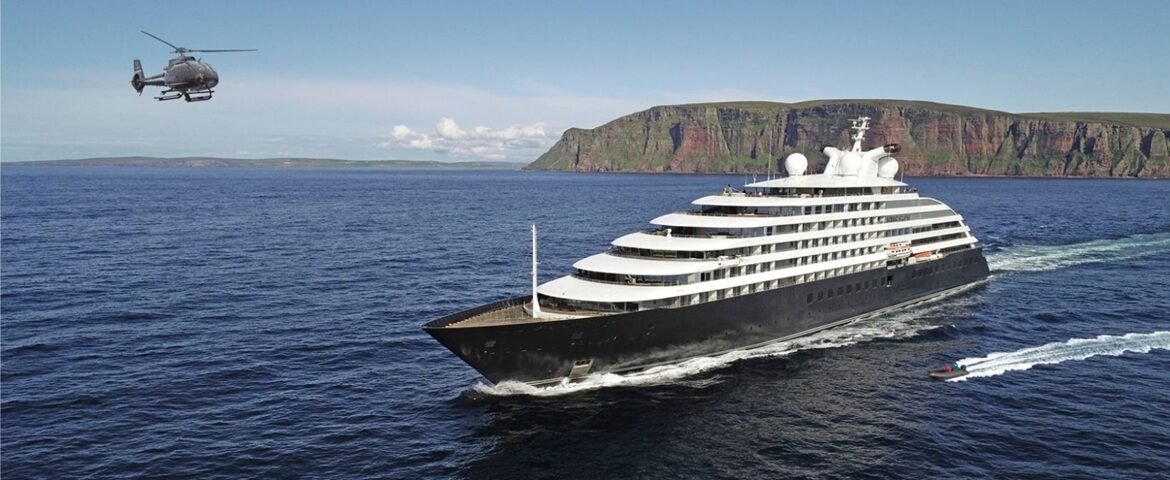
Scenic Eclipse
10 Cruises


Scenic Eclipse II
10 Cruises
Seabourn Cruise Line (60 Cruises)
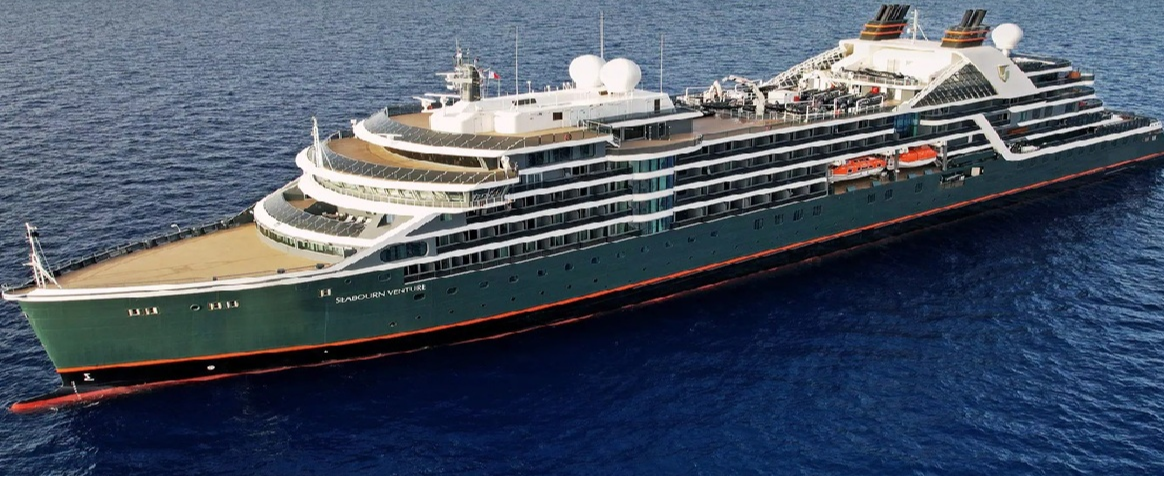
Seabourn Venture
60 Cruises

| 24 April | 68 days | One-way from Lisbon to Kangerlussuaq |
450-628-6241
Call us
|
| 24 April | 83 days | One-way from Lisbon to Reykjavik |
450-628-6241
Call us
|
| 15 June | 16 days | One-way from St Johns NL to Kangerlussuaq |
450-628-6241
Call us
|
| 15 June | 31 days | One-way from St Johns NL to Reykjavik |
450-628-6241
Call us
|
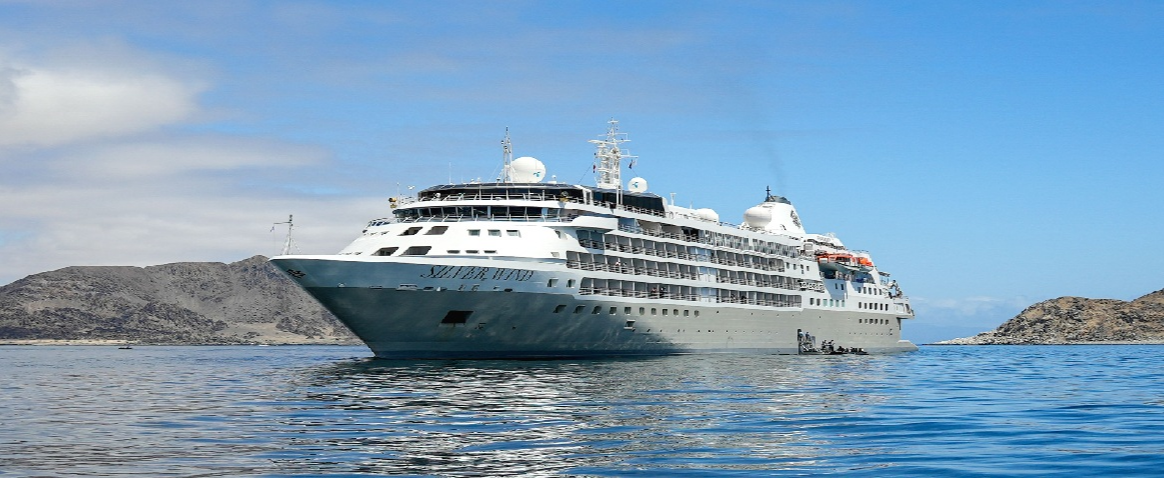
Silversea Cruises (6 Cruises)

Viking Ocean Cruises (52 Cruises)
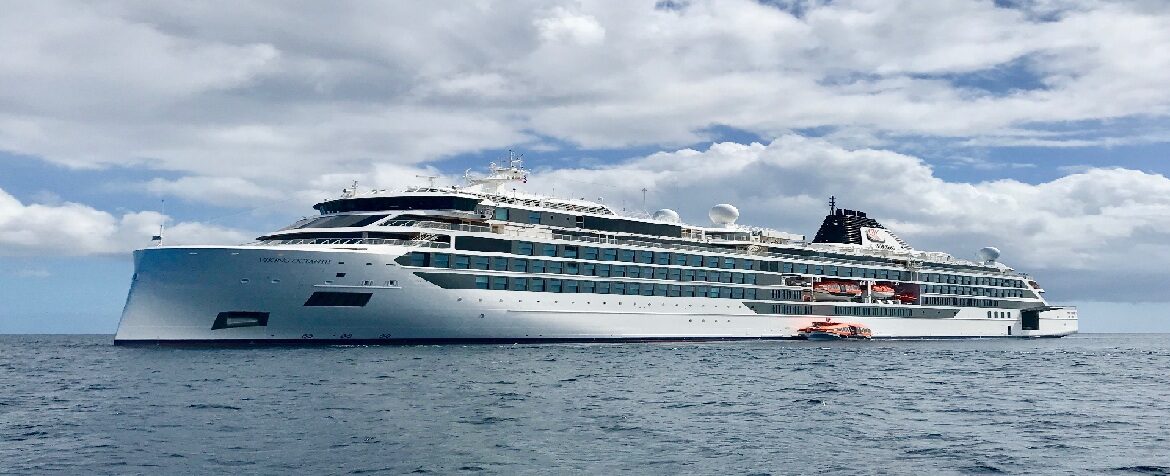
Viking Octantis
34 Cruises

| 27 June | 27 days | One-way from Toronto to Nuuk |
450-628-6241
Call us
|
| 28 June | 25 days | One-way from Toronto to Nuuk |
450-628-6241
Call us
|
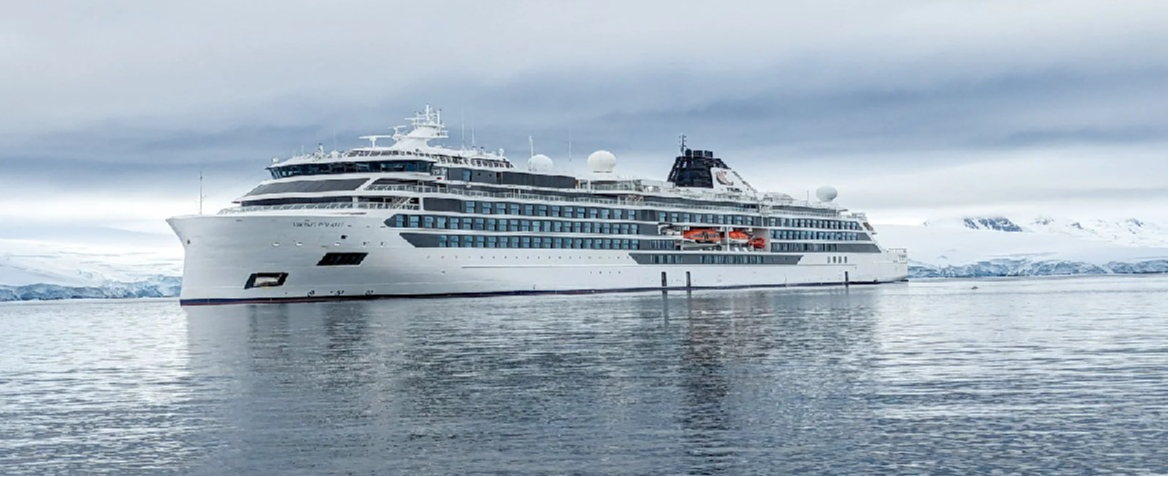
Viking Polaris
18 Cruises
Baffin Island, Canada | Cruise Port Guide
Frequently Asked Questions
No conventional cruise ship calls here in the usual sense. Only expedition vessels venture in, during Nunavut's brief summer, and every landing is by Zodiac, planned by the ship's team of naturalist guides.
It is the fifth largest island in the world. Across the Canadian Arctic it unfolds granite-walled fjords, ice caps and coasts where icebergs the size of buildings drift by.
Some of the most spectacular fjords on the planet, such as Sam Ford Fiord, where stone walls rise vertically above dark water. Zodiacs thread between floating ice, and waterfalls drop straight into the sea from the heights.
Polar bears along the shores and ice floes, walrus in noisy colonies, belugas in the bays. The prize for watchers remains the narwhal, the whale with the long spiralled tusk, found notably in the waters of Buchan Gulf.
Iqaluit, the territorial capital, often serves as the embarkation or disembarkation point. Itineraries also call at Pond Inlet, facing the glaciers of Bylot Island, and Pangnirtung at the head of Cumberland Sound, known for its tapestries and prints.
A park reached from Pangnirtung whose name means 'the land that never melts' in Inuktitut. Its granite peaks draw hikers and climbers from around the world.
The brief Arctic summer, late June to late August, the only window when the ice allows navigation. At the height of summer the sun barely dips below the horizon and days stretch out in golden light.
In layers, with a waterproof windbreaker, hat, gloves and waterproof boots: Zodiac landings get wet, and the fjord wind cuts even in July. Expedition ships usually supply the parka and boots.
You need to be comfortable with uncertainty. Landings depend on ice, weather and the presence of bears; the programme often changes en route. Walking on tundra is uneven, and there is no tourist infrastructure at all.
In summer the tundra fills with tiny flowers, saxifrage and Arctic poppies, spots of colour at the foot of the ice. A trained eye also picks out Arctic foxes, hares and sometimes caribou, while the cliffs hum with seabirds in nesting season.


