Arica Chile
Chile
50
Cruises availables
At departure or passage at this port
Azamara Club Cruises (6 Cruises)
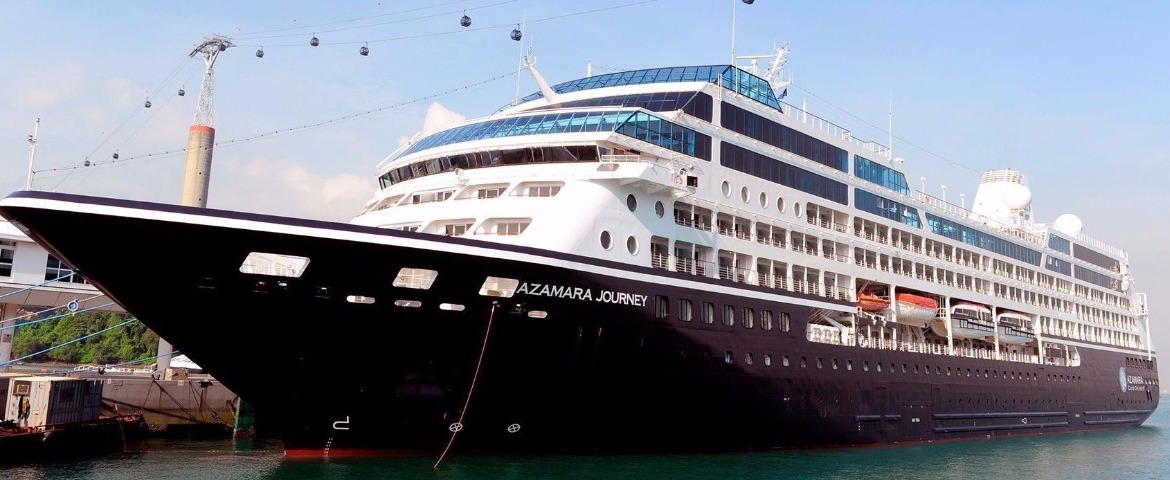
Azamara Journey
6 Cruises

| 14 January | 75 days | Round-trip from Miami, USA |
450-628-6241
Call us
|
| 14 January | 74 days | Round-trip South America Azamara Journey Miami Fl |
450-628-6241
Call us
|
Cunard (12 Cruises)
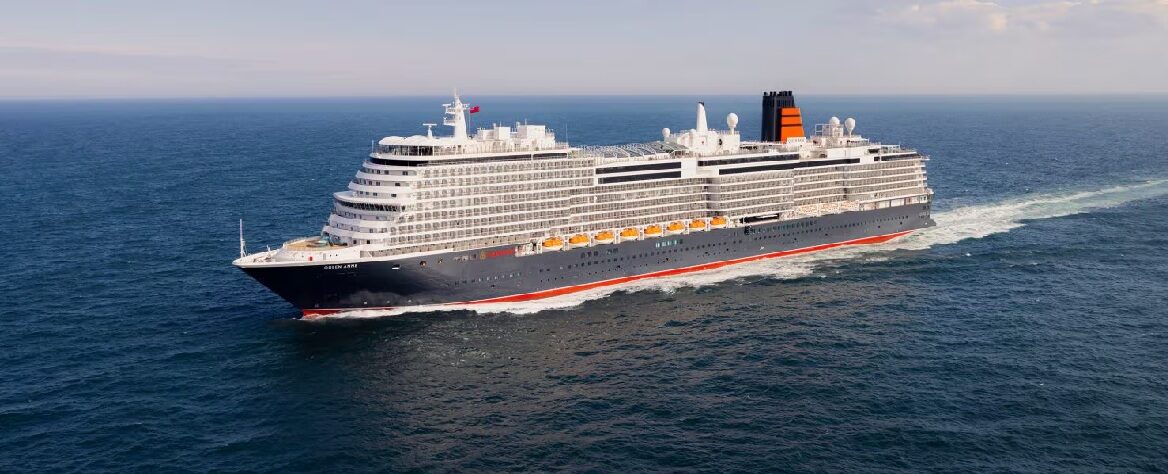
Queen Anne
12 Cruises

Holland America Line (12 Cruises)
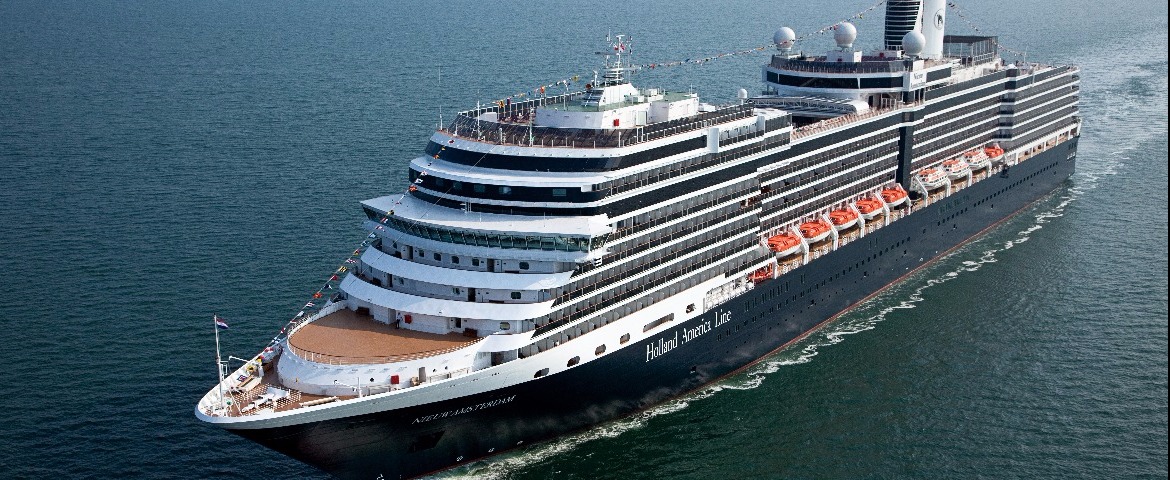
ms Nieuw Amsterdam
6 Cruises

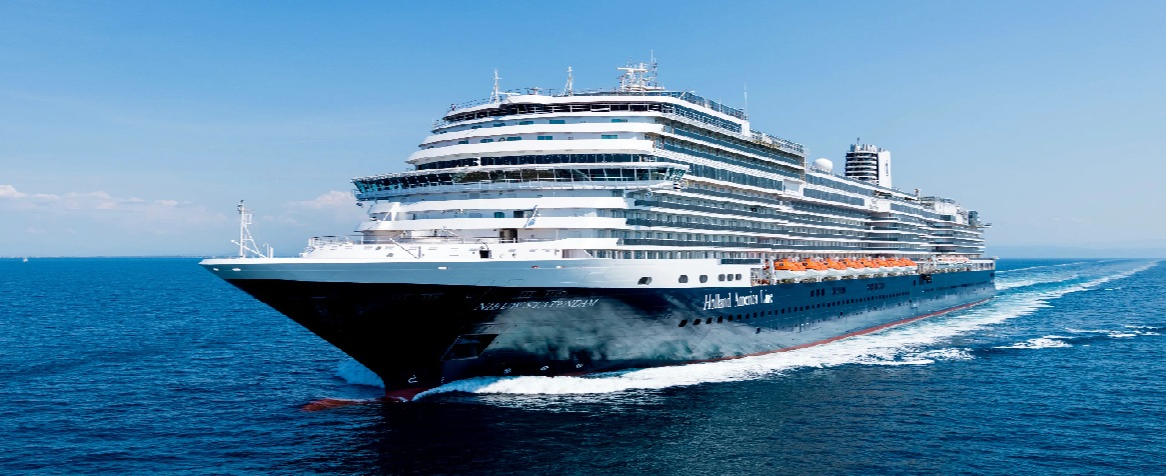
ms Nieuw Statendam
6 Cruises
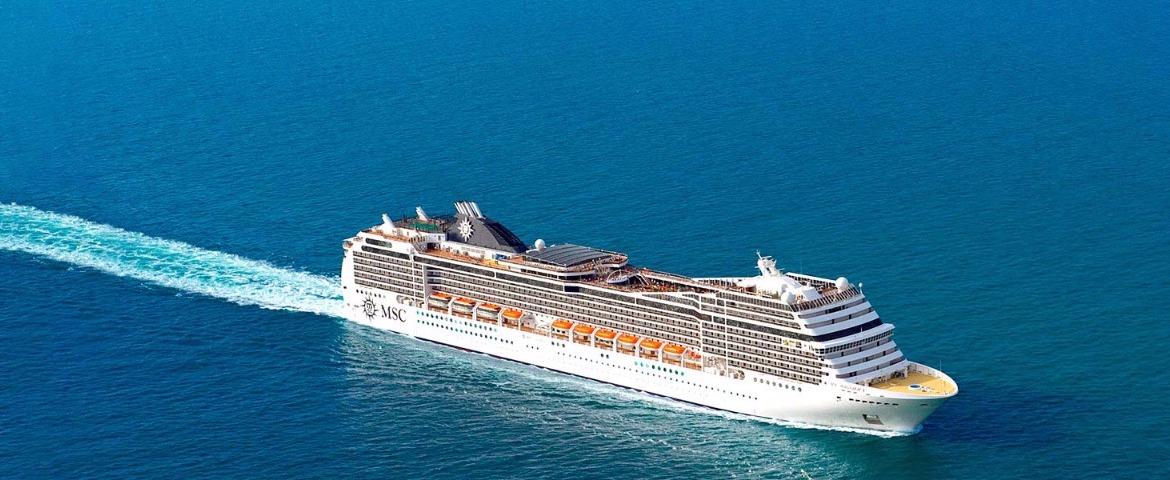
MSC Cruises (4 Cruises)

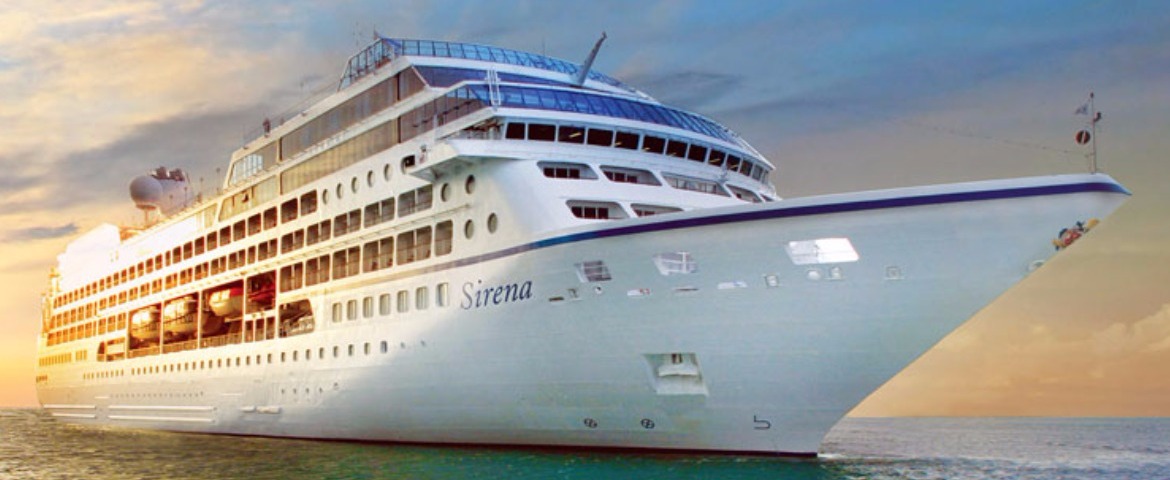
Oceania Cruises (4 Cruises)
Oceania Sirena
4 Cruises

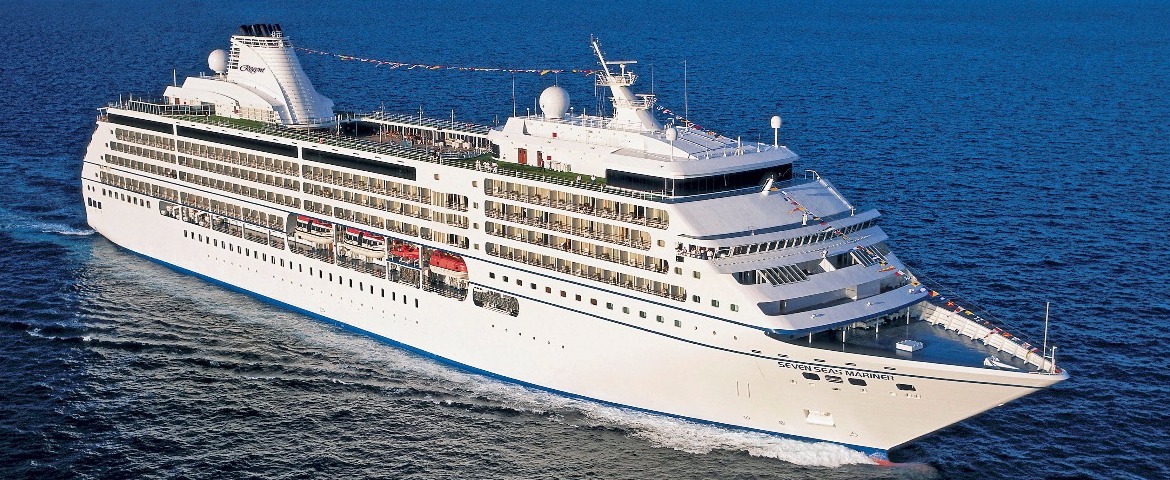
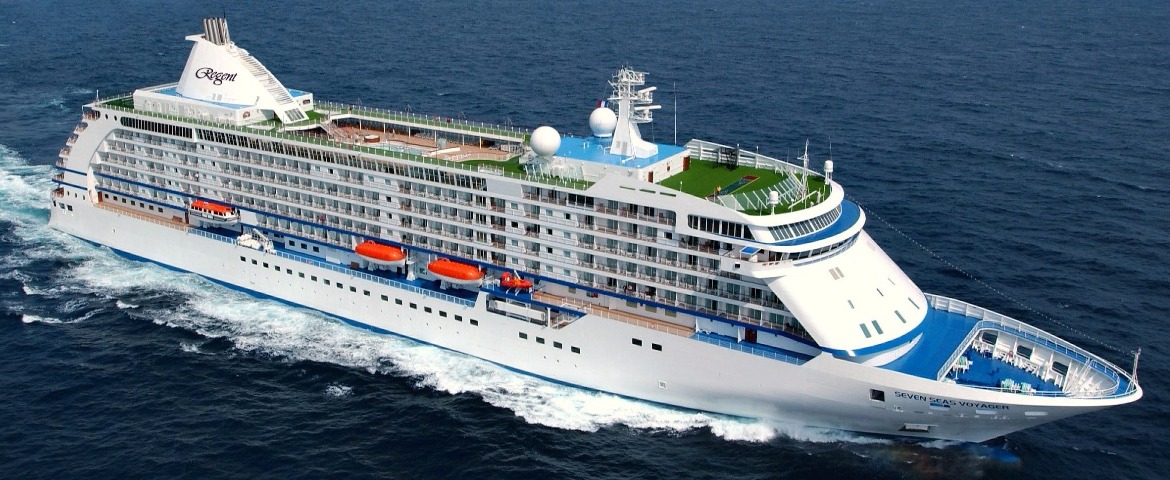
Regent Seven Seas Cruises (8 Cruises)
Seven Seas Mariner
5 Cruises

Silversea Cruises (4 Cruises)
Silver Ray
4 Cruises

Port of Arica, Chile | Cruise Port Guide
Frequently Asked Questions
At the port of Arica, about two kilometres from downtown. A shuttle or taxi covers the distance in minutes. The brown headland you see from the deck, El Morro, serves as your landmark for the whole day.
A hundred-metre rock looming over the rooftops and the port. It was here, in 1880, that one of the decisive battles of the War of the Pacific was fought, transferring the region from Peru to Chile. A huge Chilean flag flies at the top.
Yes, a path climbs from the centre and a road also leads up. The ascent takes effort under the sun, but the payoff is clear: the coast unrolls on both sides and the city spreads between ocean and ochre hills.
The centre on foot including San Marcos cathedral, the climb up El Morro, then a taxi round trip to the Azapa museum. All three fit a well-run half day, the museum being about twenty minutes away.
Because it was designed by Gustave Eiffel's workshops and prefabricated in France, then inaugurated in 1876 after an earthquake destroyed its predecessor. This iron church with painted metal panels looks light, almost like lacework.
The Chinchorro mummies, prepared more than seven thousand years ago, well before those of Egypt. The faces coated in black or red clay are among the oldest funerary remains ever found. The museum sits about twelve kilometres from the centre.
Yes, though the water stays cool thanks to the Humboldt Current. El Laucho and La Lisera beaches, south of the rock, are popular with local families; the long Chinchorro beach to the north draws walkers and beginner surfers.
Mild and steady year-round: the city is nicknamed the city of eternal spring. It almost never rains, Arica sitting at one of the driest points on earth, where the Atacama desert meets the Pacific.
The Chilean peso and Spanish. English is little used outside hotels, French almost not at all. The pedestrian street 21 de Mayo concentrates cafes, juice vendors and shops where cards generally work.
Its border-city character, where fishermen, caravan traders and olive growers have crossed paths for millennia. The Azapa valley draws a green ribbon through the desert, and sea lions fight over scraps near the fishing harbour. This is an older, drier Chile.


