Beagle Channel Glacier Alley, Chile Patagonia
Chile
104
Cruises availables
At departure or passage at this port
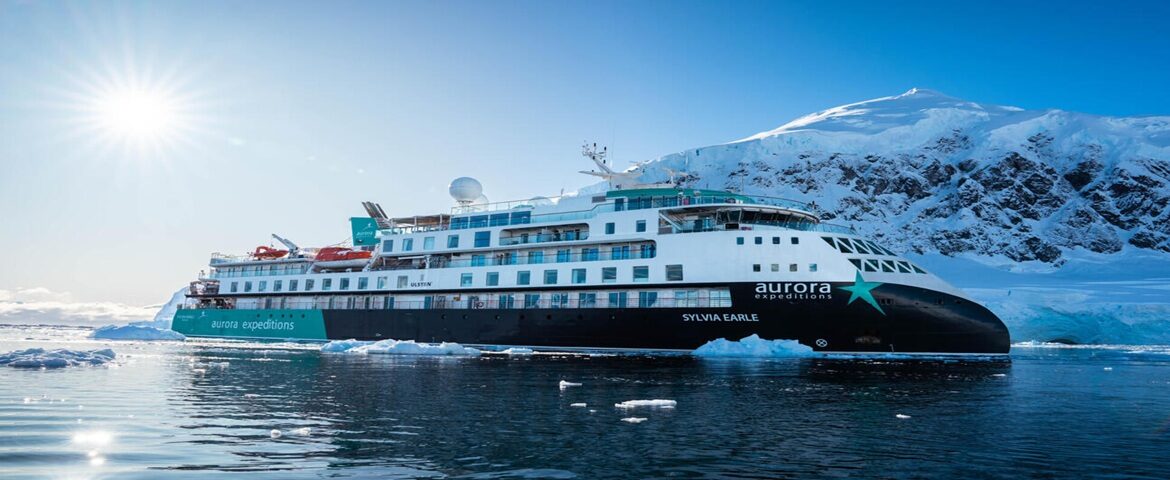
Aurora Expeditions (1 Cruises)

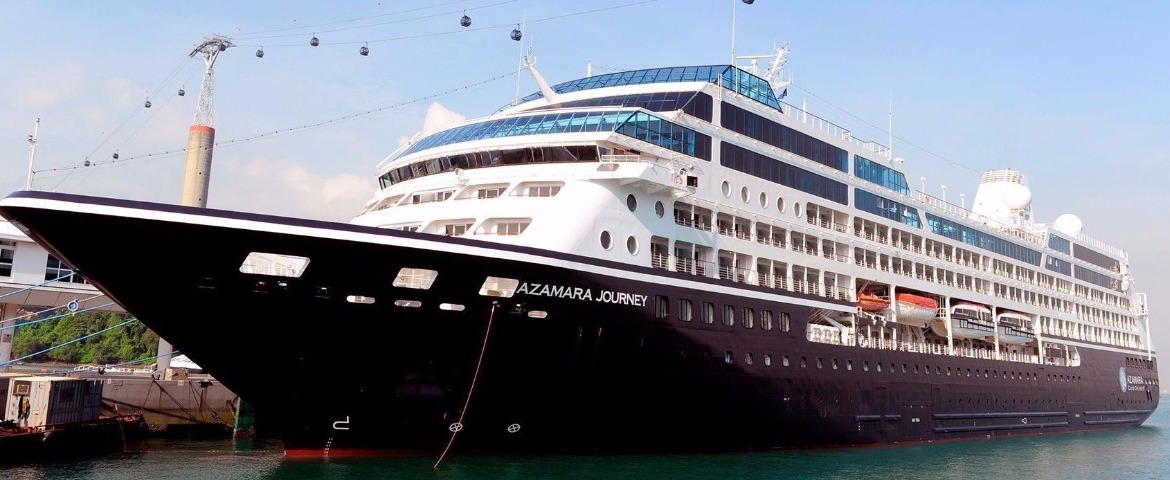
Azamara Club Cruises (3 Cruises)

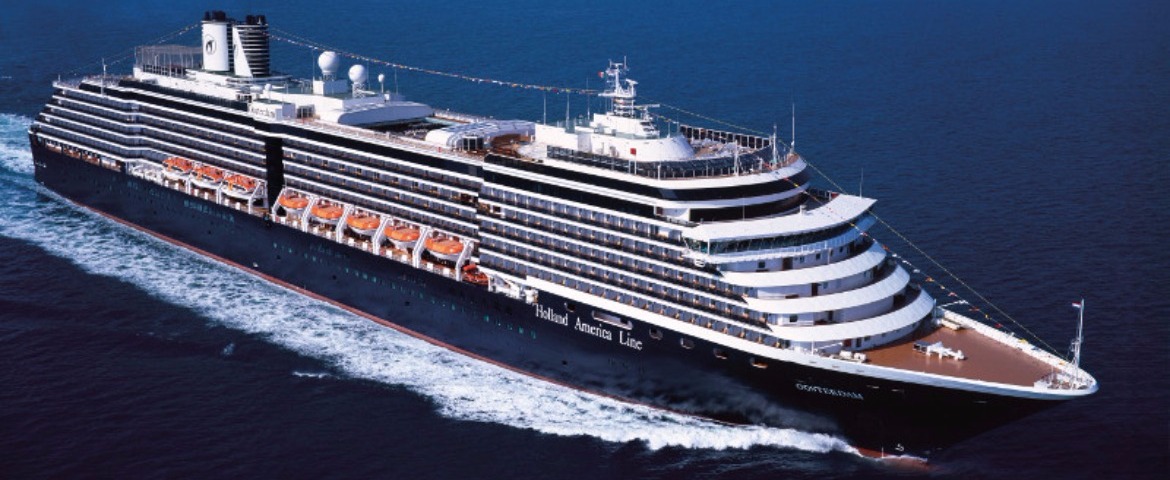
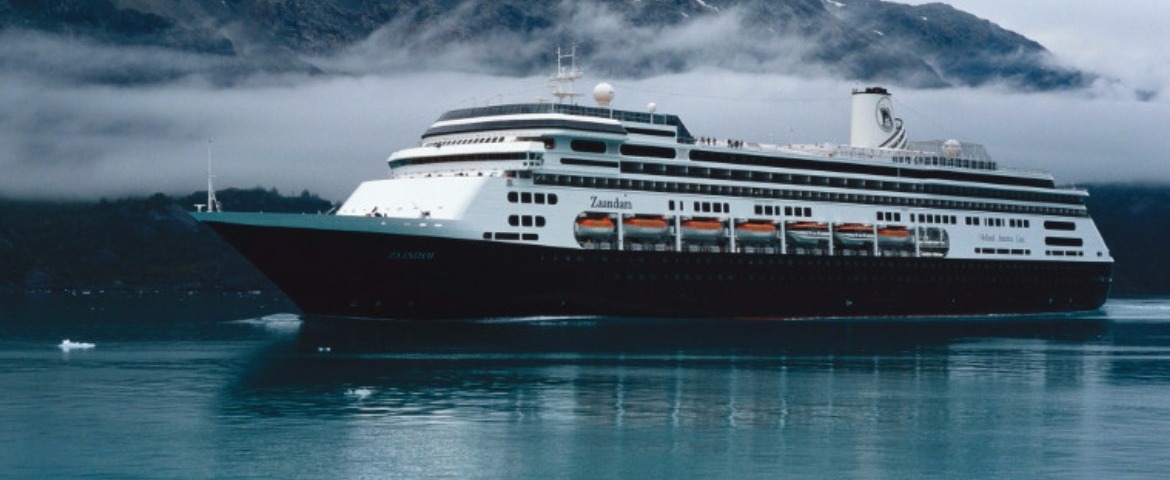
Holland America Line (32 Cruises)
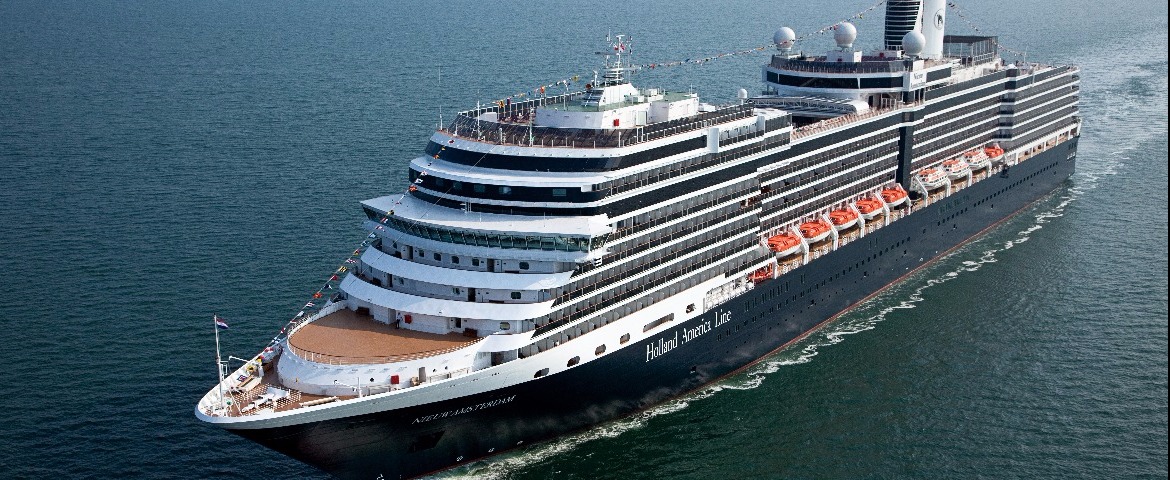
ms Nieuw Amsterdam
11 Cruises

| 7 October | 41 days | One-way from Vancouver to Buenos Aires |
450-628-6241
Call us
|
| 12 October | 36 days | One-way from San Diego to Buenos Aires |
450-628-6241
Call us
|
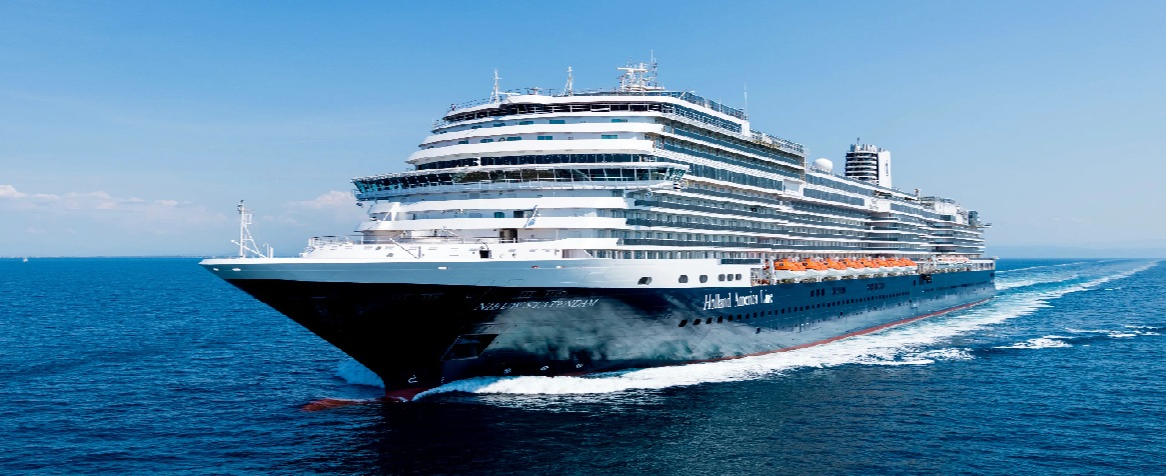
ms Nieuw Statendam
11 Cruises
| 7 October | 41 days | One-way from Vancouver to Buenos Aires |
450-628-6241
Call us
|
| 12 October | 36 days | One-way from San Diego to Buenos Aires |
450-628-6241
Call us
|
ms Oosterdam
8 Cruises
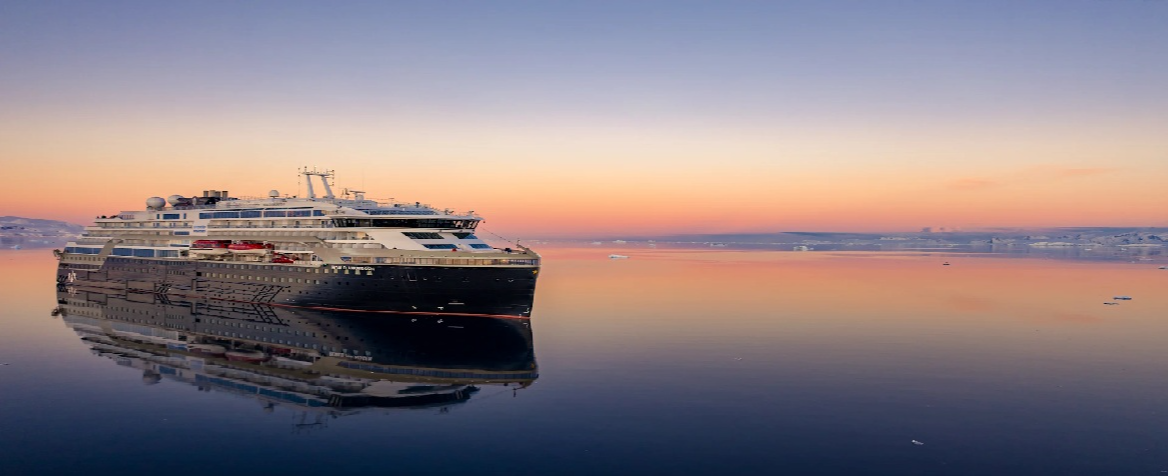
HX Expeditions (2 Cruises)


Princess Cruises (6 Cruises)

Scenic Cruises (16 Cruises)
Scenic Eclipse
8 Cruises


Scenic Eclipse II
8 Cruises
Viking Ocean Cruises (41 Cruises)
Viking Octantis
23 Cruises

Viking Polaris
18 Cruises
| 26 February | 42 days | One-way from Buenos Aires to Fort Lauderdale |
450-628-6241
Call us
|
| 27 February | 40 days | One-way from Buenos Aires to Fort Lauderdale |
450-628-6241
Call us
|
| 28 March | 14 days | One-way from Buenos Aires to Valparaiso-Santiago |
450-628-6241
Call us
|
| 29 March | 12 days | One-way from Buenos Aires to Valparaiso-Santiago |
450-628-6241
Call us
|
Beagle Channel, Chile | Cruise Port Guide
Frequently Asked Questions
No. The Beagle Channel is a scenic cruising day: no terminal, no excursions, no gangway lowered. The show comes to the ship, and a warm coat plus a spot on deck is all you need to enjoy it fully.
A run of glaciers descending from the Darwin Cordillera icefield along the channel's northwest arm. Cartographers named them after European countries: Alemania, Francia, Holanda, Italia, Romanche. Captains usually slow down in front of each one.
Often early in the morning. The daily programme gives the timing the night before: set an alarm accordingly, even if you go back to sleep afterward. Sleeping through the passage is this day's classic regret.
In layers, with a windbreaker, hat and gloves. The southern wind bites even in midsummer. The best approach is alternating between the open deck and the glassed-in lounges with a hot drink in hand.
After the British ship that surveyed it between 1826 and 1830, later returning with a young naturalist named Charles Darwin. He recorded the violence of the winds and the beauty of the ice in his notebooks; nothing has changed since.
Yes, especially with binoculars: albatrosses and petrels in the wake, sea lion colonies on the rocks, sometimes a whale's blow. The naked eye barely catches what binoculars reveal, so bring a pair if you have one.
Yes, provided you stay outside. Southern light shifts minute by minute: better to be on deck through the narrow passages than to wait for the perfect shot behind a window, where reflections spoil most images.
Sometimes, and it is striking. The ice fronts fall from walls that top 300 metres in places. When a slab breaks away, the rumble rolls across the water several seconds after the fall, and everyone falls silent.
Almost no one today: no roads, no visible human trace. Yet these shores were home for millennia to the Yagan people, who moved by canoe between the islands, keeping a fire burning on board against the cold.
Many travellers rank it as the high point of their South American cruise. You expect a routine sea day and instead cross one of the planet's last great untouched landscapes. The Beagle Channel is not visited: it is watched.


