Chiloe Island Chile Castro
Chile
86
Cruises availables
At departure or passage at this port
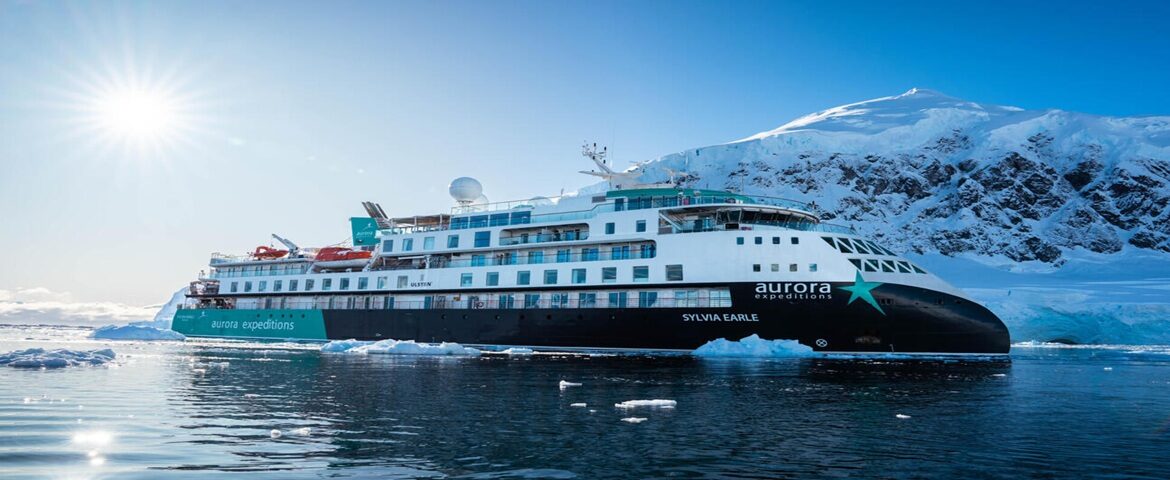
Aurora Expeditions (1 Cruises)

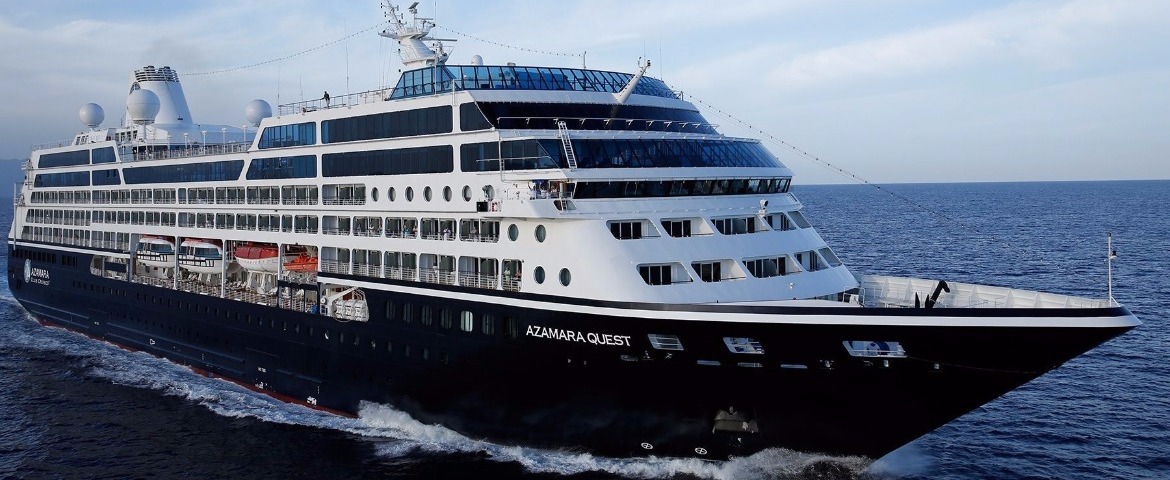
Azamara Club Cruises (14 Cruises)
Azamara Quest
14 Cruises

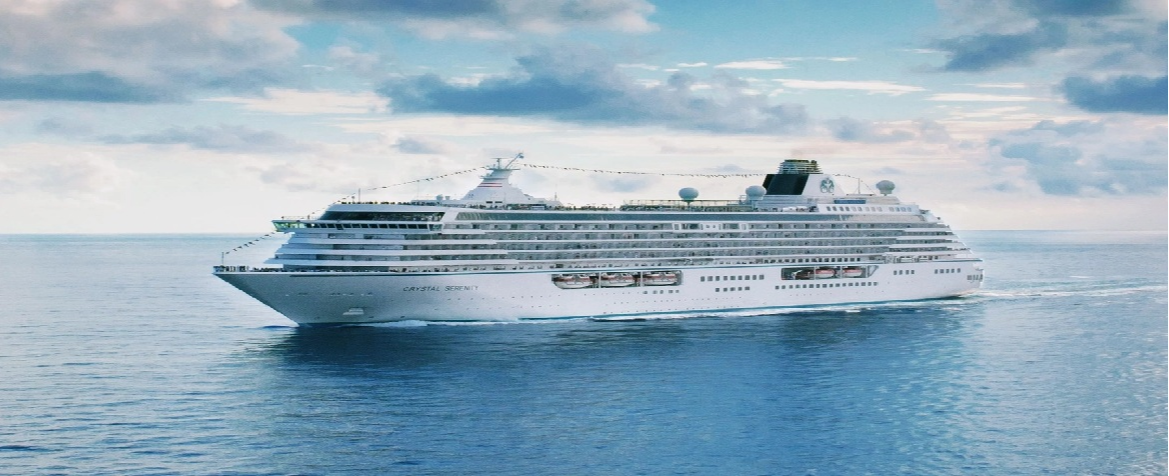
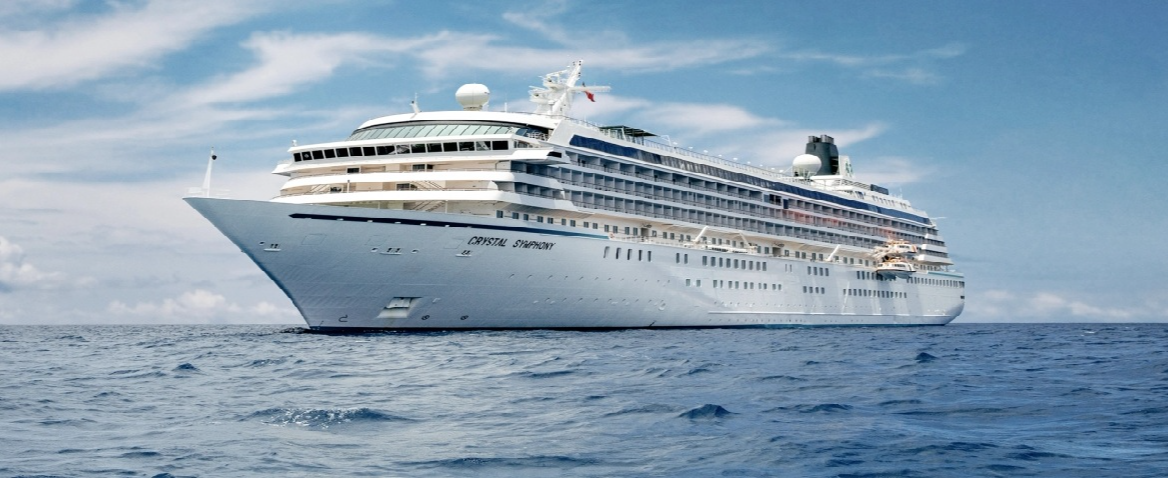
Crystal Cruises (11 Cruises)
Crystal Serenity
8 Cruises

| 12 October | 72 days | One-way from New York to Fort Lauderdale |
450-628-6241
Call us
|
| 12 October | 71 days | One-way from New York to Fort Lauderdale |
450-628-6241
Call us
|
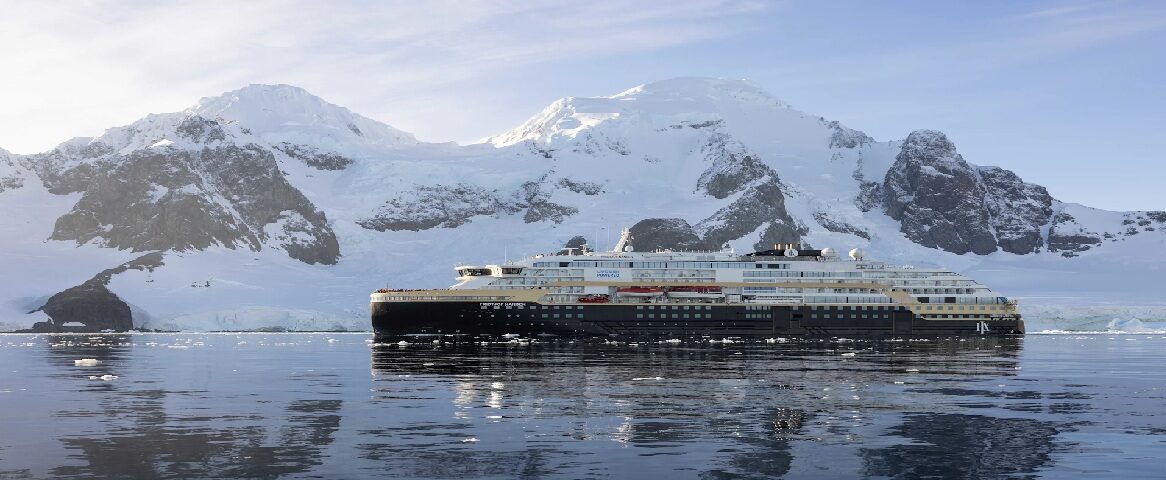
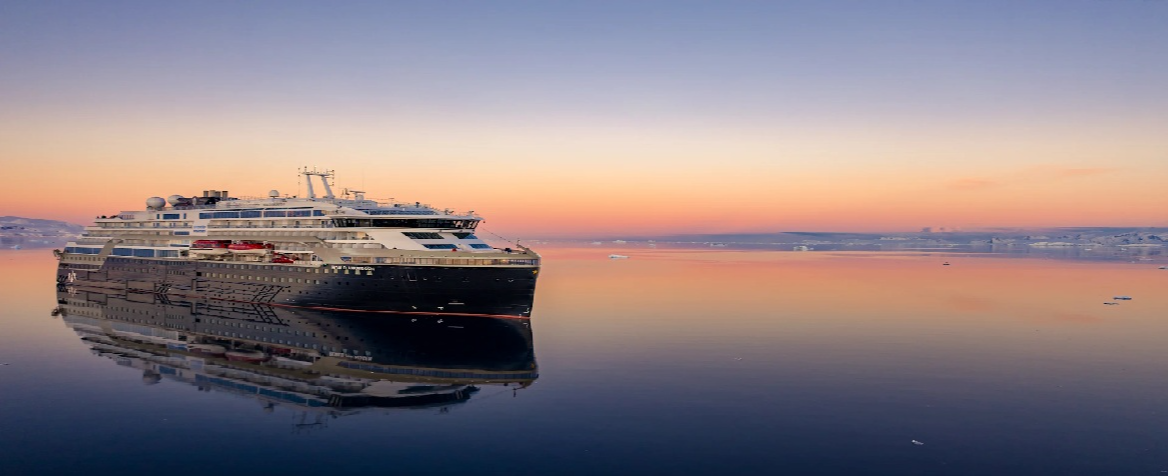
HX Expeditions (3 Cruises)

Lindblad Expeditions (3 Cruises)
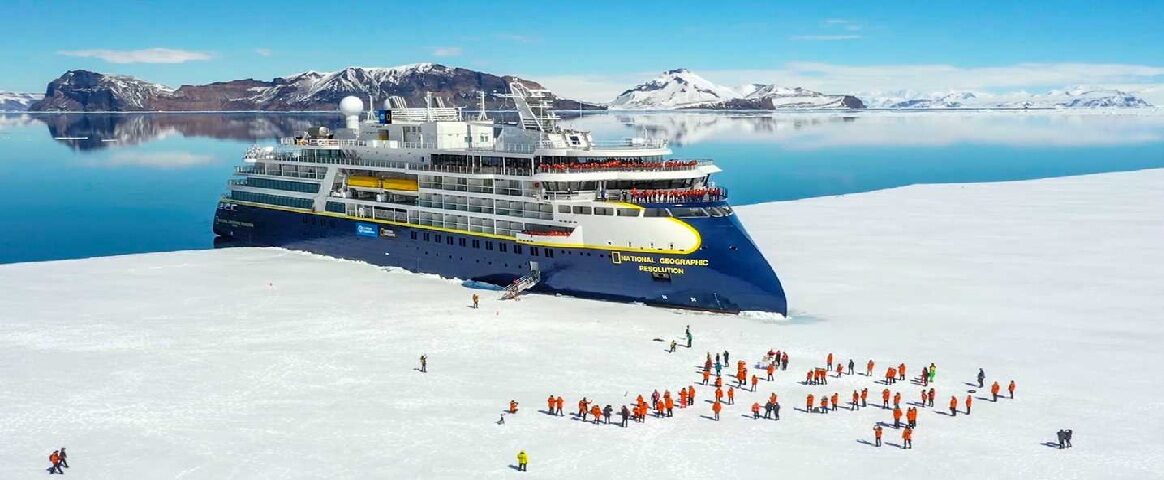
National Geographic Resolution
3 Cruises

Oceania Cruises (12 Cruises)
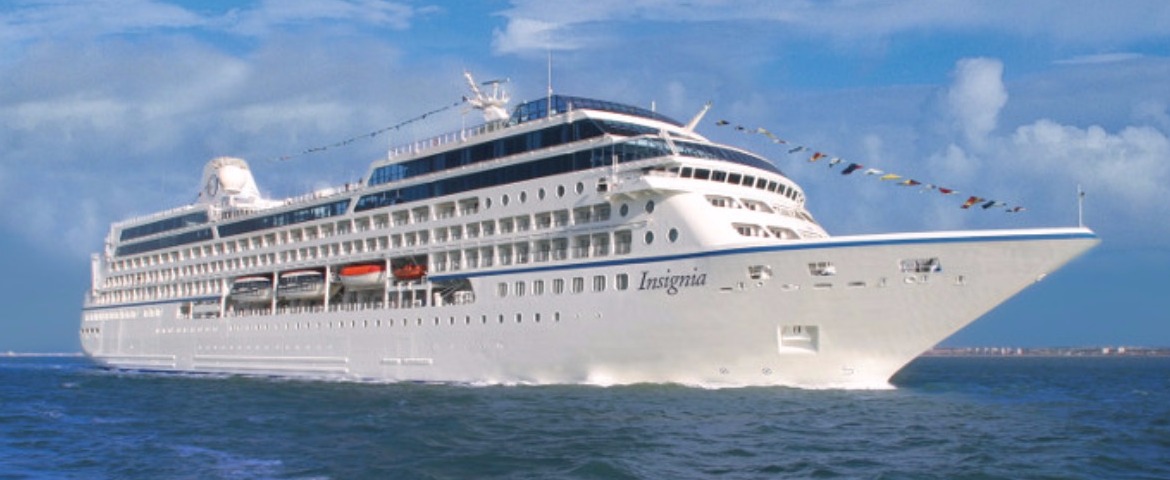
Oceania Insignia
8 Cruises

| 24 January | 21 days | One-way from Buenos Aires to Valparaiso-Santiago |
450-628-6241
Call us
|
| 24 January | 22 days | One-way from Buenos Aires to Valparaiso-Santiago |
450-628-6241
Call us
|
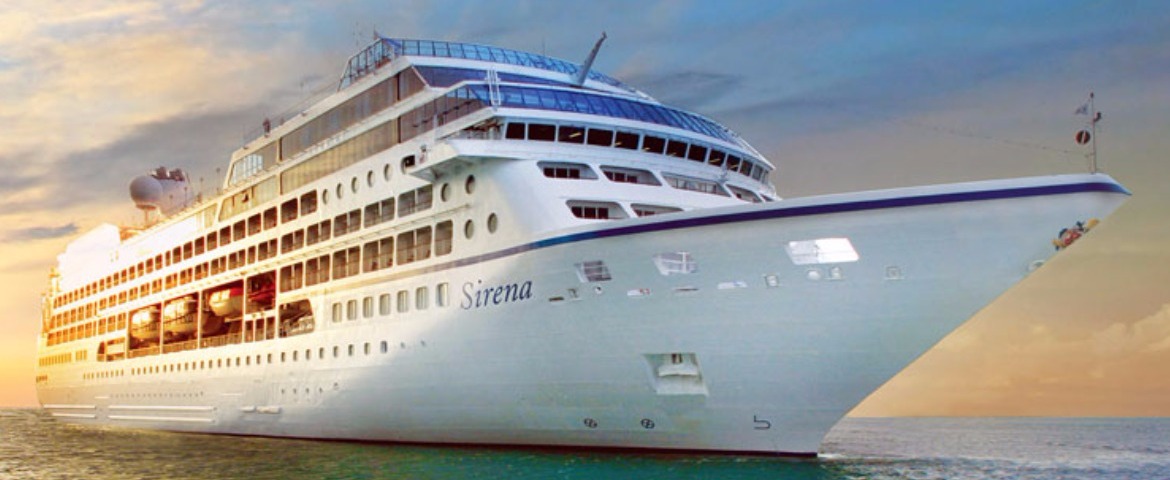
Oceania Sirena
4 Cruises
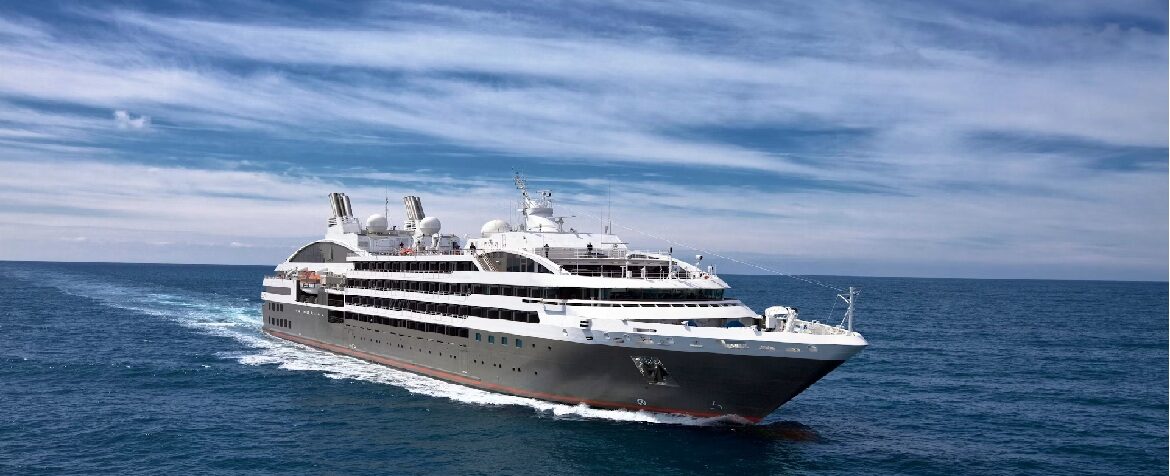
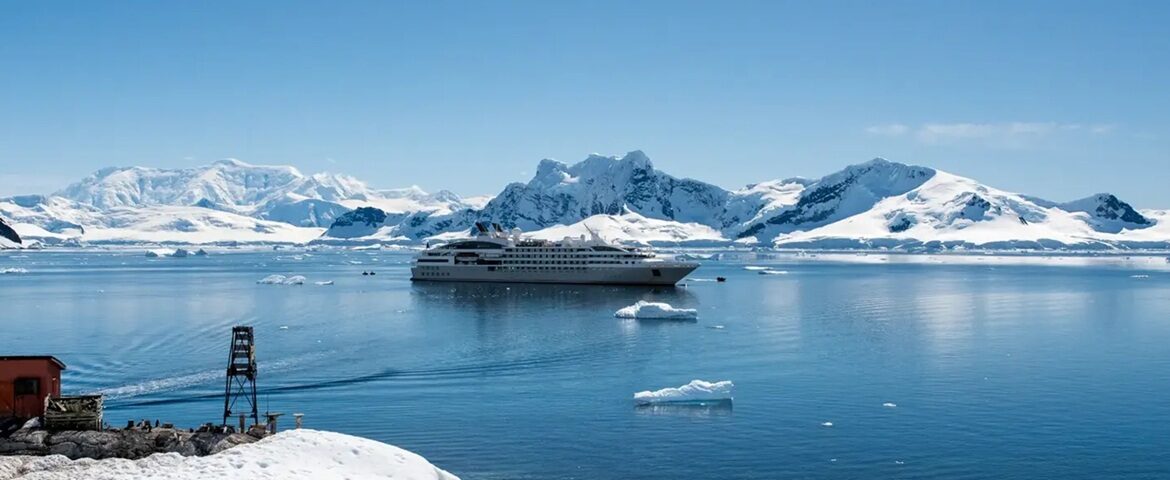
Ponant (4 Cruises)

Scenic Cruises (18 Cruises)
Scenic Eclipse
9 Cruises

Scenic Eclipse II
9 Cruises
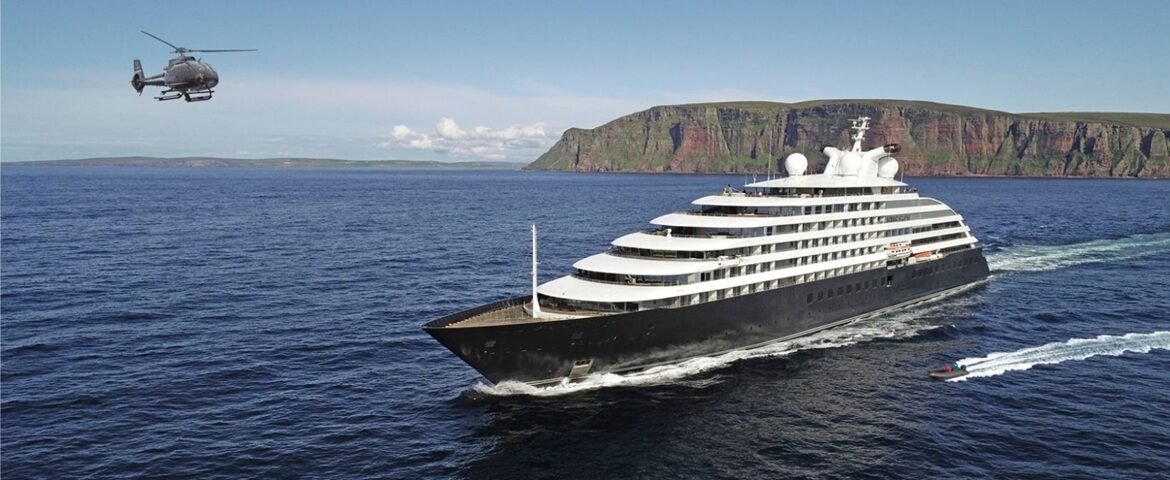
Seabourn Cruise Line (16 Cruises)
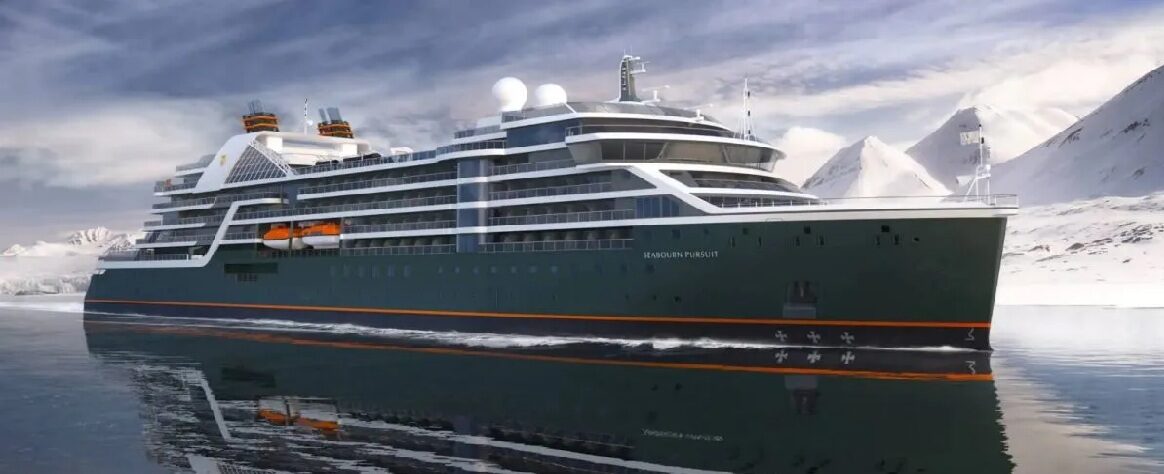

Seabourn Quest
12 Cruises
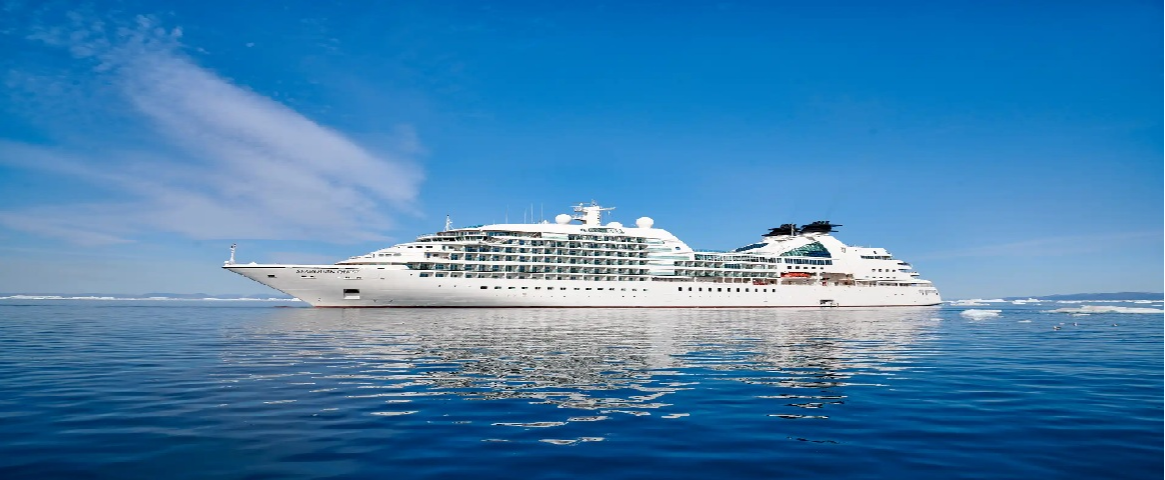
Silversea Cruises (4 Cruises)
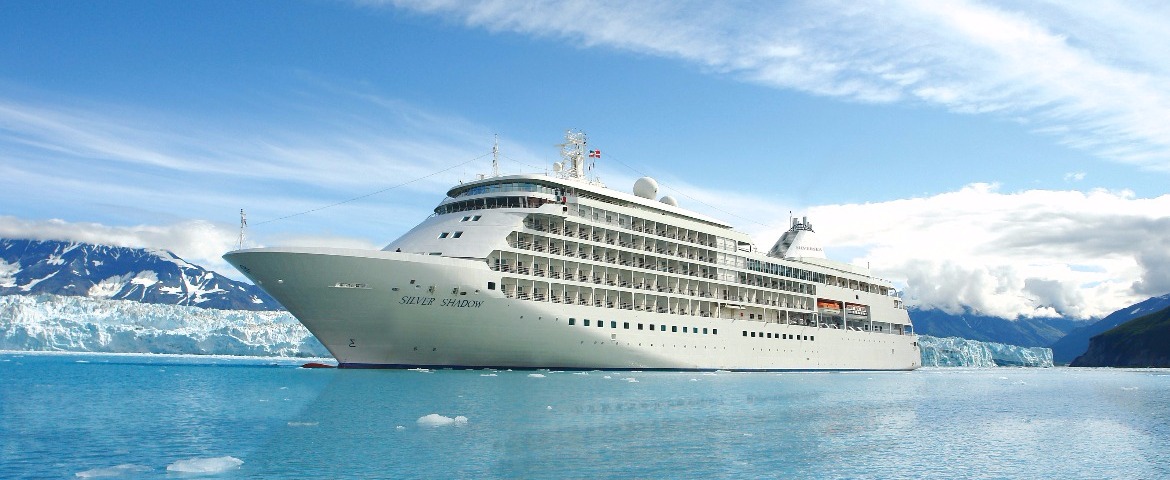
Silver Shadow
4 Cruises

Port of Castro (Chiloé Island), Chile | Cruise Port Guide
Frequently Asked Questions
Nowhere: ships anchor in Castro's natural harbour and tenders bring passengers to the small pier right in the centre. Landing therefore depends on sea conditions.
Stilt houses painted yellow, turquoise, raspberry and purple, lined up above the tide. The Gamboa and Pedro Montt districts hold the most photographed views, and some now house cafes and inns where you can step inside and see the timberwork.
Completely. At low tide the stilts stand exposed several metres above glistening mud; at high tide the houses appear to float. If your call spans both, it is worth returning to the same spot.
San Francisco church on the main square, the Gamboa and Pedro Montt palafitos, the Lillo market near the landing, and a curanto meal. All of it on foot, except the harbour boat tour that gives the best angle on the coloured facades.
Because sixteen of them attest to a successful meeting of Indigenous traditions and European heritage. Local carpenters built them entirely in wood, joints included, applying shipyard techniques.
Its vault suggests an upturned hull, warm and scented with resin, beneath distinctive towers overlooking the square. Not one metal nail in the old sections: only pegs and a craft still handed down within carpenter families.
The archipelago's signature dish: shellfish, meats and potatoes traditionally cooked in a pit lined with hot stones. Waterfront restaurants serve generous versions, alongside seafood empanadas.
A tightly knitted sweater made for southern winters, woollen craftwork or woven baskets. Knitters often work on the spot, needles in hand between customers, and are happy to chat.
The Chilean peso and Spanish. English stays limited outside tourist-facing businesses. Bring cash for the Lillo market and the small craft stalls, even though downtown restaurants generally take cards.
Its long isolation from the mainland, which shaped an island culture of legends, worked timber and old bonds of mutual aid. The archipelago keeps its myths of witches, ghost ships and forest creatures, which locals mention with a knowing smile.


