Coquimbo La Serena, Chile
Chile
77
Cruises availables
At departure or passage at this port
Azamara Club Cruises (15 Cruises)
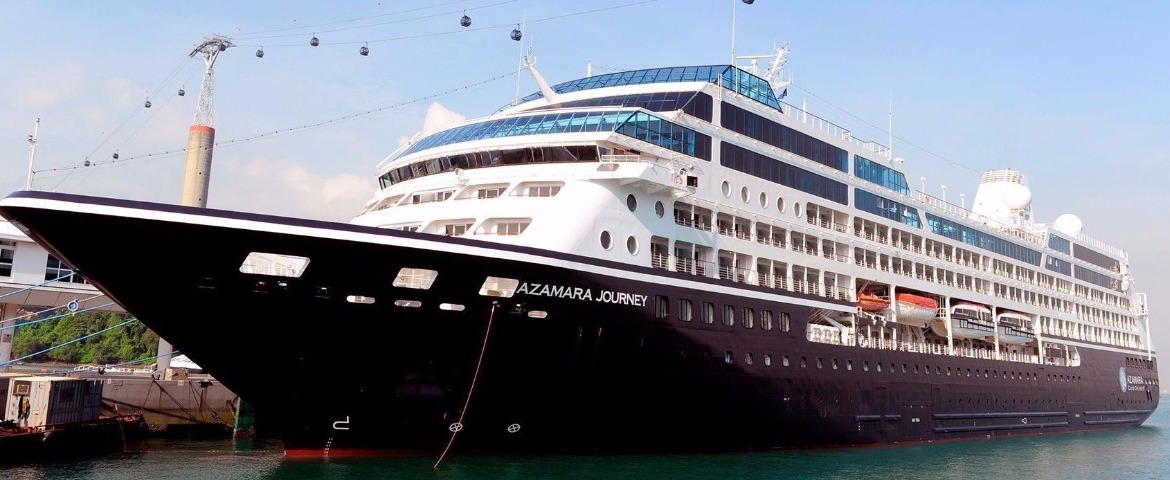
Azamara Journey
6 Cruises

| 14 January | 75 days | Round-trip from Miami, USA |
450-628-6241
Call us
|
| 14 January | 74 days | Round-trip South America Azamara Journey Miami Fl |
450-628-6241
Call us
|
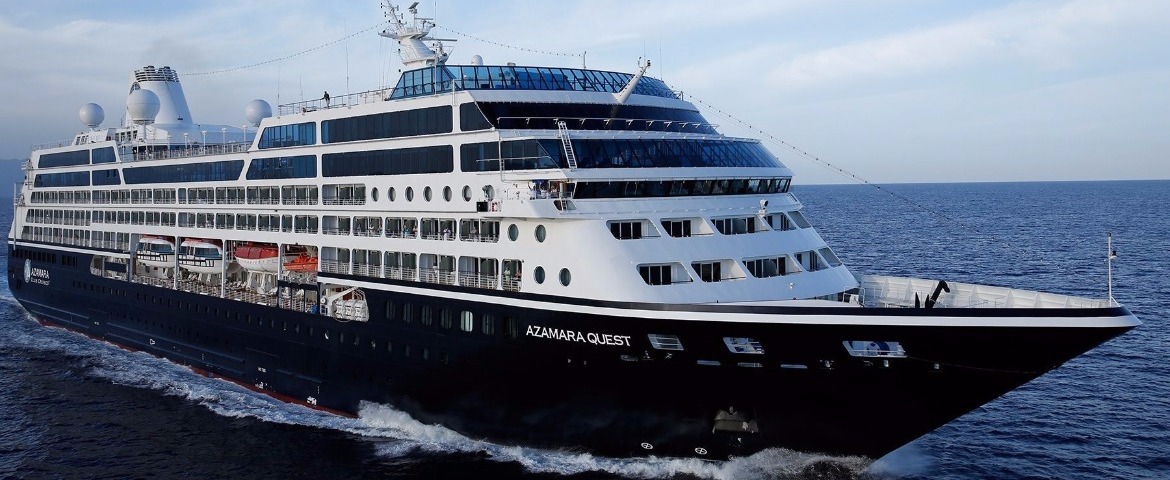
Azamara Quest
9 Cruises
Carnival Cruise Line (1 Cruises)

Crystal Cruises (6 Cruises)
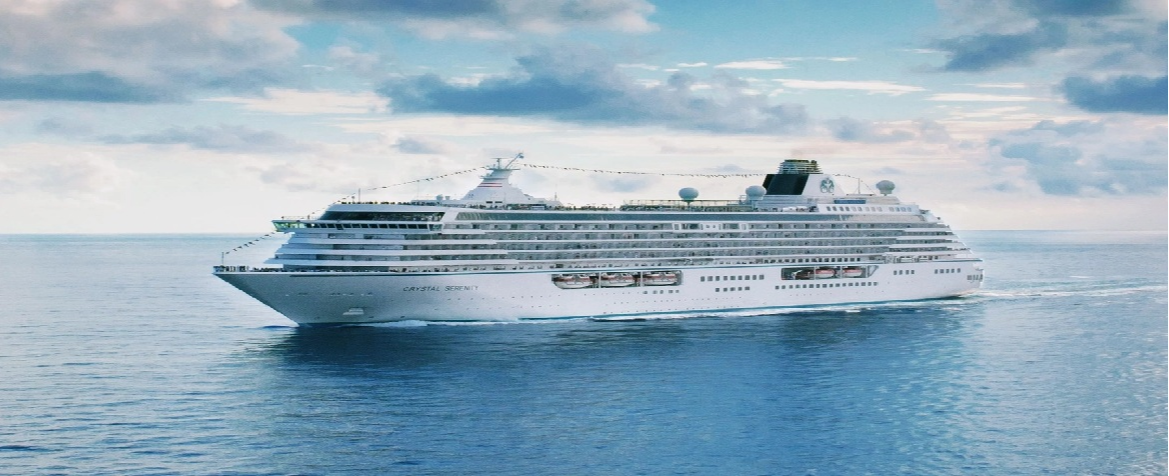
Crystal Serenity
6 Cruises

| 12 October | 71 days | One-way from New York to Fort Lauderdale |
450-628-6241
Call us
|
| 12 October | 72 days | One-way from New York to Fort Lauderdale |
450-628-6241
Call us
|
Cunard (12 Cruises)
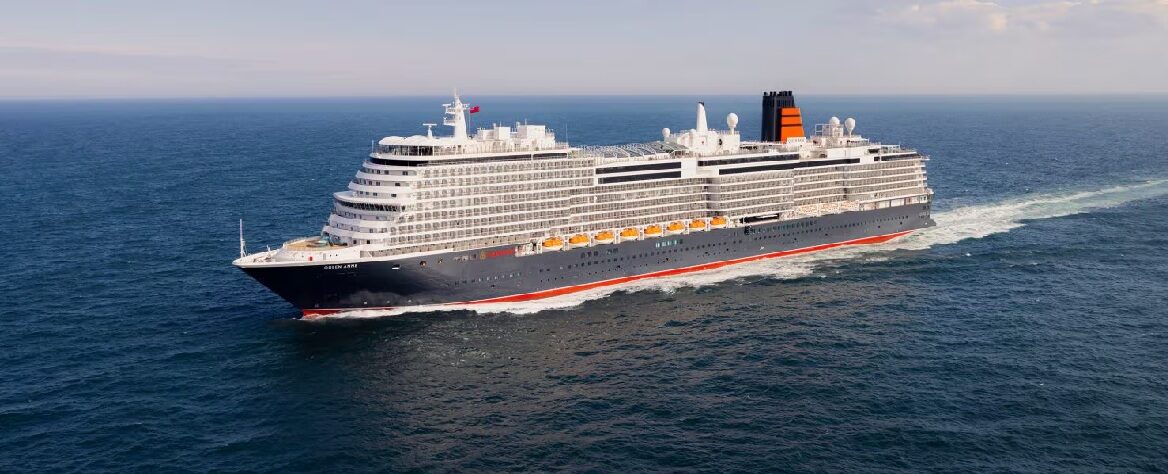
Queen Anne
12 Cruises

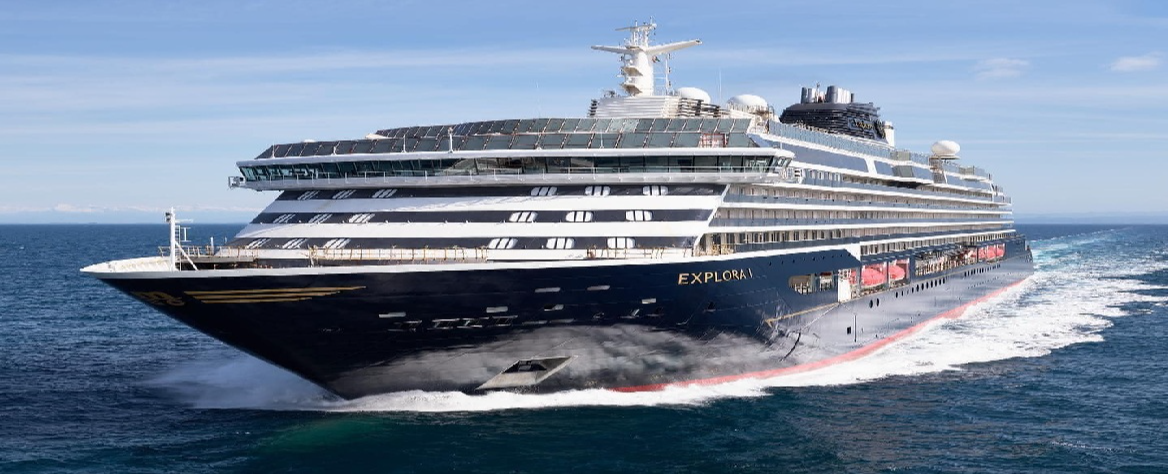
Explora Journeys (3 Cruises)

Holland America Line (26 Cruises)
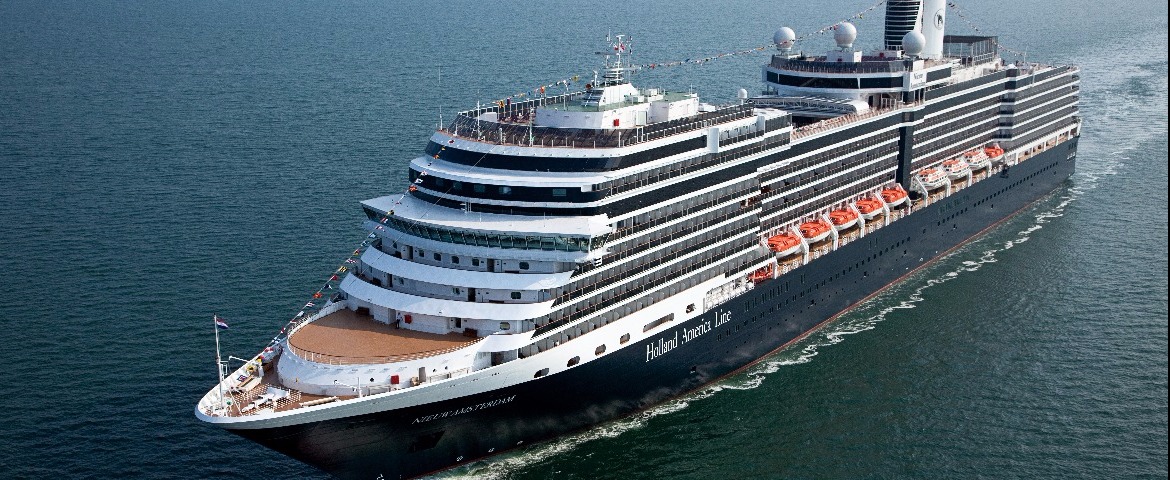
ms Nieuw Amsterdam
9 Cruises

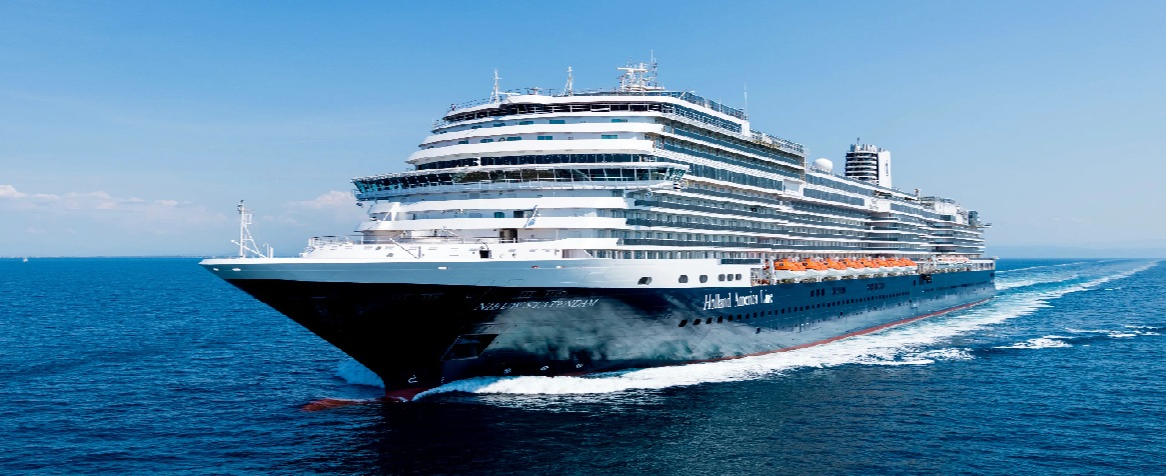
ms Nieuw Statendam
9 Cruises
Oceania Cruises (2 Cruises)

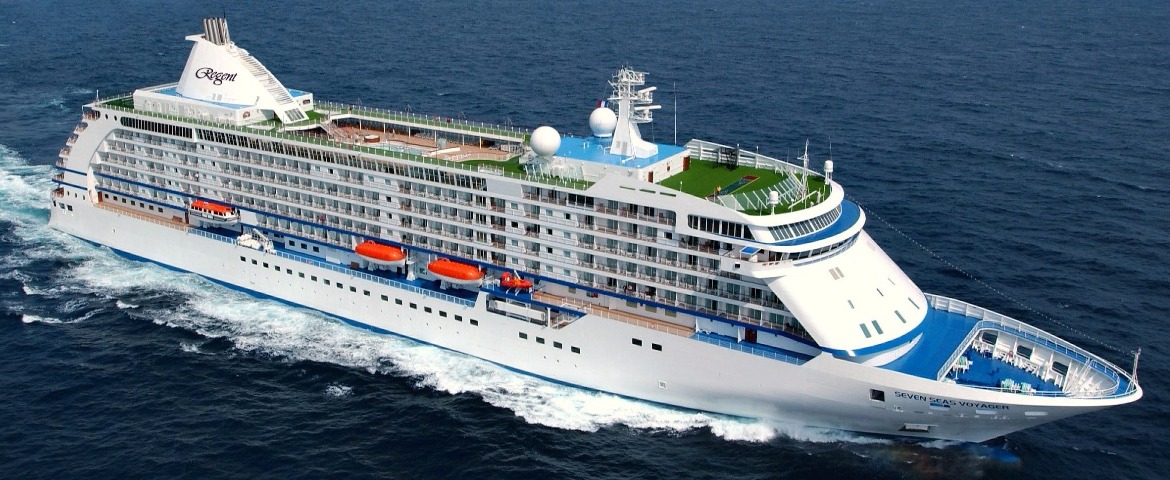
Regent Seven Seas Cruises (8 Cruises)
Seven Seas Mariner
5 Cruises

Silversea Cruises (4 Cruises)
Silver Ray
4 Cruises

Port of Coquimbo (La Serena) | Cruise Port Guide
Frequently Asked Questions
At the pier immediately alongside downtown Coquimbo. About ten minutes on foot brings you to the shopping streets and the main square: this is one of the easiest calls on the coast to do without an excursion.
The fish market and the Barrio Ingles on foot, a taxi ride up to the Third Millennium Cross, then a meal facing the bay. If the call is long, La Serena is a better use of the time than a city tour.
An 83-metre white concrete cross on El Vigia hill, completed in 2001 to mark the turn of the year 2000. A lift and platforms let you climb inside; the view takes in the horseshoe bay and the arid hills.
Yes, about twenty minutes by taxi or coach, some twelve kilometres away. La Serena is Chile's second-oldest city: pale stone churches, flowered patios and museums around the Plaza de Armas, in a carefully preserved colonial layout.
The district of wooden houses built during the great mining trade era, when English firms kept counting houses on the bay. Worked balconies, coloured facades, murals and cafes in old warehouses give it an unexpected Victorian character.
At the port market, the tastiest experience of the day: seafood empanadas, grilled fish, machas gratinated with parmesan, the day's ceviche. Sea lions lounge near the stalls and nobody thinks of moving them.
Yes, on a half-day or longer excursion. It is the home of pisco and of astronomical observatories, an option for those who prefer mountains to sea. Check that the stated duration fits the all-aboard time.
The Chilean peso and Spanish. English is little used at the market or by taxi drivers; a few written phrases or a translator app smooths the day. Cards work in restaurants, less so with port vendors.
Yes, La Serena's seafront avenue links a run of beaches up to the city's landmark lighthouse, a Sunday gathering place for families. On the Coquimbo side, the neighbouring cove of Guayacan is known for its sunsets.
That of a fishing port that has not been remade for tourists. It smells of brine, lemon and frying, shuckers open shellfish in front of you and pelicans watch the boats come in. This is the Norte Chico as it actually lives.


