Trogir Croatia
108
Cruises availables
At departure or passage at this port
CroisiEurope (23 Cruises)
MV La Belle de L'Adriatique
23 Cruises


| 24 June | 7 nights | Round-trip from Dubrovnik, Croatia |
450-628-6241
Call us
|
| 24 June | 7 days | Round-trip Croatia and Montenegro |
450-628-6241
Call us
|
Emerald Waterways (58 Cruises)
Emerald Azzurra
16 Cruises
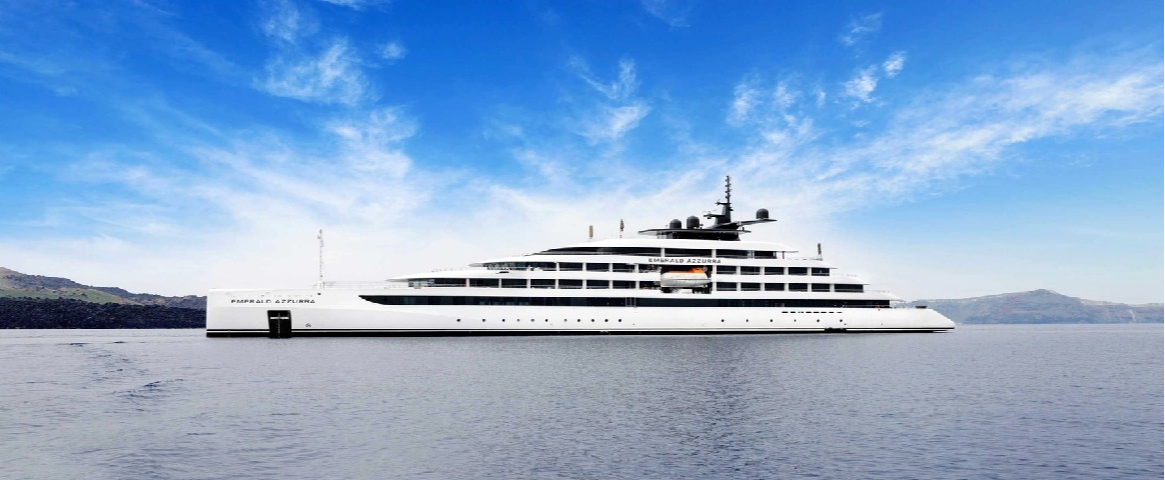

| 24 May | 7 nights | One-way from Venice to Dubrovnik |
450-628-6241
Call us
|
| 24 May | 14 nights | One-way from Venice to Piraeus-Athens |
450-628-6241
Call us
|
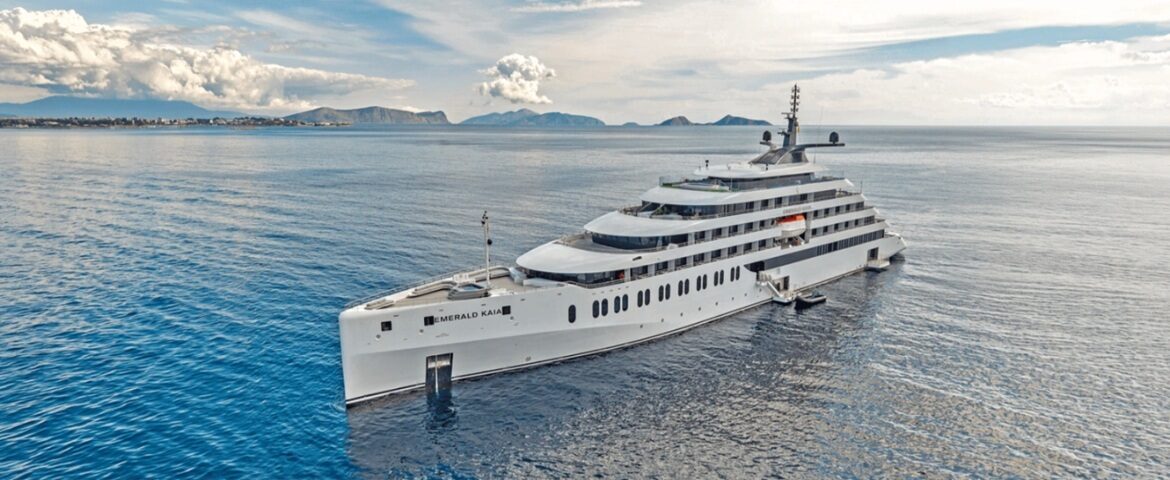
Emerald Kaia
37 Cruises
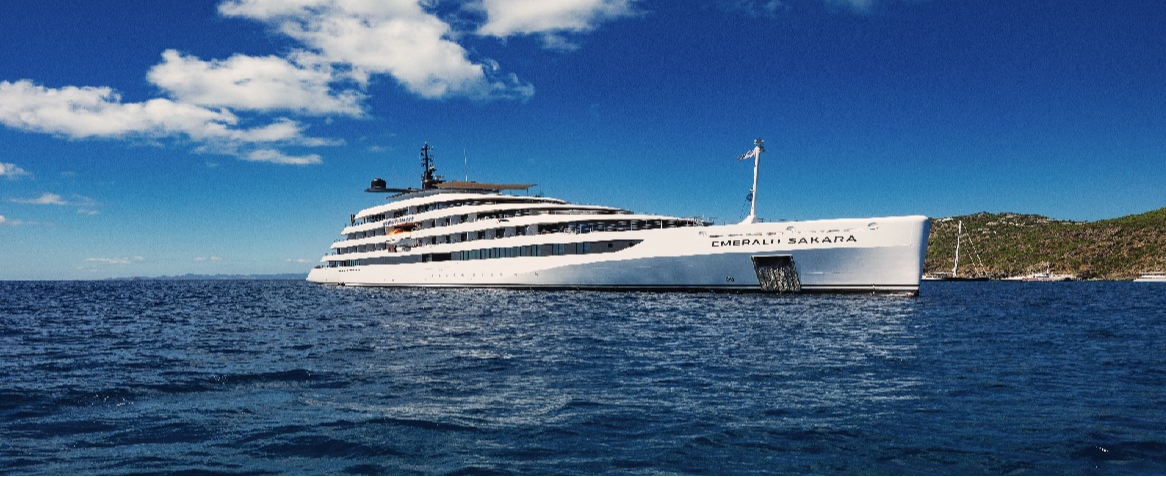
Emerald Sakara
5 Cruises
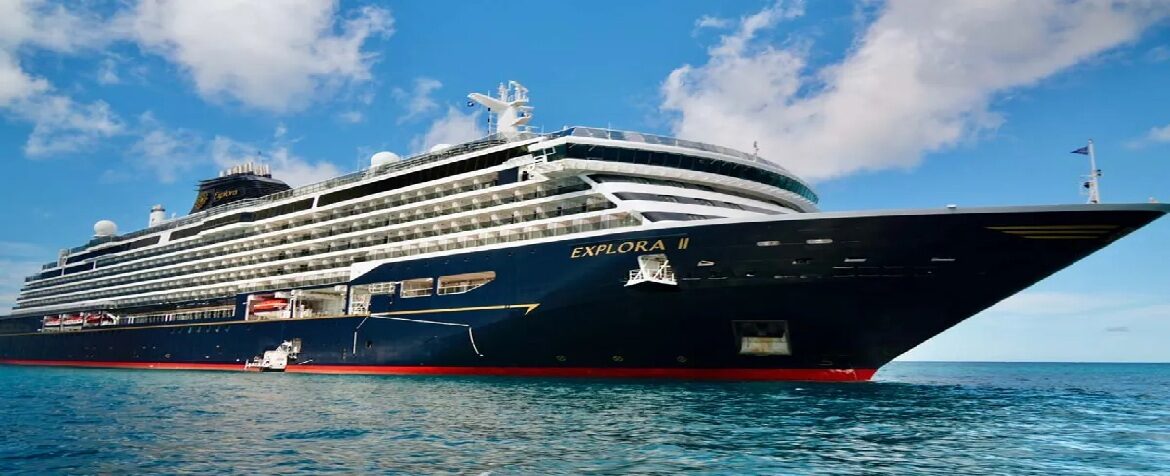
Explora Journeys (4 Cruises)

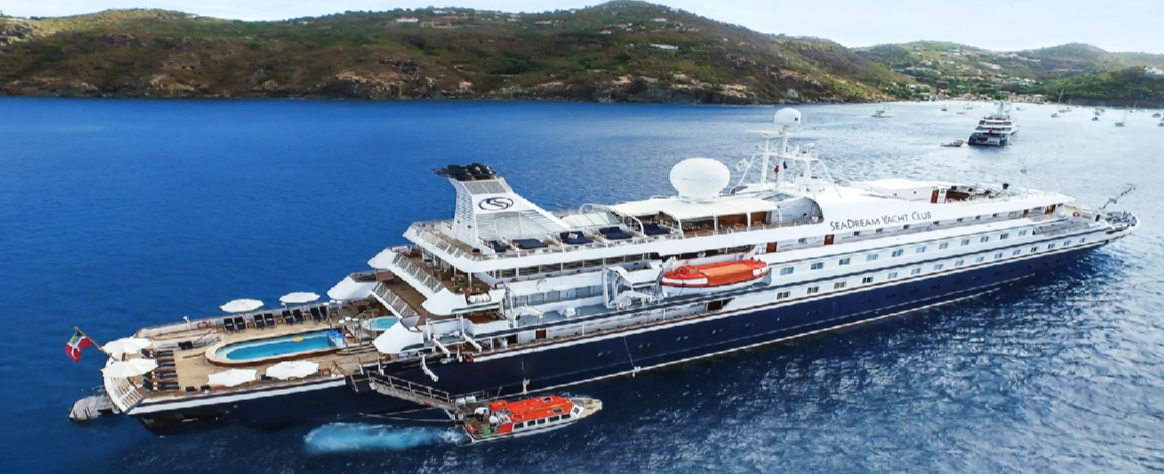
SeaDream Yacht Club (2 Cruises)

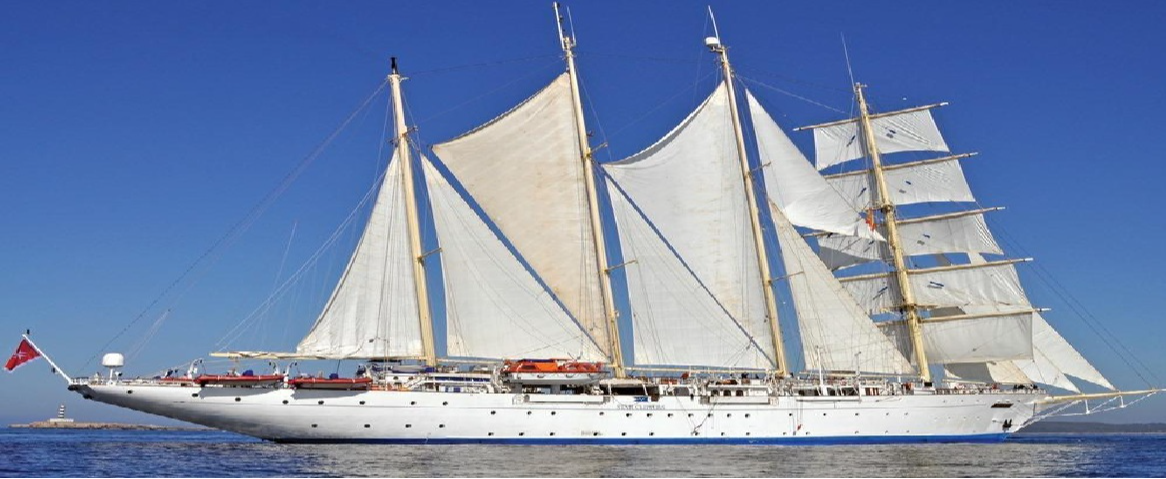
Star Clippers (7 Cruises)
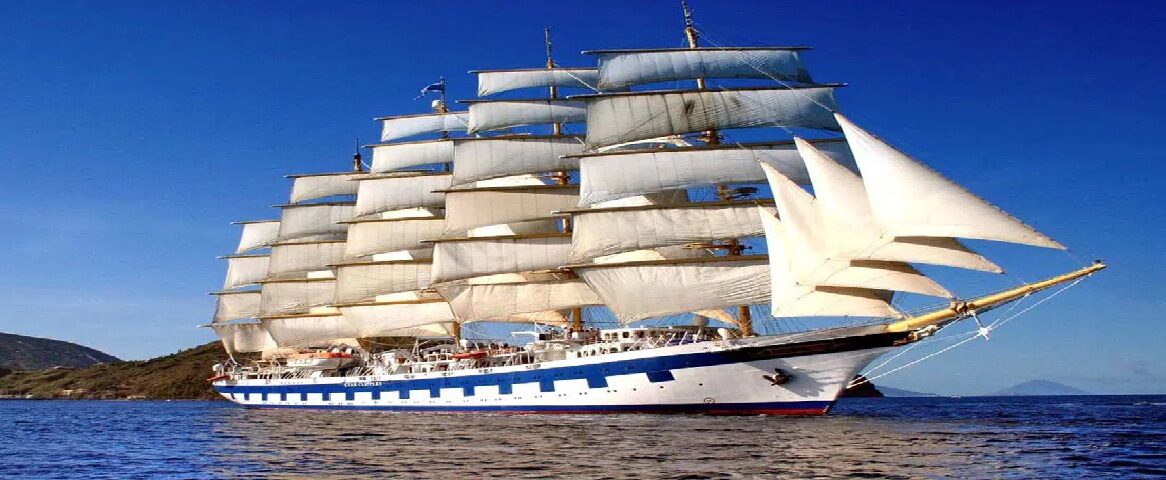
Royal Clipper
6 Cruises

Windstar Cruises (14 Cruises)
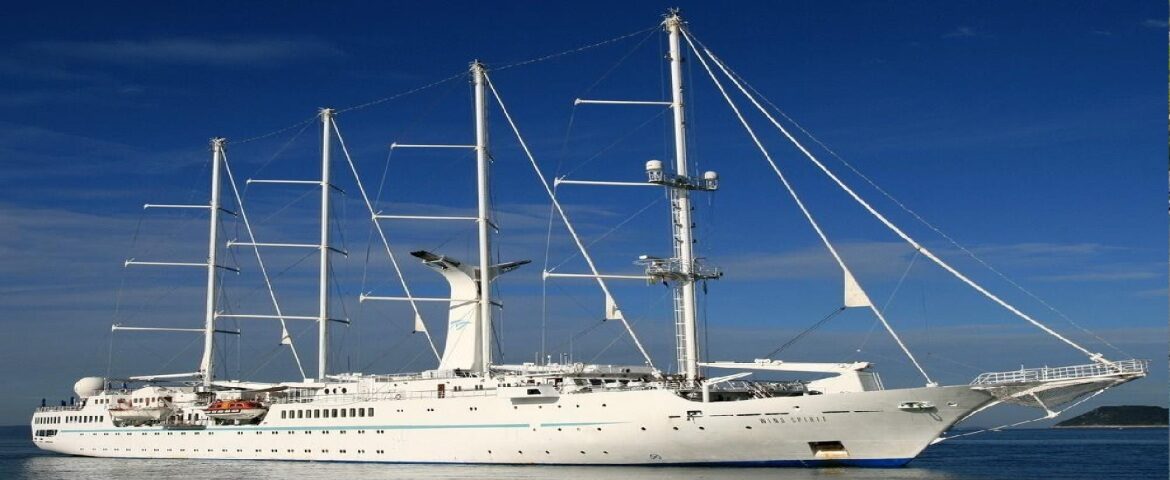
Wind Spirit
14 Cruises

| 2 May | 7 nights | One-way from Venice to Dubrovnik |
450-628-6241
Call us
|
| 2 May | 14 nights | Round-trip from Venice, Italy |
450-628-6241
Call us
|
| 2 July | 7 days | One-way from Venice to Dubrovnik |
450-628-6241
Call us
|
| 2 July | 14 days | Round-trip 14 Night Star Collector Adriatic Odyssey Cruise |
450-628-6241
Call us
|

Port of Trogir, Croatia | Cruise Port Guide
Frequently Asked Questions
Small ships tie up directly along the Riva, the palm-lined promenade running past the south face of the town. Larger vessels anchor in the channel and tender passengers to practically the same spot. No shuttle is required.
About twenty minutes to circle it, the islet being only five hundred metres long. Even so, a full call can go by without exhausting what the lanes hold in reserve.
St Lawrence's Cathedral and its Radovan portal, the climb up the bell tower, the loggia and the Čipiko palace, Kamerlengo fortress at the western tip, then the market across the bridge and a pause on the Riva.
A Romanesque portal carved and signed in 1240 by the sculptor Radovan, considered the high point of Croatian medieval art: Adam and Eve flanked by lions, a calendar of the labours of the months, a Nativity in the tympanum. It fronts St Lawrence's Cathedral, three minutes from the quay.
Yes, it was built over three centuries and each level changes style. The climb takes a little agility; it rewards you with a plunging view over the tiled roofs and the channel.
A 15th-century Venetian work at the western tip of the islet, which sealed the channel entrance. You climb the curtain walls to take in the sea, the bell towers and the inland hills in a single view. In summer the inner court becomes a performance stage.
For urban continuity spanning more than two millennia, begun by the Greek colonists of Tragurion in the 3rd century BC. The ensemble was inscribed on the World Heritage list in 1997; it is one of the best-preserved old towns on the Adriatic.
About 27 kilometres to the west, reachable by taxi or bus. Nothing obliges you to leave, though: everything essential happens on the islet, between two bridges.
The euro and Croatian. English is widespread in shops and restaurants. Keep cash for the market, across the bridge that links the islet to the mainland.
At the morning market: dried figs, cheese from the island of Pag, olive oil, lavender bunches. At table, grilled fish and squid with a glass of pošip, the Dalmatian white drunk cold facing the yacht masts.


