Calvi Corsica France

152 Cruises availables At departure or passage at this port

Cunard (20 Cruises)

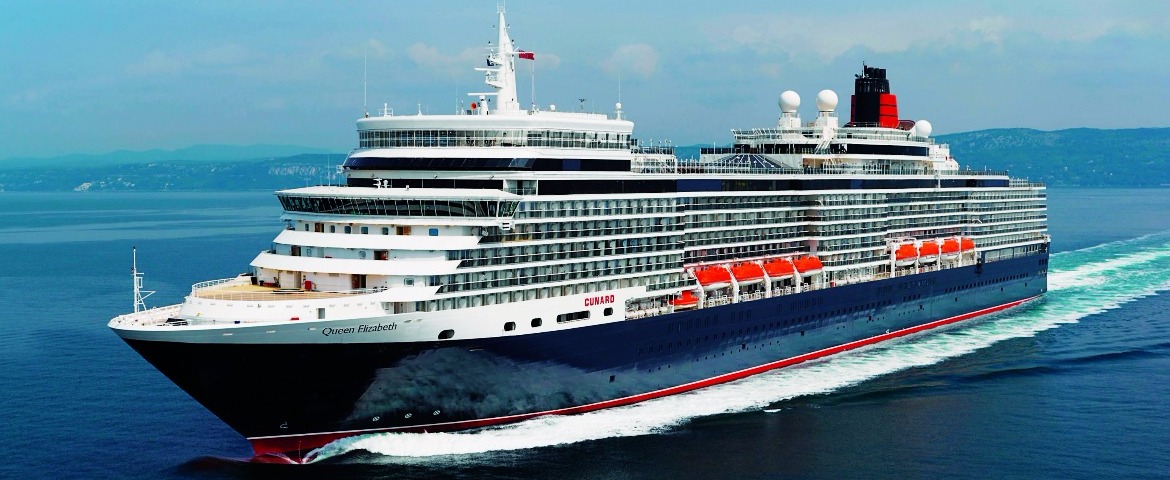
Cruise Cunard Queen Elizabeth ship

Queen Elizabeth

2081 Passengers
90400 tons
Visit the ship's page

Emerald Waterways (20 Cruises)

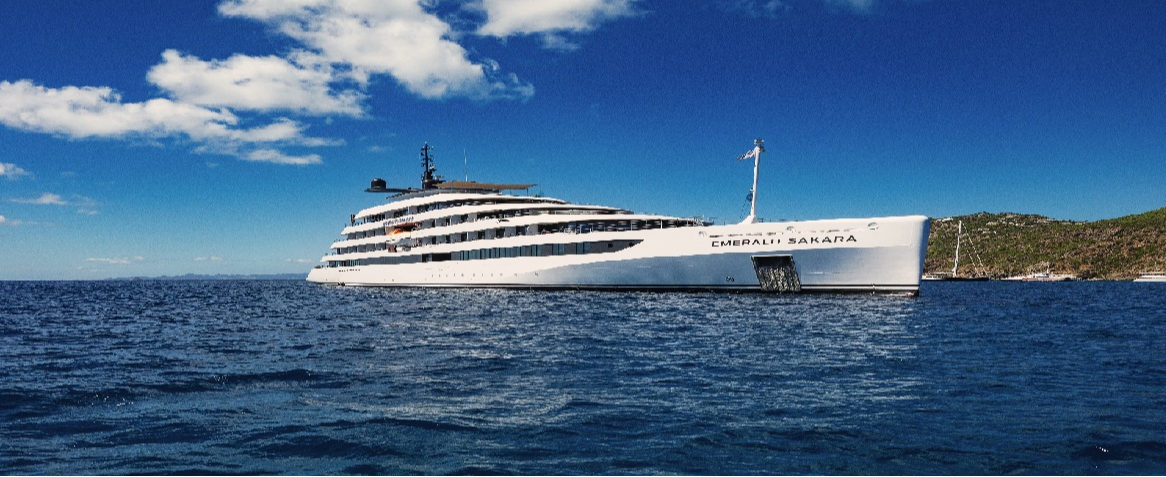
Emerald Sakara.

Emerald Sakara

164 Passengers
Visit the ship's page

Seabourn Cruise Line (63 Cruises)

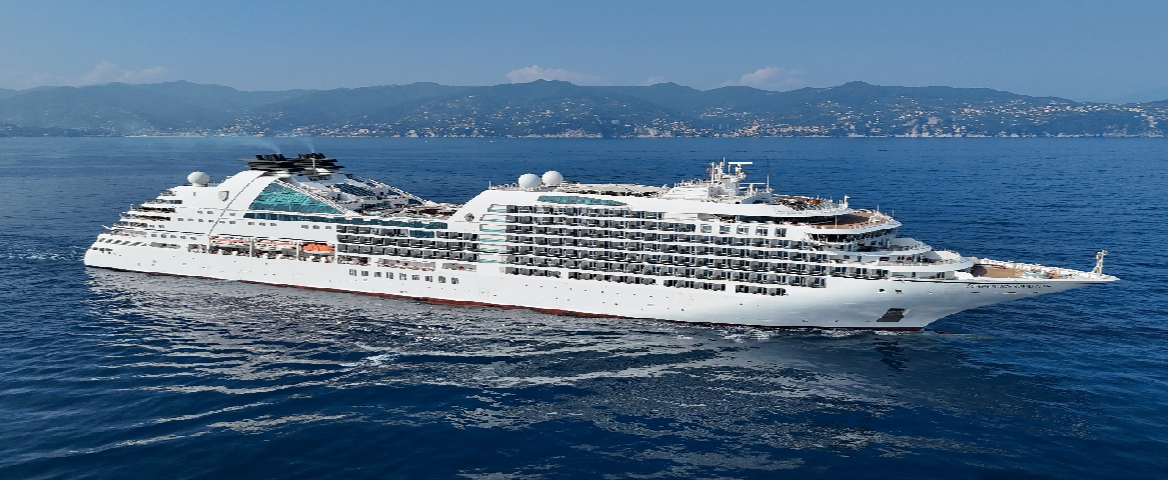
Seabourn Ovation.

Seabourn Ovation

40350 tons
Visit the ship's page

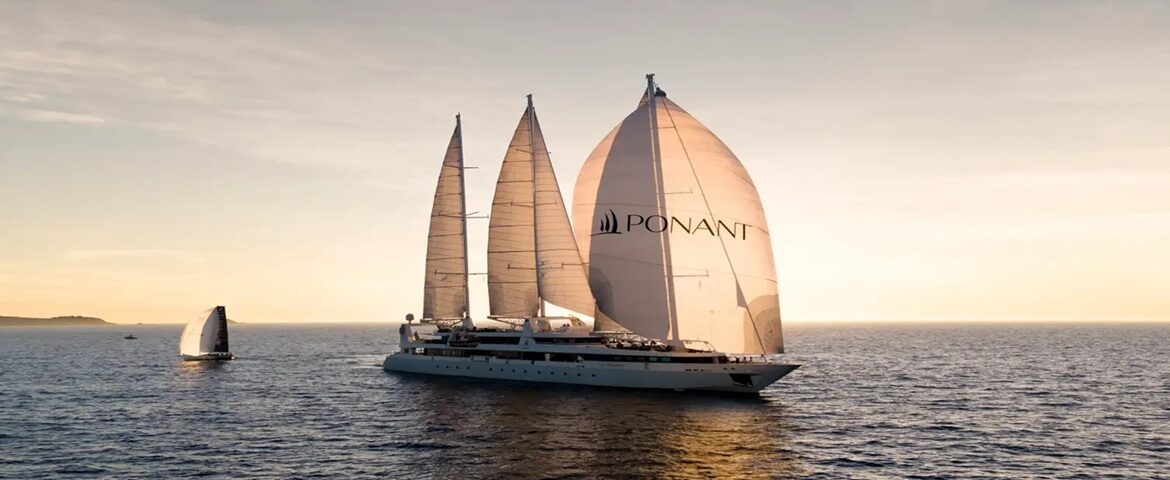
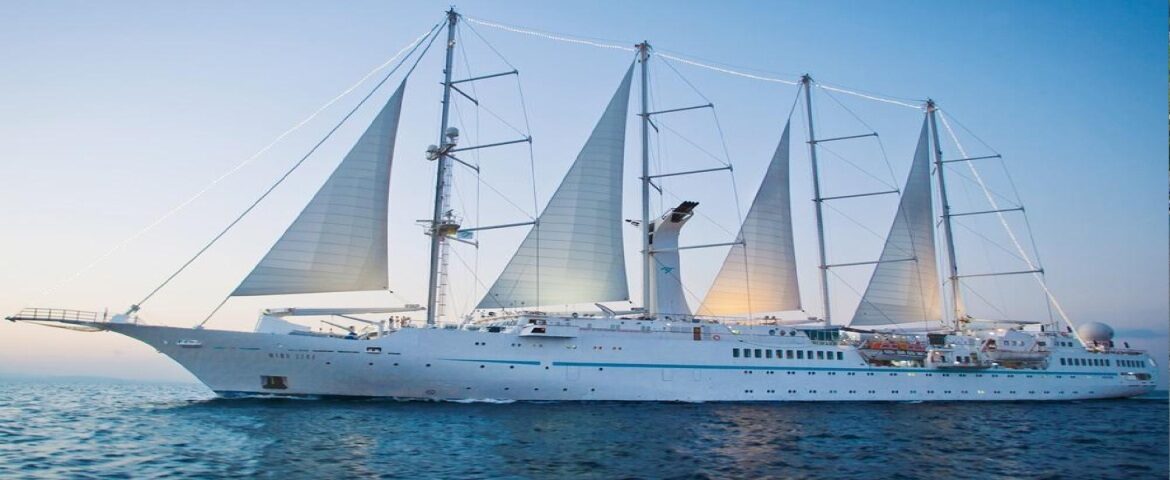
Star Clippers (19 Cruises)

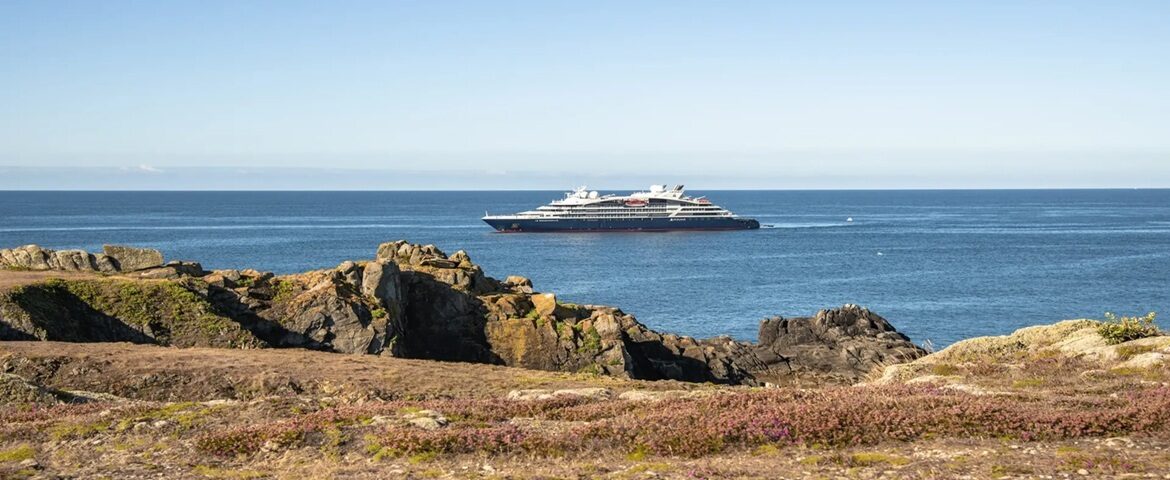
From the ship's deck, it's all already there: the Genoese citadel perched on its granite spur, the crescent-shaped bay lined with pine forest, and behind it, the mountains of the Balagne, sometimes still capped in snow as late as May. Calvi has always been approached from the sea. Ships anchor in the bay, and tenders drop passengers at the Quai Landry, right in the heart of the lower town: a ten-minute crossing, and the stop begins amid the terraces and sailboat masts.

The Citadel, Genoa's Sentinel

The climb comes first. A cobbled ramp rises between the bastions to the 15th-century walls, true to the motto carved above the gate: Civitas Calvi semper fidelis, Genoa's tribute to its faithful Corsican stronghold. Inside, a maze of narrow streets leads to the Cathedral of Saint-Jean-Baptiste, capped with its slate dome, and to the former barracks that long housed the Foreign Legion. One ruined house bears a bold plaque: Calvi claims to be the birthplace of Christopher Columbus, a claim Genoese archives dispute but that locals defend with a smile. From the ramparts, the view plunges down over the gulf and the ochre rooftops of the lower town.

Quai Landry and the Shopping Lanes

Back down at sea level, it's pleasant to stroll along Quai Landry, where cafés serve artisanal ice cream and gulf lobster facing the yachts. Rue Clemenceau, a parallel pedestrian street, concentrates the shops selling Corsican products: chestnut charcuterie, sheep's milk cheeses, lemon canistrelli biscuits, and Balagne olive oils. It's the moment to put together a basket of island flavours before heading back aboard. The pink, round Church of Sainte-Marie-Majeure watches over this lively neighbourhood, never seeming to be in any hurry.

A Four-Kilometre Beach Beneath the Pines

South of the port stretches one of the finest shorelines in Corsica: four kilometres of pale, gently sloping sand, fringed by a fragrant pine forest. It's reached on foot in a quarter of an hour from the dock. The turquoise water, shallow for dozens of metres, invites swimming from late spring onward; beach huts rent out loungers and umbrellas in season. Walkers may prefer the trail climbing to the Notre-Dame de la Serra chapel, 6 km away, from which the view takes in the entire bay — a classic excursion destination by taxi or small road train.

Excursions from the Anchorage

  • The Scandola Nature Reserve, a UNESCO World Heritage Site, is reached by speedboat: red porphyry cliffs, sea caves, and the village of Girolata, accessible only by sea or on foot. Allow half a day.
  • The Balagne train runs along the coast to L'Île-Rousse in 45 minutes, serving coves and villages along the way.
  • Inland, the perched artisan villages of Pigna and Sant'Antonino can be visited on a half-day excursion.

A Scent of Maquis Right Up to Departure

Calvi is best enjoyed unhurried: a glass of Calenzana white wine on a terrace, swifts singing around the bell tower, the scent of immortelle and rockrose carried down from the hills by the wind. As the tender heads back to the ship, the citadel glows in the evening light, and it becomes clear why the Genoese held onto this rock for so long. Few Mediterranean ports of call offer so much in so few steps.

Frequently Asked Questions

By tender. Ships anchor in the bay and tenders land passengers at Quai Landry, right in the lower town: a ten-minute crossing, and the visit begins among the terraces and the yacht masts.
The Genoese citadel on its granite spur, the crescent bay fringed with pines, and behind it the mountains of Balagne, which sometimes hold their snow into May.
The cathedral of Saint-Jean-Baptiste under its slate dome, and the old barracks that long housed the Foreign Legion. The cobbled ramp climbs between the bastions to the fifteenth-century walls, faithful to the motto carved above the gate: Civitas Calvi semper fidelis.
Calvi claims so, with a plaque on a ruined house in the citadel, but Genoese archives dispute it. The people of Calvi defend their version with a smile; the history remains open.
Yes, one of the finest in Corsica: four kilometres of pale sand shelving gently, edged by a fragrant pine wood, south of the port. It is a fifteen-minute walk from the quay and the water stays shallow for tens of metres.
The climb to the citadel, a wander along Quai Landry and Rue Clemenceau, then the beach fifteen minutes away on foot. This is a call where everything can be done walking.
Chestnut-fed charcuterie, sheep's cheeses, lemon canistrelli and Balagne olive oils, from the shops on the pedestrian Rue Clemenceau, parallel to the quay.
By taxi or tourist road train, six kilometres from the port; walkers can also climb the path. The view takes in the whole bay and it is a classic excursion.
Yes, by launch, but allow half a day. This UNESCO-listed reserve offers red porphyry cliffs, sea caves and the village of Girolata, reachable only by sea or on foot.
Pigna and Sant'Antonino, hilltop villages of craftspeople, on a half-day excursion. The Balagne train also runs along the coast to L'Île-Rousse in 45 minutes, serving coves and villages.