Saint-Jean-de-Luz France

41 Cruises availables At departure or passage at this port
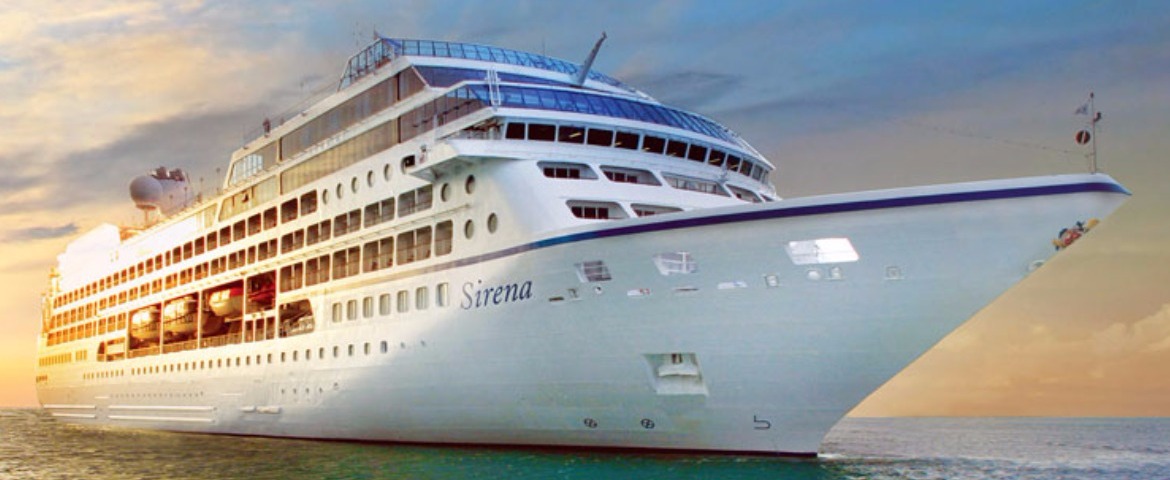
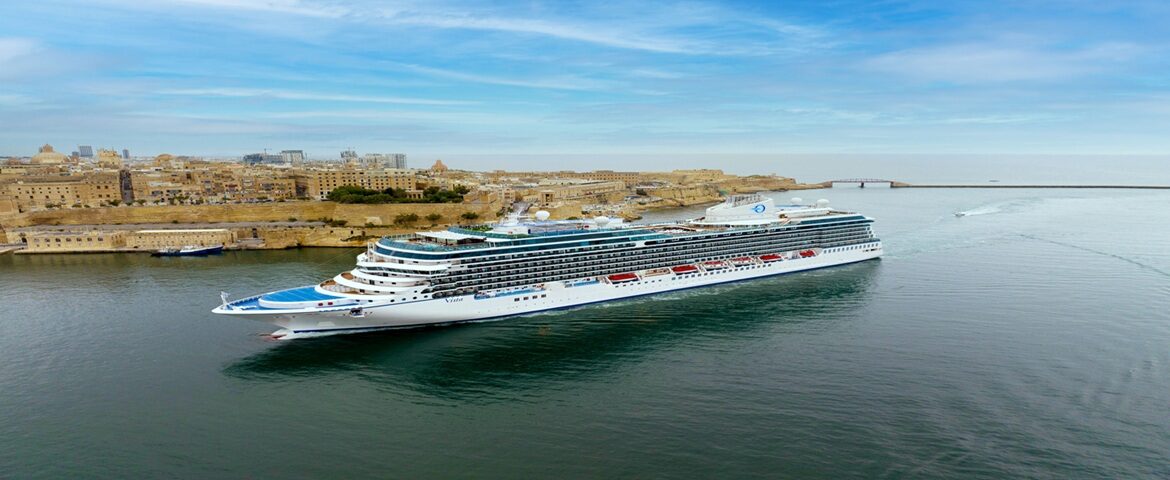
Oceania Cruises (15 Cruises)

Port of Saint-Jean-de-Luz, France | Cruise Port Guide

The bay closes like two hands around the boats: on one side the Pointe Sainte-Barbe, on the other the heights of Ciboure and Socoa, and at the back, white façades with oxblood-red half-timbering packed in behind the beach. Saint-Jean-de-Luz offers small ships one of the most sheltered anchorages on France's Atlantic coast; tenders drop passengers a few steps from the centre, and the Basque Country begins on the very first street, with its signs in the Euskara language and its aromas of sweet pepper.

A port that has seen whales and a king

The town grew rich from the sea: whaling from the Middle Ages, then Newfoundland cod, privateers feared by the English and, still today, tuna and sardines landed at the fish auction under the market halls on the quay. This prosperity left behind fine shipowners' mansions, the most famous of which lines the harbour: the Maison Lohobiague, known as the Maison Louis XIV, where the young king stayed in 1660. For it was here, a momentous event, that the marriage of Louis XIV and the Infanta Maria Theresa of Spain was celebrated, sealing the Peace of the Pyrenees between the two crowns. The Maison de l'Infante, in pink brick facing the harbour, housed the future queen: both buildings can be visited depending on the season.

The church of the royal wedding

A few streets from the quay, the Church of Saint-Jean-Baptiste looks unassuming behind its austere walls; the interior is all the more surprising. Three tiers of dark oak galleries run along the nave, following the local tradition that reserved these galleries for men, facing a gold-leaf altarpiece that rises up to the vault shaped like an upturned ship's hull. After the 1660 ceremony, the door the royal couple passed through was walled up, so it's said, so that no one would pass through after them: you can still spot it, sealed, on the side of the building.

Rue Gambetta and sweet treats

A pedestrian shopping street, Rue Gambetta unrolls striped linens woven in the neighbouring valleys, hand-stitched espadrilles and shops selling canned tuna and Espelette pepper. Food lovers have two mandatory stops: the cake filled with cream or black cherry, pride of the local pastry chefs, and the macarons from Maison Adam, supplier to the royal wedding in 1660, still made according to the original recipe. You nibble it all on Place Louis XIV, under the plane trees, while the bandstand often hosts musicians or dancers, and pelota matches are announced on the posters at the municipal fronton.

The main beach and the Pointe Sainte-Barbe

The walk ends facing the ocean. The main beach, sheltered by its breakwaters, unrolls fine sand where families swim in complete tranquility, a rare phenomenon on this swell-battered coast. Following the seafront north, a path climbs to the Pointe Sainte-Barbe: from up there, the view takes in the entire bay, the three breakwaters that have closed it off since Napoleon III, and the Pyrenees dropping into the Atlantic on the Spanish side. Opposite, Ciboure, birthplace of composer Maurice Ravel, lines up its houses along the other side of the harbour.

Good to know

  • Tender landing in the heart of town: no shuttle needed.
  • Tide and swell can lengthen transfers; leave a margin before returning on board.
  • Covered market in the halls in the morning: Bayonne ham, sheep's milk cheese, peppers.

As you leave the harbour, your gaze lingers on the green hills rolling inland. In a few hours, Saint-Jean-de-Luz will have offered a rare digest: a royal wedding, oak galleries, the taste of a macaron three and a half centuries old, and that gentle way of life between ocean and mountains that gives the whole coast its particular pull.

Frequently Asked Questions

By tender, a few steps from the centre. The bay is one of the best sheltered anchorages on the French Atlantic coast, closed on one side by the Pointe Sainte-Barbe and on the other by the heights of Ciboure and Socoa. No shuttle is needed.
Yes. The Basque Country begins at the first street, with signs in Euskara. The church, the historic houses, rue Gambetta, the covered market and the main beach are all a few minutes apart on foot.
The Saint-Jean-Baptiste church, Place Louis XIV, rue Gambetta and the climb to the Pointe Sainte-Barbe. It is a full programme but entirely walkable, and it leaves nothing essential out.
Because the marriage of Louis XIV and the Spanish infanta Maria Theresa was celebrated here in 1660, sealing the Peace of the Pyrenees. Behind austere walls the interior surprises: three tiers of dark oak galleries, traditionally reserved for men, facing a gold-leafed altarpiece rising to a vault shaped like an inverted ship's hull.
That is the local tradition: the door the royal couple passed through was reportedly walled up so that no one would follow them. You can still spot it, sealed, on the side of the building.
Two shipowners' houses lining the harbour. The Lohobiague house, known as the Maison Louis XIV, hosted the young king in 1660; the Maison de l'Infante, in pink brick facing the port, housed the future queen. Both open to visitors depending on the season.
Yes, and that is rare on this swell-battered coast. The main beach, sheltered by its breakwaters, offers fine sand where families swim in calm water. The three breakwaters closing the bay date from Napoleon III.
Macarons from Maison Adam, supplier to the royal wedding since 1660 and still made to the original recipe, and the Basque cake filled with cream or black cherry. On the savoury side: striped linen woven in the nearby valleys, hand-stitched espadrilles, tinned tuna and Espelette pepper.
The whole bay, the three breakwaters that close it, and the Pyrenees dropping into the Atlantic on the Spanish side. Opposite, Ciboure, birthplace of the composer Maurice Ravel, lines the other shore of the harbour. The path climbs from the seafront.
Yes, it is worth planning for. Tide and swell can lengthen tender transfers. Allow a comfortable margin before the all-aboard time, especially if the sea builds during the day.