Munich Munchen, Germany Bavaria
42
Cruises availables
At departure or passage at this port
Emerald Waterways (22 Cruises)
Emerald Astra
20 Cruises
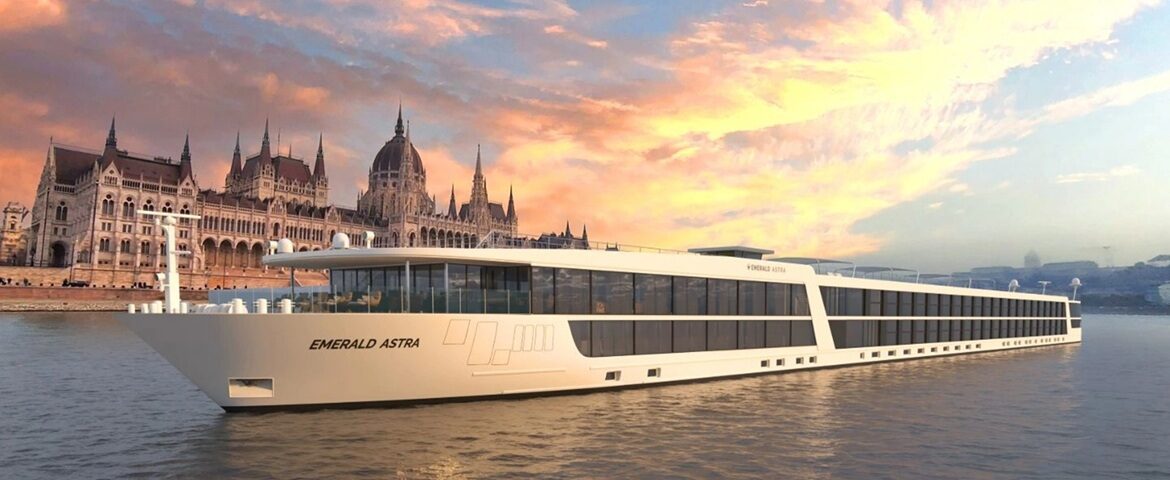

| 5 June | 8 days | One-way from Budapest to Munich |
450-628-6241
Call us
|
| 6 June | 6 days | One-way from Budapest to Munich |
450-628-6241
Call us
|
| 26 July | 8 days | One-way from Munich to Budapest |
450-628-6241
Call us
|
| 26 July | 10 days | One-way from Munich to Budapest |
450-628-6241
Call us
|
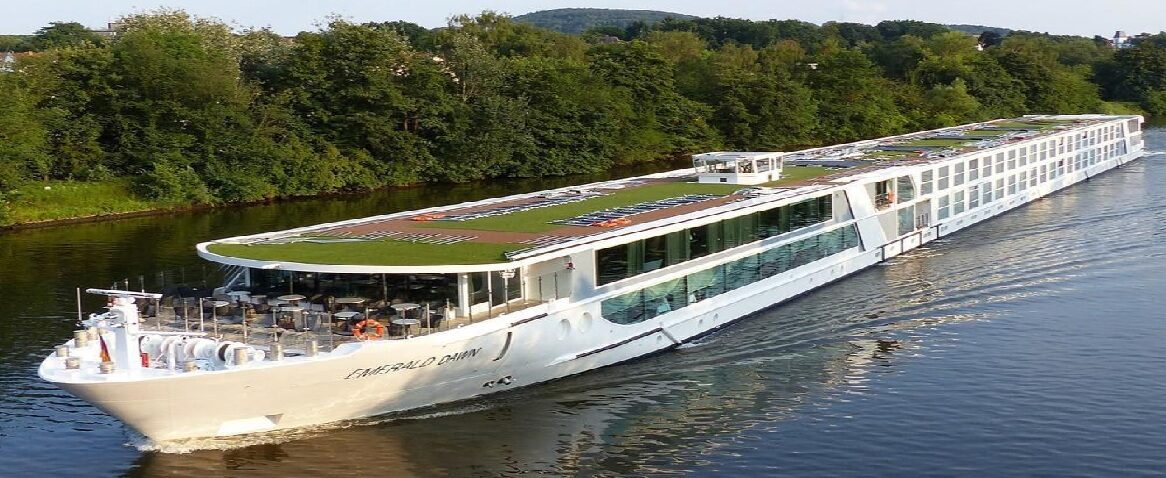
Tauck Cruises (20 Cruises)
ms Joy
6 Cruises
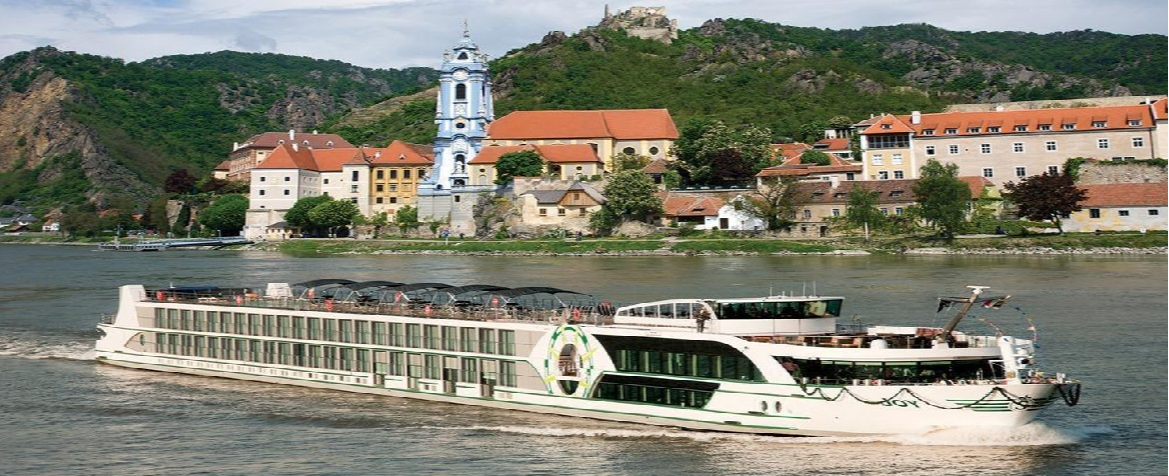

ms Savor
14 Cruises
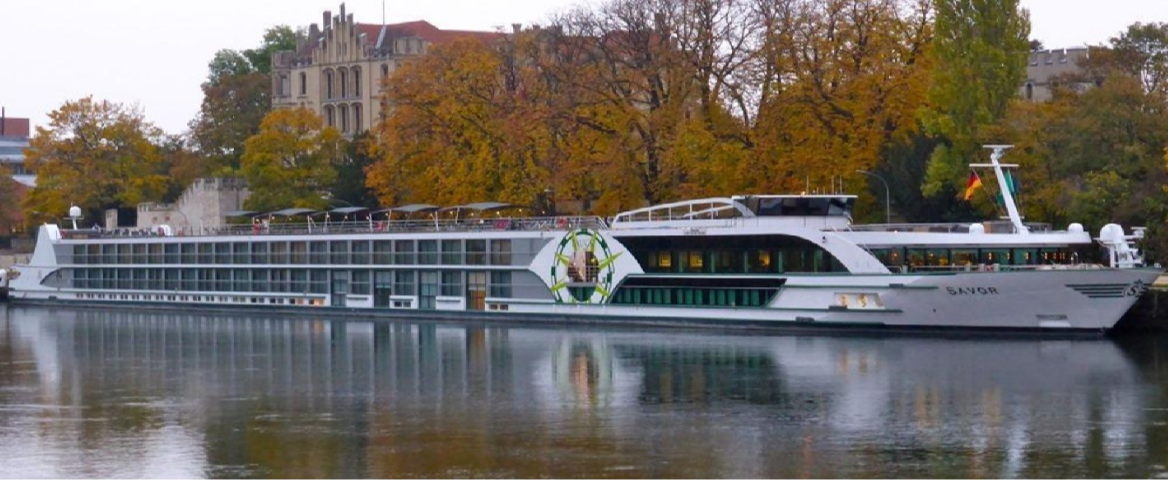
| 10 April | 6 days | One-way from Munich to Budapest |
450-628-6241
Call us
|
| 10 April | 8 days | One-way from Munich to Budapest |
450-628-6241
Call us
|
| 14 May | 8 days | One-way from Munich to Budapest |
450-628-6241
Call us
|
| 14 May | 6 days | One-way from Munich to Budapest |
450-628-6241
Call us
|

Munich, Germany | Cruise Port Guide
Frequently Asked Questions
No. The Danube does not flow through Munich: ships call at Passau or Regensburg, and the city is reached by coach on a day excursion or as a pre- or post-cruise stay.
About 1 hour 30 by coach. From Passau, allow closer to 2 hours. The drive crosses the Bavarian hills with their onion-domed village steeples and hop fields.
The trio of Marienplatz, Viktualienmarkt and the Residenz makes a realistic core; the English Garden or a beer hall fills the afternoon. Give up on seeing everything in advance: this city is discovered quarter by quarter.
The carillon of the new town hall, which starts at 11 a.m.: its life-size figures re-enact a jousting tournament held in 1568 for a princely wedding. The show lasts about ten minutes.
Yes, once you are there. The old town is largely pedestrian and the whole centre is walkable: five minutes from the main square to the Residenz, twenty minutes from the centre to the English Garden.
The vast city palace of the dukes and later kings of Bavaria, steps from Odeonsplatz, with its courtyards and state rooms. The Antiquarium, a 66-metre vaulted Renaissance gallery, justifies the visit on its own.
Yes. In the English Garden, surfers ride the permanent Eisbach wave under the eyes of passers-by, summer and winter. It has become a local ritual and one of the most surprising free spectacles in the city.
It is worth a look: founded in 1589, it rings with lederhosen-clad bands and clinking steins. It is also very busy; the beer gardens under the chestnut trees offer a quieter version of the same way of life.
A weisswurst or a pretzel standing up at the Viktualienmarkt, like everyone else, among the fruit, cheese and flower stalls and the maypole painted in the guild colours.
The euro. Cards work in museums, larger shops and most restaurants, but traditional beer halls and Viktualienmarkt stalls often run on cash.


