Agios Nikolaos Crete Greece
182
Cruises availables
At departure or passage at this port
Atlas Ocean Voyages (1 Cruises)

Azamara Club Cruises (32 Cruises)
Azamara Journey
14 Cruises

| 6 May | 8 days | Round-trip from Piraeus-Athens, Greece |
450-628-6241
Call us
|
| 6 May | 17 days | One-way from Piraeus-Athens to Venice |
450-628-6241
Call us
|
| 26 August | 70 days | One-way from Portsmouth UK to Piraeus-Athens |
450-628-6241
Call us
|
| 26 August | 71 days | One-way from Portsmouth UK to Piraeus-Athens |
450-628-6241
Call us
|
Azamara Onward
17 Cruises
Celestyal Cruises (46 Cruises)
Celestyal Journey
46 Cruises
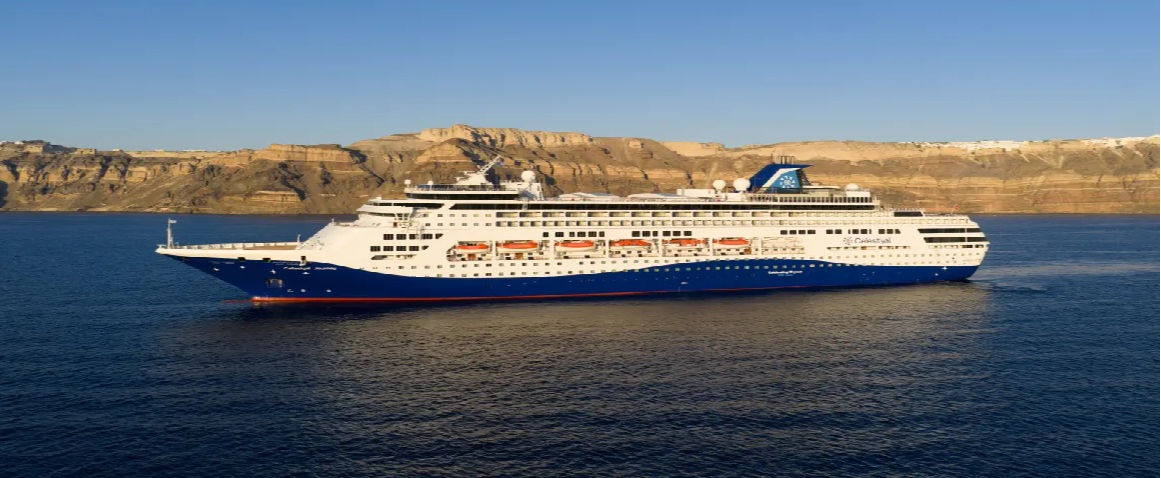

Emerald Waterways (1 Cruises)
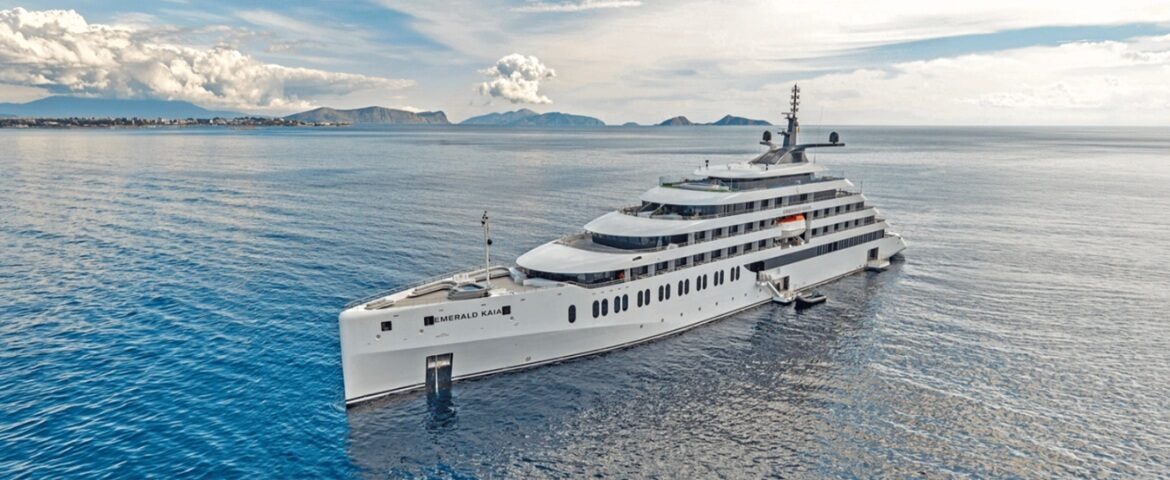

Explora Journeys (4 Cruises)
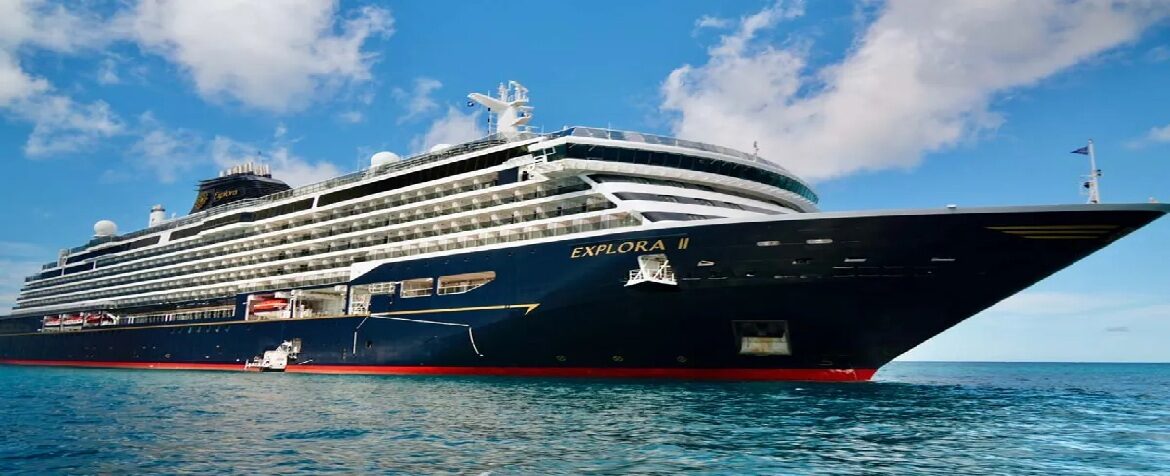

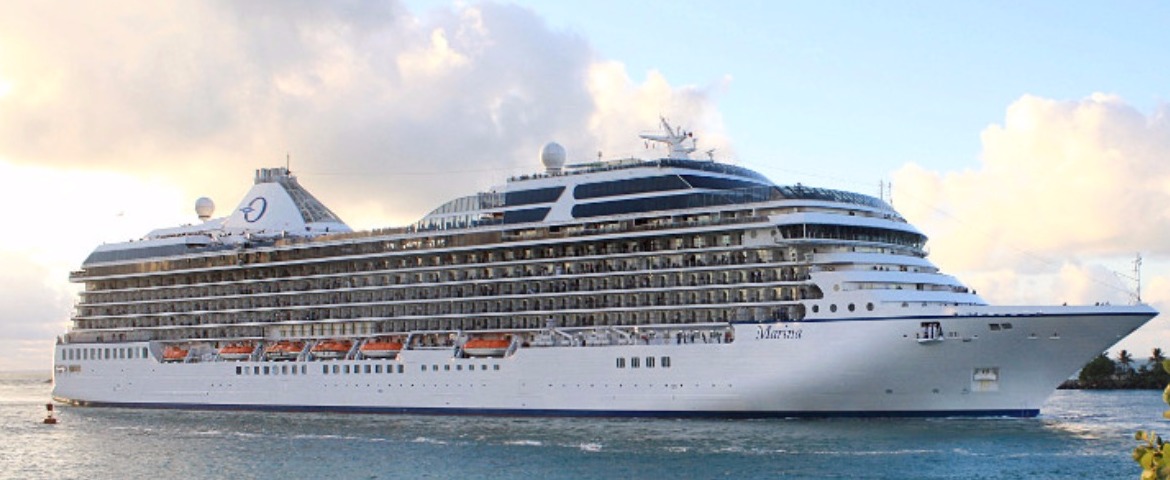

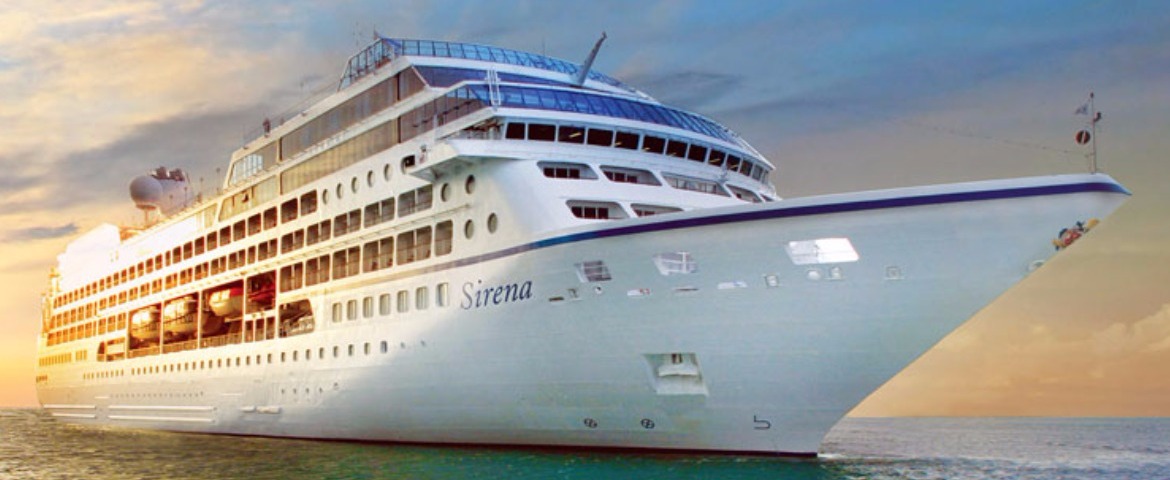
Seabourn Cruise Line (75 Cruises)
Seabourn Ovation
75 Cruises
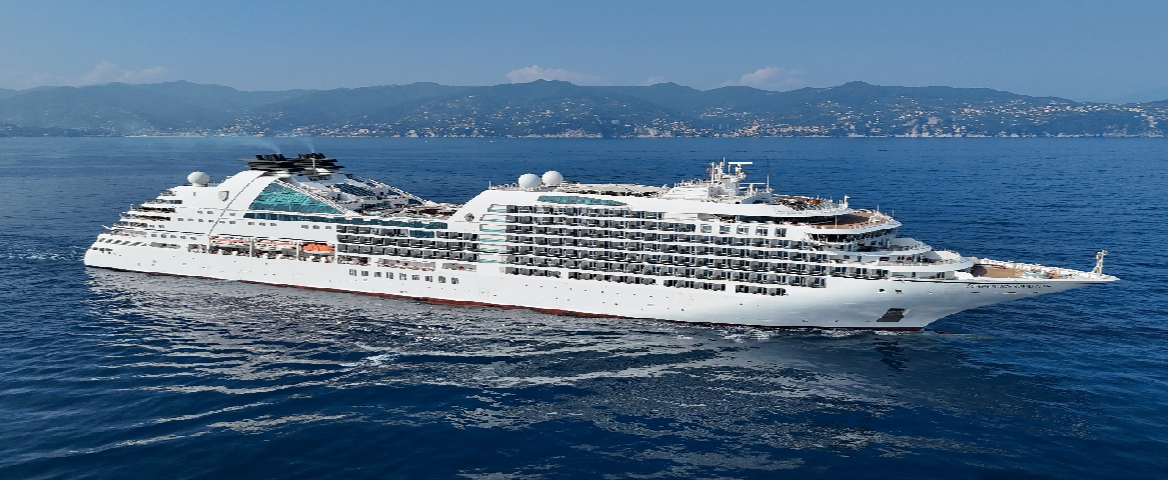

| 30 April | 30 days | One-way from Genoa to Istanbul |
450-628-6241
Call us
|
| 30 April | 29 days | One-way from Genoa to Istanbul |
450-628-6241
Call us
|
Silversea Cruises (21 Cruises)
Silver Dawn
10 Cruises
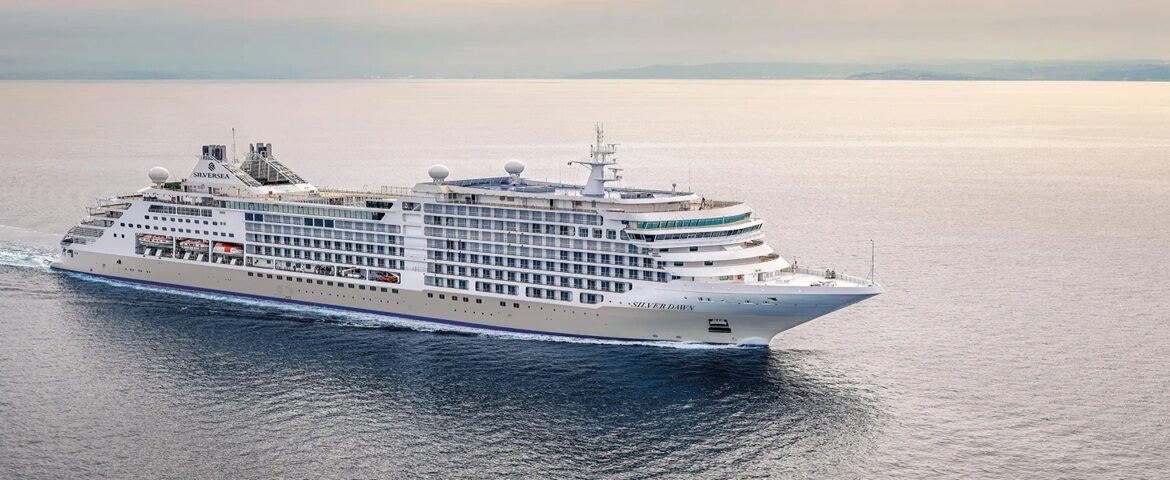

| 3 June | 8 days | One-way from Civitavecchia-Rome to Piraeus-Athens |
450-628-6241
Call us
|
| 30 June | 20 days | One-way from Civitavecchia-Rome to Piraeus-Athens |
450-628-6241
Call us
|
| 26 August | 18 days | Round-trip from Piraeus-Athens, Greece |
450-628-6241
Call us
|
| 26 August | 8 days | One-way from Piraeus-Athens to Civitavecchia-Rome |
450-628-6241
Call us
|
Silver Shadow
11 Cruises
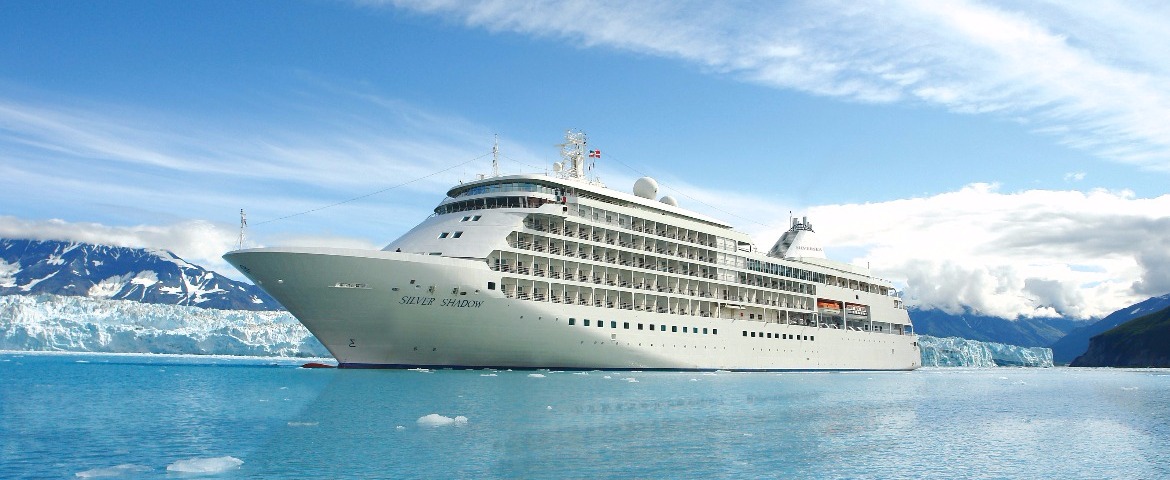
| 27 July | 25 days | One-way from Piraeus-Athens to Villefranche-sur-Mer |
450-628-6241
Call us
|
| 27 July | 13 days | One-way from Piraeus-Athens to Venice |
450-628-6241
Call us
|
| 20 August | 25 days | One-way from Villefranche-sur-Mer to Piraeus-Athens |
450-628-6241
Call us
|
| 30 August | 15 days | One-way from Civitavecchia-Rome to Piraeus-Athens |
450-628-6241
Call us
|
Frequently Asked Questions
Mid-sized ships berth right in the centre; larger ones anchor in the bay and tender passengers ashore. Either way, a five-minute walk brings you to Lake Voulismeni.
A small lake at the heart of town, ringed by cliffs and cafes and linked to the fishing harbour by a narrow channel. Legend called it bottomless; it is in fact sixty-four metres deep.
The lake and the lanes in the morning, the Archaeological Museum in under an hour, then a swim at Kitroplatia and a plate of fried squid. It is all on foot, with no transport to arrange.
Yes, Kitroplatia cove, fringed with tamarisks, is a few minutes from the landing and the water shelves gently. A little further on, Ammos beach offers more space and full facilities.
Yes, boats leave from the quays. The fortified islet holds sixteenth-century Venetian bastions, an Ottoman village and a leper colony that operated until 1957. Allow half a day: it is the one real trade-off of this call.
Yes if Minoan civilisation interests you. Its Lassithi collections rank among the richest in Crete after those of Heraklion, and the visit takes under an hour.
Yes. The town is compact, the swimming spots are within walking distance and the water shelves gently at Kitroplatia. The steps above the lake need some breath, but the viewpoint repays them.
The euro and Greek, with English widely spoken in this resort town. Cards work in most businesses; keep some cash for small tavernas.
You can. The Lassithi mountains, visible from the viewpoint above the lake, often stay dusted with snow into spring, in complete contrast with the seafront terraces.
May to October. July and August are hot and busy; May, June and September give the best mix of comfortable swimming and breathable streets.


