Kavala Greece
55
Cruises availables
At departure or passage at this port
Azamara Club Cruises (15 Cruises)
Azamara Journey
15 Cruises
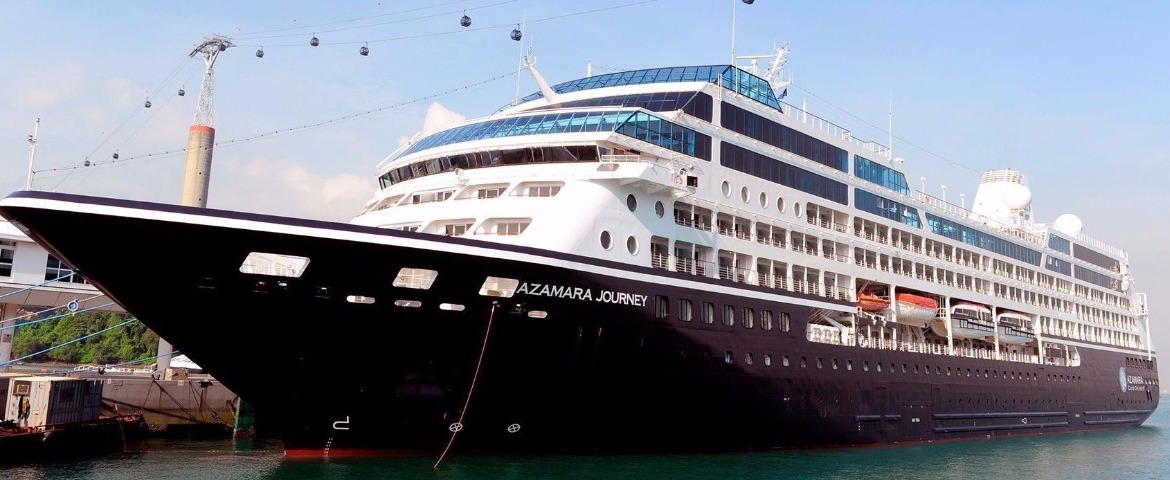

| 26 August | 70 days | One-way from Portsmouth UK to Piraeus-Athens |
450-628-6241
Call us
|
| 26 August | 71 days | One-way from Portsmouth UK to Piraeus-Athens |
450-628-6241
Call us
|
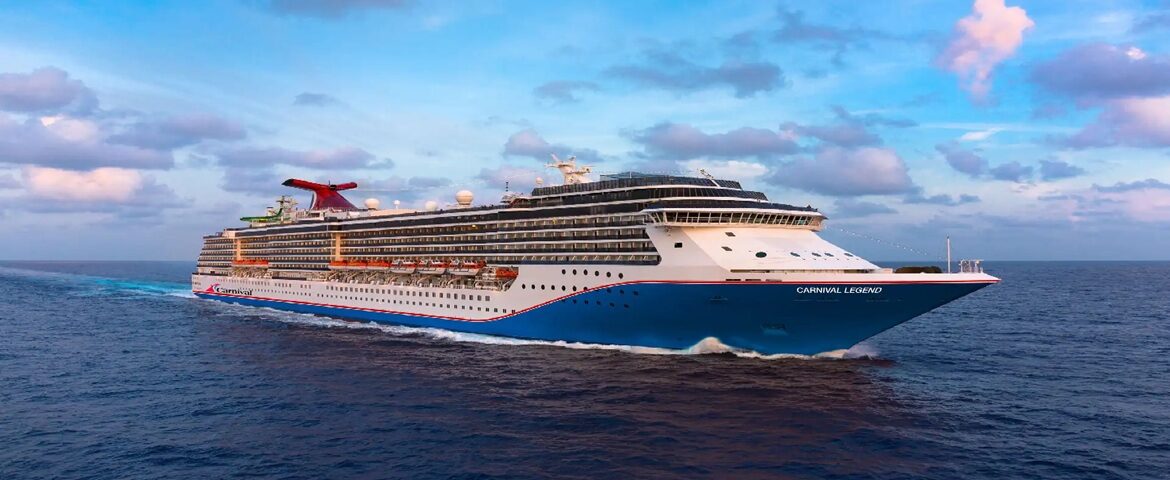
Carnival Cruise Line (1 Cruises)
Celebrity Cruises (18 Cruises)
Celebrity Infinity
18 Cruises
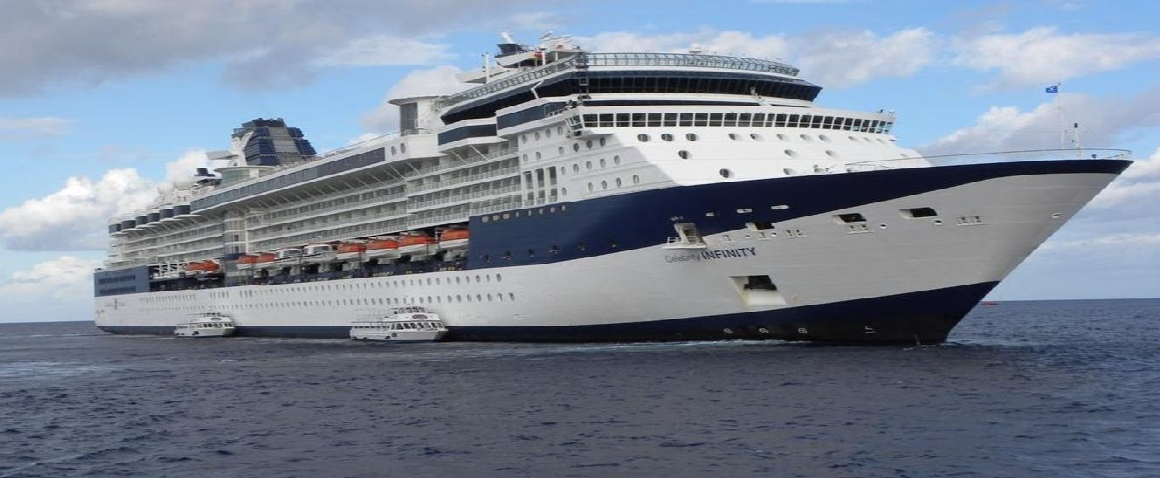
| 22 March | 11 days | Round-trip from Piraeus-Athens, Greece |
450-628-6241
Call us
|
| 22 March | 11 days | Round-trip Eastern Mediterranean Celebrity Infinity Piraeus Athens |
From
1353$
|
Oceania Cruises (13 Cruises)
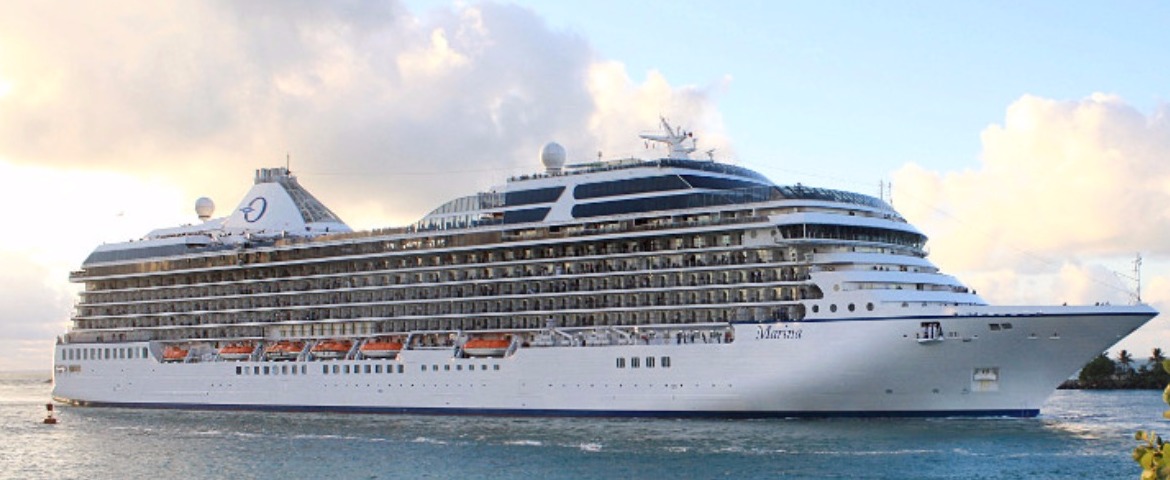
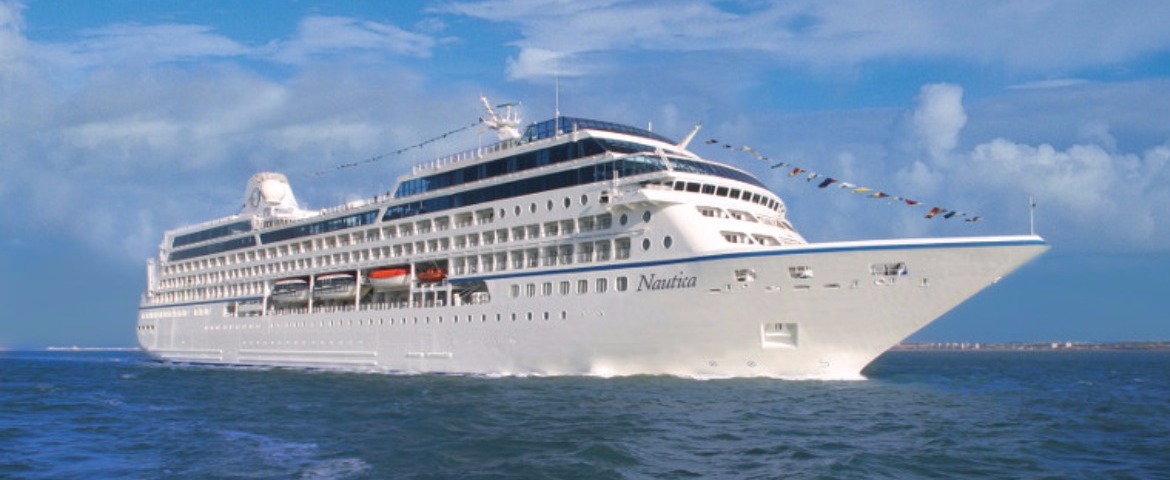
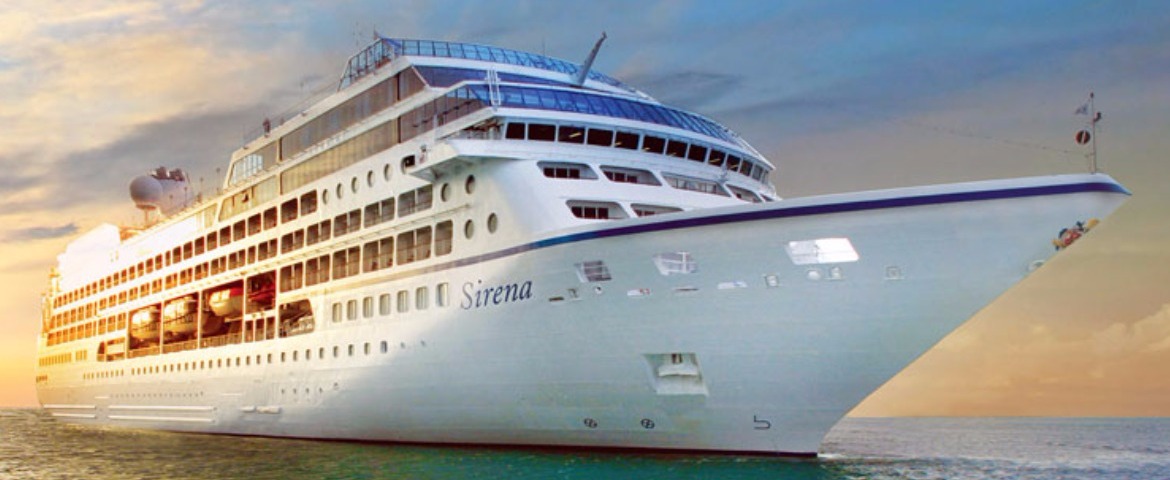
Oceania Vista
7 Cruises
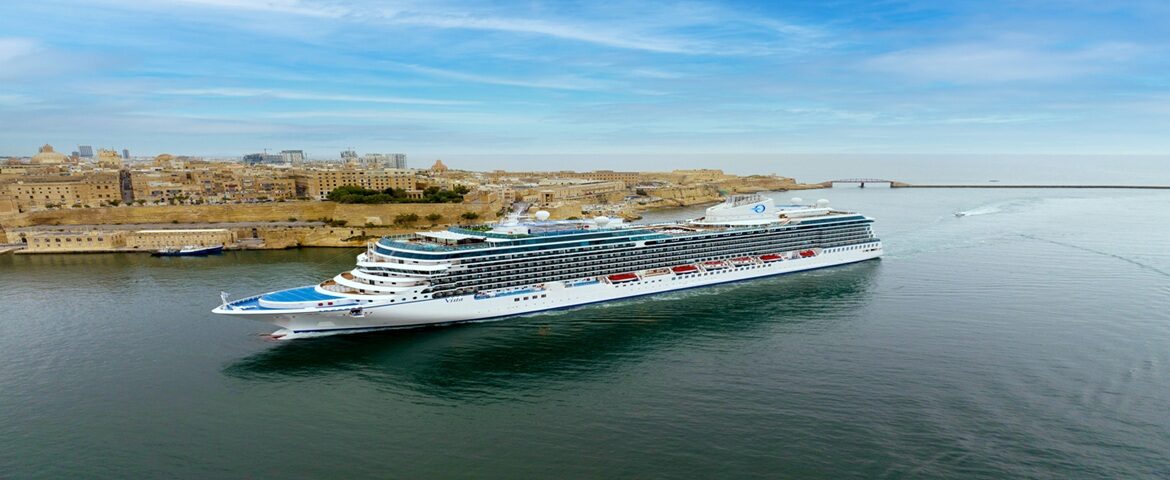
| 4 January | 96 days | One-way from Auckland to Civitavecchia-Rome |
450-628-6241
Call us
|
| 4 January | 97 days | One-way from Auckland to Civitavecchia-Rome |
450-628-6241
Call us
|
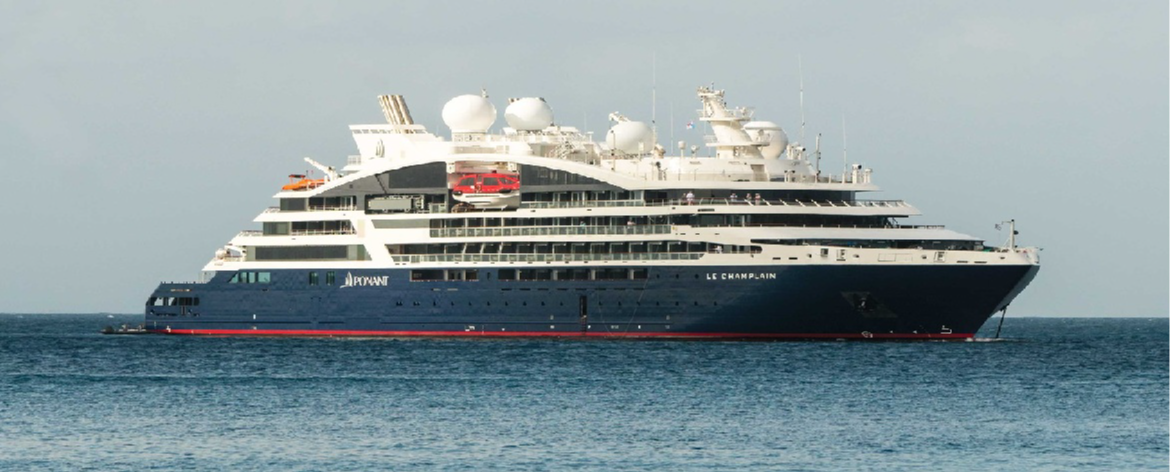
Ponant (1 Cruises)

Windstar Cruises (7 Cruises)
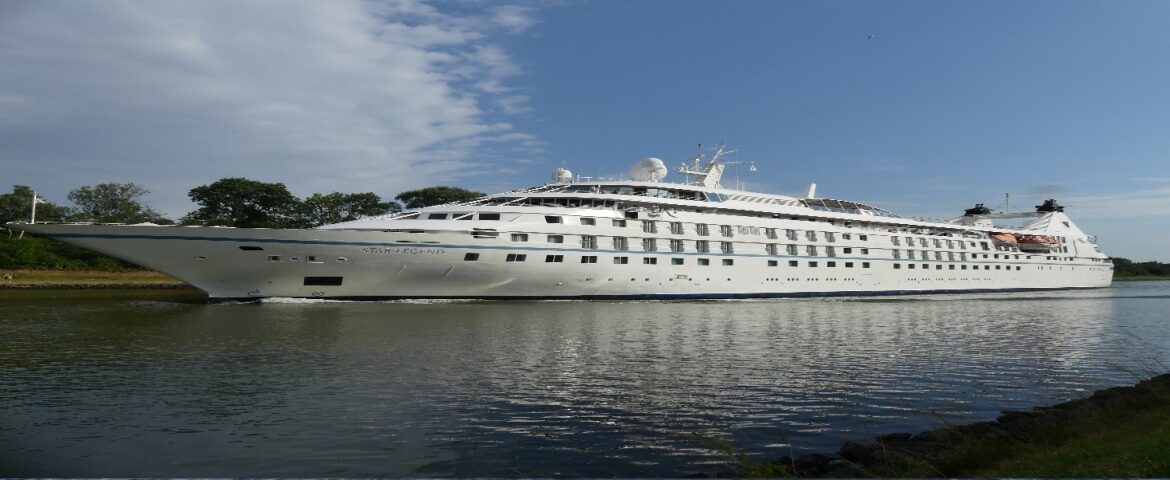
Star Legend
7 Cruises

Frequently Asked Questions
The terminal is right in the centre, at the foot of the historic layers. The Kamares aqueduct is a few minutes' walk away, and the whole day can be done on foot.
A structure 270 metres long and up to 25 metres high, rebuilt in the sixteenth century by the Ottomans on Roman foundations, which supplied water to the Panagia peninsula. You pass beneath it as under a triumphal arch.
The aqueduct, the Panagia peninsula and the Byzantine fortress on foot in the morning, then Philippi by taxi in the afternoon, about twenty minutes away. The old harbour and its tavernas close the day.
The historic district clinging to its headland: cobbled lanes between overhanging Ottoman houses, potters' and jewellers' workshops, courtyards hung with laundry. At the top, the Byzantine fortress opens a panorama over the gulf and the island of Thassos.
A UNESCO World Heritage site about twenty minutes away by road. Founded by Philip II of Macedon, father of Alexander the Great, the city became an important Roman colony; by tradition, the apostle Paul preached his first sermon on European soil here.
About two hours for the theatre, the forum and the basilicas. Taxis waiting near the terminal offer the round trip, and organised excursions also cover the site.
The gradients are steady and the cobbles uneven: wear proper shoes. The reward is the panorama over the gulf, the rooftops of the peninsula and Thassos on the horizon.
Neapolis for the Greeks, then Christoupolis for the Byzantines, before prospering under the Ottomans. Each era left its layer of stone, and you travel back in time as you climb the streets.
Kavala is a working fishing port: grilled sardines, octopus and meze washed down with local ouzo. The nearby market overflows with olives, honey and regional cheeses, and the pastry shops line up baklava and syrup cakes, a legacy of the long Ottoman period.
The euro and Greek. Shops take cards, but bring cash for small purchases at the market and in artisans' workshops. English is spoken in the tavernas around the old harbour.


