Esztergom Hungary
Hungary
395
Cruises availables
At departure or passage at this port
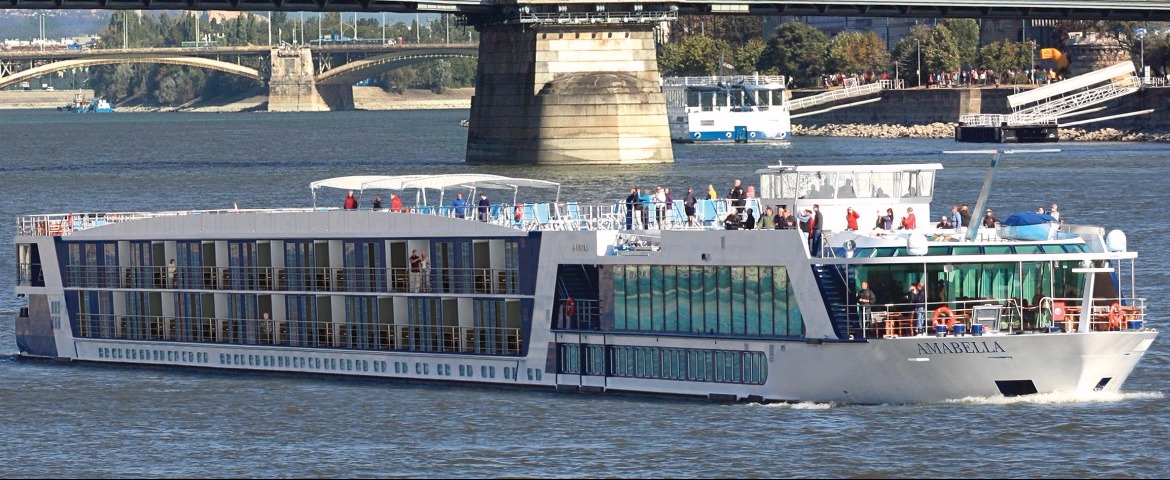
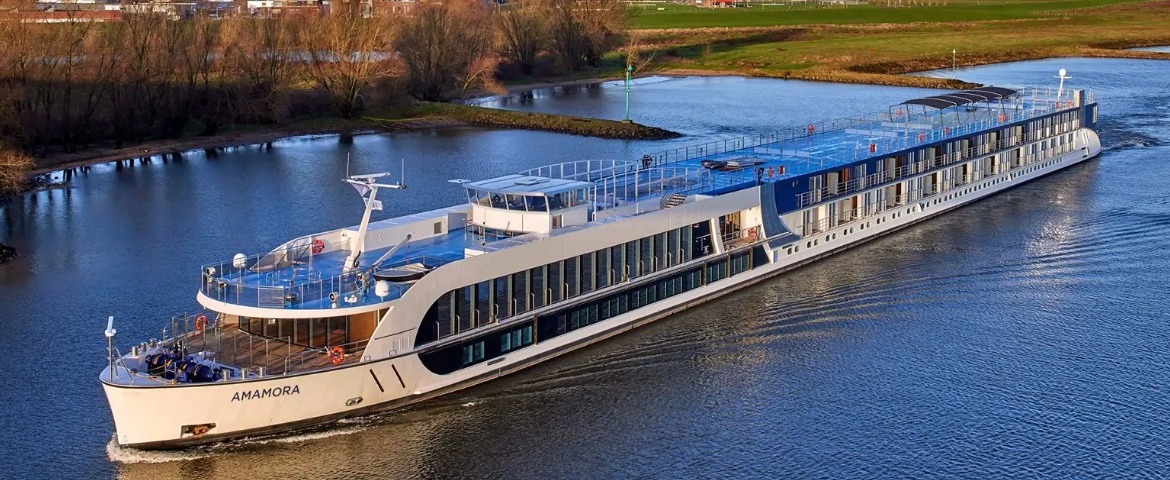
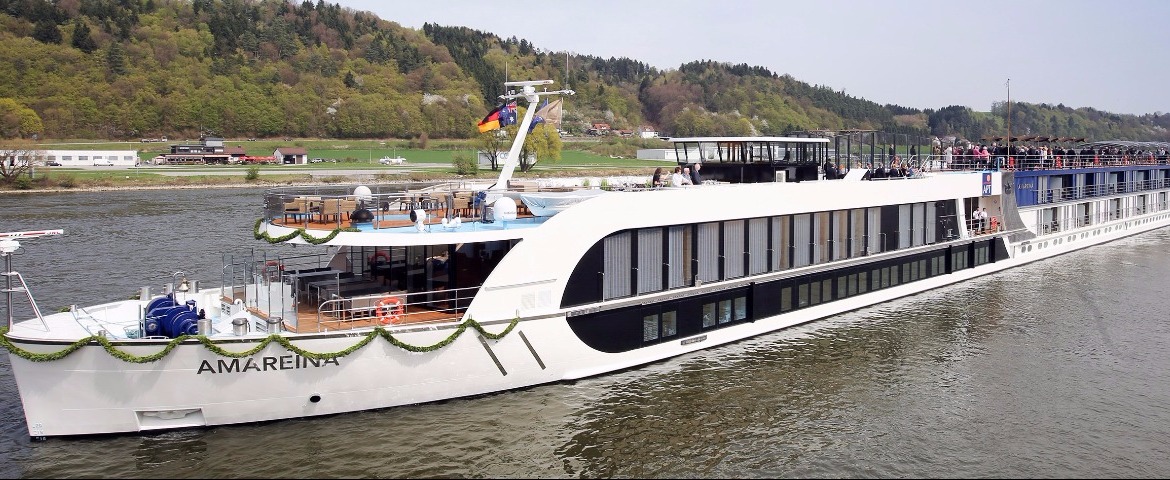
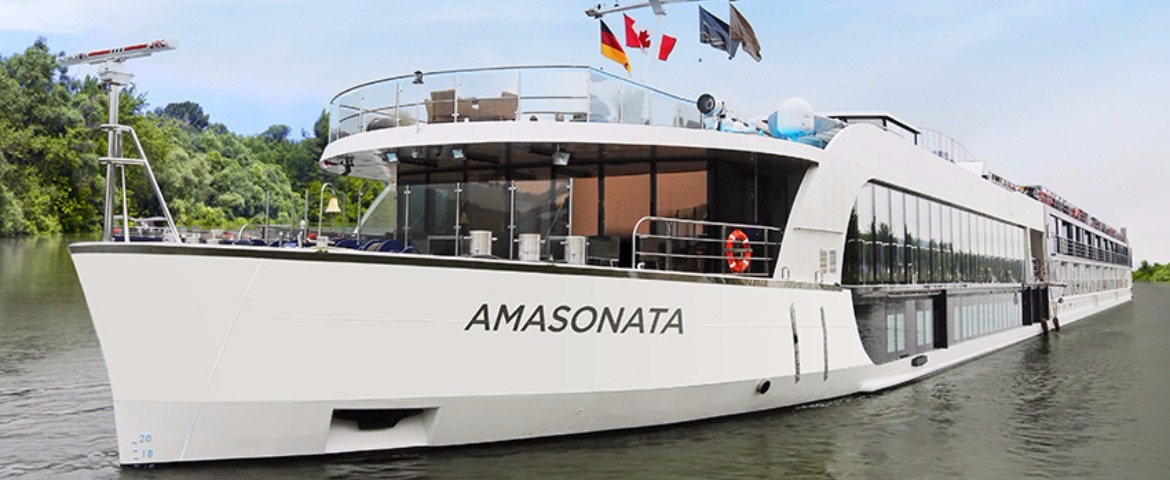
AmaWaterways (24 Cruises)

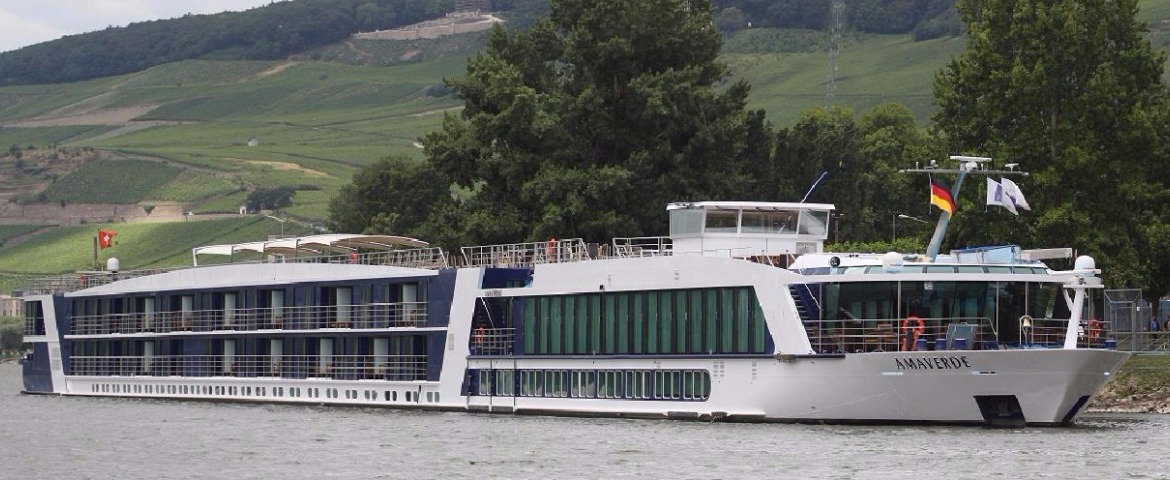
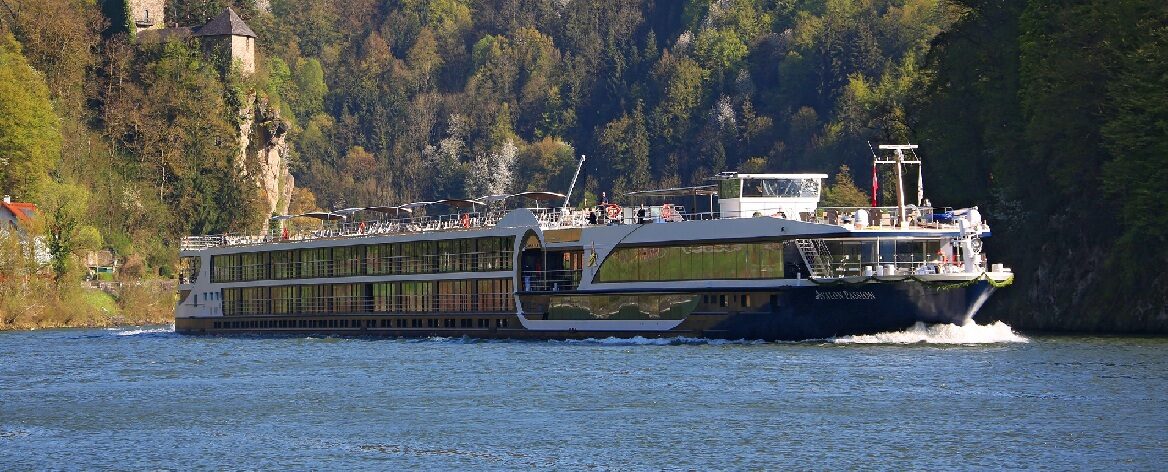
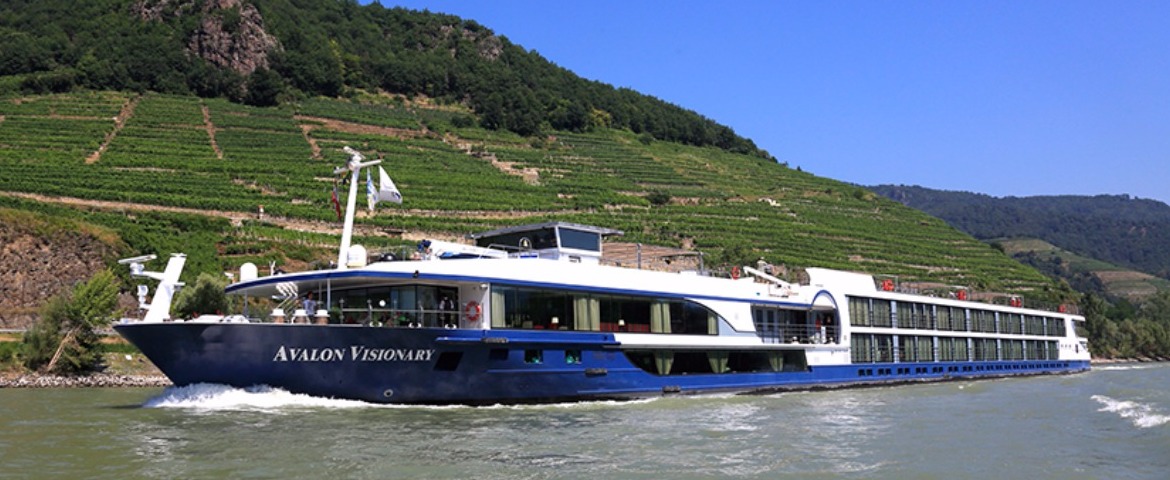
Avalon Waterways (14 Cruises)
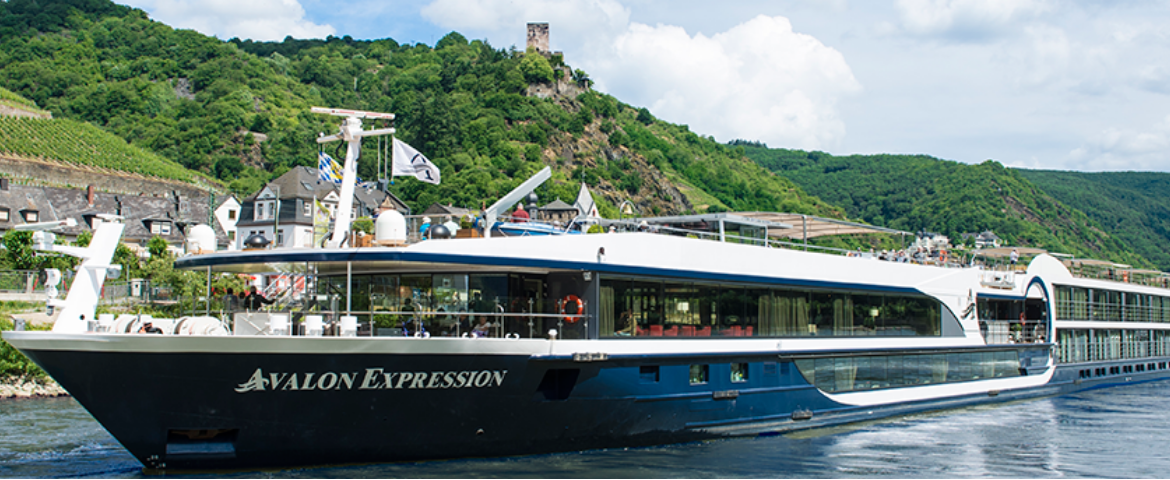

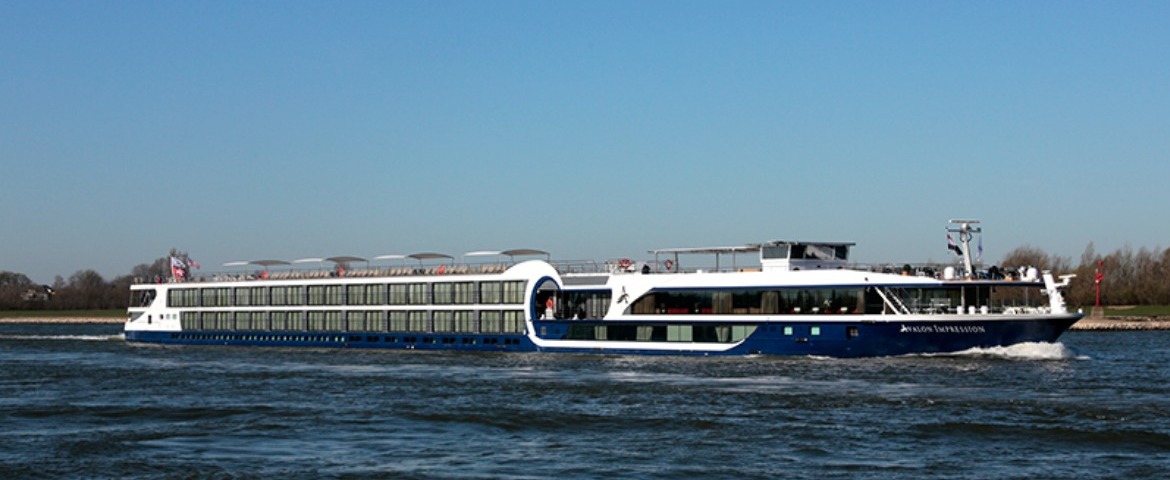
Avalon Imagery II®
4 Cruises
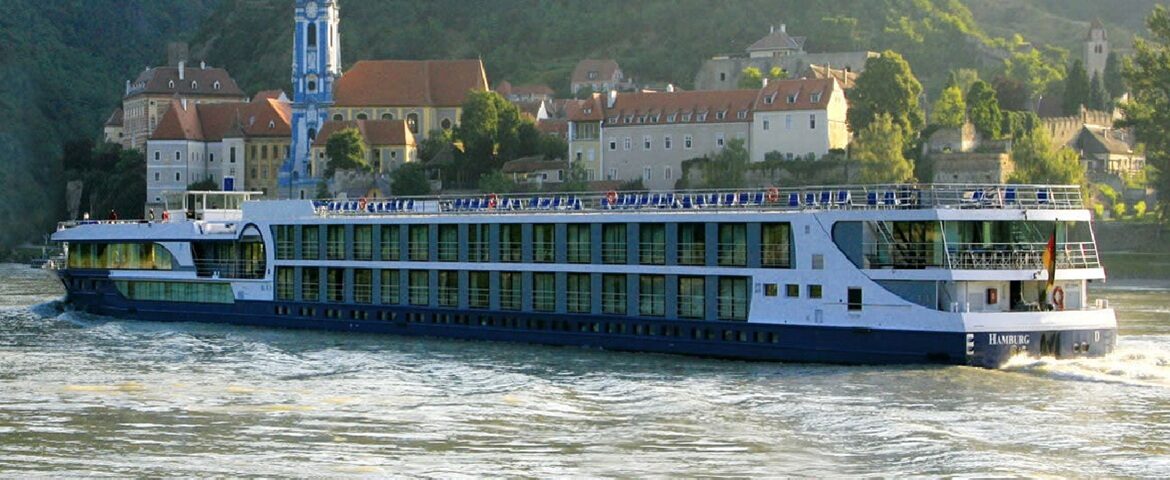
CroisiEurope (96 Cruises)
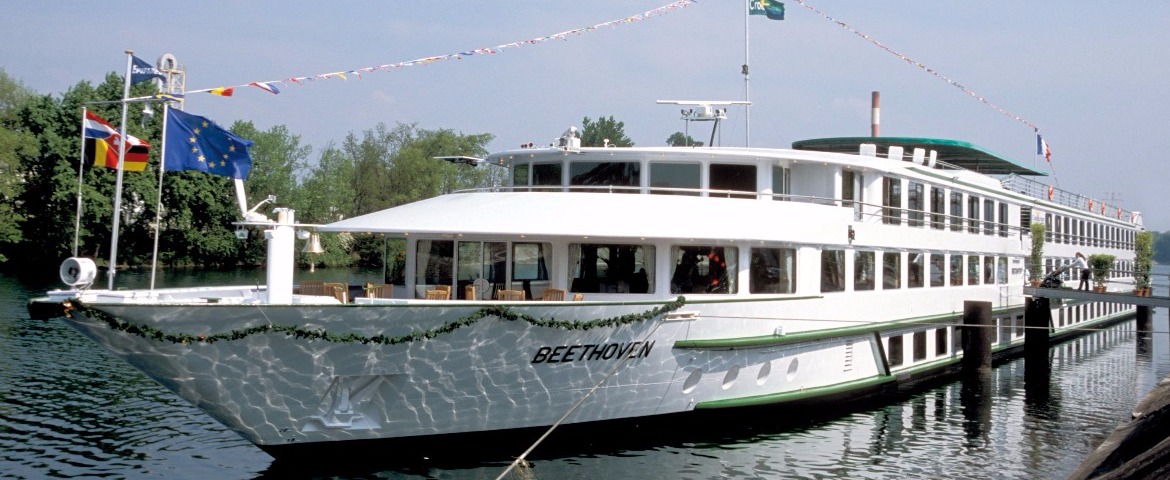
MS Beethoven
41 Cruises

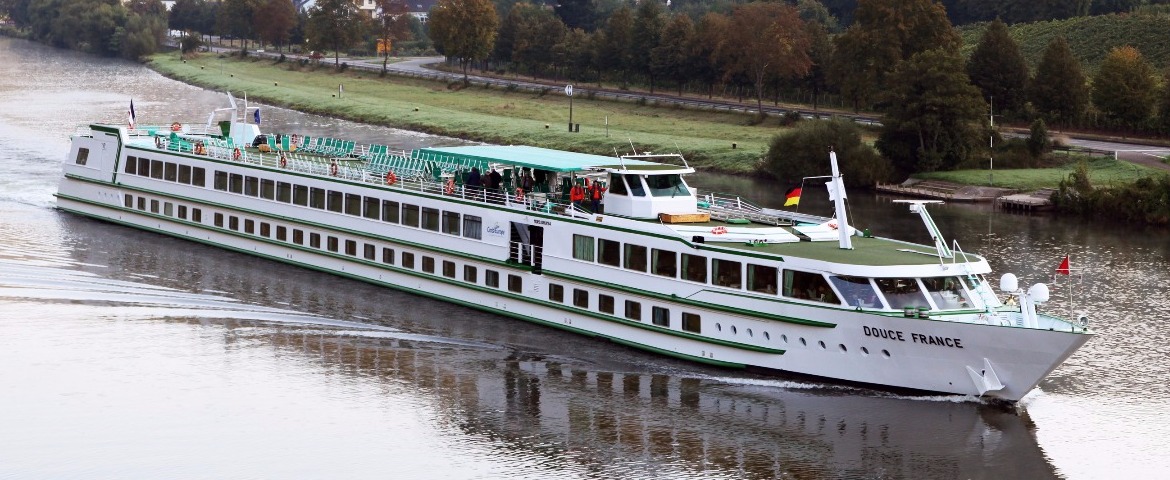
MS Douce France
16 Cruises
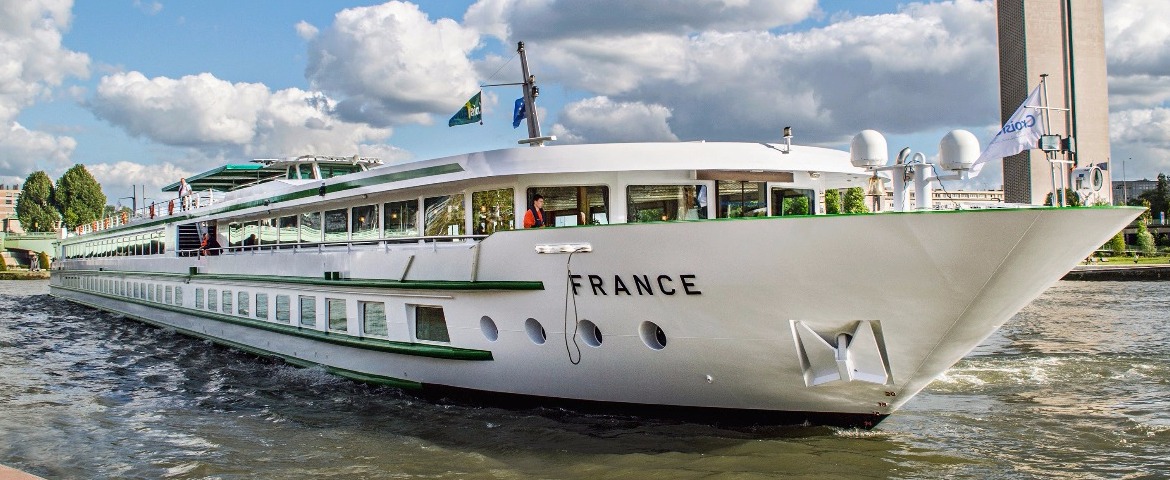
MS France
15 Cruises
| 29 June | 6 days | One-way from Passau to Budapest |
450-628-6241
Call us
|
| 29 June | 5 days | One-way from Passau to Budapest |
450-628-6241
Call us
|
MS L'Europe
1 Cruises
 Image not available
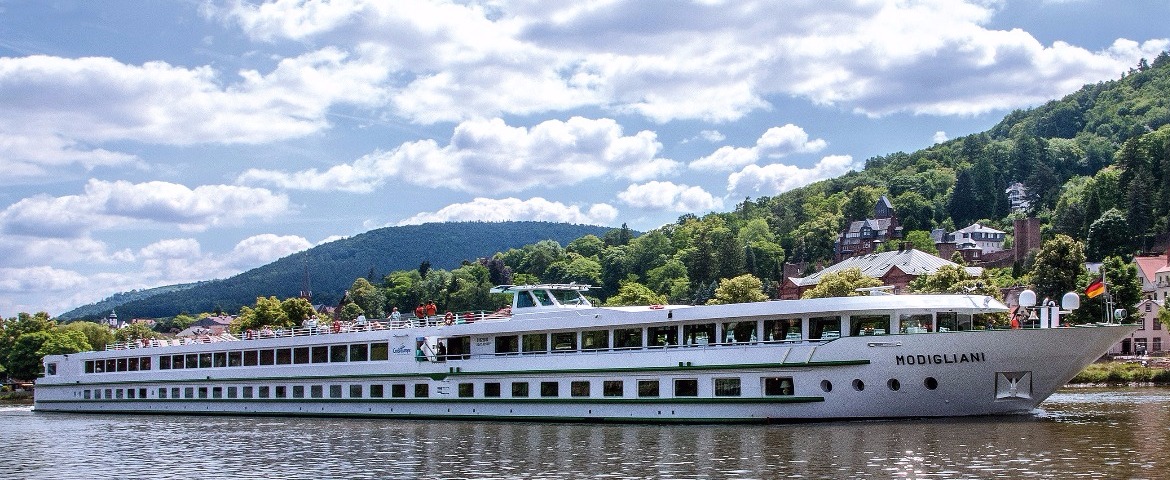
MS Modigliani
18 Cruises
| 13 May | 12 days | One-way from Kehl-Strasbourg to Budapest |
450-628-6241
Call us
|
| 13 May | 13 days | One-way from Kehl-Strasbourg to Budapest |
450-628-6241
Call us
|
| 13 June | 12 days | One-way from Kehl-Strasbourg to Budapest |
450-628-6241
Call us
|
| 13 June | 13 days | One-way from Kehl-Strasbourg to Budapest |
450-628-6241
Call us
|
| 16 September | 13 days | One-way from Kehl-Strasbourg to Budapest |
450-628-6241
Call us
|
| 16 September | 12 days | One-way from Kehl-Strasbourg to Budapest |
450-628-6241
Call us
|
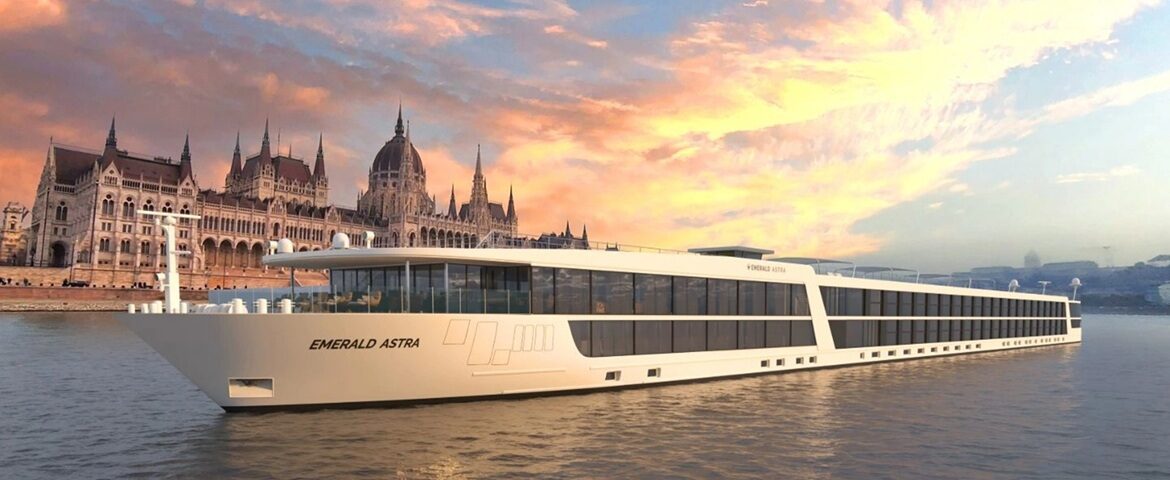

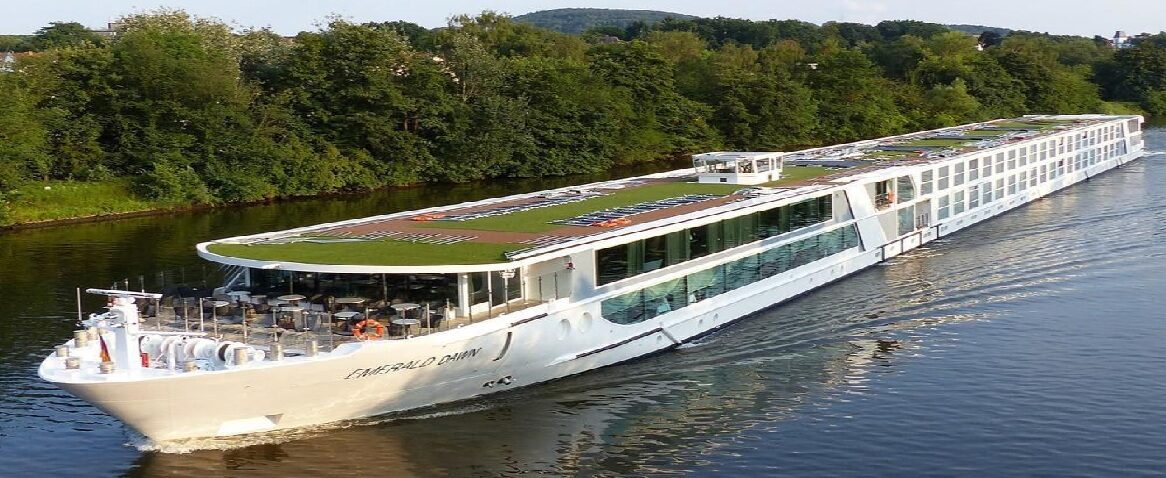
Riviera Travel (253 Cruises)
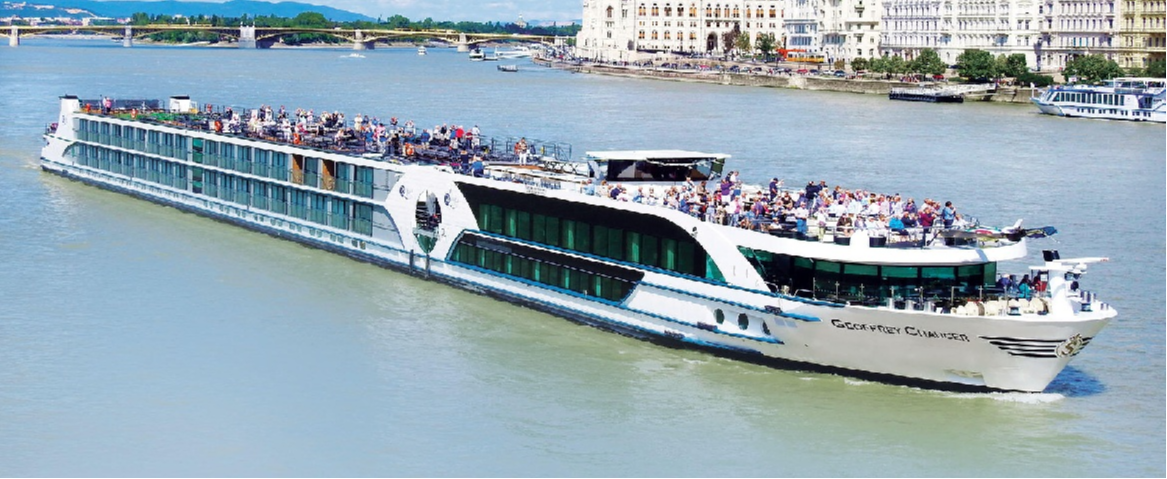
MS Geoffrey Chaucer
76 Cruises

| 29 March | 8 days | Round-trip from Budapest, Hungary |
450-628-6241
Call us
|
| 29 March | 7 days | Round-trip The Blue Danube River Cruise for Solo Travellers |
450-628-6241
Call us
|
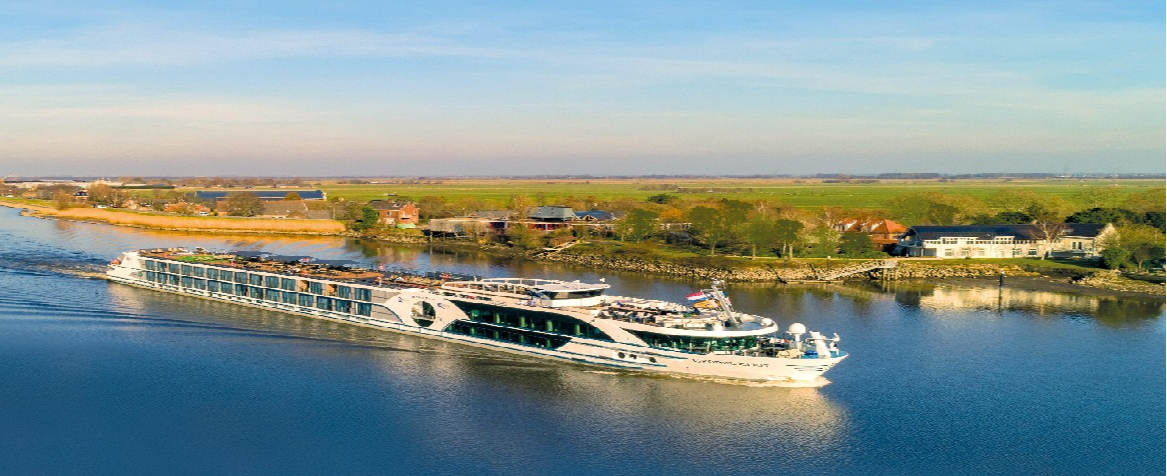
MS George Eliot
20 Cruises
| 30 June | 7 days | Round-trip The Blue Danube River Cruise for Solo Travellers - MS George Eliot |
450-628-6241
Call us
|
| 30 June | 8 days | Round-trip from Budapest, Hungary |
450-628-6241
Call us
|
| 27 October | 8 days | Round-trip from Budapest, Hungary |
450-628-6241
Call us
|
| 27 October | 7 days | Round-trip The Blue Danube River Cruise for Solo Travellers - MS George Eliot |
450-628-6241
Call us
|
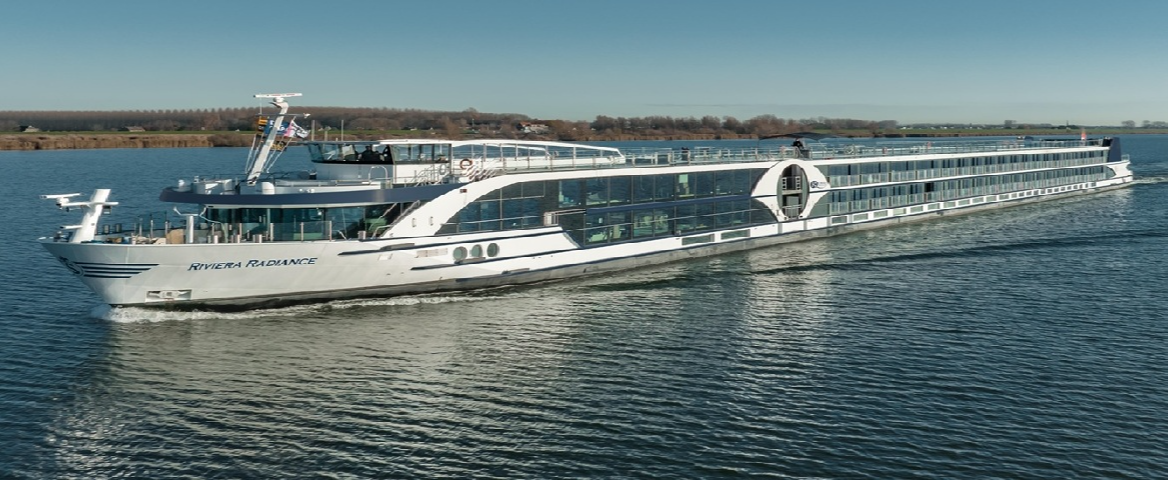
MS Riviera Radiance
57 Cruises
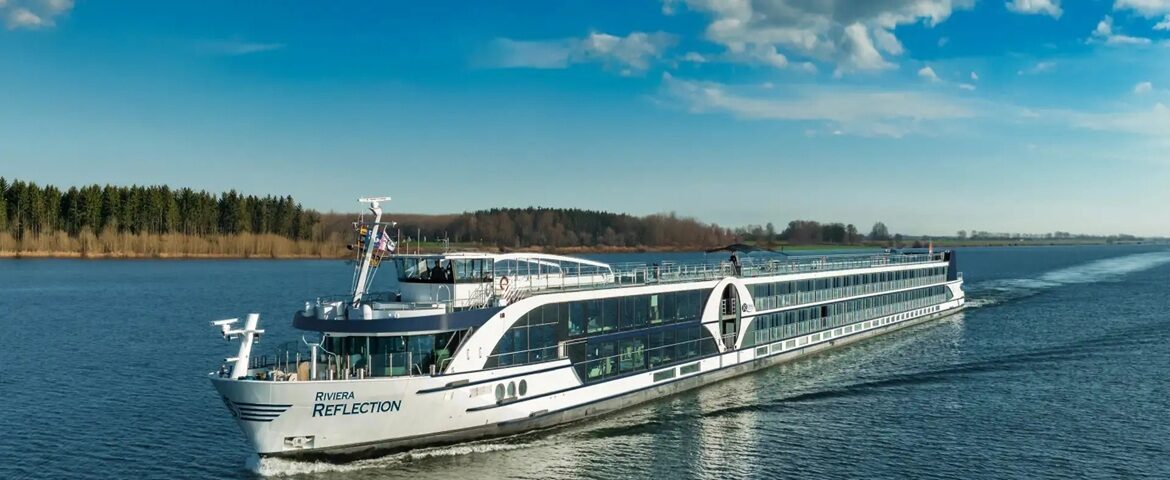
MS Riviera Reflection
13 Cruises
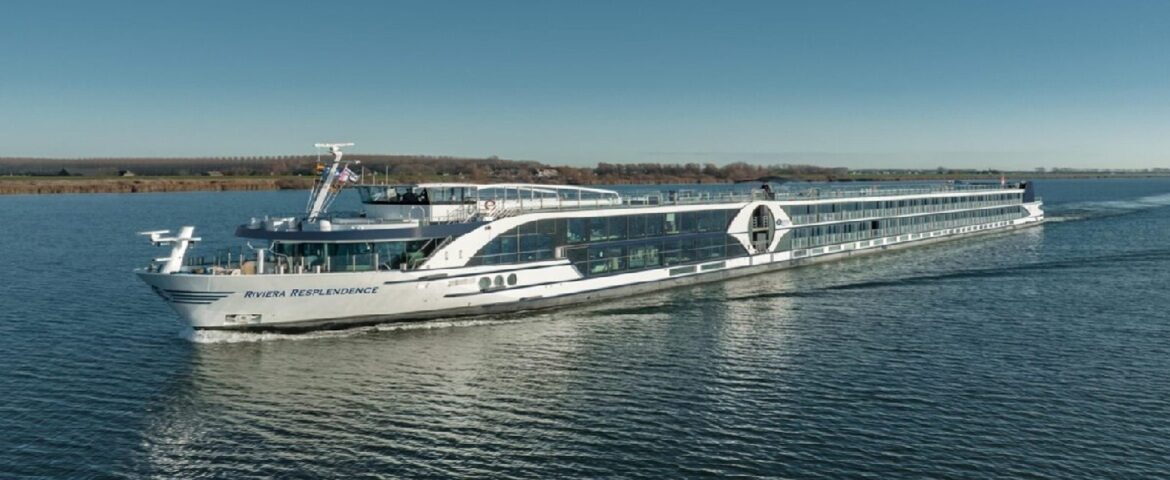
MS Riviera Resplendence
4 Cruises
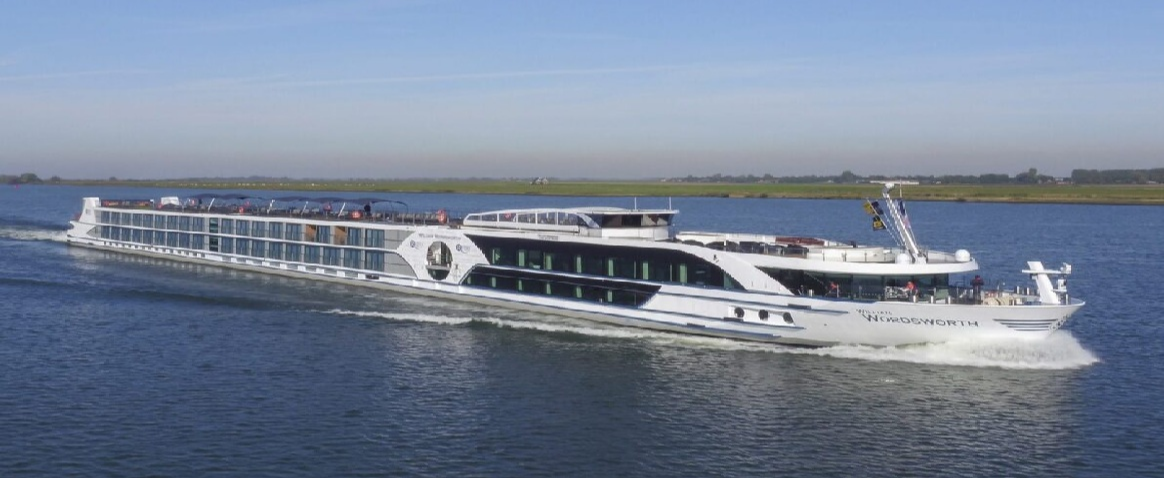
MS William Wordsworth
83 Cruises
Esztergom | Cruise Port Guide
Frequently Asked Questions
On the Danube bank, practically at the foot of the basilica. The landing is fifteen to twenty minutes' walk from the top of the castle hill.
Its green dome, visible for kilometres above a bend in the Danube. It is the largest church in Hungary, so imposing it seems built to be seen from the water.
Because it was the kingdom's first capital: Prince Géza settled here in the 10th century, his son Stephen was crowned first king of Hungary around the year 1000, and the rulers lived here until the Mongol invasion. The town remains the seat of the primate of the Hungarian Catholic Church.
The Bakócz Chapel, a Renaissance masterpiece in red marble three centuries older than the rest of the building, dismantled and rebuilt stone by stone. The dome rises to a hundred metres, and the church holds the largest altarpiece painted on a single canvas in the world.
Yes, up to the drum, for the willing: the panorama takes in the Danube, the hills and two countries at once. The crypt, the treasury and the climb each have separate tickets.
What survives of the medieval palace, adjoining the basilica: a chapel with precious frescoes, vaulted halls, a white tower. You walk the rooms where the Árpáds, the founding dynasty, actually lived, with views straight down to the water. Allow an hour.
The "water town," a baroque quarter of churches, pastel façades and the primate's palace, which houses the Christian Museum: the richest collection of sacred art in the country, medieval Hungarian altarpieces and Italian primitives included.
Yes, and it is the signature experience of the call: cross the Mária Valéria bridge, destroyed in 1944 and rebuilt only in 2001, and set foot in Štúrovo. Ten minutes is enough, and from mid-span the view of the dome above the water is one of the great images of the Danube route.
Forints for small purchases, though the euro circulates across the bridge in Štúrovo.
Late afternoon, when the sun lights the façade facing the water. The centre and the bridge are easy on foot; the climb to the basilica is the only real gradient.


