Siglufjordur Iceland

62 Cruises availables At departure or passage at this port
Seabourn Cruise Line (44 Cruises)

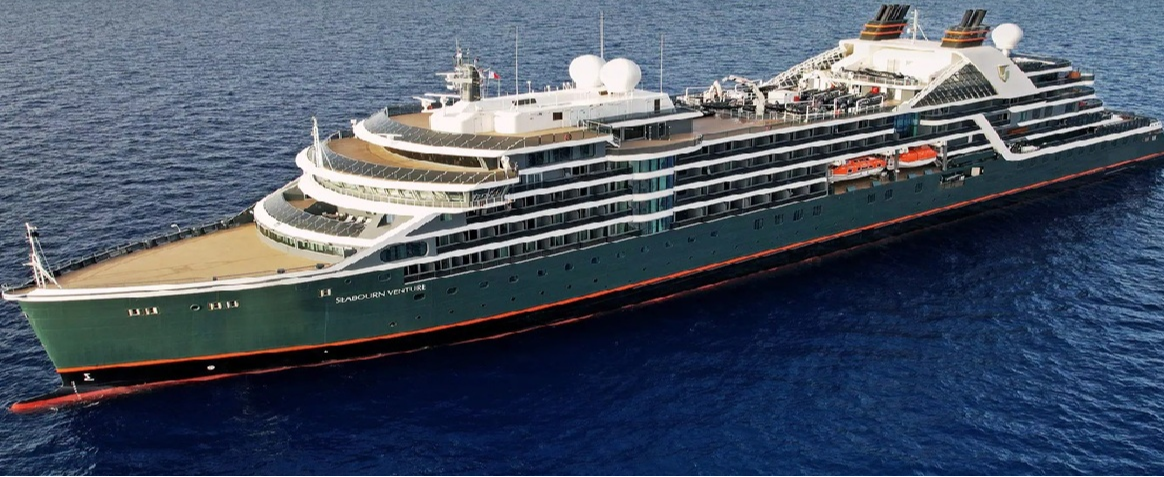
Seabourn Venture

Seabourn Venture

Visit the ship's page

Port of Siglufjörður, Iceland | Cruise Port Guide

In the heady days of the herring boom, Siglufjörður was one of the liveliest places in Iceland. Hundreds of boats, thousands of seasonal workers, wharves covered with barrels: the small fjord in the north of the country exported its silver fish around the world, and the ensuing rush was nicknamed the "Klondike of the Atlantic." The fish have gone, the fever has subsided, but the town had the wisdom to keep its memories. Ships now dock right in the centre, a few steps from one of the country's most endearing museums.

Docking right beside the houses

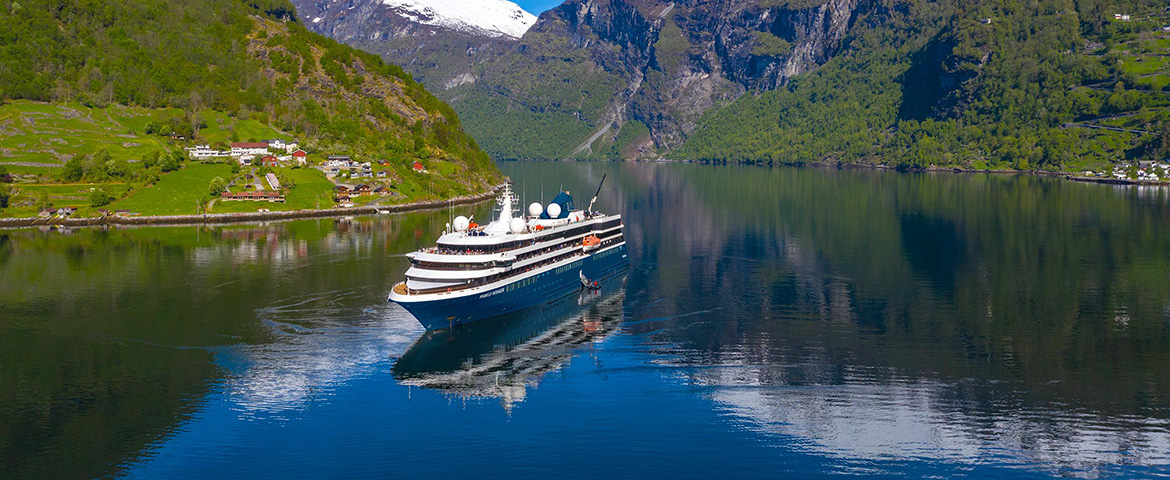
Here, there's no port area to cross: the wharf opens directly onto the streets, between colourful corrugated-iron houses and steep mountains enclosing the fjord. Since 2002, the town has welcomed cruise passengers with the simplicity of small communities: cafés, the marina, shops and most of what makes up the visit are all within walking distance. The natural setting commands respect — steep slopes, often streaked with snow until early summer, plunge down on either side of the water. From the boom years, massive warehouses remain, oversized for a town of this size.

A museum for an epic

The main attraction occupies three buildings by the water: the Herring Era Museum, the largest maritime museum in Iceland. In Róaldsbrakki, a former Norwegian salting station from 1907, you visit the dormitories where the "herring girls" lived, the seasonal workers who salted the fish on the line; their belongings seem to have been left there the day before. Grána, the 1930s factory, explains the processing into meal and oil, with gears and machines to illustrate; the guides tell of fortunes made in a single season, and bankruptcies just as swift. The Boathouse, opened in 2004 by the Crown Prince of Norway, gathers eleven vessels moored in a reconstructed harbour. In summer, salting demonstrations in costume, punctuated by songs and accordion music, bring a whole era back to life before visitors gathered in the open air.

Music, marina and mountains

The rest of the town can be explored without a map. The Icelandic Folk Music Centre brings to life the country's old songs, collected in the region; the marina lines up cafés and fish restaurants in former warehouses; and photographers happily climb the heights to frame the multicoloured rooftops against the wall of peaks. Walkers have marked trails of all levels in the neighbouring valleys — ask when you disembark, Icelandic mountains demand respect, even in summer.

Planning the port call

  • The museum is the heart of the visit: allow one to two hours for the three buildings.
  • Check the schedule of the salting demonstrations, often timed to port call days.
  • Everything is accessible on foot from the wharf; no transportation is needed.
  • Bring a warm jacket: even in midsummer, the wind off the fjord stays brisk.
  • With distances so short, the port call lends itself well to independent visits, at your own pace.

The silver of the sea

Before departure, allow yourself a last stop on the wharf, where barrels were once stacked by the tens of thousands. Something of that old energy still lingers in Siglufjörður, softened by the calm that has returned: a town that knew fortune, lost it, and chose to make it a story rather than a regret. It's a lesson in Icelandic history that no textbook tells as well as these dormitories, these machines and these salting songs. The ship pulls away between the walls of the fjord, and you catch yourself humming — as if the herring girls were still singing somewhere behind the corrugated-iron houses.

Frequently Asked Questions

Right in the centre, level with the houses. There is no port area to cross: the quay opens straight onto the streets, between coloured metal houses and the steep mountains that enclose the fjord. No transport is needed during the call.
Because the herring rush made it, in its boom years, one of the liveliest places in Iceland: hundreds of boats, thousands of seasonal workers, quays covered in barrels and exports to the entire world. The fish left, the fever passed, but the town kept its memories.
The largest maritime museum in Iceland, spread over three waterfront buildings a few steps from the quay. It is the main draw of the call and the core of any visit: plan to give it most of your time ashore.
Róaldsbrakki, a Norwegian station from 1907, keeps the dormitories of the "herring girls", the seasonal workers who salted fish on the line — their belongings look set down only yesterday. Grána, the 1930s plant, explains processing into meal and oil. The Boat House, opened in 2004 by the Crown Prince of Norway, gathers eleven vessels in a recreated quayside.
Yes, in summer, in costume, with singing and accordion, performed outdoors before assembled visitors. They bring a whole era back to life. Check the timing when you land: it is often set around ship calls.
The Icelandic Folk Music Centre, where old songs collected in the region are played; the marina, lined with cafés and fish restaurants in former warehouses; and a walk up the slopes to frame the multicoloured roofs against the wall of peaks.
Yes, marked trails of all levels lead into the neighbouring valleys. Ask locally before setting out: Icelandic mountains demand respect even in summer, and the slopes enclosing the fjord are steep and often streaked with snow into early season.
Half a day is plenty, and the distances are so short that the call suits independent exploring. The museum takes the largest share; the rest of the town can be wandered without a map, at your own pace.
Bring a warm jacket: even in high summer the fjord wind stays sharp. Short distances are no excuse for skipping a windproof layer, especially if you climb the slopes for the view.
The story of a town that knew fortune, lost it, and chose to make a narrative of it rather than a regret. The massive warehouses, far too large for a place this size, say a great deal. It is a lesson in Icelandic history no textbook tells as well as these dormitories, machines and salting songs.