Celukan Bawang Bali Indonesia
138
Cruises availables
At departure or passage at this port
Azamara Club Cruises (37 Cruises)
Azamara Onward
13 Cruises
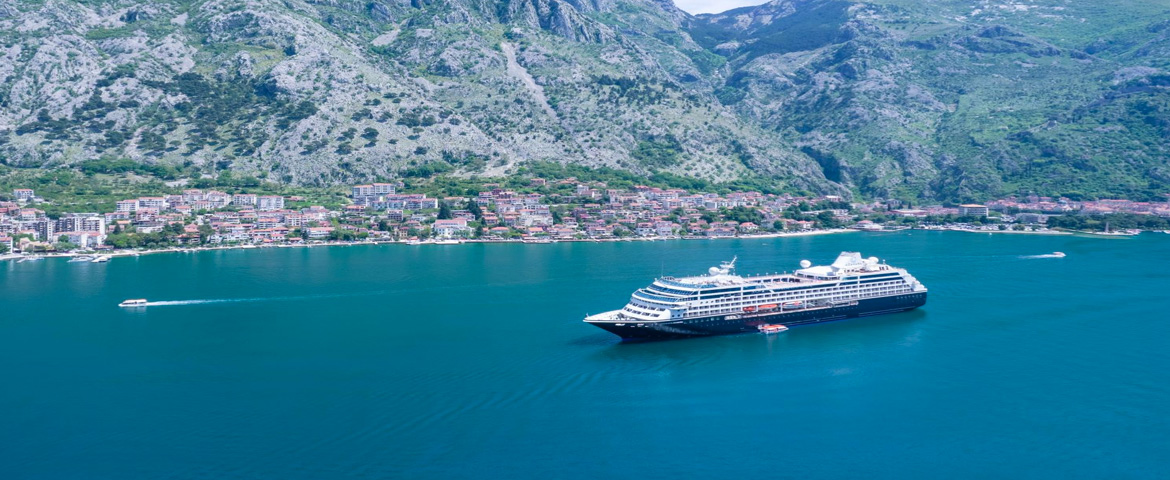

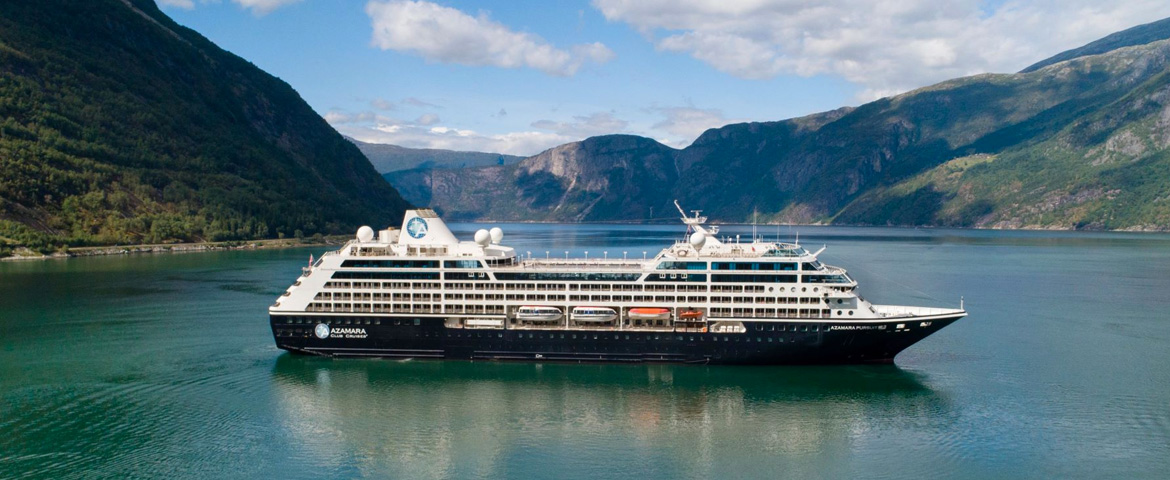
Azamara Pursuit
17 Cruises
Celebrity Cruises (26 Cruises)
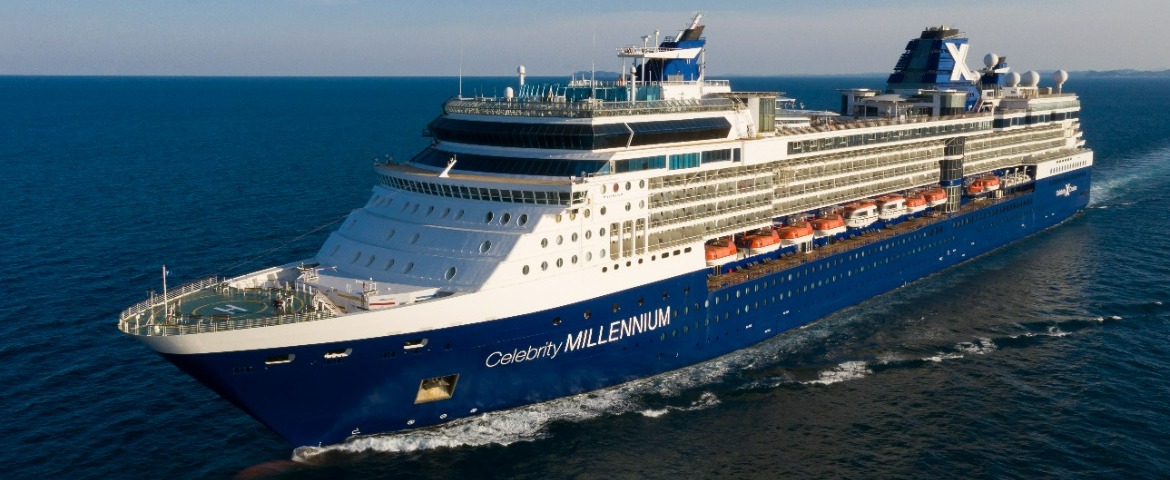
Celebrity Millennium
24 Cruises

| 20 November | 11 days | One-way from Singapore to Benoa |
450-628-6241
Call us
|
| 20 November | 11 days | One-way from Singapore to Benoa |
From
3651$
|
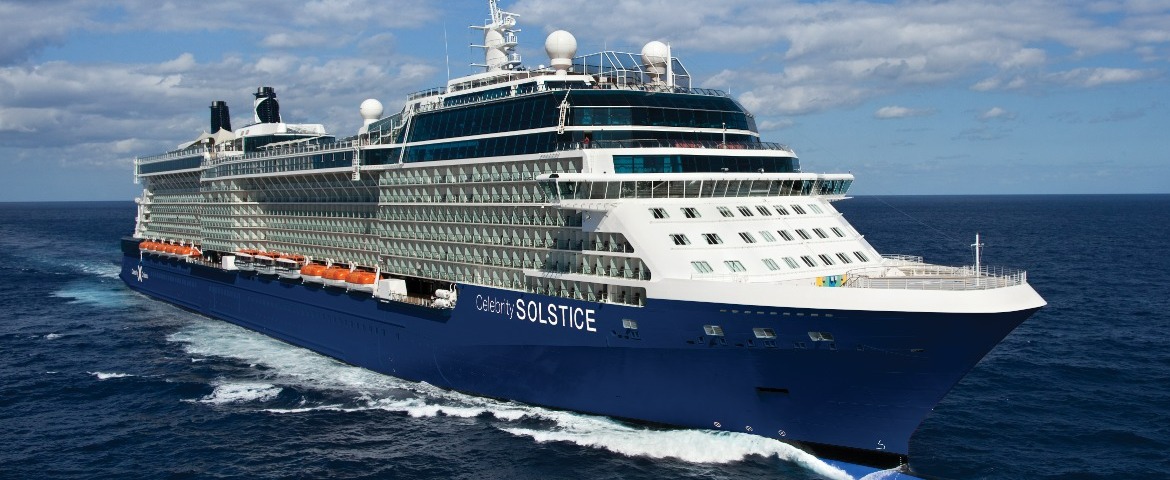
Crystal Cruises (7 Cruises)
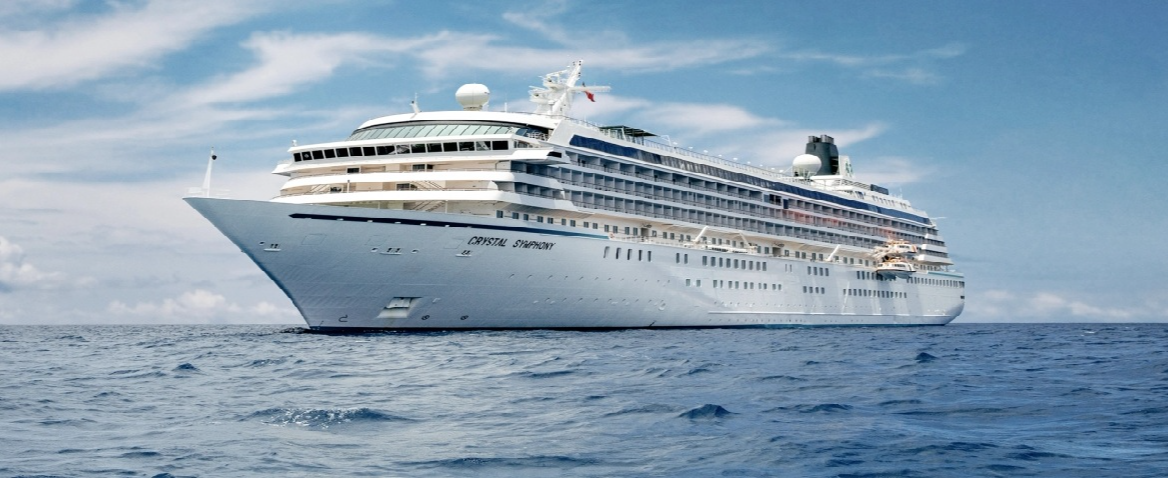
Crystal Symphony
7 Cruises

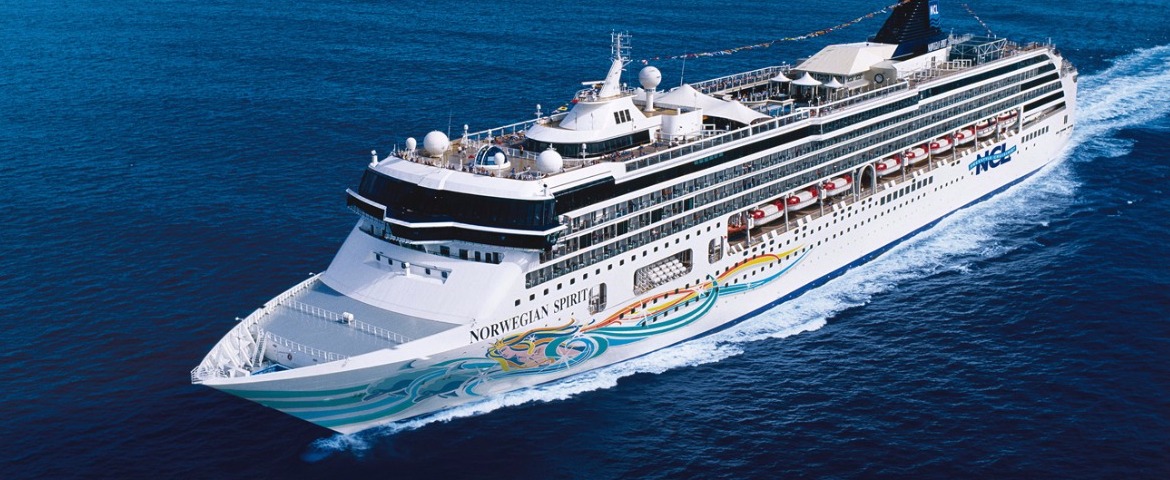
Norwegian Cruise Line (1 Cruises)

Oceania Cruises (36 Cruises)
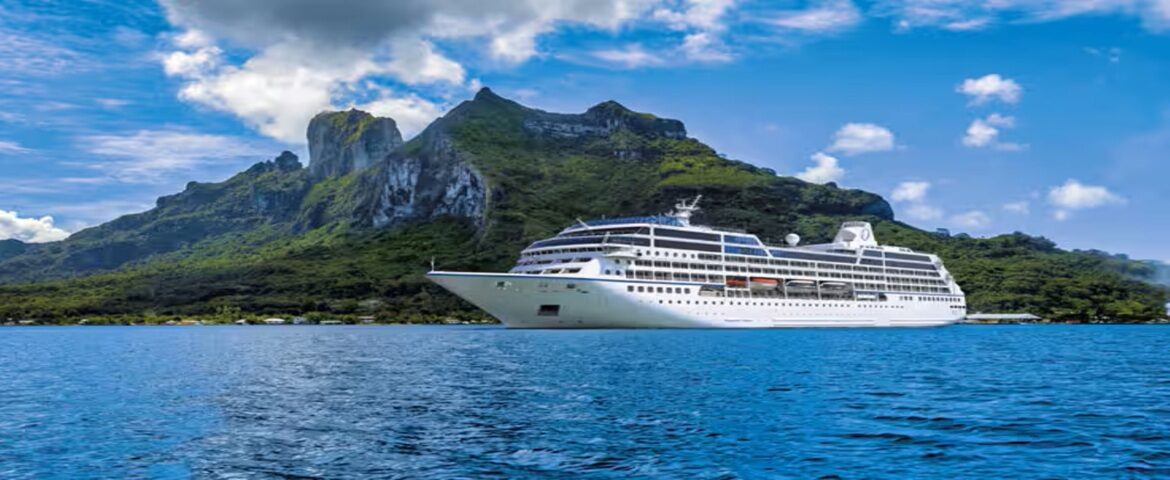

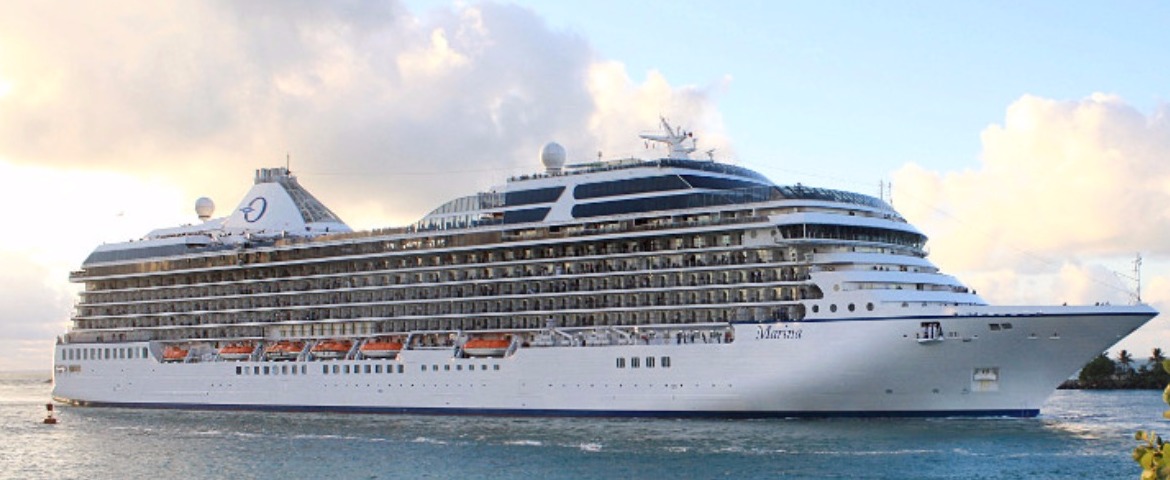
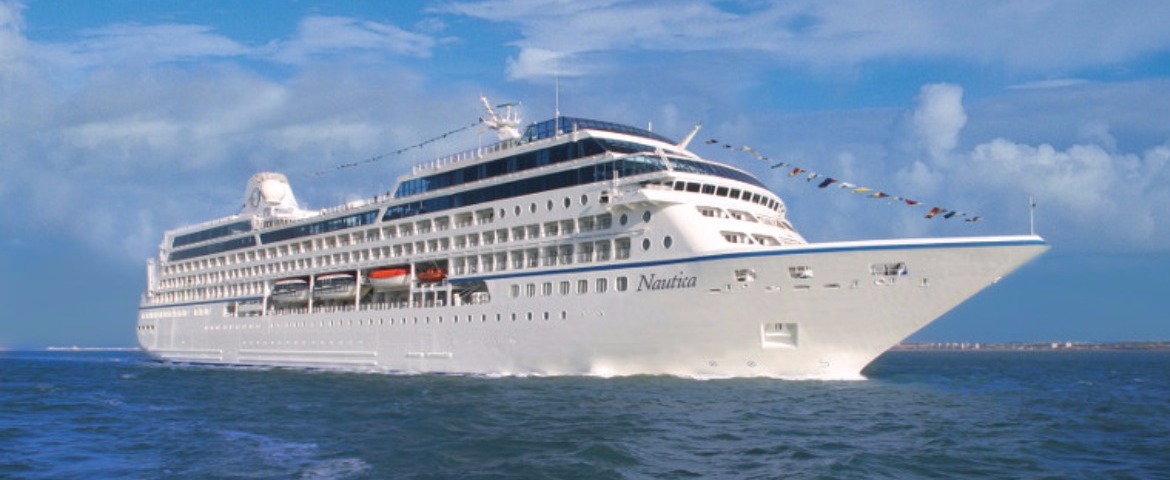
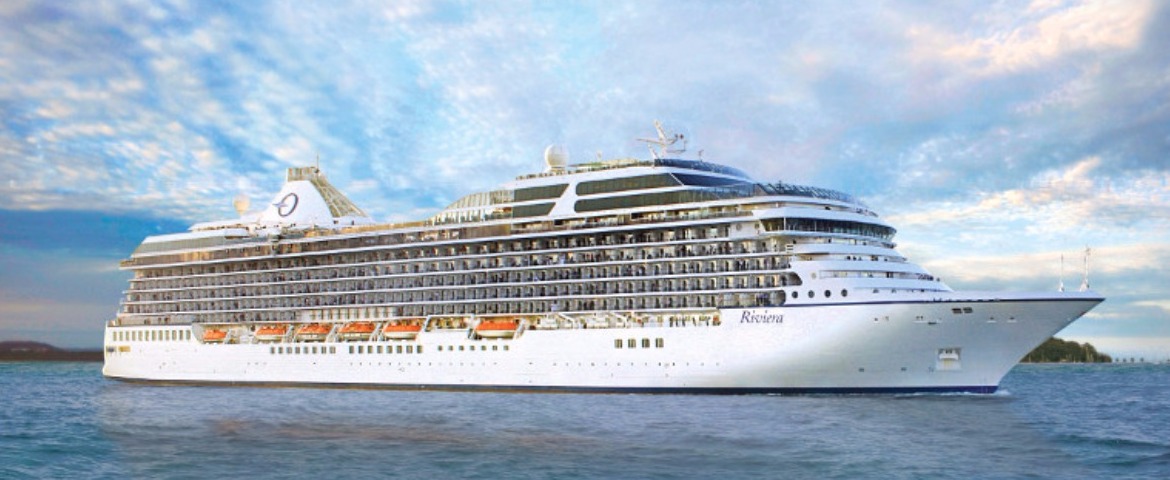
Oceania Riviera
15 Cruises
| 21 February | 43 days | One-way from Auckland to Singapore |
450-628-6241
Call us
|
| 21 February | 43 days | One-way from Auckland to Singapore |
450-628-6241
Call us
|
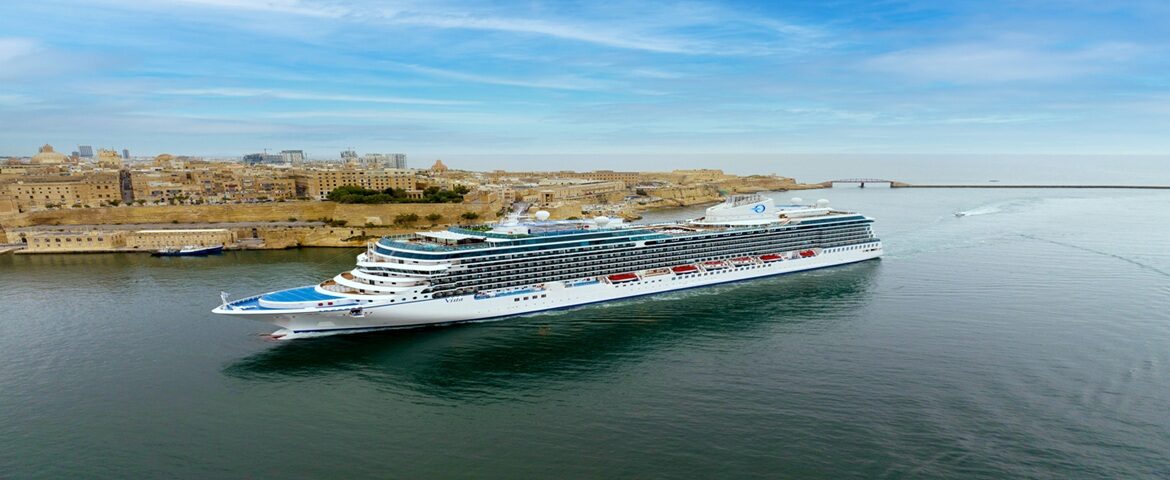
Oceania Vista
6 Cruises
Regent Seven Seas Cruises (31 Cruises)
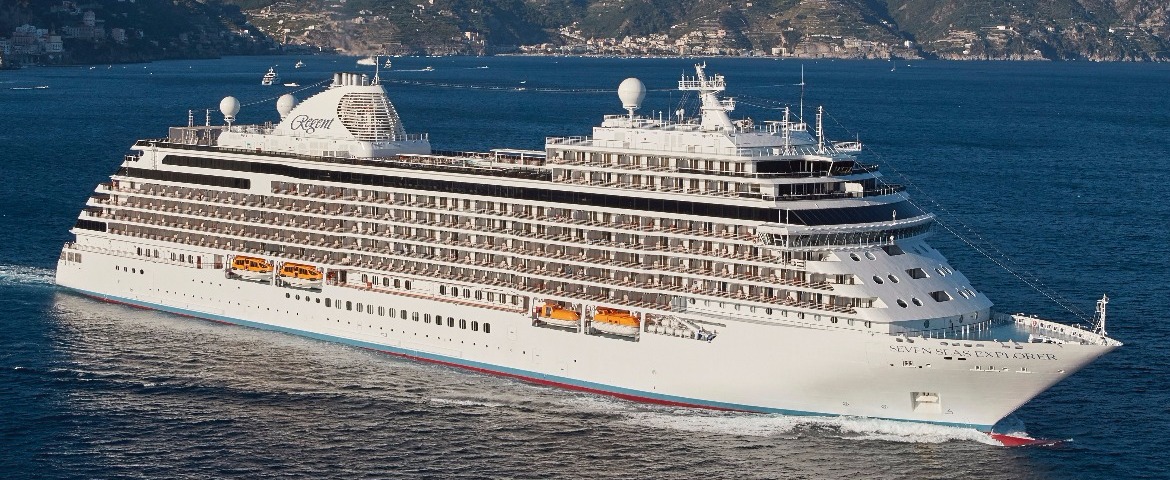
Seven Seas Explorer
11 Cruises

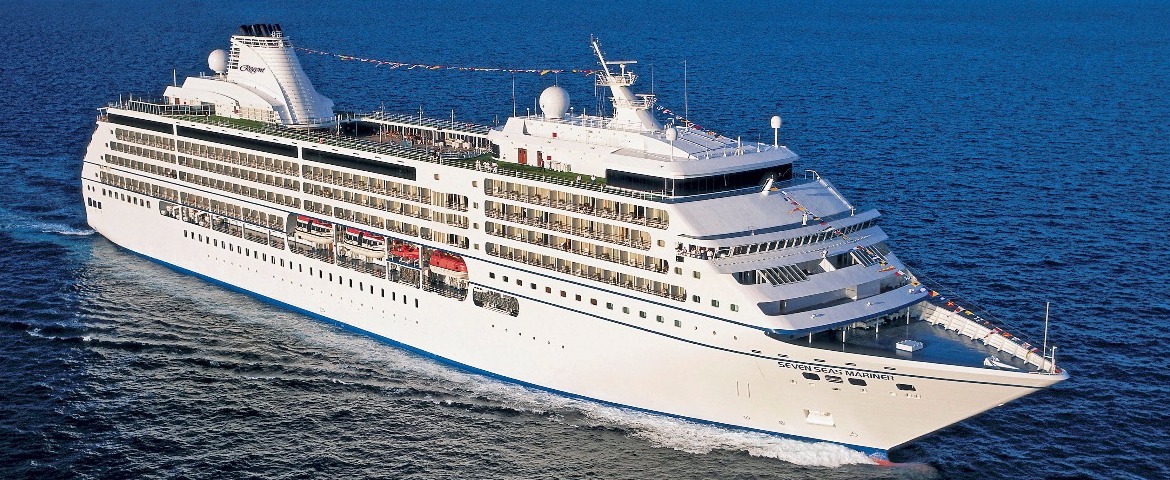
Seven Seas Mariner
8 Cruises
| 19 February | 69 days | One-way from Sydney to Cape Town |
450-628-6241
Call us
|
| 19 February | 69 days | One-way from Sydney to Cape Town |
450-628-6241
Call us
|
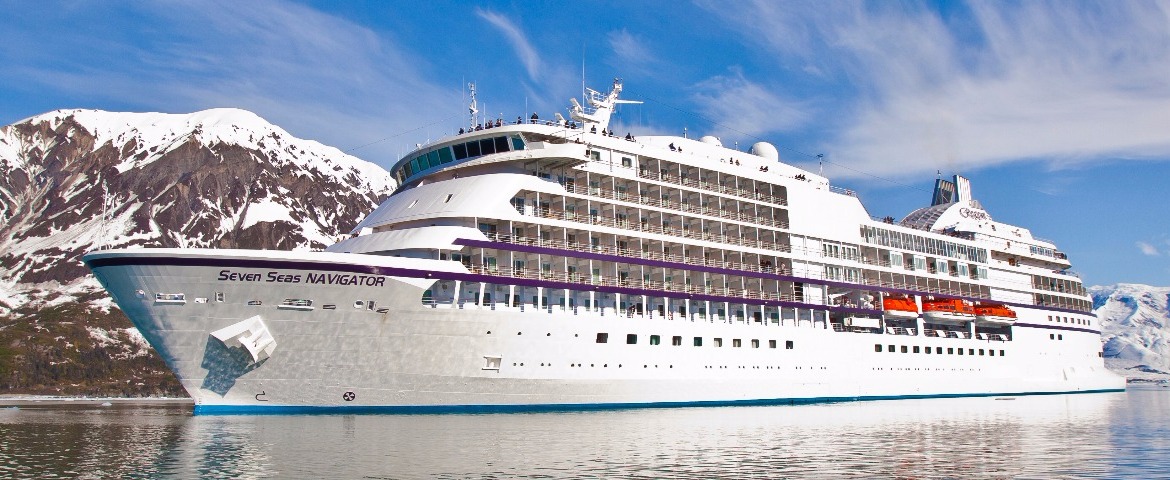
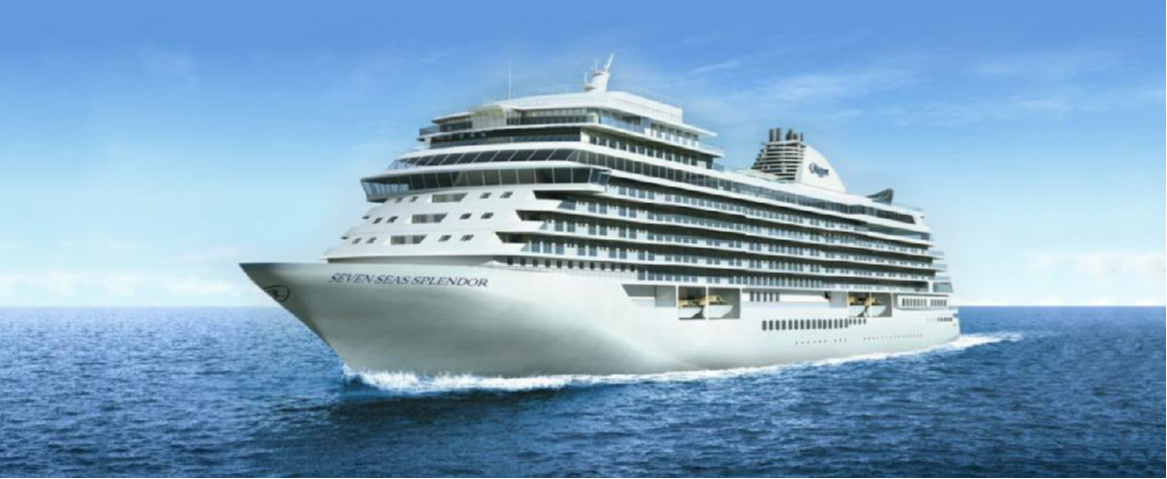
Seven Seas Splendor
10 Cruises
Port of Celukan Bawang, Bali | Cruise Port Guide
Frequently Asked Questions
At the commercial port of Celukan Bawang, on Bali's north coast. The pier is functional and plain: a few warehouses, palm trees, the Bali Sea flat under the heat. Everything worth seeing lies beyond, within one to two hours by road.
No, and that is the good news. There are two Balis: the south, with its crowded beaches and traffic jams, and the north, slower, greener, still true to village life. Celukan Bawang opens onto the second.
Private drivers and organised excursions wait at the port gate. Negotiating or booking the day in advance is standard practice here. Distances are measured in travel time rather than kilometres: these are country roads.
Yes, about forty minutes to the east. Lovina fishermen approach the dolphin pods in their outrigger canoes. Trips traditionally left at dawn, but mid-morning departures now exist for ship passengers. Sightings remain a matter of luck and of respect for the animals.
Gliding over calm water among brightly painted outriggers, with volcanoes as a backdrop, is already a very Balinese memory. The Lovina coast also strings together fishing villages and dark volcanic sand, and the drive back passes neighbourhood temples heaped with flower offerings.
Pools fed by sulphurous water pouring from dragon mouths carved in stone and cascading beneath frangipani trees, about 45 minutes by road. Local families use them as much as visitors do. Ten minutes away stands Brahmavihara-Arama, the island's largest Buddhist monastery.
Yes, but it is the most ambitious outing: an hour and a half to two hours inland into the mountains. The temple appears to float on Lake Beratan, its tiered thatched roofs mirrored in the water. The cool mountain air is a welcome surprise.
Lovina and the Banjar hot springs, or Lake Beratan. Not both. Ulun Danu Temple alone swallows three to four hours of driving there and back; the north coast leaves more time to linger.
Singaraja, Bali's capital under Dutch colonial rule, is worth a stop: a sleepy old port, a library of palm-leaf manuscripts and wide avenues lined with mango trees. It shows a Bali that faced the open sea long before beach tourism was invented.
The Indonesian rupiah, mostly in cash: outside hotels, cards are poorly accepted in the north of the island. Indonesian is the official language, Balinese is still spoken in the villages, and English is used by drivers and guides.


