Ponza Island Italy
42
Cruises availables
At departure or passage at this port
Atlas Ocean Voyages (1 Cruises)

Crystal Cruises (2 Cruises)
Ponant (2 Cruises)

SeaDream Yacht Club (8 Cruises)
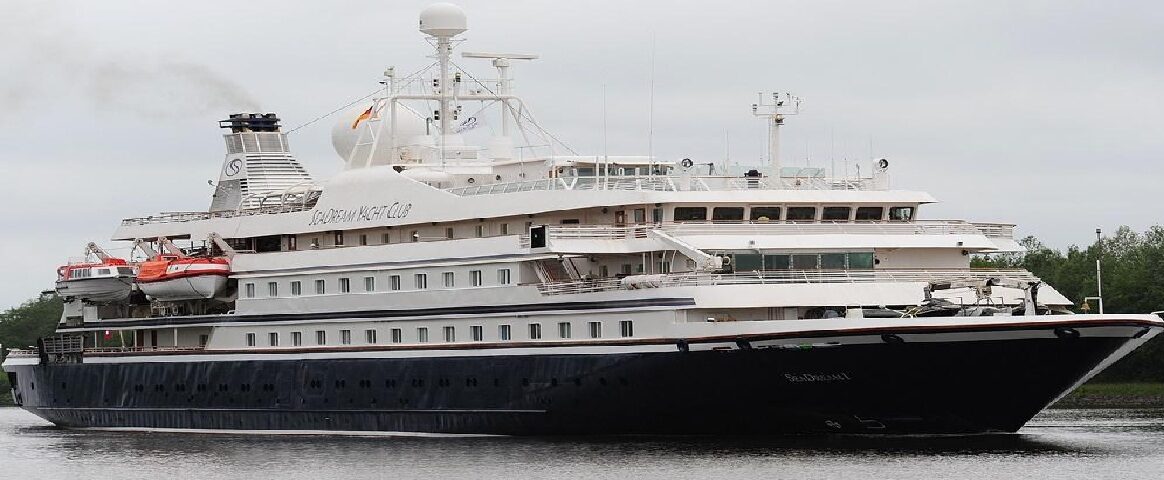

Seadream II
6 Cruises
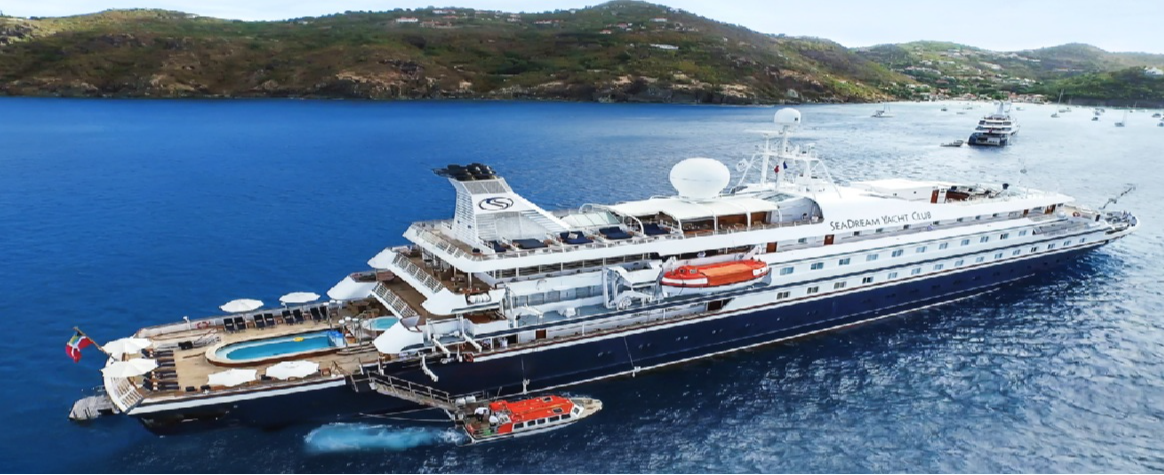
| 23 July | 11 days | One-way from Piraeus-Athens to Civitavecchia-Rome |
450-628-6241
Call us
|
| 23 July | 12 days | One-way from Piraeus-Athens to Civitavecchia-Rome |
450-628-6241
Call us
|
Star Clippers (25 Cruises)
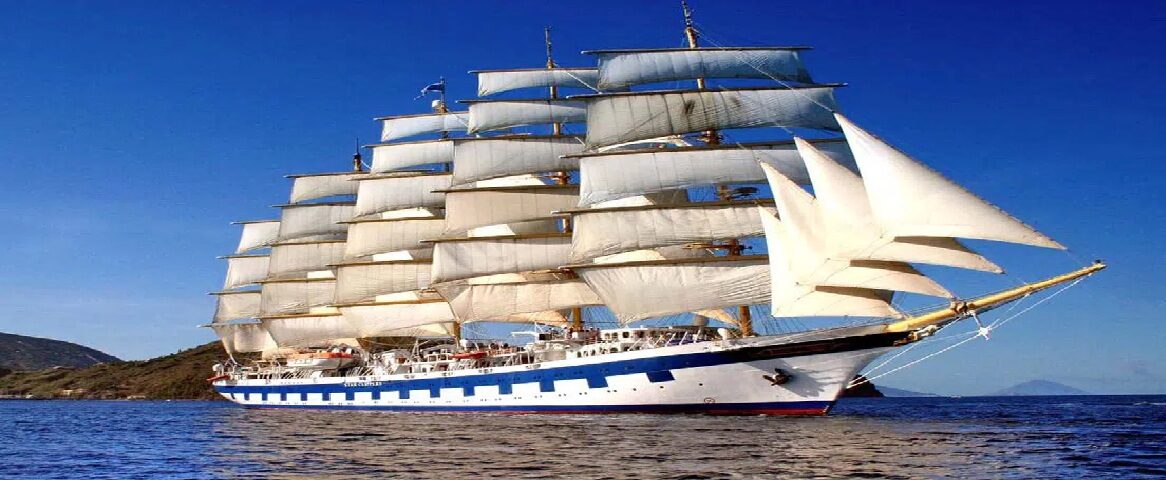
Royal Clipper
8 Cruises

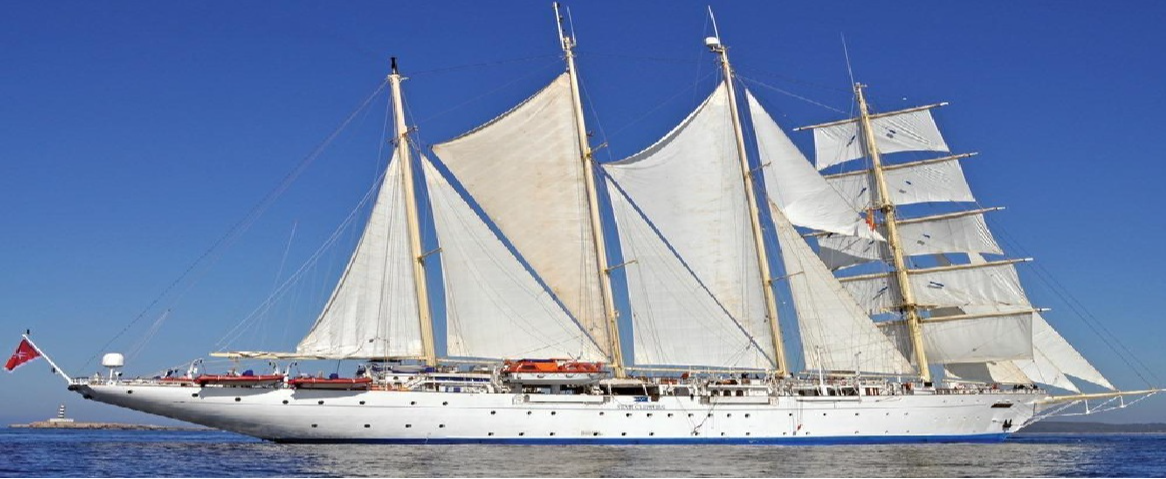
Star Clipper
17 Cruises
Windstar Cruises (4 Cruises)
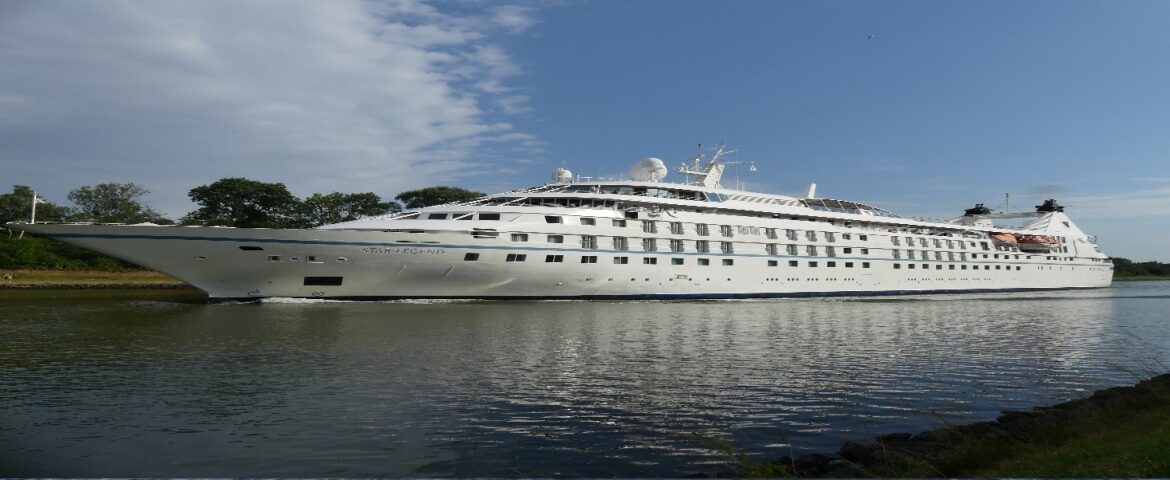
Star Legend
4 Cruises

Ponza Italy | Turquoise Waters & Mediterranean Island Cruise Guide
Frequently Asked Questions
By tender, right into the heart of the village. Ships anchor offshore and passengers step onto the fishermen's quay, within the curve of the waterfront laid out in the 18th century by Bourbon architects. Like any tendered call, it depends on sea conditions.
Yes, for the village. Everything happens within a few hundred metres: the quay, the cafés under the arcades, the stairways climbing between pink, ochre and pale blue façades. For the rest of the island you need a boat or strong legs.
Take the boat trip around the island, without hesitation. It strings together coves unreachable by land, natural arches, faraglioni and sea caves where the light turns blue, with swim stops straight off the boat. It is the best way to understand Ponza in half a day.
A set of Roman-cut pools and tunnels at water level beneath the cemetery headland, most likely used to farm moray eels, then considered a sacred fish. They are approached by small boat from the harbour.
Not from land any more. This crescent of sand at the foot of a blond tuff wall some hundred metres high was once reached through a Roman tunnel bored under the hill, but the cliff is prone to rockfall. The beach is now admired from the sea, which may well be its finest version.
Yes, and it is the heart of the call. The Tyrrhenian water here is unusually clear, and boat trips include swim stops in coves no road reaches. Bring a swimsuit, a towel and a mask.
In the Tyrrhenian Sea, midway between Rome and Naples, it is the largest of the Pontine Islands. Despite its following among stylish Romans and film people, it remains a fishing island: scooters are few, signage is discreet, and it still belongs to the people who live there year-round.
Whatever the sea gives: catch of the day, linguine with seafood, raw fish crudo, and on some menus lentils from neighbouring Ventotene. Restaurants on the quay and in the upper lanes work with short supply chains and no unnecessary folklore.
The euro and Italian. Cards work in harbour restaurants and shops, but keep cash for boat trips, gelato and small purchases. English is spoken in season, much less outside it.
June to September, when the sea allows the island circuit and swimming. Off season, some restaurants and services close and the anchorage becomes less reliable. July and August bring Roman holidaymakers, and the village is far livelier.


