Sakata Japan Yamagata
71
Cruises availables
At departure or passage at this port
Azamara Club Cruises (25 Cruises)
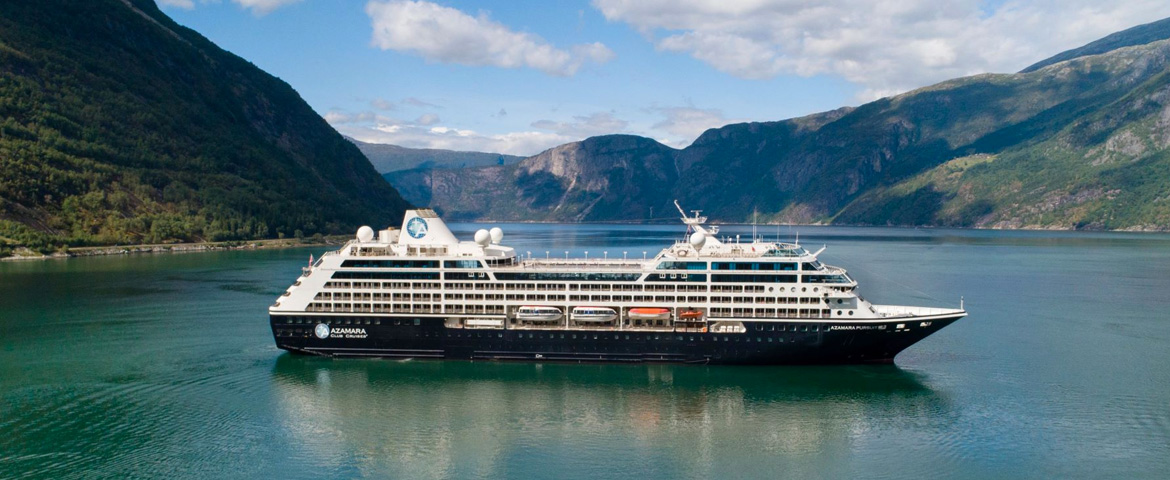
Azamara Pursuit
25 Cruises

| 26 February | 47 days | One-way from Sydney to Kobe-Osaka |
450-628-6241
Call us
|
| 27 February | 47 days | One-way from Sydney to Kobe-Osaka |
450-628-6241
Call us
|
| 31 March | 14 days | One-way from Yokohama to Kobe-Osaka |
450-628-6241
Call us
|
| 31 March | 14 days | One-way from Yokohama to Kobe-Osaka |
450-628-6241
Call us
|
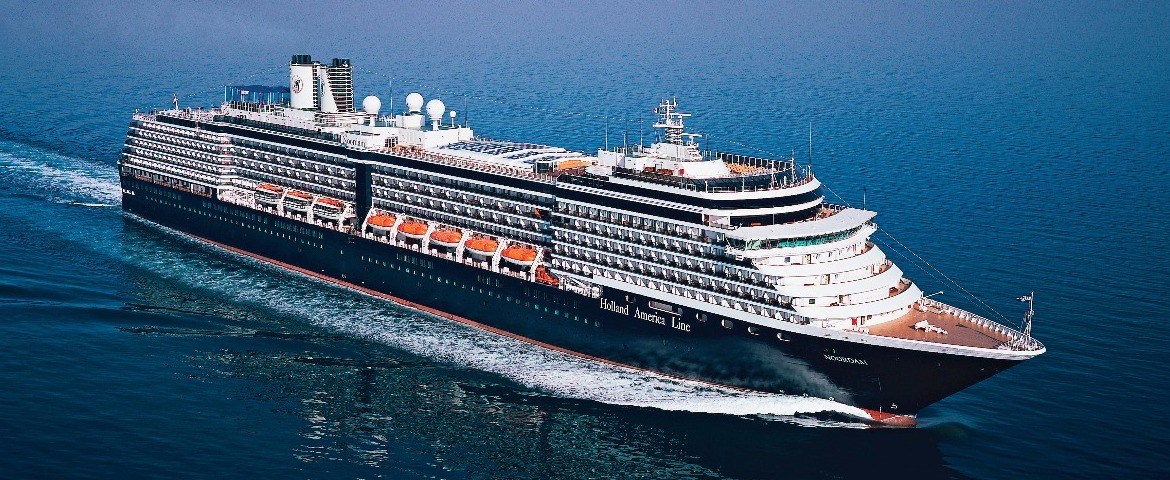


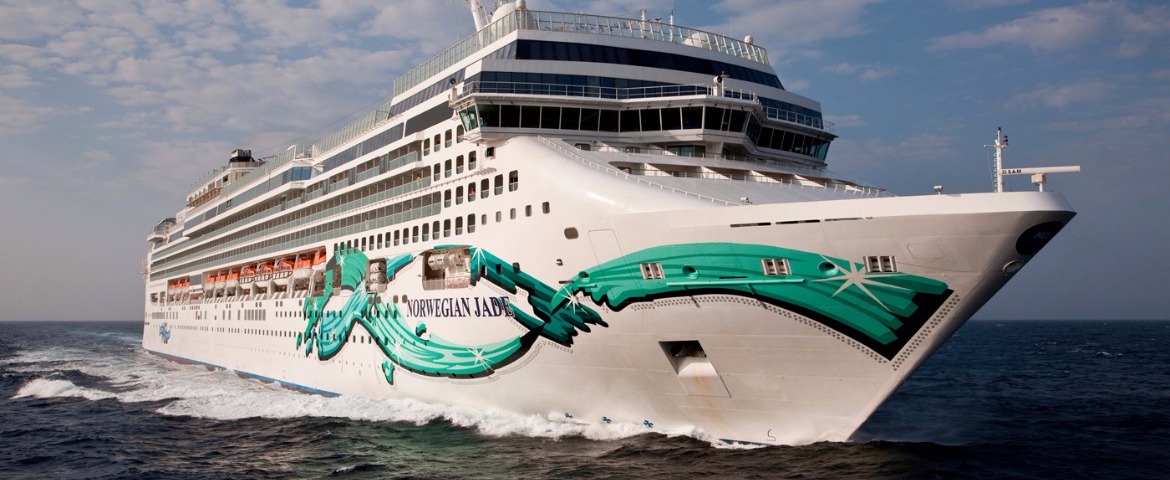
Norwegian Cruise Line (2 Cruises)

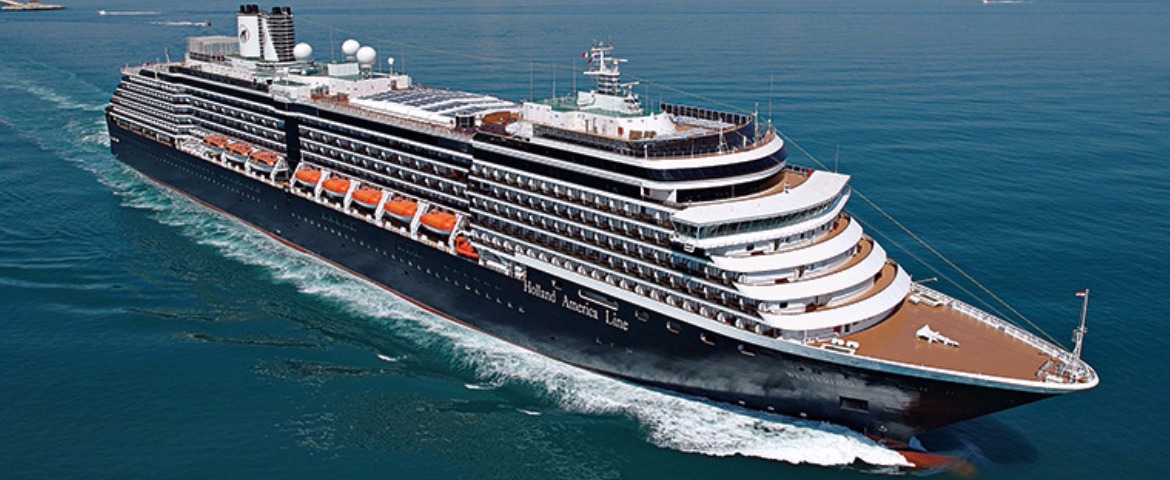
Princess Cruises (27 Cruises)
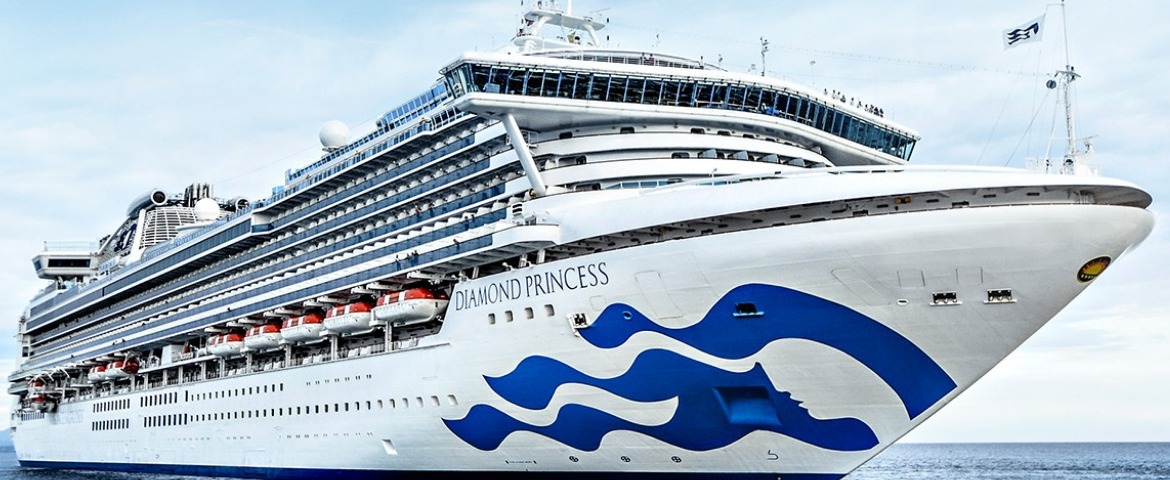
Diamond Princess
15 Cruises

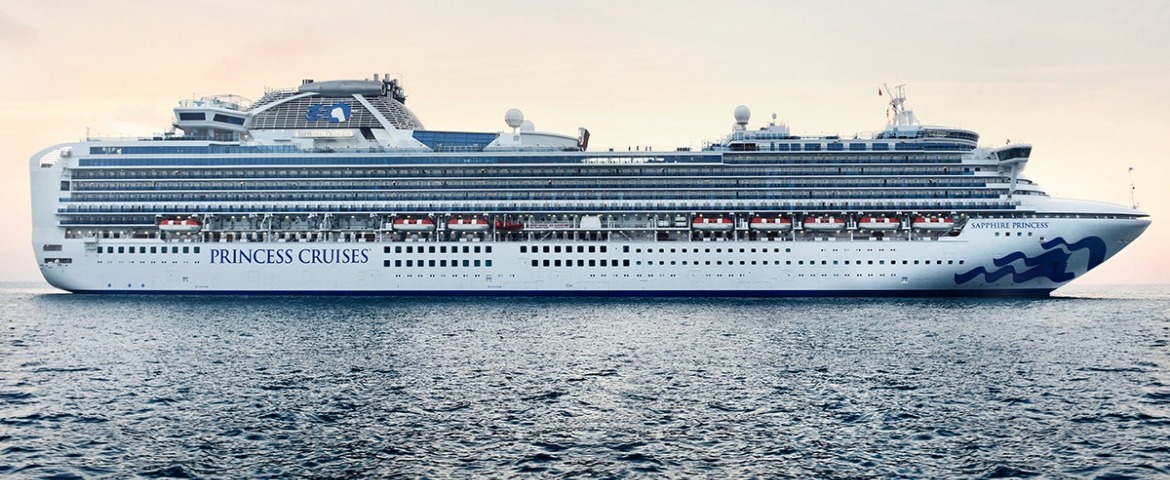
Sapphire Princess
12 Cruises
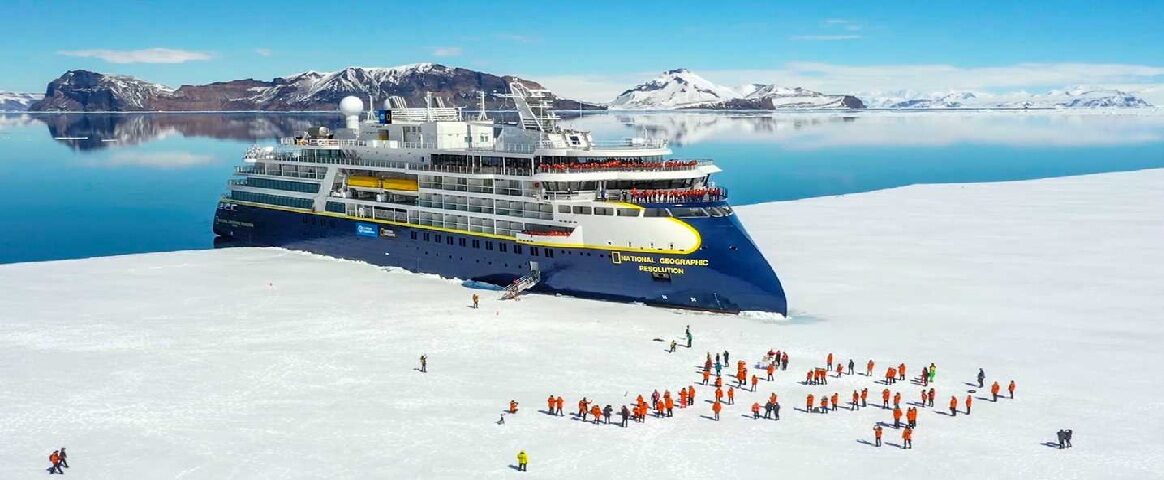
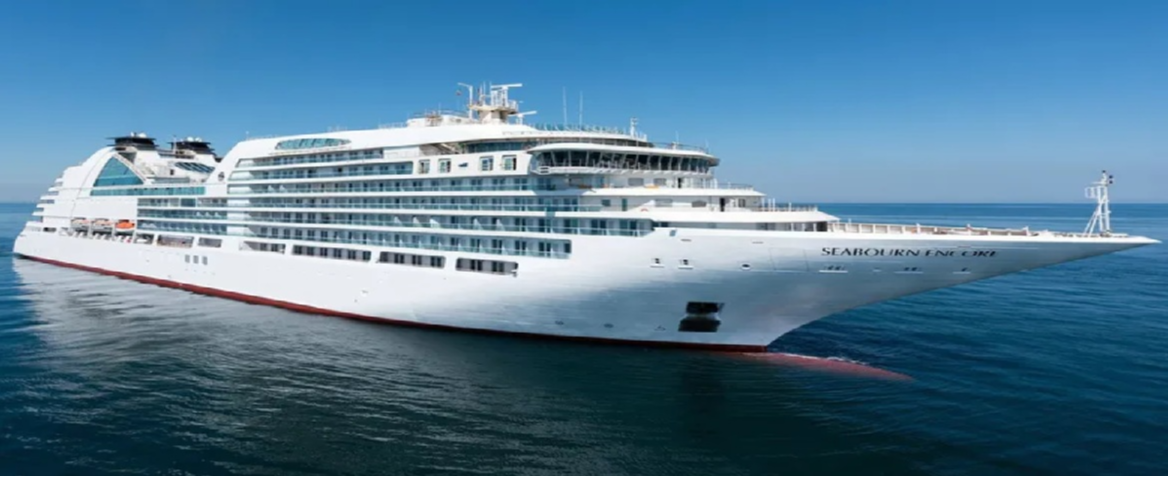
Seabourn Cruise Line (7 Cruises)

Sakata, Japan | Cruise Port Guide
Frequently Asked Questions
Ships call at the commercial port, a few kilometres from the centre. A shuttle usually links the quays to the station area, from which the main sights are a few minutes by taxi or a pleasant walk.
A quiet loop is enough: the Sankyo rice warehouses and their avenue of zelkovas, the Hiyoriyama park mound for the view over the river mouth, then the Homma art museum and its garden. Add the Ken Domon museum if photography interests you.
Twelve rice warehouses from 1893, lined along a canal and backed by a row of century-old zelkovas planted to temper the heat. Their double roofs and dark walls regulated temperature and humidity without a single machine. Part is still used for storage, part houses shops and an exhibition space.
Rice and ships. At the height of Edo-period maritime trade, kitamaebune sailing vessels loaded the harvests of the Shonai plain here before running down the Sea of Japan to Osaka. The town's merchants were among the wealthiest in the country.
An Edo-period residence left to the town by Sakata's wealthiest family. You move in stockinged feet across the tatami, among calligraphy, ceramics and screens, before sitting facing the garden: clipped pines, a carp pond and perspectives calculated to evoke landscapes in miniature.
Ken Domon, a native son, was the pioneer of Japanese realist photography. Sakata gave him Japan's first museum devoted to a single photographer: a concrete building set at the edge of a pool, showing his postwar images of temples and children's faces in rotation.
Yes, at the Somaro, a carefully restored former banquet house where maiko keep up dance and music in salons with gilded woodwork. The afternoon performances are short and approachable. The lantern-lit corridors and stairs polished by decades are already worth the visit.
On a clear day, yes: its snow-covered outline appears notably from the Ken Domon museum, whose architecture converses with the pool and with the mountain. Hiyoriyama Park, the old sailors' lookout, offers the other good vantage point.
The Shonai plain feeds a well-regarded table: glossy-grained rice, sake from local breweries, fish from the sea close by. A simple onigiri made with the year's rice already conveys the terroir. Several sake houses offer tastings.
No, and it is better to know that. The call is not monumental; it offers something else: a provincial Japan, polished by commerce and culture, that speaks quietly. Those who listen leave feeling they were received rather than that they toured.


