Sendai Japan Miyagi

62 Cruises availables At departure or passage at this port

Seabourn Cruise Line (22 Cruises)

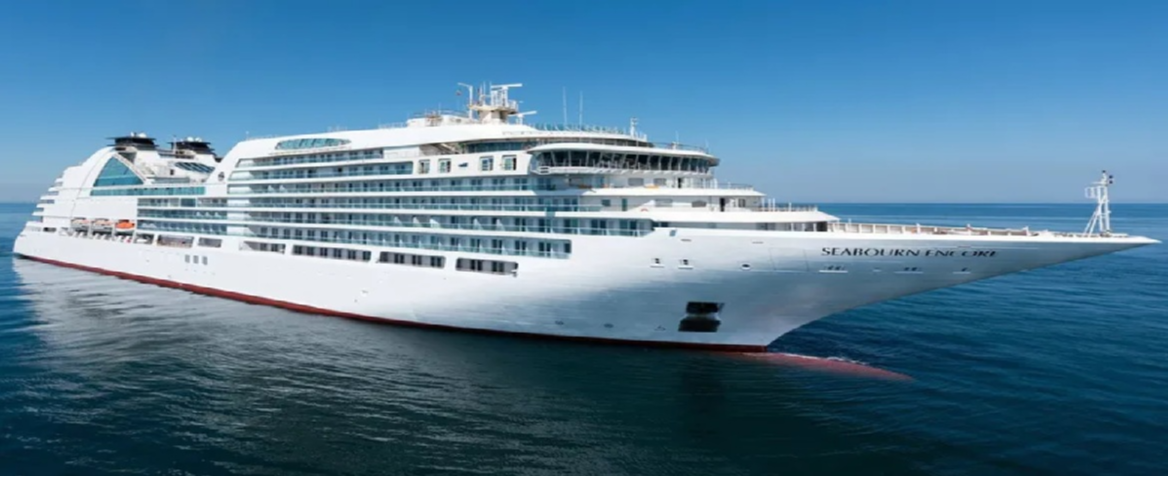
Seabourn Encore.

Seabourn Encore

40350 tons
Visit the ship's page

Sendai, Japan | Cruise Port Guide

Sendai is nicknamed the City of Trees, and the nickname proves true from the very first avenues, planted with green rows that soften the largest metropolitan area in Tohoku. The port call opens up two very different directions: on one side, the legacy of the lord Date Masamune, who founded the city in the early 17th century; on the other, Matsushima and its hundreds of pine-covered islets, which the Japanese count among their three most celebrated landscapes. Choosing takes a bit of strategy, and it's an enviable problem to have for a single day in port.

Getting from the port to the centre

Ships dock at the port of Sendai, a logistics zone located about 16 km east of the city centre. Walking won't get you anywhere: it's best to plan on the shuttle offered during port calls, a taxi or an organized excursion, allowing about thirty minutes by road depending on traffic. Passengers who stay near the docks will still find two places a short distance away: the Umino-Mori Aquarium, with tanks devoted to the Miyagi coast and dolphin shows, and Mitsui Outlet Park, the largest outlet mall in the region, about a ten-minute walk from the aquarium.

The mausoleum of the one-eyed lord

In town, the most memorable visit remains Zuihoden, the mausoleum of Date Masamune. The famous one-eyed warrior rests beneath a pavilion in dazzling colours, red, gold and deep blue, nestled in a silent cedar grove at the top of a stone stairway. The gilded carvings, restored using the original techniques, contrast with the sobriety of the century-old trunks. The contrast sums up the man well: a feared strategist, but also a refined patron who dreamed of trading with Europe and even sent an embassy all the way to Rome.

The heights of Aoba Castle

On the neighbouring hill, the ruins of Aoba Castle retain their massive walls and an esplanade from which the city spreads out all the way to the sea. The equestrian statue of Masamune, his helmet adorned with a crescent moon, dominates the scene and features in most of the photos brought back from the region. The site combines easily with Zuihoden in half a day, by taxi or tourist bus, and the park's shaded paths invite you to slow down between the two.

The bay of pine-topped islets

About forty minutes away by road or train, Matsushima lines up its rocks topped with wind-twisted pines. Boats circle them in about an hour, threading between the islets; red bridges link some of them to the shore, including the one to the small Godaido shrine, set right at the water's edge. The town's temples, linked to the Date clan, round out the outing. It's the excursion to choose if Japan's landscapes appeal to you more than its cities, and photographers find their bliss here at any hour.

Practical pointers

  • Zuihoden and Aoba Castle can be visited together in three to four hours.
  • Matsushima requires a well-filled half day, bay cruise included.
  • The local specialty, grilled beef tongue, is enjoyed in the restaurants downtown.
  • In summer, bring water: Tohoku's humidity surprises many visitors arriving from the sea.

What you bring back from Sendai

As the ship heads back out to sea, everyone keeps their own image: the gilding of Zuihoden among the cedars, the silhouette of the horseman with the crescent moon, or the islets lined up in the light of the open sea. Tohoku's capital imposes nothing; it offers, with the discreet elegance of cities rebuilt several times and always looking to the future. Long after the port call, the desire remains to see the bay again in another season.

Frequently Asked Questions

Ships berth at the port of Sendai, a logistics area about 16 km east of the city centre. Walking gets you nowhere: plan on the port shuttle, a taxi or an organised excursion, allowing about thirty minutes by road depending on traffic.
Two options within a short distance: the Umino-Mori aquarium, with tanks devoted to the Miyagi coast and dolphin shows, and Mitsui Outlet Park, the region's largest outlet mall, about ten minutes on foot from the aquarium.
You have to choose between two directions. The city: Zuihoden and Aoba Castle visit together in three to four hours. Or the landscape: Matsushima needs a full half-day, bay cruise included. The two do not combine.
The mausoleum of Date Masamune, founder of the city. The famous one-eyed warrior rests under a pavilion in vivid red, gold and deep blue, tucked into a silent cedar grove at the top of a stone staircase. The gilded carvings were remade using the original techniques.
The lord who founded Sendai in the early seventeenth century: a feared strategist, one-eyed, but also a refined patron who dreamed of trading with Europe and even sent an embassy as far as Rome. His equestrian statue, helmet crowned with a crescent moon, overlooks the ruins of Aoba Castle.
Its massive walls and an esplanade from which the city spreads out to the sea. The keep is gone. The site combines easily with Zuihoden over a half-day by taxi or sightseeing bus, and the shaded park paths invite you to slow down in between.
If landscapes appeal to you more than cities, yes. About forty minutes away by road or train, Matsushima lines up its rocks capped with wind-twisted pines, one of Japan's three most celebrated views. Sightseeing boats tour the bay in about an hour.
Rocky islets topped with pines, some linked to the shore by red bridges, including the one to the small Godaido shrine set right at the waterline. The town's temples, tied to the Date clan, round out the outing. Photographers do well here at any hour.
Grilled beef tongue, served in restaurants downtown. It is the dish Japanese people immediately associate with the city, and it comes in portions made for sharing.
In summer, bring water: the humidity of the Tohoku region catches many visitors off guard. The city is nicknamed the city of trees, and its avenues lined with greenery mercifully soften the hot days.