Yatsushiro-Kumamoto City Japan Kumamoto
58
Cruises availables
At departure or passage at this port

MSC Cruises (1 Cruises)

Ponant (7 Cruises)

Princess Cruises (31 Cruises)
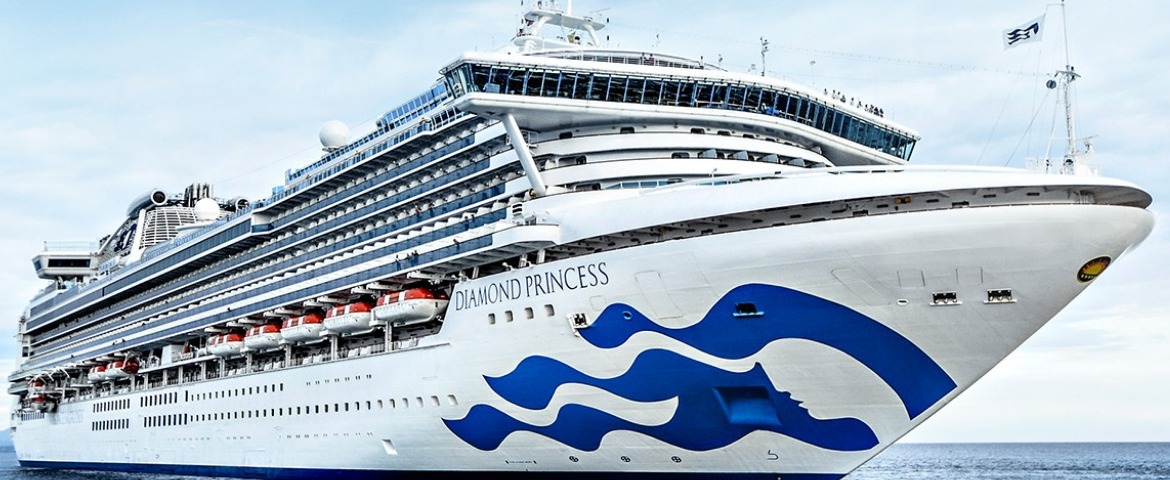
Diamond Princess
14 Cruises

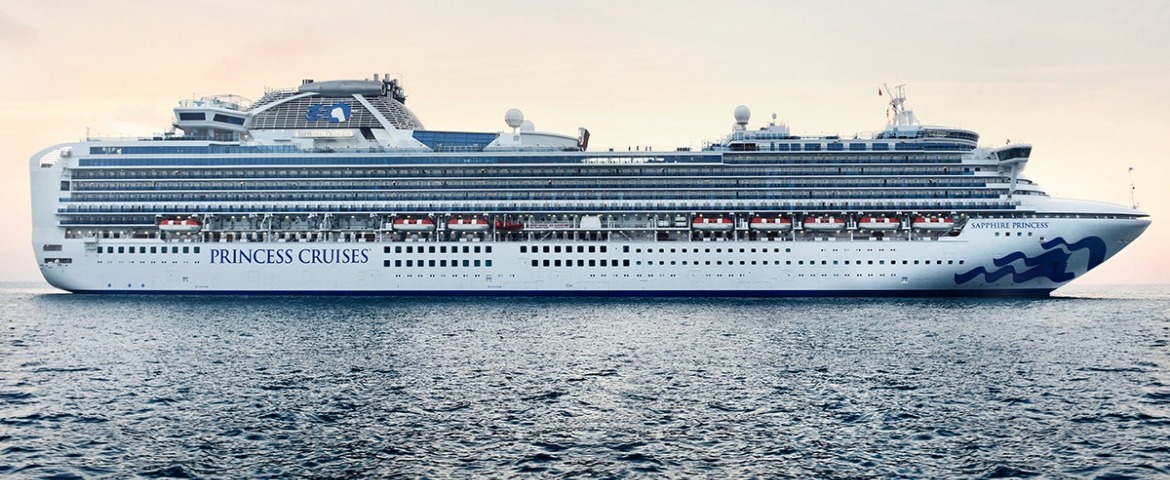
Sapphire Princess
17 Cruises
| 9 March | 11 days | Round-trip from Tokyo, Japan |
450-628-6241
Call us
|
| 29 March | 11 days | Round-trip from Tokyo, Japan |
450-628-6241
Call us
|
| 29 March | 22 days | Round-trip from Tokyo, Japan |
450-628-6241
Call us
|



Seabourn Cruise Line (10 Cruises)
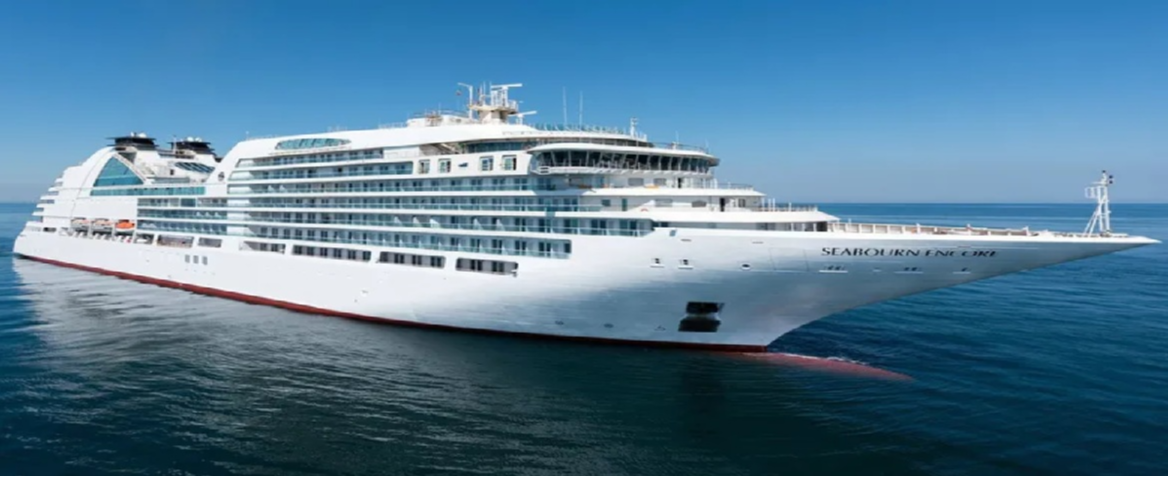
Seabourn Encore
10 Cruises

Port of Yatsushiro | Cruise Port Guide
Frequently Asked Questions
The ship berths facing the Yatsushiro Sea, a sheltered arm dotted with islets. The immediate surroundings of the terminal remain industrial and are best crossed by shuttle rather than on foot: about twenty minutes gets you to Shin-Yatsushiro station.
Eighty-four Kumamon statues stand guard on the quay. The black bear with red cheeks, beloved mascot of Kumamoto Prefecture, gave his name to the terminal that receives the ships.
The trump card takes about twelve minutes: that is how long the Shinkansen needs to link Shin-Yatsushiro to Kumamoto. A well-planned half-day in Kumamoto covers the castle, Suizenji garden and the arcades without rushing.
Kumamoto Castle, counted among Japan's three most famous fortresses, with its black walls curved to discourage any climbing. A few tram stops away, Suizenji Jojuen garden condenses the landscapes of the old Tokaido road in miniature.
A retro tram runs from the station to the foot of the castle, then serves Suizenji garden a few stops further on. In between, the long covered arcades of Kamitori and Shimotori offer a concentrated dose of Japanese city life.
Shohinken garden, a few kilometres from the terminal, has spread its tea pavilion, pond and clipped pines since 1688, a legacy of the lordly family that governed this coastal domain. It gives the measure of an old prosperity built on rice, salt and river trade.
A parade of floats and mythical creatures held each autumn, including a spectacular half-turtle, half-serpent figure. It is inscribed on the UNESCO intangible cultural heritage list and is the great local pride.
That is igusa, the green rush this region grows more than any other in Japan for weaving tatami mats. A good share of the mats covering the country's homes comes from these plains, and that quiet vocation sums up the place: artisanal, diligent, turned to the land as much as to the sea.
The shio-tomato, a tomato grown in saline soil, concentrated and almost sweet, which growers sell like a confection. In Kumamoto, the specialty is rather ramen with black garlic oil.
Yes: as the lines are cast off, residents often gather on the quay to wave the ship away, Kumamon at the head of the committee. You leave the bay feeling you were received rather than merely welcomed.


