Malacca Malaysia
41
Cruises availables
At departure or passage at this port
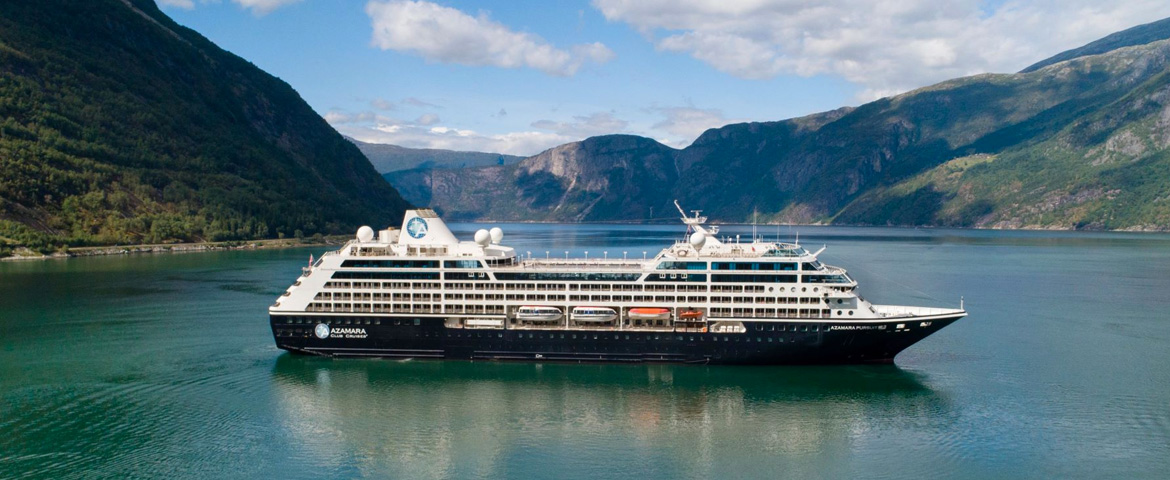
Azamara Club Cruises (4 Cruises)

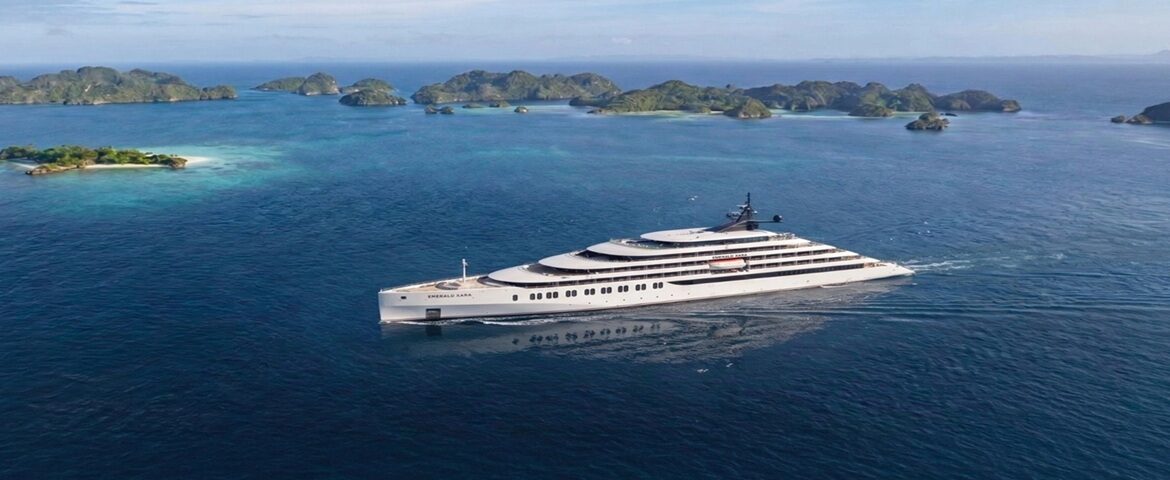
Emerald Waterways (7 Cruises)
Emerald Xara
7 Cruises

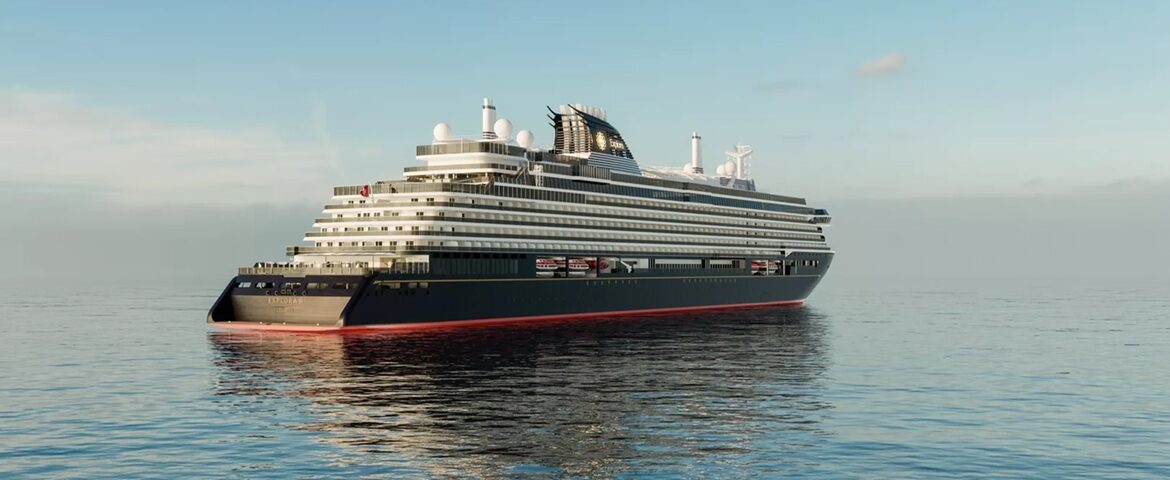
Explora Journeys (13 Cruises)
Explora III
13 Cruises

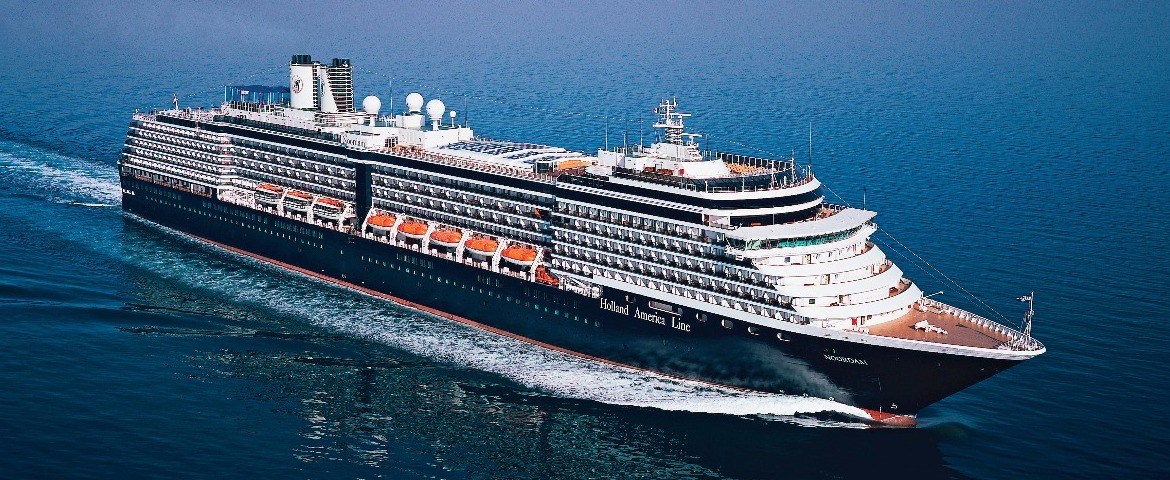
Holland America Line (1 Cruises)

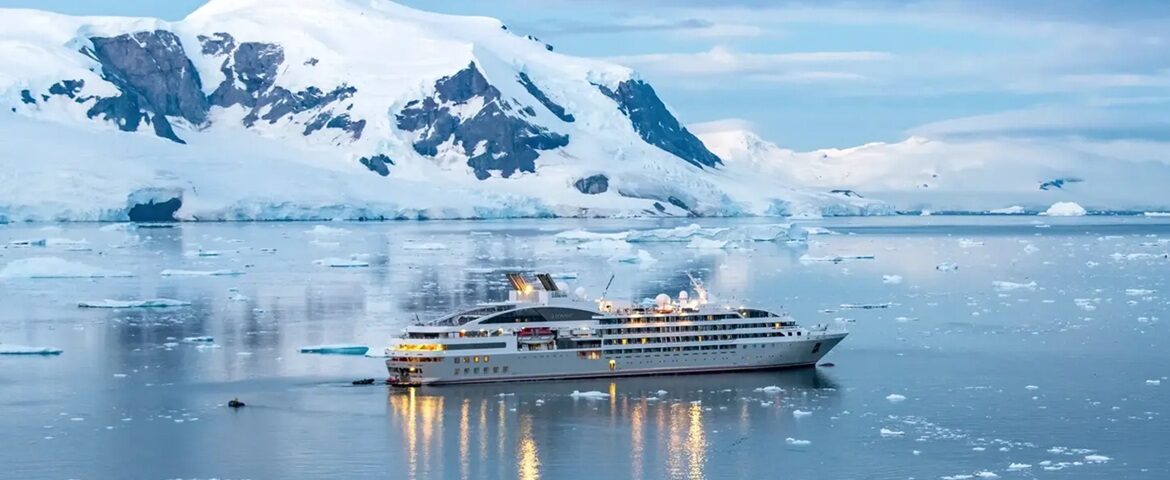
Ponant (5 Cruises)

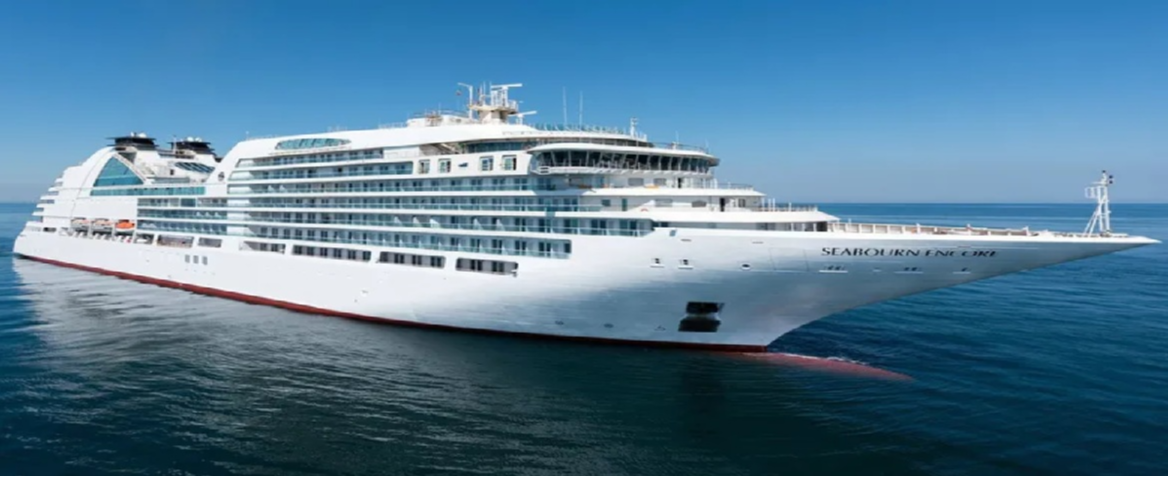
Seabourn Cruise Line (4 Cruises)


Frequently Asked Questions
By tender: ships anchor offshore and land passengers near the maritime museum, recognizable by its full-size replica of the Flor de la Mar, the Portuguese carrack whose silhouette dominates the quay.
Yes. About fifteen minutes' walk through the heritage zone separates the landing point from Dutch Square, the beating heart of the old city. Free shuttles and local buses are also available for anyone who would rather avoid walking under the equatorial sun.
Almost everything, on foot: Dutch Square and the Stadthuys, St Paul's Hill, then Jonker Street across the river. Distances stay short and signage guides you in several languages. Start early: the midday heat is crushing and shortens the best intentions.
It is the massive 17th-century Dutch town hall, painted in the deep red that has become the city's emblem, set around a Victorian fountain with Christ Church beside it. It is one of the oldest Dutch buildings in Asia, and it houses history museums that help untangle the city's layers, from the Malay sultanate to modern independence.
If your legs allow, yes. A stairway climbs in ten minutes behind Dutch Square. At the top, the roofless walls of St Paul's Church, raised by the Portuguese in the 16th century, look out over the strait crossed by cargo ships. Wear good shoes: the steps are uneven in places.
It is the culture born of the marriage of Chinese and Malay traditions, and Jonker Street is its backbone. Antique dealers, shophouses with ornate facades, temples and street food sit side by side. You try chicken rice balls or iced cendol in front of facades where Chinese inscriptions meet colonial stucco.
Because sultans, Portuguese, Dutch and then British followed one another here, leaving a historic centre where every street changes era and accent. Few cities have given their name to a vital sea passage: the Strait of Malacca links the Indian Ocean to the South China Sea, and that is what made the city's fortune, and its troubles.
Yes. The Malacca river, once the sultanate's commercial artery, now offers a landscaped walkway lined with colourful murals and terraces; sightseeing boats run up it in about forty minutes. On foot, the banks link the main historic areas pleasantly while avoiding the traffic.
The Malaysian ringgit and Malay, with English widely spoken and Mandarin in the Chinese quarter. Credit cards work in shops; keep ringgits for the street food of Jonker Street and for bargaining over an old piece with the antique dealers.
Water, a hat and good shoes. The equatorial heat is crushing at midday, and both the St Paul's Hill steps and the old quarter's paving call for serious soles. Guided heritage walks are available locally and help decode the city's many layers of history.


