Port Louis Mauritius Island
Mauritius
142
Cruises availables
At departure or passage at this port
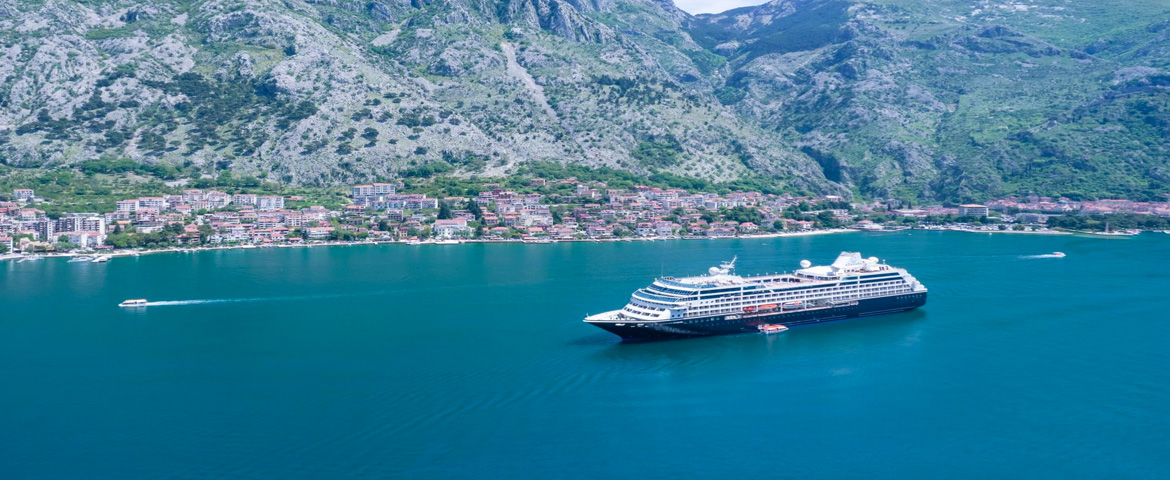
Azamara Club Cruises (13 Cruises)
Azamara Onward
13 Cruises

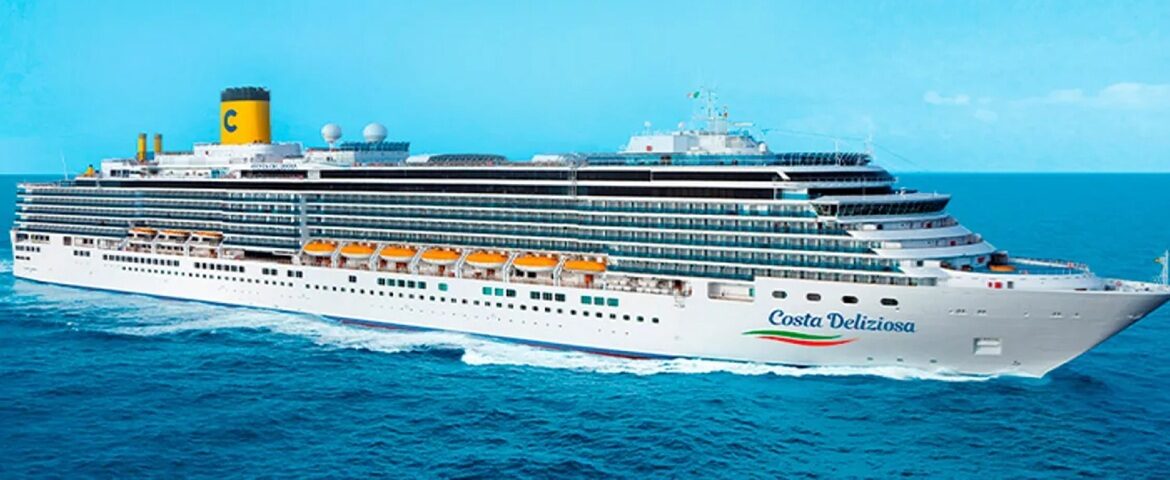
Costa Cruises (34 Cruises)
Costa Deliziosa
34 Cruises

Cunard (44 Cruises)
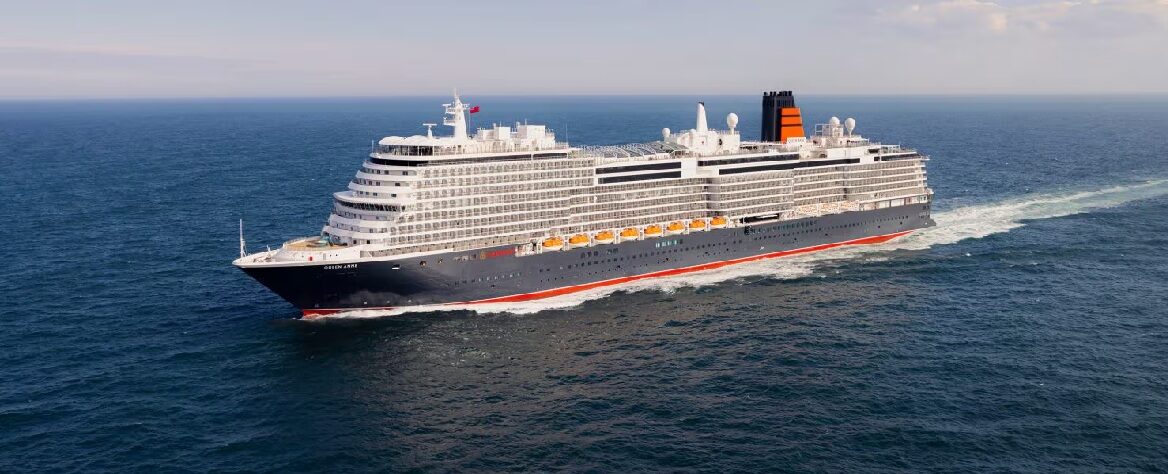
Queen Anne
18 Cruises

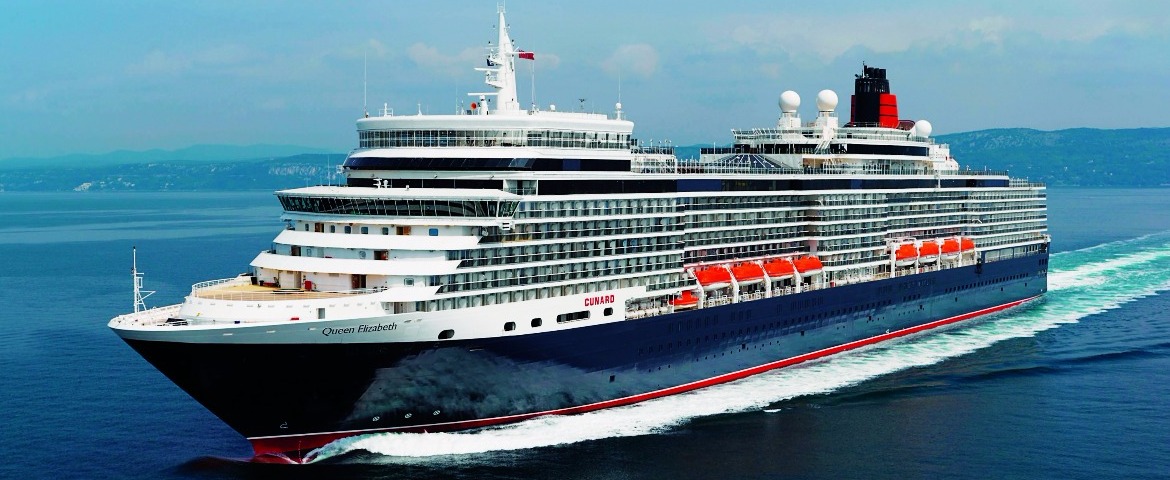
Queen Elizabeth
13 Cruises
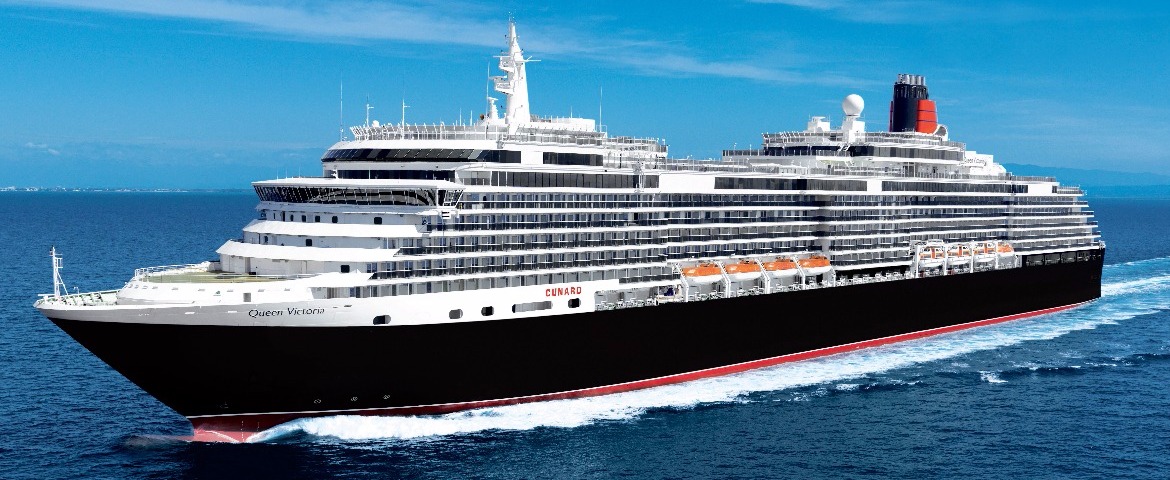
Queen Victoria
13 Cruises
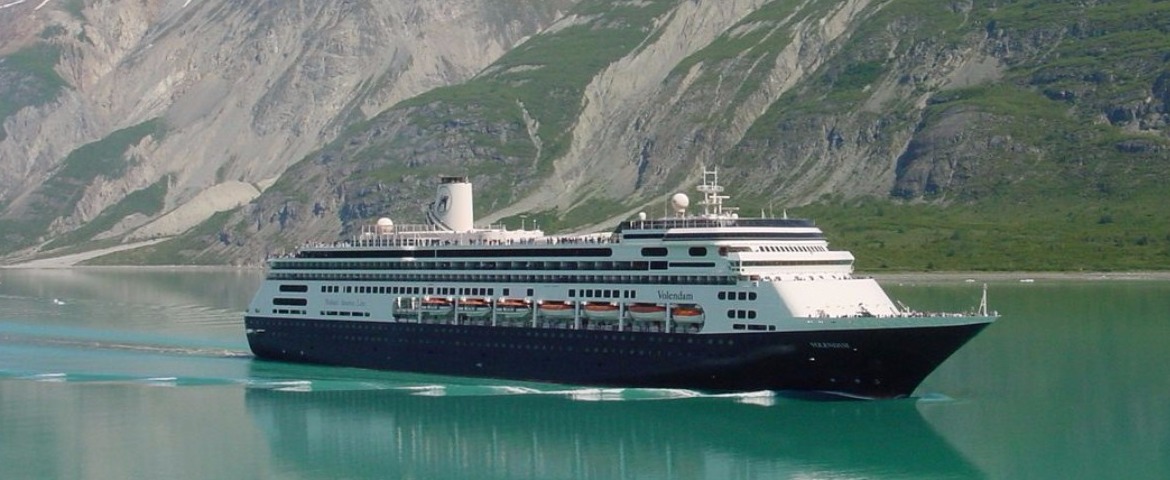
Holland America Line (2 Cruises)

MSC Cruises (16 Cruises)
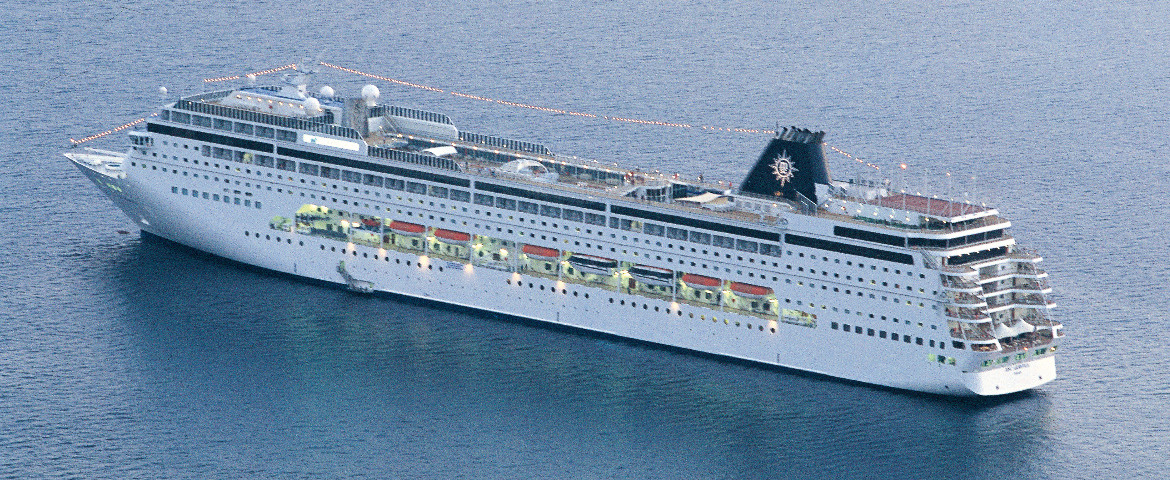

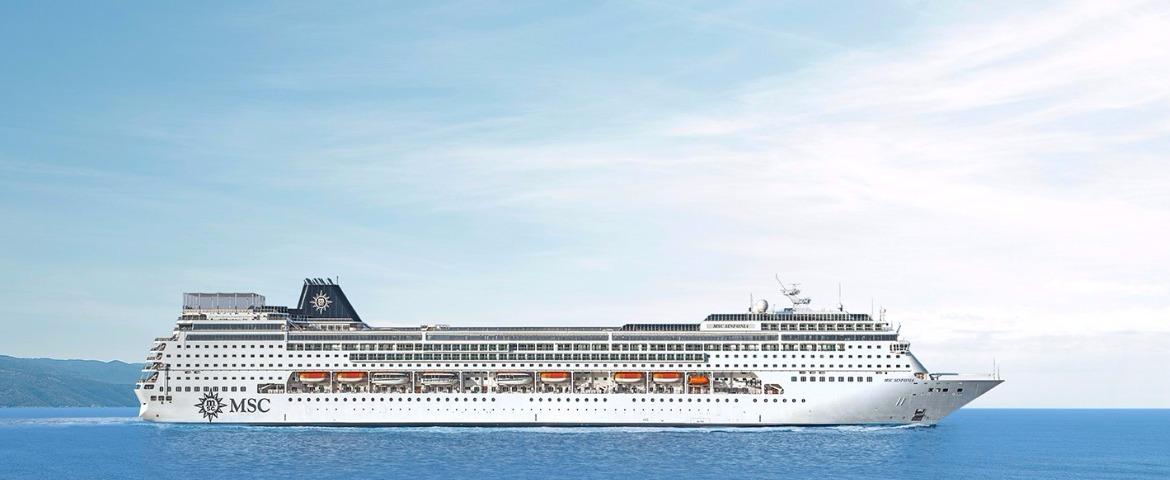
MSC Sinfonia
7 Cruises
MSC World Europa
4 Cruises
 Image not available
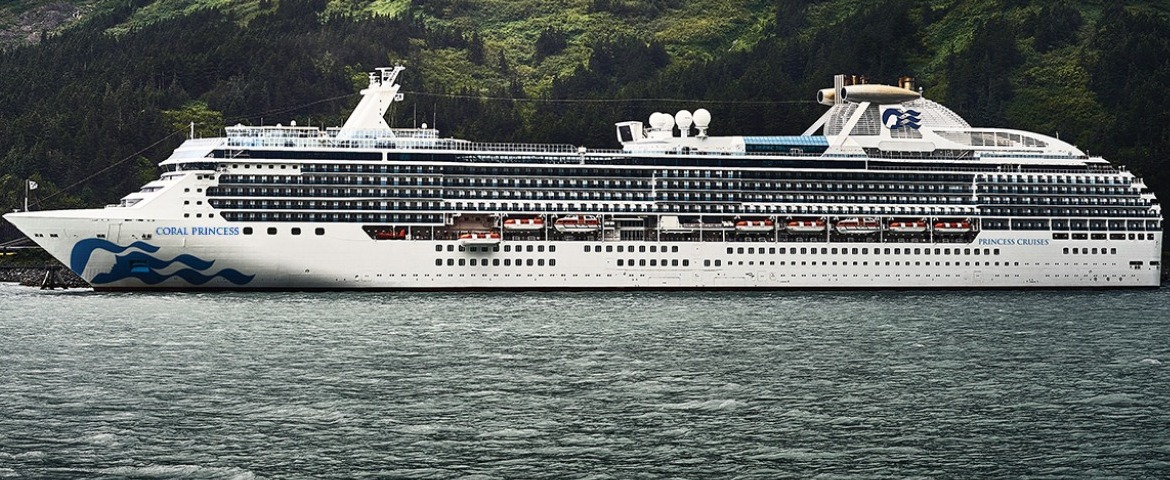
Princess Cruises (8 Cruises)
Coral Princess
8 Cruises

Regent Seven Seas Cruises (17 Cruises)
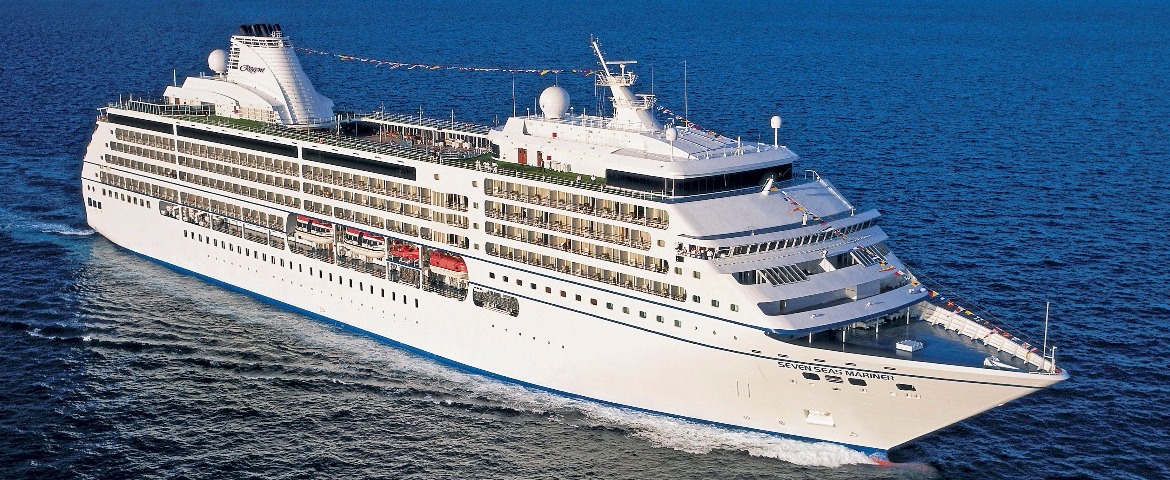
Seven Seas Mariner
9 Cruises

| 19 February | 69 days | One-way from Sydney to Cape Town |
450-628-6241
Call us
|
| 19 February | 69 days | One-way from Sydney to Cape Town |
450-628-6241
Call us
|
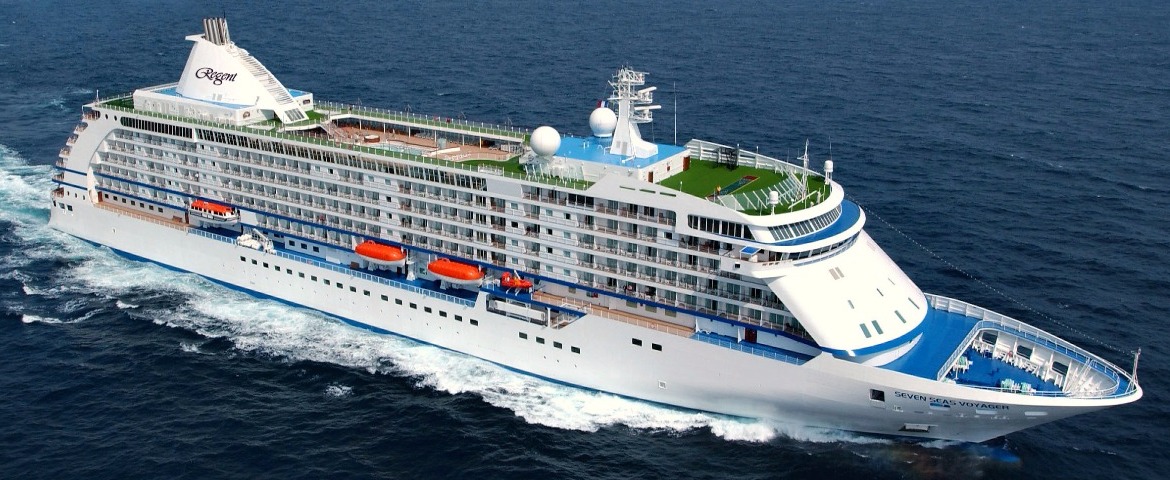
Seven Seas Voyager
8 Cruises
| 17 January | 15 days | One-way from Port Louis to Cape Town |
450-628-6241
Call us
|
| 17 January | 16 days | One-way from Port Louis to Cape Town |
450-628-6241
Call us
|
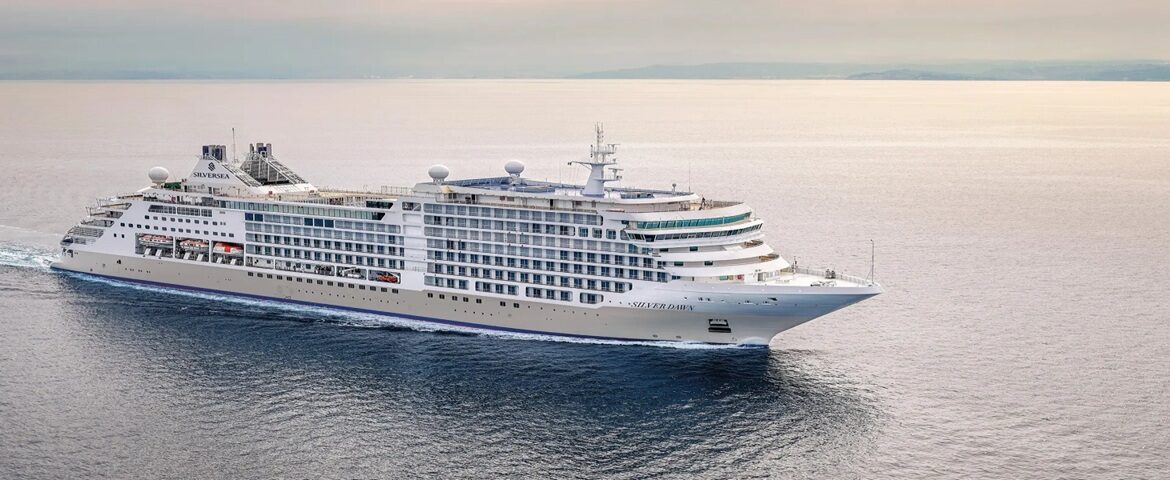

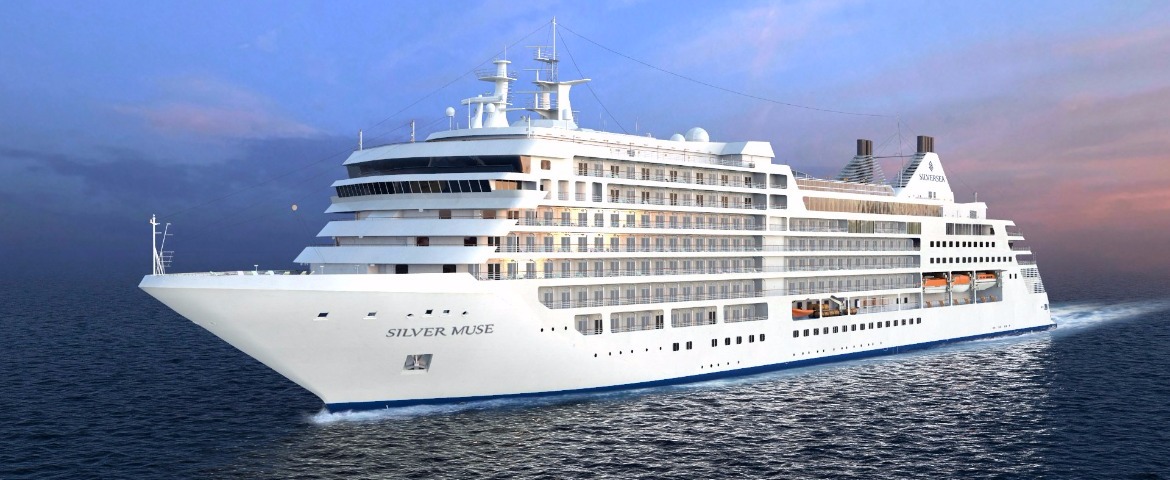
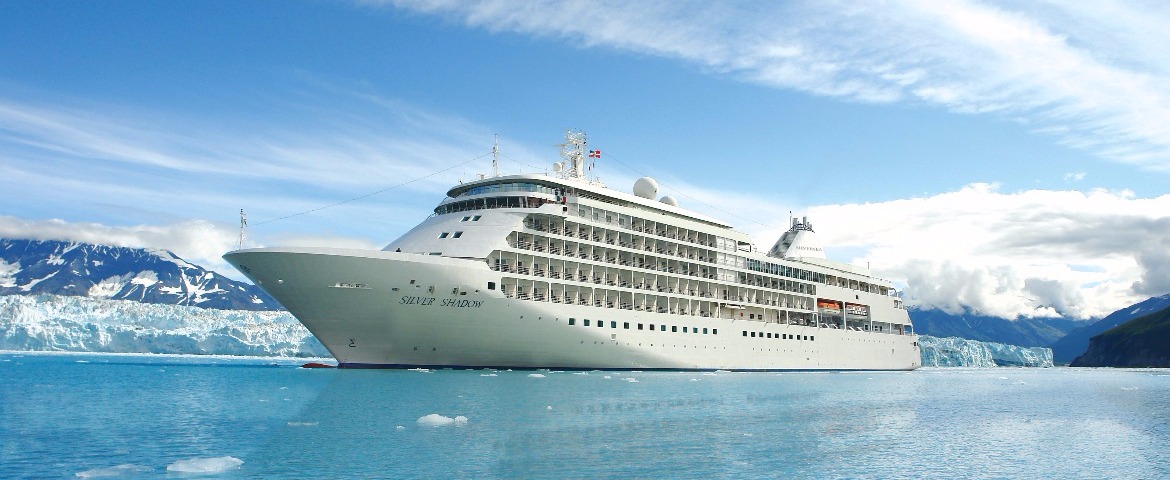

Port Louis, Mauritius | Cruise Port Guide
Frequently Asked Questions
At the Christian Decotter terminal, right downtown, which is a rare privilege. The Caudan Waterfront and its shops begin at the foot of the gangway, and the historic centre is less than a twenty-minute walk away.
Yes, almost all of it. The Caudan Waterfront, the central market, Aapravasi Ghat, Place d'Armes and Chinatown are all walkable. Only Fort Adelaide, up a steep climb, and the Champ de Mars take real effort in the heat.
The central market, Aapravasi Ghat and Place d'Armes, then the climb to Fort Adelaide for the view over the harbour. That loop fits into half a day on foot, with time left for a dholl puri at the market.
The World Heritage-listed immigration depot through which close to half a million indentured labourers from India passed in the 19th century, after the abolition of slavery. It is a fifteen-minute walk from the pier. The steps they climbed on arrival are still there, and the visit explains the Mauritius you see today.
Yes, it is the heart of the call. Under its iron roof you will find Victoria pineapples, preserved chillies and herbal teas, with vendors calling out in Creole. The upper floor sells textiles and souvenirs, but the soul of the place is downstairs. It is also where you try dholl puri and alouda.
The Mauritian rupee. Cards work at the Caudan Waterfront and in restaurants, far less at the market: keep small notes for the stalls and street food.
Mauritian Creole in daily life, French in shops and media, and English as the administrative language. English speakers manage easily, and French speakers even more so.
Yes, with a few caveats. The Caudan Waterfront and the Blue Penny Museum appeal to children, but the market is crowded and loud and the midday heat is heavy. Bring water and plan shade breaks.
The whole harbour, your ship included, with the peaks of Le Pouce and Pieter Both behind the city. The climb is short but steep and unshaded, so go early or late in the day.
May to November, the southern winter: drier, cooler and less humid. From January to March, Indian Ocean cyclone season can change itineraries.


