Puerto Chiapas Chiapas Mexico

49 Cruises availables At departure or passage at this port

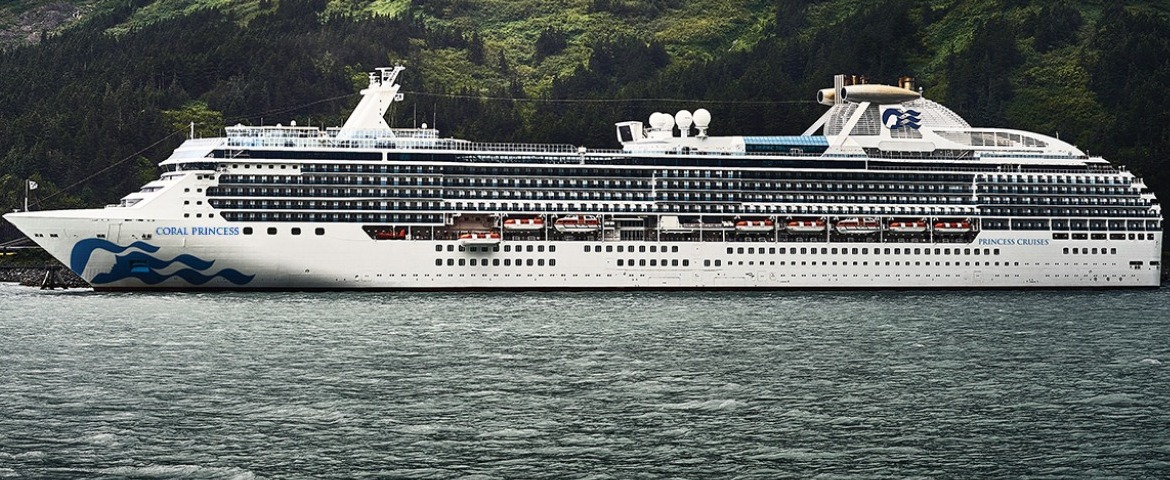
Princess Cruises (31 Cruises)

Puerto Chiapas, Mexico | Cruise Port Guide

The air changes right at the gangway: denser, heavy with humidity and the scents of vegetation. Welcome to the Soconusco, Mexico's far south, a few kilometres from Guatemala. Puerto Chiapas is a young port, built to open this coffee- and cacao-growing region to the world of cruising, and its terminal with a large palapa roof — complete with a pool, artisans and marimba musicians — sets the tone for a port call that is mostly experienced on excursions.

Understanding the port call

The terminal stands in an isolated port area: no town within walking distance. Everything therefore depends on organized tours, official taxis and the shuttle to Tapachula, the regional capital, 30 to 45 minutes away by road. This constraint, well anticipated, becomes an asset: the day is planned as a foray into a rural, volcanic Mexico that very few travellers know, under the gaze of the Tacaná volcano, which rises to more than 4,000 metres on the horizon.

Izapa, stones of the origins

About thirty minutes from the dock, the Izapa archaeological site lines up mounds, low pyramids and carved stelae among the cacao trees. Occupied for more than a millennium, with a peak around 300 to 50 BCE, it forms a link between the Olmec and Maya cultures: its bas-reliefs, still studied by researchers, rank among the oldest narrative images in Mesoamerica. The visit, easy and flat, is often combined with Tapachula or a cacao tasting.

Tapachula, the multicultural city

The regional city surprises with its cosmopolitanism: German, Chinese and Japanese immigrants followed one another with the coffee boom, leaving an eclectic architecture around Miguel Hidalgo central park and a cuisine that dares to mix. The regional museum and the Church of San Agustín can be visited in an hour; the Sebastián Escobar market, with its mangoes, flowers and fragrant stalls, offers the liveliest immersion. It is the most urban option of the day.

The coffee and cacao route

The foothills of the Sierra Madre, above Tapachula, have grown a high-altitude arabica since the 19th century that made the Soconusco's fortune. Several historic fincas welcome visitors to follow the bean from cherry to cup, among sun-drying patios and century-old machines still in service. Closer to the coast, the village of Tuxtla Chico carries on the cacao tradition — the region claims to be the very cradle of its use — with roasting demonstrations on a metate and frothy hand-whipped chocolate. Food lovers will find their outing of the day here.

The coastal mangroves

For bird lovers, the nearby estuary offers a lesser-known option: boat trips wind through mangrove channels among tiger herons, green iguanas and kingfishers, in a silence broken by the cries of egrets. Some excursions combine the boat ride with a stop in a fishing village where fish is cooked over embers beneath the coconut palms. The atmosphere, between brackish water and dense forest, is like nothing else on the Mexican Riviera itinerary.

Tips for the day

  • Book an excursion or arrange an official taxi as soon as you land: spontaneous options are limited.
  • Bring water, a hat and insect repellent; heat and humidity are constant.
  • Mountain roads to the fincas take time: check the total duration before committing.
  • The terminal itself offers shops, a pool and demonstrations: a relaxing option for part of the group.

Heading back to sea

At departure, Tacaná lingers for a long time above the coastline, often capped with clouds. Puerto Chiapas is like no other Mexican stop: neither a beach resort nor an old colonial city, but a discreet gateway to high-altitude plantations and stones two thousand years old. Passengers who ventured into the hinterland come back with their luggage full of coffee and the feeling of having seen a Mexico from before tourism.

Frequently Asked Questions

At the Puerto Chiapas terminal, a young port built in the Soconusco region, in the far south of Mexico and a few kilometres from Guatemala. The terminal has a large palapa roof, a pool, craft vendors and marimba musicians.
No, and it is worth knowing before you land. The terminal sits in an isolated port zone with no town within walking distance. Everything depends on organised tours, official taxis and the shuttle to Tapachula, 30 to 45 minutes away.
Take an excursion; that is how the day is planned here. Izapa for archaeology, Tapachula for the city, a coffee or cacao finca for flavour, the mangroves for birds. The terminal itself offers shops, a pool and demonstrations for those who prefer to stay put.
An archaeological site about thirty minutes from the pier, with mounds, low pyramids and carved stelae among cacao trees. Occupied for over a thousand years, peaking around 300 to 50 BCE, it forms a link between Olmec and Maya cultures. The visit is easy and flat.
Parque Miguel Hidalgo and its eclectic architecture, the regional museum, San Agustín church, and above all the Sebastián Escobar market with its mangoes, flowers and fragrant stalls. German, Chinese and Japanese immigration followed the coffee trade here, and the cooking reflects it.
Yes, in the foothills of the Sierra Madre above Tapachula, where high-altitude arabica made the fortune of the Soconusco from the 19th century. Several historic fincas follow the bean from cherry to cup, among sun-drying patios and century-old machines still in use. Mountain roads take time: check the total duration before committing.
Yes, at the village of Tuxtla Chico closer to the coast, which keeps the tradition alive: the region claims to be the very cradle of cacao use. You will see roasting demonstrations on a metate and taste hand-whisked frothy chocolate.
Yes, the nearby estuary is the lesser-known option: boat trips wind through mangrove channels among tiger herons, green iguanas and kingfishers. Some excursions pair the cruise with a stop in a fishing village where fish is grilled over coals under the coconut palms.
The Mexican peso. Fincas and markets run on cash; cards are unreliable as soon as you leave Tapachula.
Water, a hat and insect repellent: heat and humidity are constant in the Soconusco. Book your excursion or agree on an official taxi as soon as you land, because walk-up options are limited.