Dordrecht Netherlands South Holland
489
Cruises availables
At departure or passage at this port
AmaWaterways (82 Cruises)
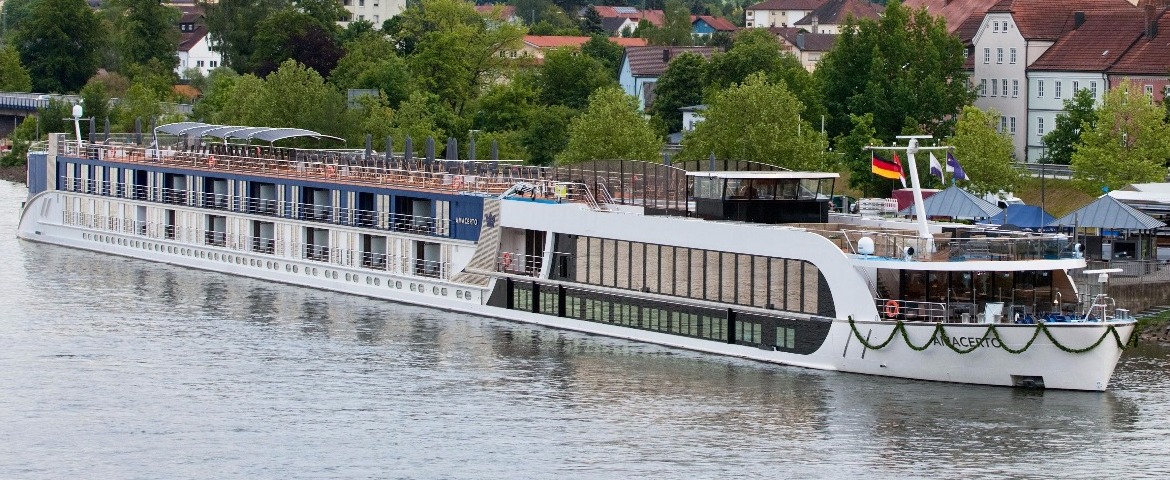

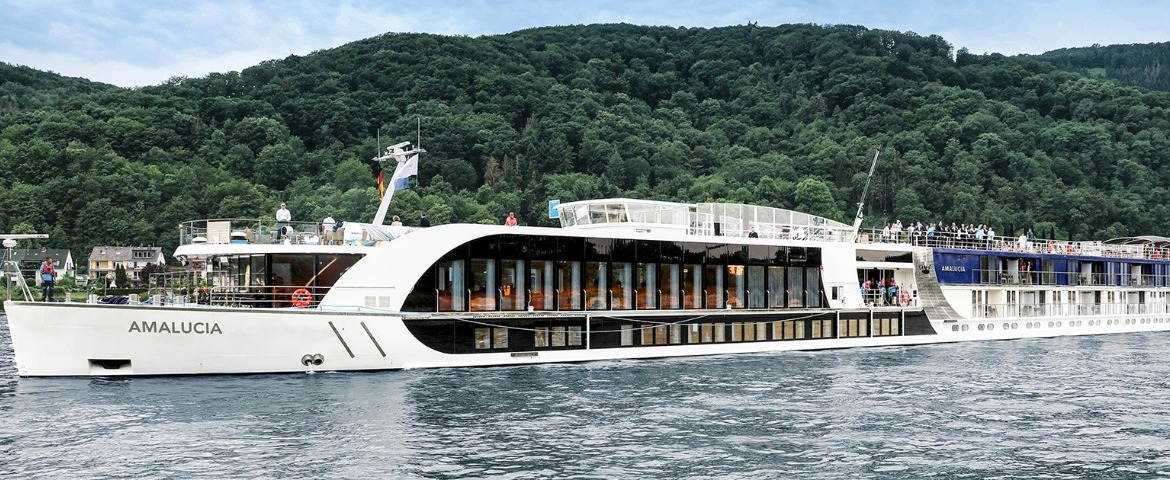
AmaLucia
10 Cruises
| 3 February | 8 days | Round-trip from Amsterdam, Netherlands |
450-628-6241
Call us
|
| 24 February | 8 days | Round-trip from Amsterdam, Netherlands |
450-628-6241
Call us
|
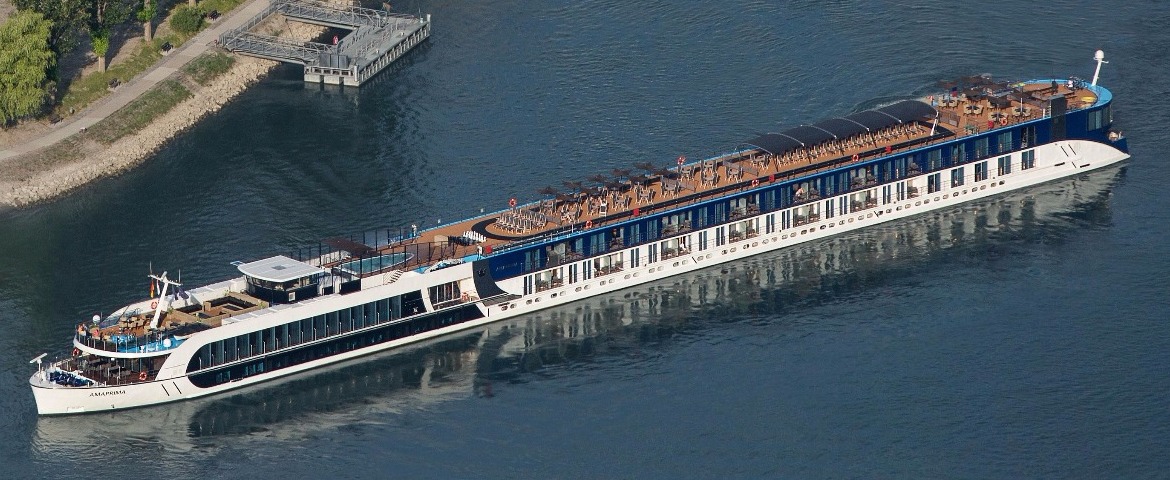
AmaSerena
16 Cruises
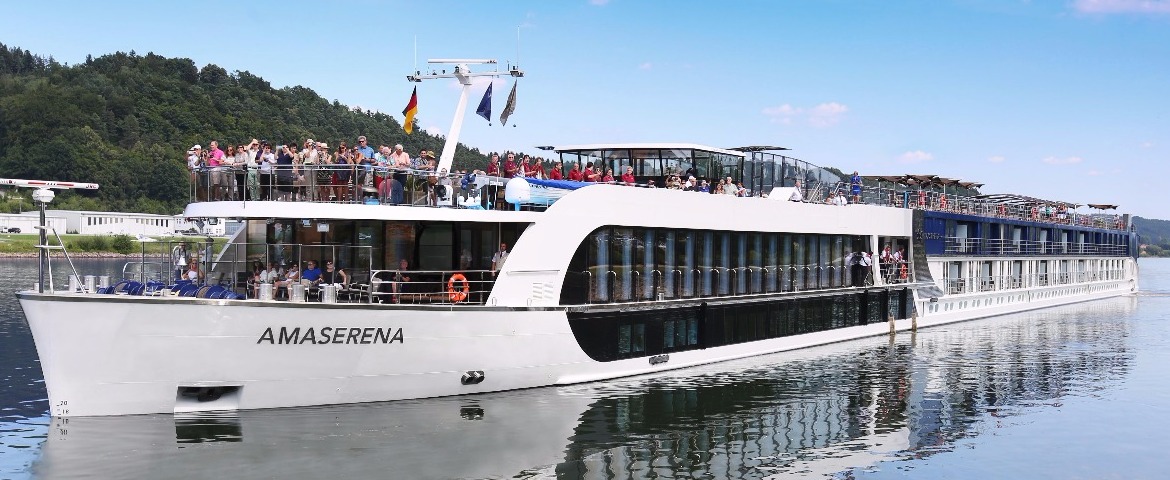
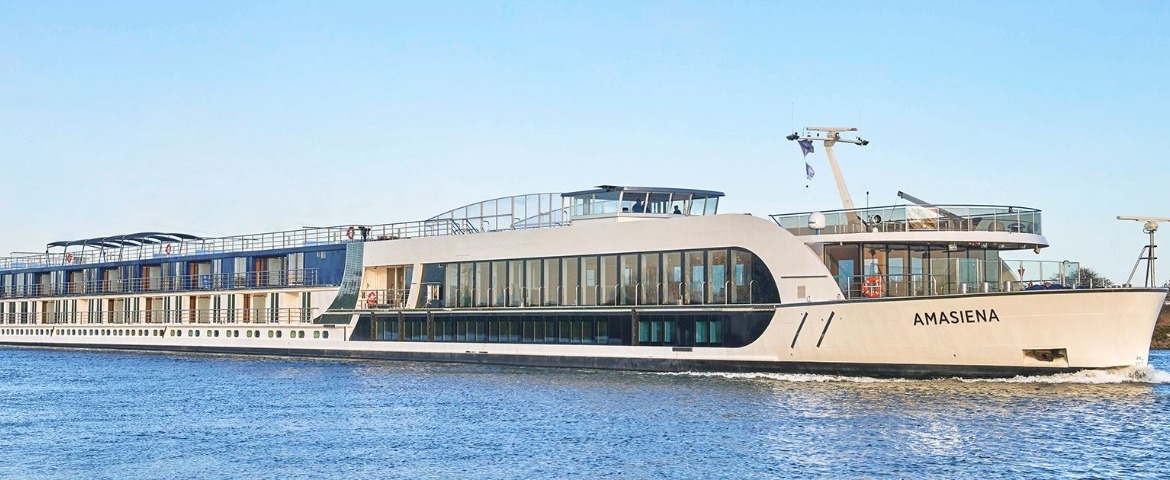
AmaSiena
10 Cruises
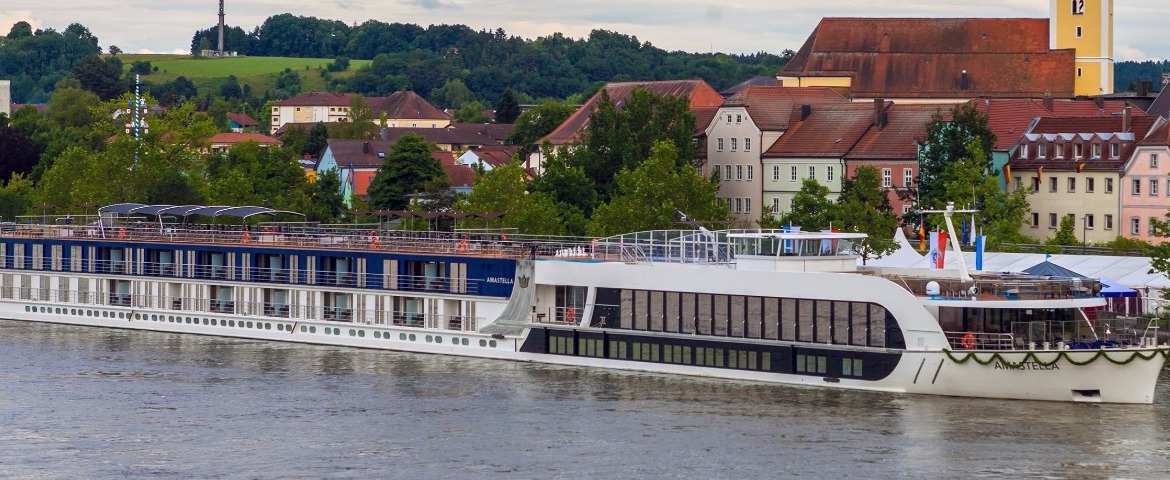
AmaStella
14 Cruises
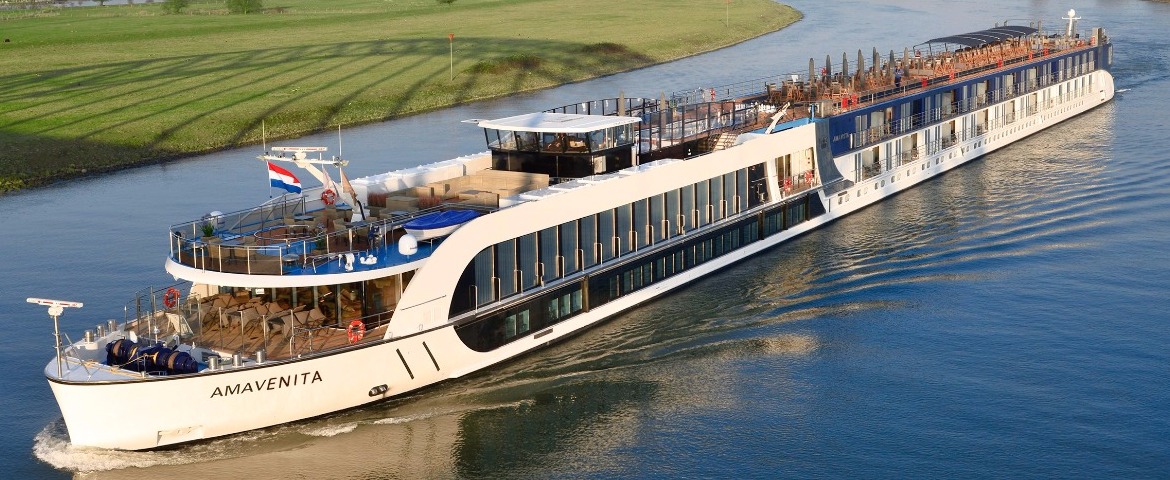
AmaVenita
14 Cruises
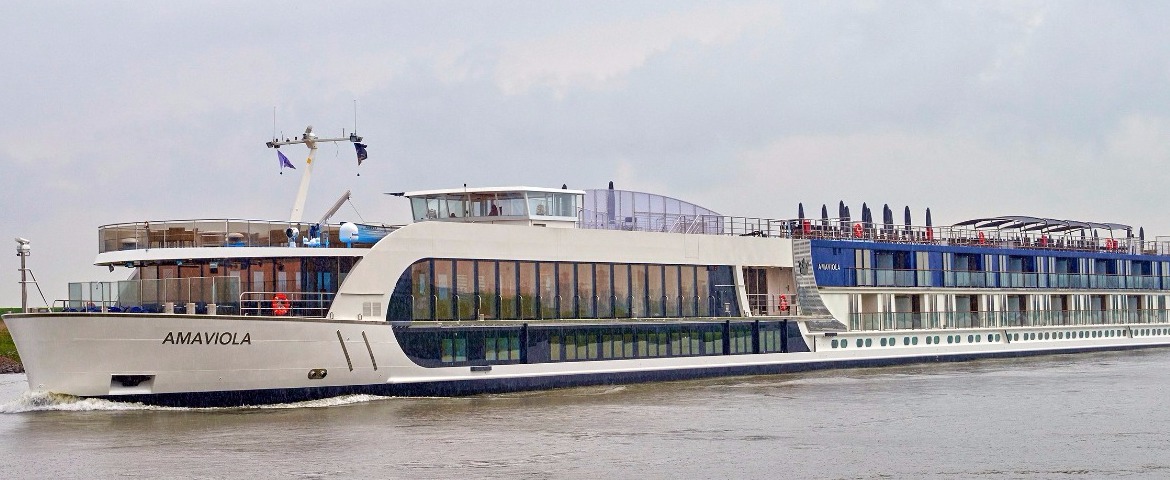
AmaViola
13 Cruises
Emerald Waterways (35 Cruises)
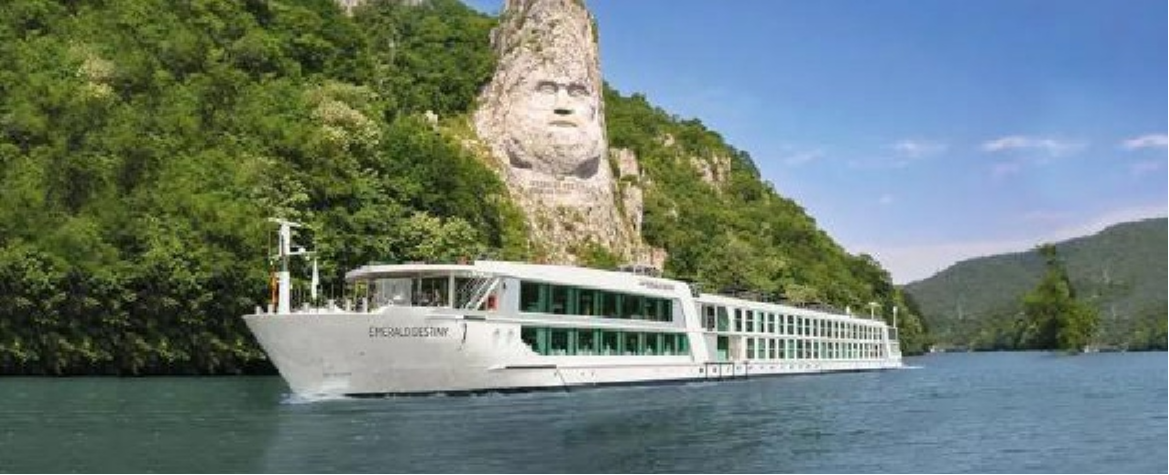
Emerald Destiny
17 Cruises

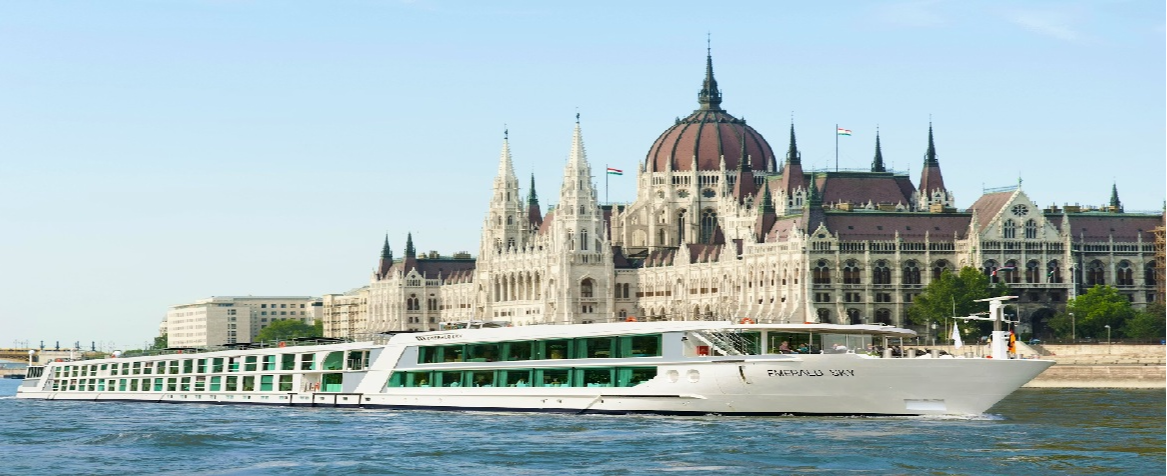
Emerald Sky
10 Cruises
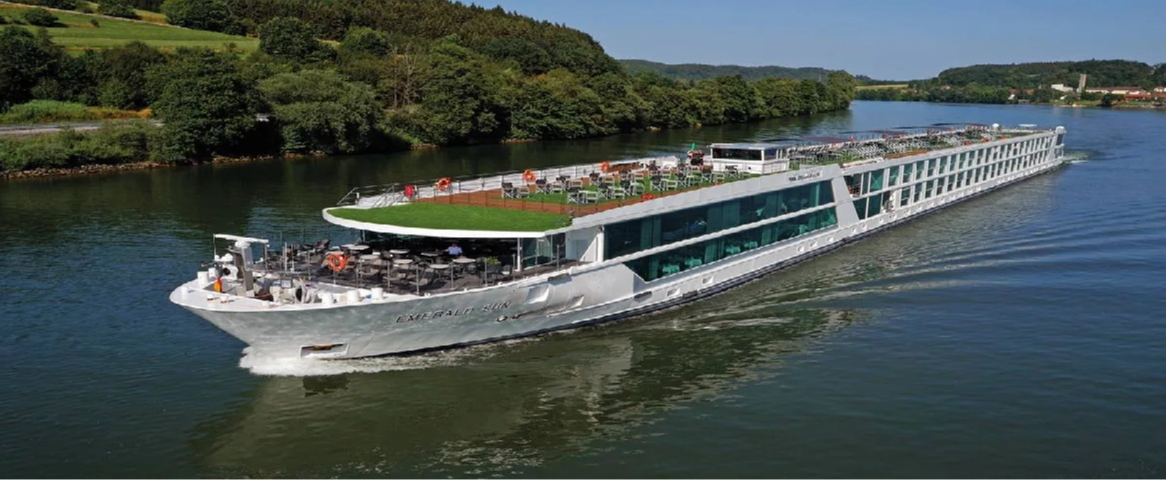
Emerald Sun
8 Cruises
Scenic Cruises (142 Cruises)
Scenic Amber
15 Cruises



Scenic Jewel
13 Cruises

Scenic Opal
25 Cruises

| 23 March | 22 days | One-way from Budapest to Amsterdam |
450-628-6241
Call us
|
| 23 March | 21 days | One-way from Budapest to Amsterdam |
450-628-6241
Call us
|
Scenic Pearl
38 Cruises

Scenic Ruby
44 Cruises

| 24 March | 21 days | One-way from Budapest to Amsterdam |
450-628-6241
Call us
|
| 24 March | 22 days | One-way from Budapest to Amsterdam |
450-628-6241
Call us
|
| 2 June | 29 days | One-way from Budapest to Basel |
450-628-6241
Call us
|
| 23 June | 15 days | One-way from Basel to Amsterdam |
450-628-6241
Call us
|
Tauck Cruises (10 Cruises)
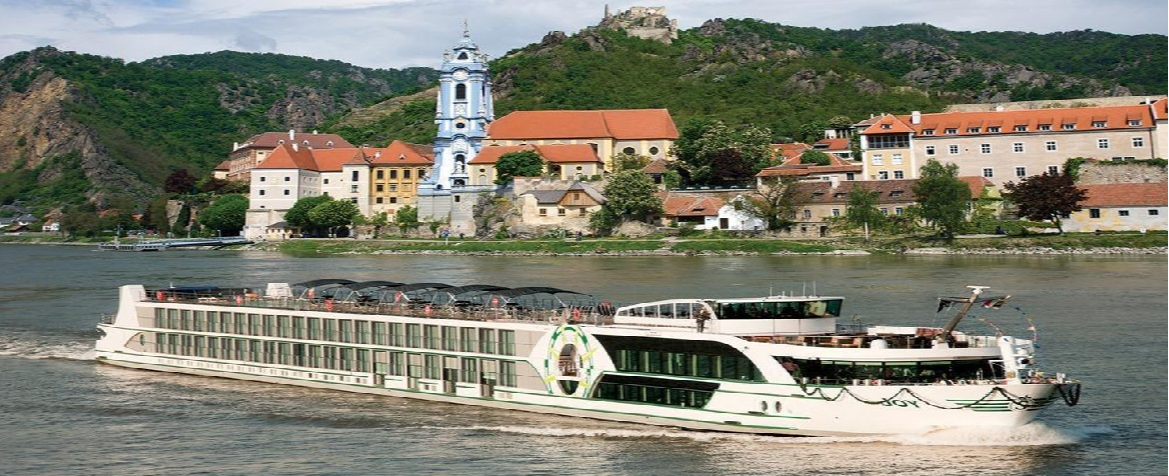
ms Joy
10 Cruises

| 31 March | 9 days | One-way from Brussels to Amsterdam |
450-628-6241
Call us
|
| 31 March | 7 days | One-way from Brussels to Amsterdam |
450-628-6241
Call us
|
Uniworld Boutique River Cruise (20 Cruises)
S.S Audrey
6 Cruises
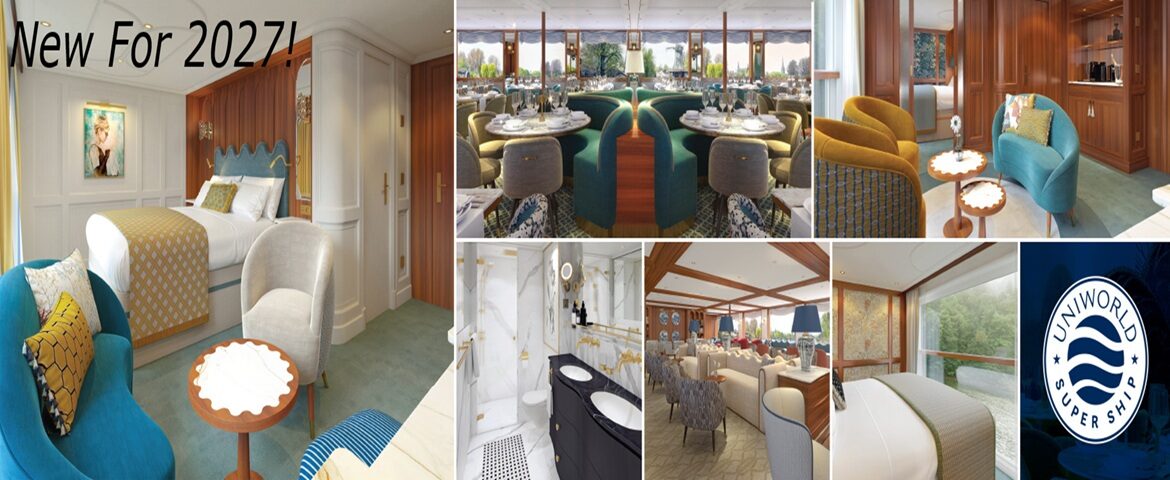

| 21 March | 10 days | One-way from Amsterdam to Antwerp |
450-628-6241
Call us
|
| 30 March | 10 days | One-way from Antwerp to Amsterdam |
450-628-6241
Call us
|
S.S Elisabeth
10 Cruises
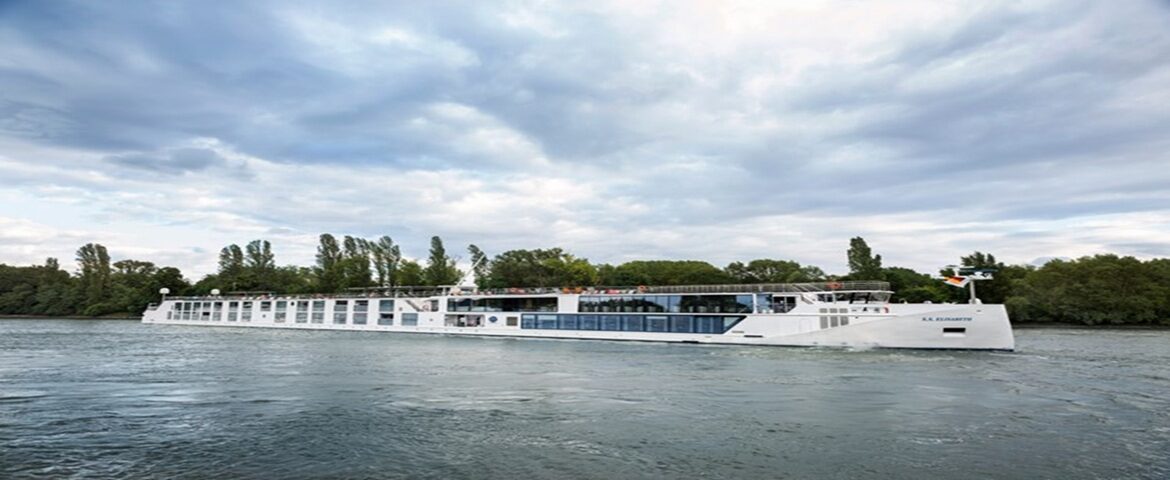
| 25 March | 10 days | One-way from Antwerp to Amsterdam |
450-628-6241
Call us
|
| 25 March | 9 days | One-way from Antwerp to Amsterdam |
450-628-6241
Call us
|
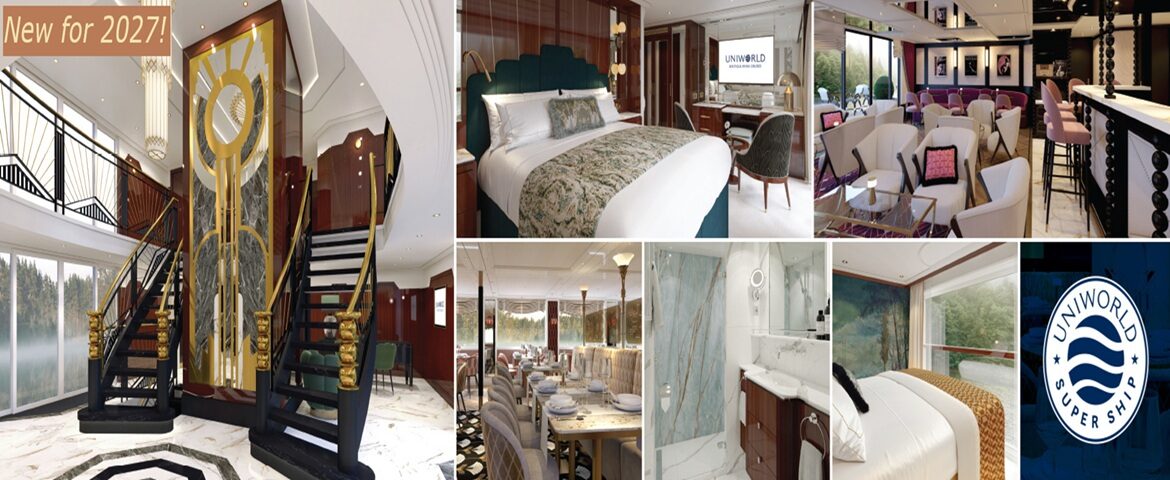
Viking River Cruises (200 Cruises)
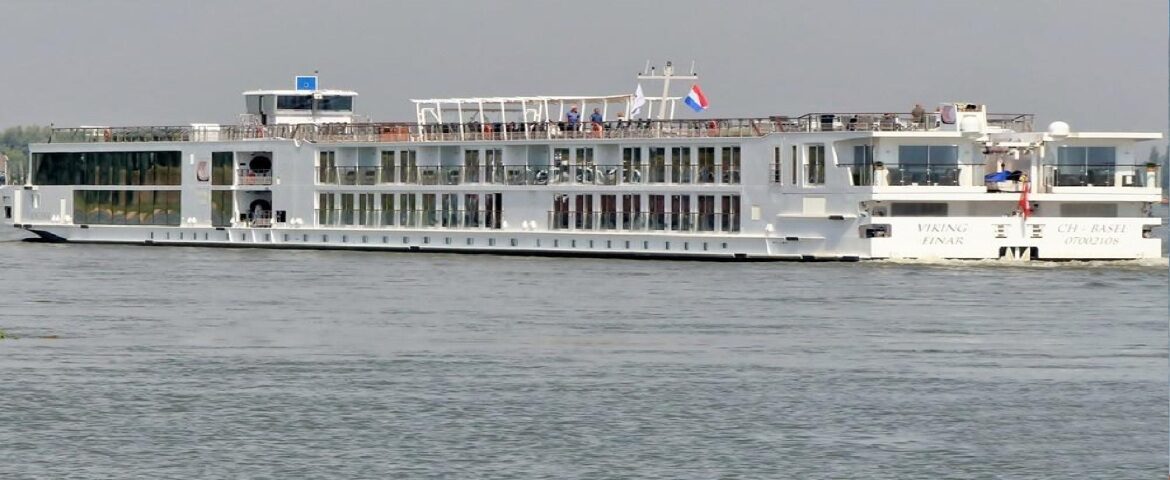

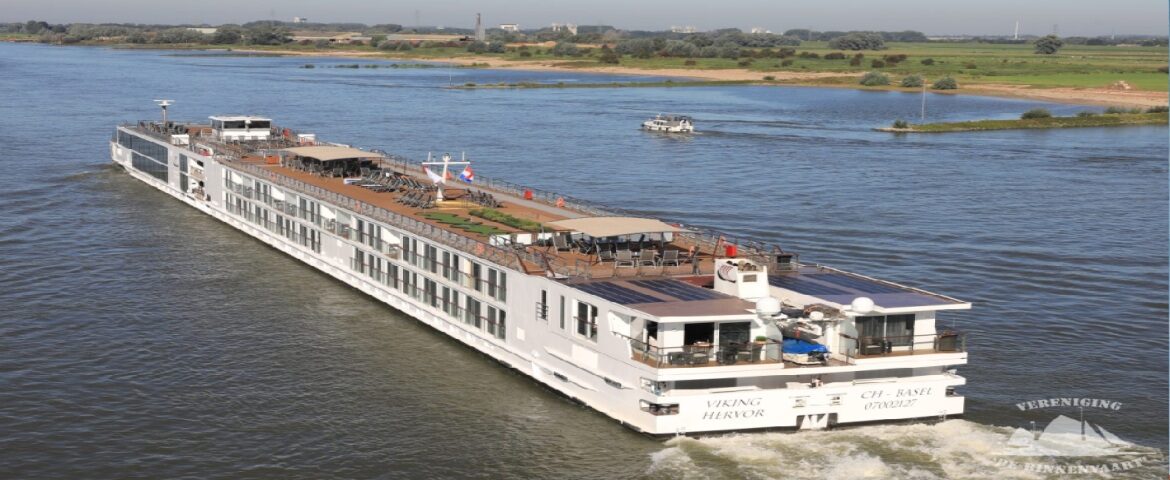
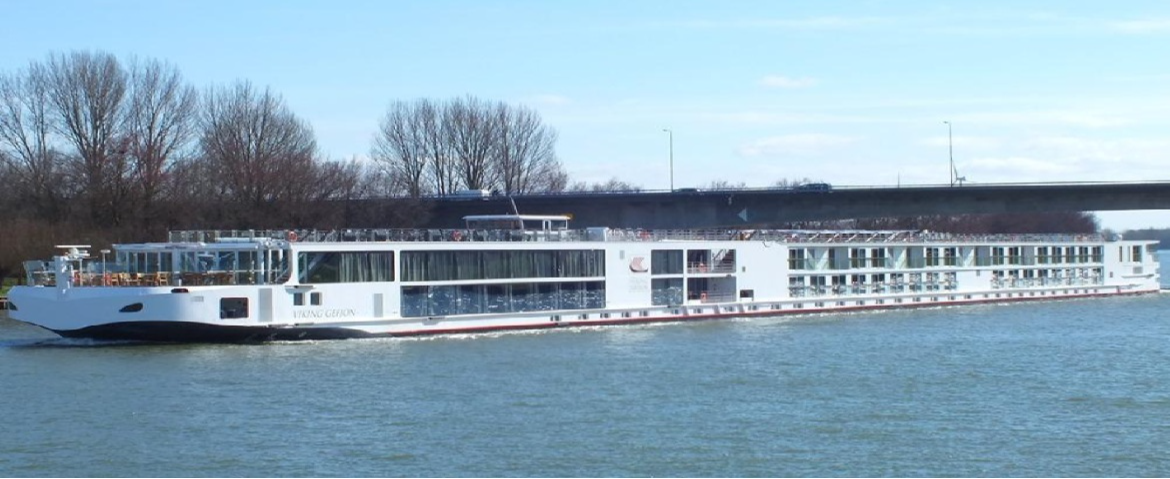
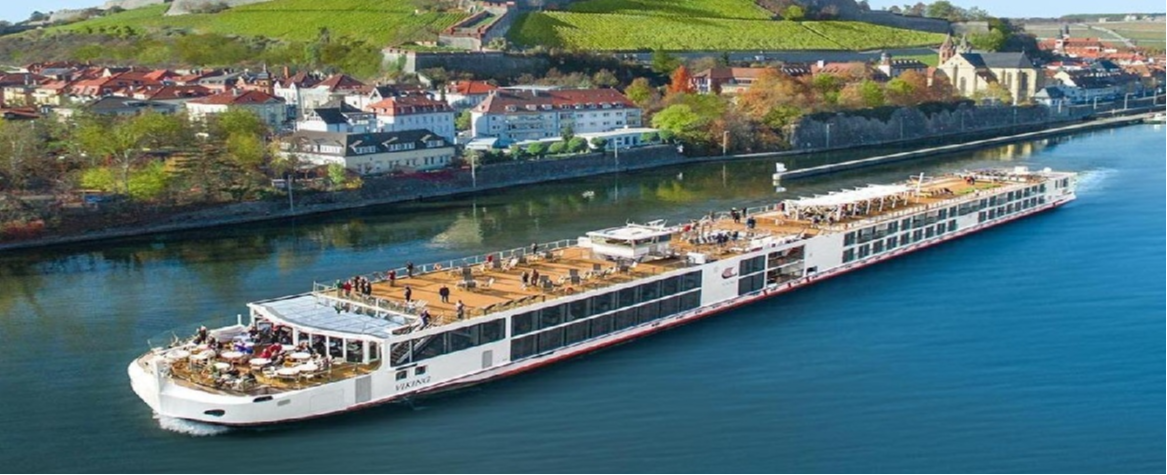
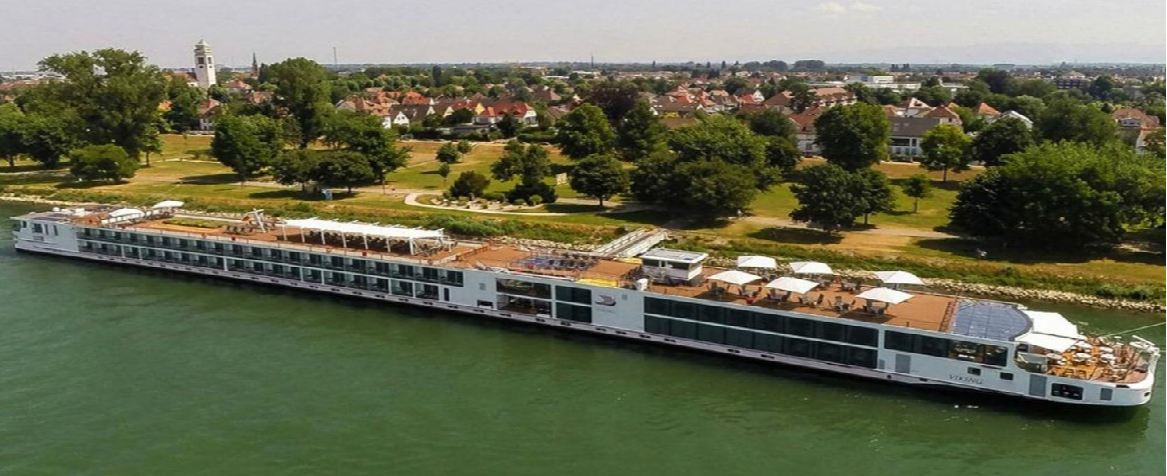
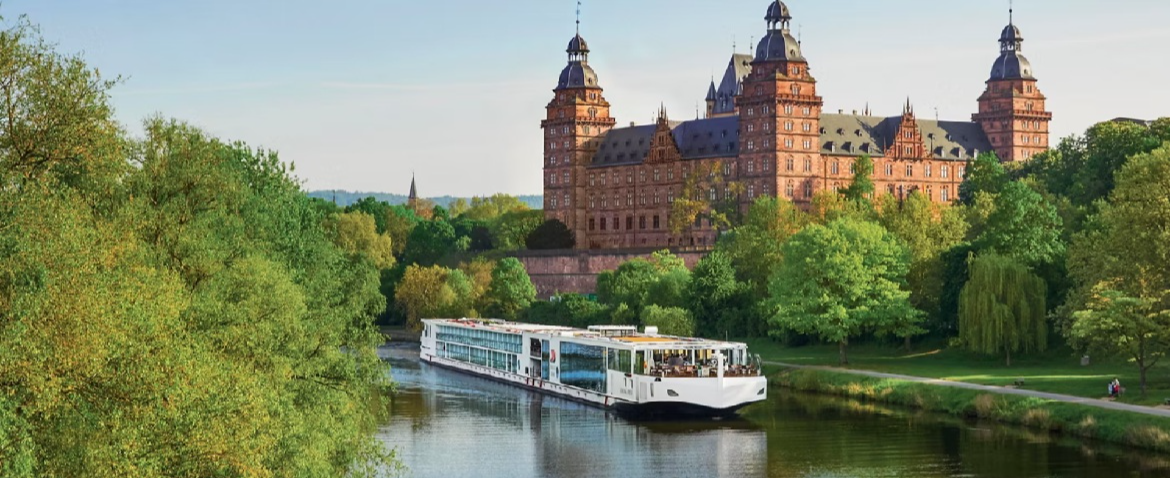
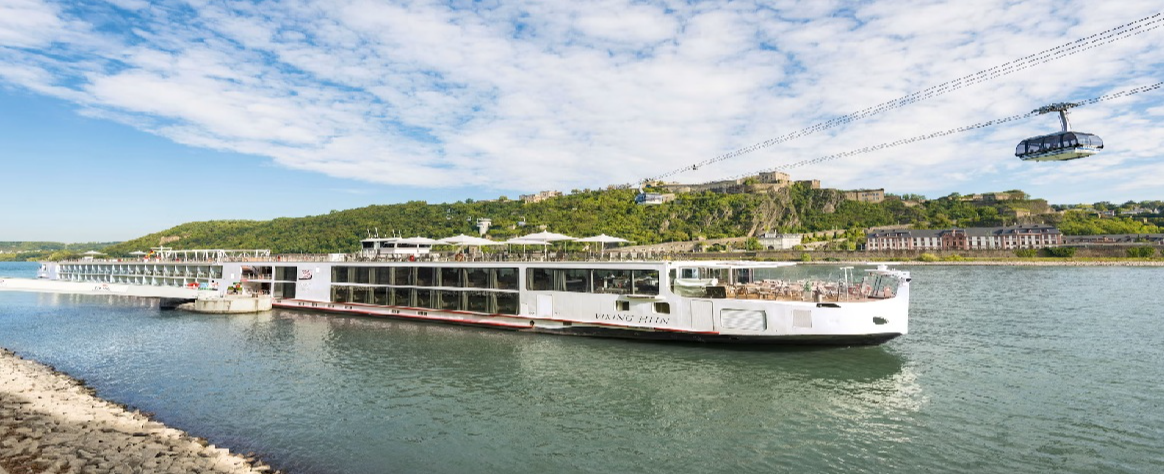
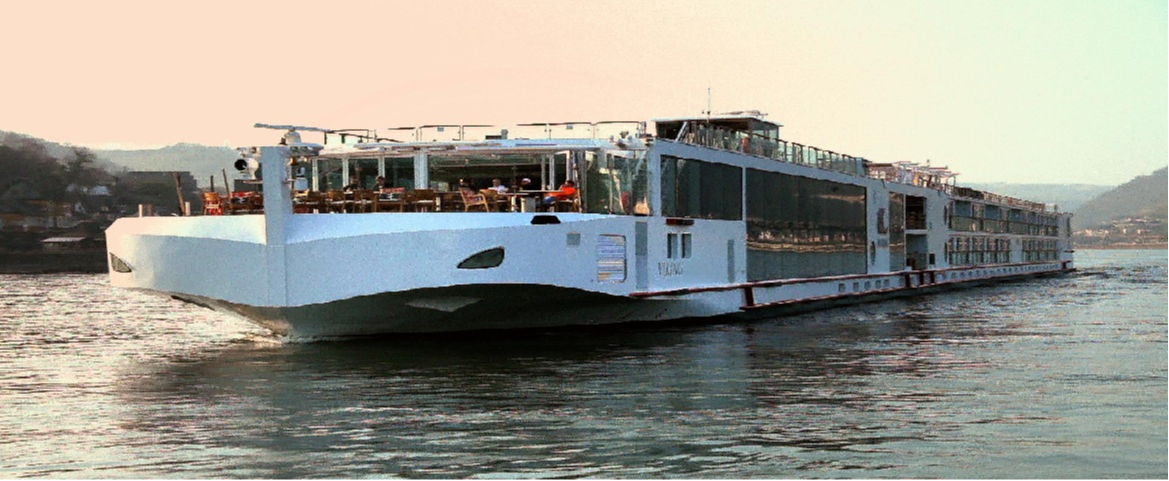
Viking Longships Kvasir
117 Cruises
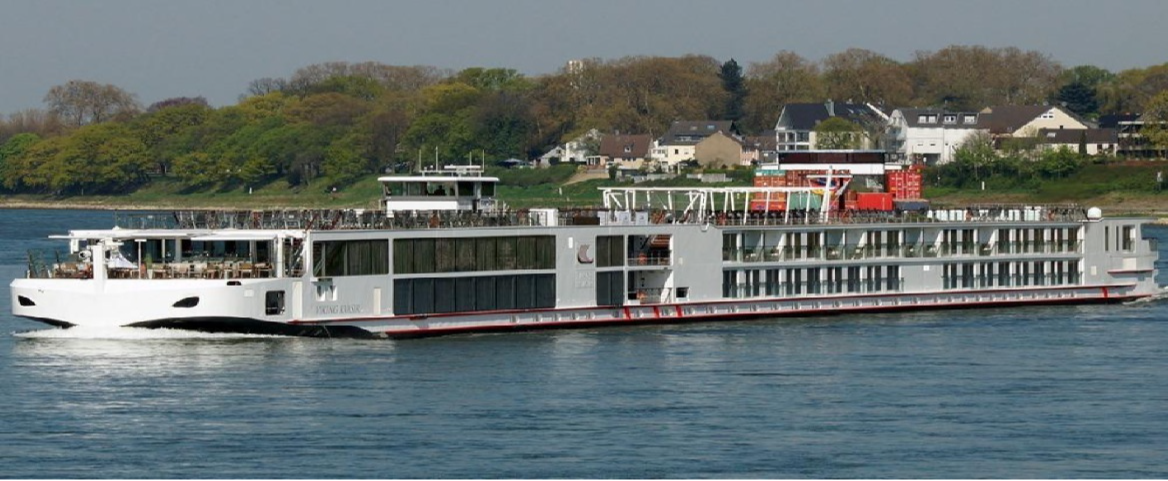
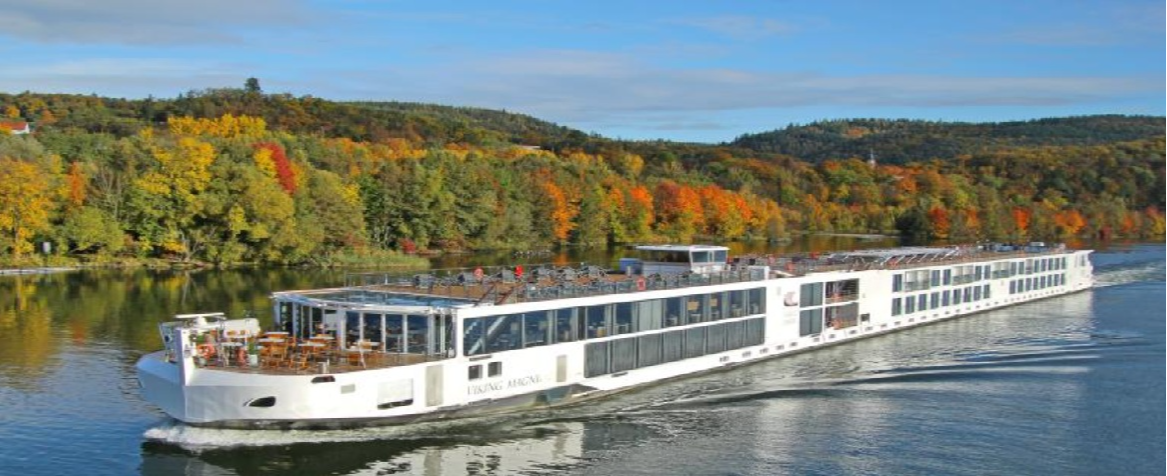
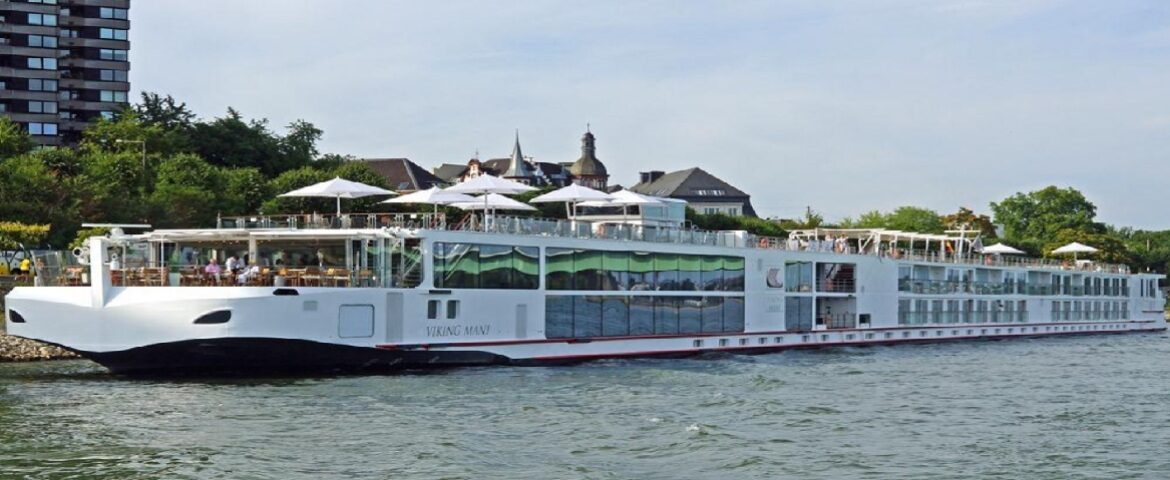
Viking Longships Magni
8 Cruises
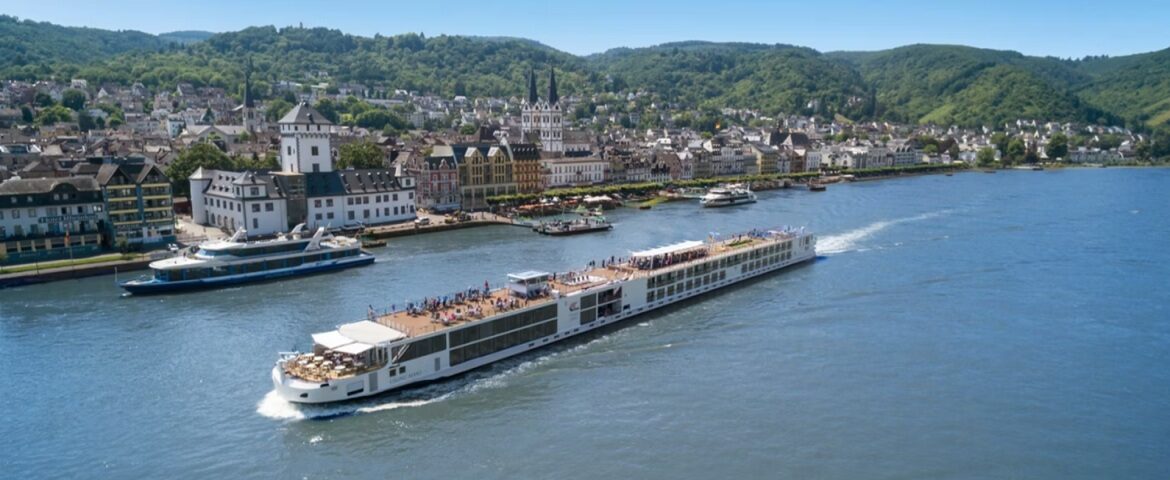
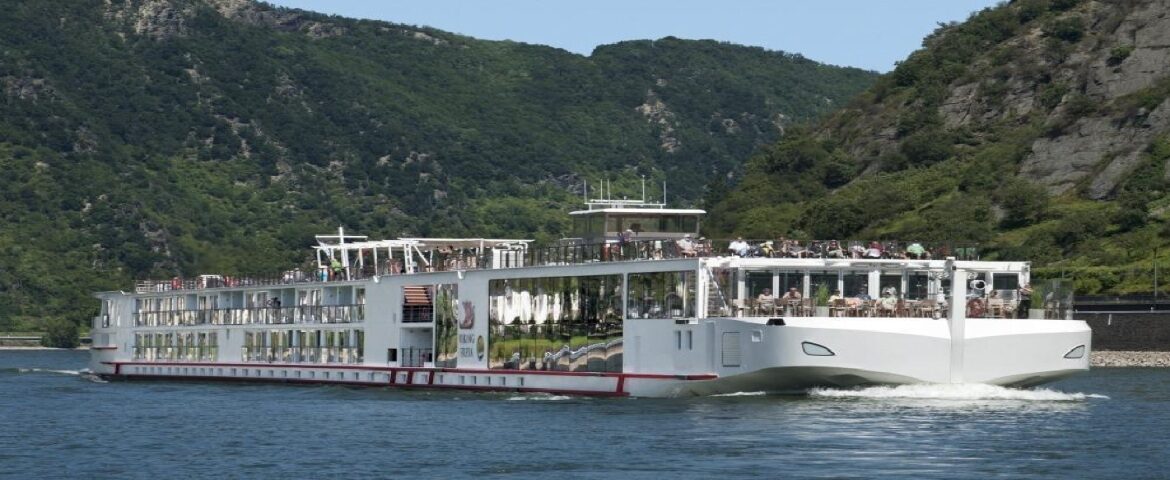
Viking Longships Mimir
11 Cruises
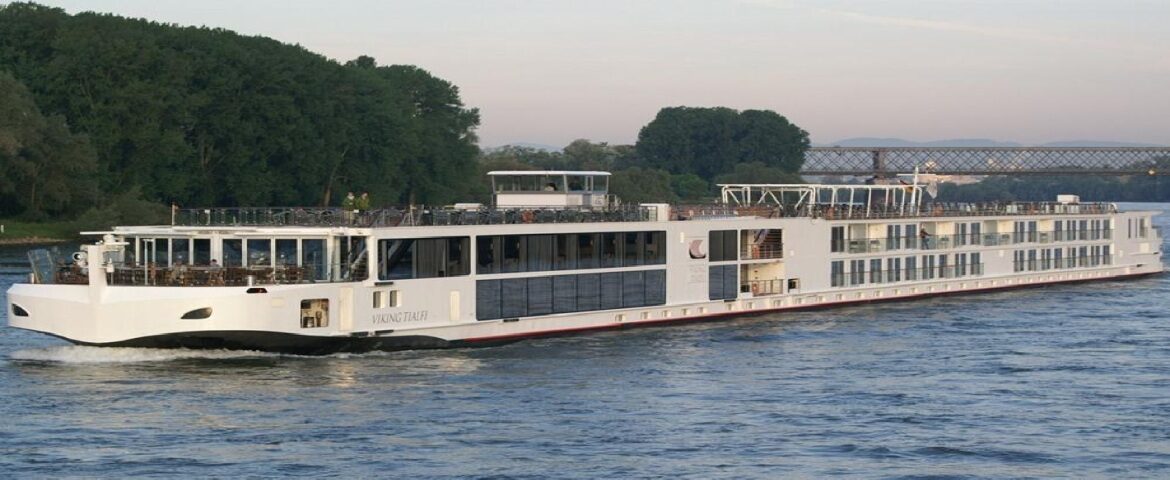
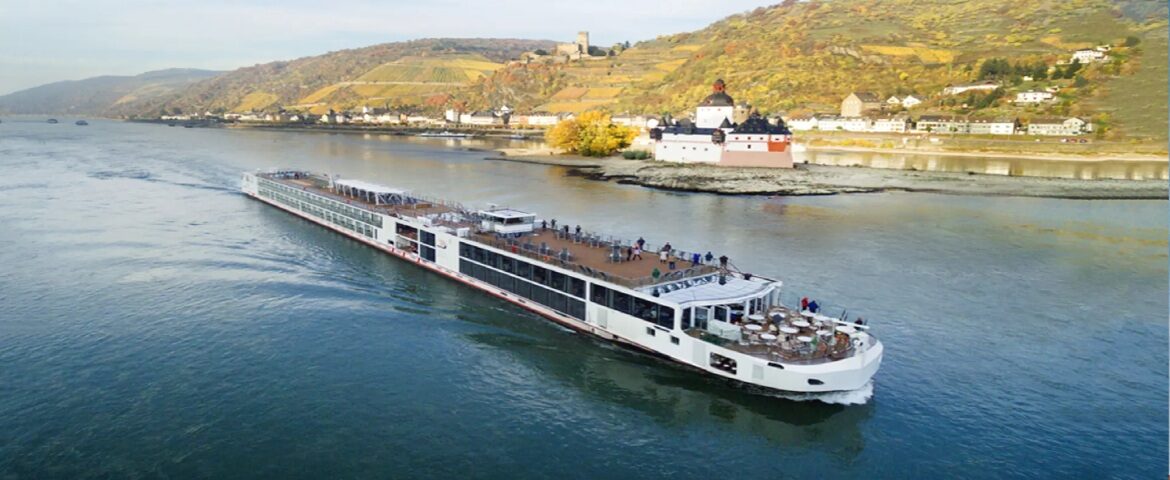
Viking Tialfi
4 Cruises
 Image not available
Frequently Asked Questions
Along the historic quays, immediately beside the old town. You step ashore among 17th-century gables with no shuttle and no transition — the first lanes begin a few steps from the gangway.
Yes, entirely. The old centre is flat and compact, and everything that matters — the Groothoofd, the Grote Kerk, the inner harbours, the Voorstraat — is within walking distance. No transport is needed.
Start at the Groothoofd for the river junction, then walk the inner harbours of Wolwevershaven and Nieuwe Haven. With three hours, add the Grote Kerk and the Voorstraat. Half a day also allows the Dordrechts Museum or a canal cruise.
The town's monumental former water gate, crowned by a dome and standing exactly opposite the meeting of the Oude Maas, the Noord and the Merwede. The terrace beside it overlooks one of Europe's busiest inland waterways — hundreds of commercial vessels pass every day.
Yes, during opening hours. The brick tower was never finished and leans slightly; the climb rewards you with a view over the tangle of rivers, the red roofs and, on a clear day, the port skyline of Rotterdam.
Yes. It received its town rights in 1220, before Amsterdam and before Rotterdam, and more than a thousand of its buildings are listed monuments. It was also here, in 1572, that the free assembly of Holland's towns laid the groundwork for Dutch independence.
The euro. Debit and credit cards work almost everywhere, though some small Dutch shops still decline foreign credit cards — keep a few euros in cash for a coffee or a slice of apple tart.
English, widely. Dutch is the everyday language and French is rarely heard, but shops, museums and restaurants all deal comfortably in English. A few words are more than enough for a port call.
Yes. This freshwater delta, created by the great flood of 1421, lies at the edge of town and several excursions run from the quays. You paddle among willows and kingfishers — but allow half a day, this is not a one-hour outing.
Yes, if your group enjoys walking. The barge traffic at the Groothoofd holds children's attention, the tower climb makes a good challenge and the canals are easy to follow. There is, however, no purpose-built attraction for young children: the pleasure here is the walk and the water.


