Rabaul New Britain Island Papua New Guinea
Papua New Guinea

76 Cruises availables At departure or passage at this port

Costa Cruises (32 Cruises)

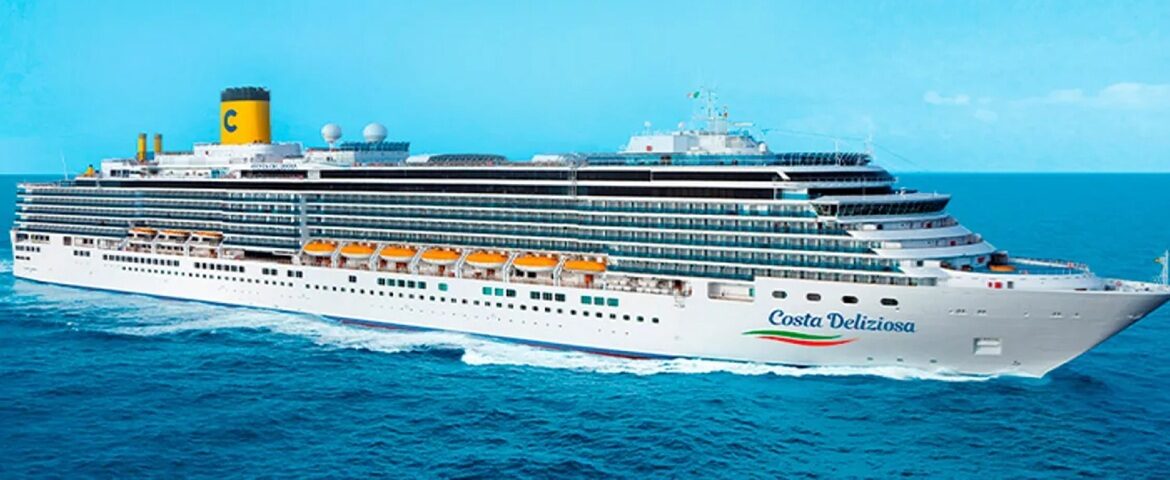
Costa Deliziosa.

Costa Deliziosa

2826 Passengers
92 tons
Visit the ship's page

Rabaul, Papua New Guinea | Cruise Port Guide

Sailing into Rabaul's harbour is one of the most striking arrivals in the Pacific. The ship enters a flooded caldera, Simpson Harbour, ringed by volcanic cones, one of which, Tavurvur, sometimes sends up a plume of steam. In 1994, its eruption buried part of the town under ash; the administration moved to Kokopo, but Rabaul stayed on, stubborn, between its plantations and its docks. Ships tie up directly at the pier, a few steps from the market and the main streets, beneath a fine grey dust that is a constant reminder of the giant's presence.

Tavurvur and the ash plains

The volcano dominates every view. Excursions lead to the foot of its grey slopes, where hot springs steam between the rocks and vegetation is slowly reclaiming the land. The landscape evokes the surface of another planet: dark expanses, sulphurous vapours, silhouettes of charred trees. From the heights of the volcanological observatory, which monitors the massif day and night, the view takes in the entire caldera and reveals the unusual geography of this harbour born of a collapse. Some tours continue to the bubbling springs where locals cook eggs in the hot sand, the volcano's nod to everyday life.

The wartime tunnels

During the Second World War, Rabaul served as Japan's main base in the South Pacific: nearly one hundred thousand soldiers and workers were stationed here at the height of the conflict, and the anchorage sheltered an entire fleet. Dozens of kilometres of tunnels were dug into the hills; several can still be visited, including galleries that still hold rusting barges. The bunker attributed to Admiral Yamamoto and the war museum round out this chapter of history. Beneath the surface of the harbour, sunken aircraft and ships lie on the bottom, making the site one of the region's most renowned wreck-diving destinations.

The market and life that goes on

Near the port, the market overflows with bananas, yams, kaukau, the local sweet potato, and carefully stacked betel nuts. Stalls of shells and woven baskets attract passengers; vendors return smiles with disarming kindness. This is where you can measure the resilience of a community that rebuilt its life on ash, literally. On Sundays, the nearby churches ring with singing, and children race between the stalls, laughing out loud: the buried town is anything but dead.

Curiosities of the harbour

From the pier, you can see the Beehives, two rocky pinnacles rising in the middle of the bay like stone hives, remnants of the ancient volcano. Boat tours let you get close to them and, with a little luck, meet dolphins along the way. Local guides say these rocks served as landmarks for navigators long before the Europeans arrived, and that each has a name in the language of the Tolai, the people of the region. The black-sand beaches nearby are another reminder of the volcanic origin of every grain of this setting.

Pointers for the port call

  • Bring water, a hat and good shoes: heat and volcanic dust accompany most visits.
  • Organized excursions remain the easiest way to reach the volcano and the tunnels.
  • The local currency is the kina; small bills make shopping at the market easier, where prices are negotiated with a smile.

Leaving the caldera

On departure, the ship glides once again between the walls of the ancient caldera, and Tavurvur lingers in view for a long time, as if to remind you who rules here. Rabaul leaves no one indifferent: here you come face to face with the power of the earth and the determination of people to live with it. Few port calls tell such a powerful story in a single day.

Frequently Asked Questions

Alongside the wharf in Simpson Harbour, a drowned volcanic caldera. The market and the main streets are a short walk away.
The market and waterfront, yes. Mount Tavurvur, the wartime tunnels and the volcano observatory need a tour or a vehicle.
Tavurvur and its ash plains, the Japanese Second World War tunnels, and the market near the port. The volcano observatory has the best view over the whole caldera.
Yes. Tavurvur sometimes releases a plume of steam, and its 1994 eruption buried part of the town. An observatory monitors it day and night, and excursions adjust to its mood.
Because of the 1994 eruption. The administration moved to Kokopo, but the town stayed. A fine grey dust still coats the streets and keeps the volcano permanently in mind.
A great deal. Rabaul was the main Japanese base in the South Pacific, with close to a hundred thousand personnel. Tens of kilometres of tunnels were dug into the hills; several can be visited, including the bunker attributed to Admiral Yamamoto.
Yes. Sunken aircraft and ships lie on the floor of Simpson Harbour, making this one of the most respected wreck-diving sites in the region. Certification is required.
Water, a hat and sturdy closed shoes. Heat and volcanic dust come with most visits.
The kina, in small notes. At the market prices are negotiated with a smile; cards are essentially not accepted.
Two rock pinnacles rising in the middle of the harbour, remnants of the ancestral volcano. Boat tours pass close to them, and dolphins often appear along the way.