Salaverry-Trujillo Peru

54 Cruises availables At departure or passage at this port

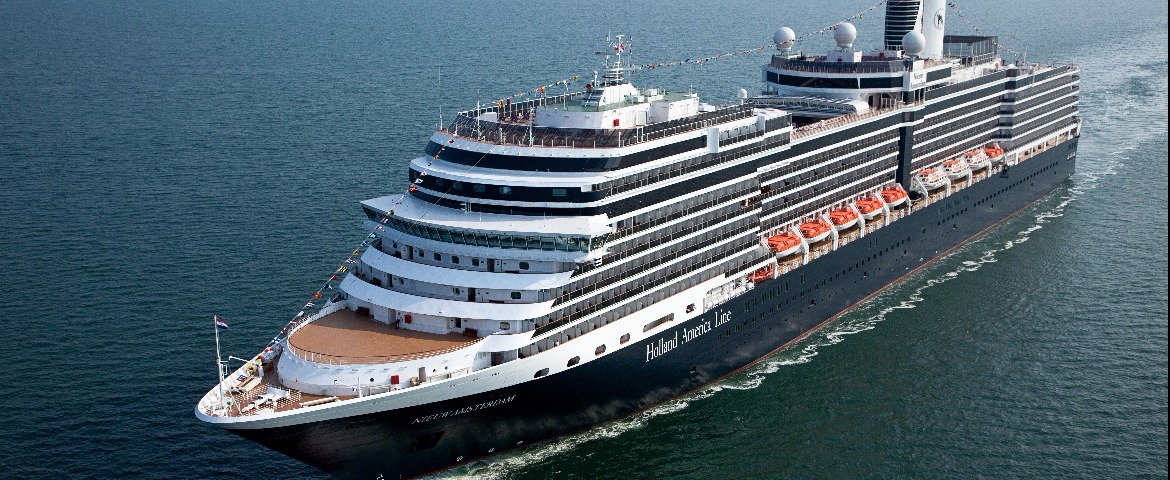
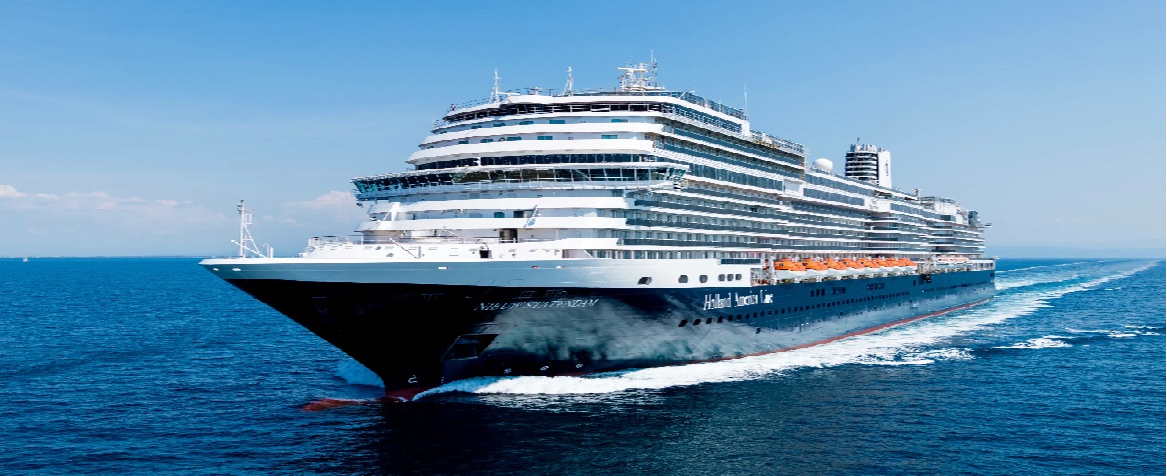
Holland America Line (20 Cruises)

Salaverry (Trujillo), Peru | Cruise Port Guide

Peru's north coast has neither the greenery of the tropics nor the icy peaks of the Andes: it's a desert of mist and sand where, paradoxically, some of the oldest civilizations in the Americas flourished. Salaverry, a commercial port set on this austere shore, serves as the gateway to Trujillo, about fifteen kilometres away, and to an archaeological heritage many countries would envy. The pier itself offers nothing for strollers; excursions and taxis wait at the terminal exit, and a 15- to 20-minute ride is all it takes to reach the city.

Chan Chan, the city of earth

About thirty minutes from the pier lies the region's most astonishing complex: Chan Chan, capital of the Chimú kingdom and the largest adobe city in the world, a World Heritage Site. You walk between walls of raw earth several metres high, sculpted with friezes depicting fish, pelicans and stylized waves — the nearby ocean, omnipresent in Chimú art. The complex covered several square kilometres and housed tens of thousands of inhabitants before the arrival of the Incas. The restored Nik An sector gives a sense of the place's scale: ceremonial plazas, reservoirs, corridors in long succession where the desert wind whistles softly. A guide turns the walk into a true journey through time; wear good shoes, as there's a lot of walking between the earthen enclosures.

The murals of the Huaca de la Luna

On the other side of Trujillo, at the foot of an arid hill, the Moche civilization left a pyramid temple whose superimposed levels preserve polychrome murals fifteen centuries old. On the walls of the Huaca de la Luna, the god Ai Apaec grimaces in red, ochre and blue, remarkably preserved beneath the layers of bricks. Archaeologists are still at work here, and the guided tour explains how each Moche generation buried the previous temple to build on top of it. The site museum completes the discovery with ceramics and ornaments of astonishing finesse, presented in a clear, modern exhibition.

Colonial Trujillo

Between two pre-Columbian sites, the regional capital deserves a stroll. Its Plaza de Armas lines up boldly coloured façades — sky blue, saffron yellow, brick red — around the Freedom Monument, and the mansions of the centre retain ornate wooden balconies and cool patios. The Casa de la Emancipación recalls that Trujillo proclaimed Peru's independence here before Lima. In late morning, the arcades come alive with shoeshiners, students and juice vendors, under a sky often veiled by the garúa, the typical coastal mist that softens temperatures all year round.

Huanchaco and the little reed horses

To end the day facing the Pacific, head for Huanchaco, a seaside village a few kilometres away. On the beach, standing upright like golden spindles, the caballitos de totora dry in the sun: reed boats whose shape hasn't changed in three millennia, which fishermen still straddle to ride through the waves. Surfers share the breakers with them, and the seafront restaurants serve a ceviche whose invention the region claims, with ancient evidence to back it up. Try it with lime and toasted corn, facing the waves: it's hard to get more local, or fresher.

Back through the desert

The return road crosses cane fields and dusty outskirts before reaching the cranes of Salaverry again. In the milky light of late afternoon, you think back on this strange succession of worlds in a single day: Chimú walls, Moche murals, Spanish balconies, fishermen on their reeds. Few South American port calls cover so many centuries in so few kilometres — and this one does it without ever forcing the tone.

Frequently Asked Questions

At the commercial port mole on Peru's north coast. The pier itself offers nothing for walkers: tours and taxis wait outside the terminal gate.
About fifteen kilometres, 15 to 20 minutes by road. The whole call is really about Trujillo and its archaeological heritage.
Chan Chan and Huaca de la Luna, or one of the two plus a wander through Trujillo. Adding Huanchaco makes a full day. All three major sites in half a day means skimming everything.
The capital of the Chimú kingdom and the largest adobe city in the world, a World Heritage site about thirty minutes from the pier. You walk between mud-brick walls carved with fish, pelicans and stylised waves.
A Moche temple-pyramid whose stacked levels preserve polychrome murals fifteen centuries old, including the god Ai Apaec in red, ochre and blue. Archaeologists still work there, and the site museum completes the visit.
The Plaza de Armas with its sky-blue, saffron and brick-red facades around the Freedom monument, the carved wooden balconies, and the Casa de la Emancipación, where Trujillo declared Peru's independence before Lima.
A seaside village a few kilometres from Trujillo, where reed craft dry on the beach in a shape unchanged for three thousand years. Fishermen still straddle them to get through the surf.
In Huanchaco, facing the waves. The region claims the origin of ceviche, with ancient evidence to back it up. Have it with lime and toasted corn: it does not get more local.
Sturdy shoes and sun protection: you walk a long way between the earthen enclosures, with no shade. A guide turns the walk into a journey through time.
A desert of mist: the garúa, the typical coastal fog, often veils the sky and keeps temperatures mild year-round. Rainfall is minimal, which is why the mud-brick sites have survived.