Iron Gate Serbia-Romania
Serbia
457
Cruises availables
At departure or passage at this port
AmaWaterways (59 Cruises)
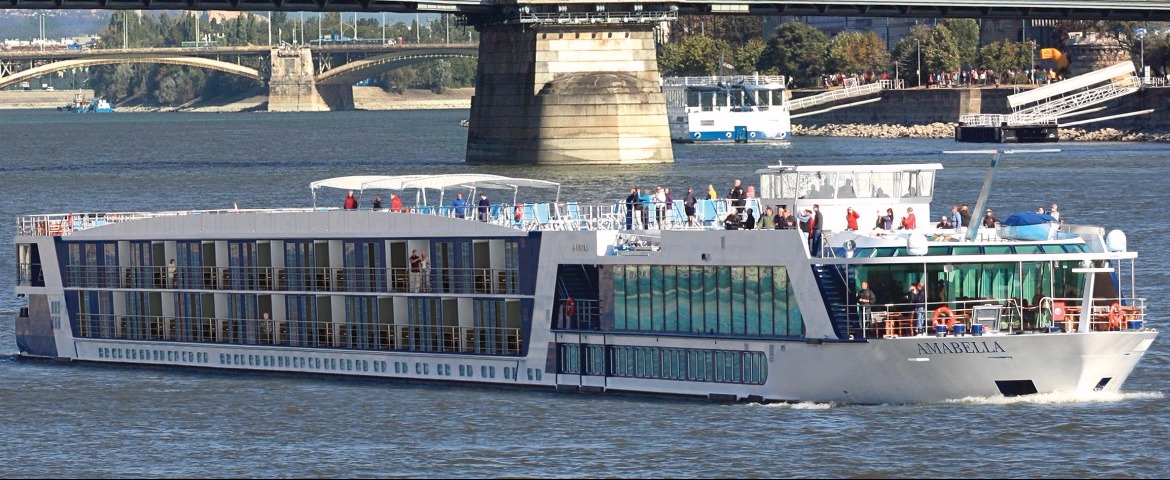
AmaBella
20 Cruises

| 6 March | 8 days | One-way from Giurgiu to Budapest |
450-628-6241
Call us
|
| 27 March | 8 days | One-way from Budapest to Giurgiu |
450-628-6241
Call us
|
| 3 April | 8 days | One-way from Giurgiu to Budapest |
450-628-6241
Call us
|
| 24 April | 7 days | One-way from Budapest to Giurgiu |
450-628-6241
Call us
|
| 1 May | 8 days | One-way from Giurgiu to Budapest |
450-628-6241
Call us
|
| 29 May | 8 days | One-way from Giurgiu to Budapest |
450-628-6241
Call us
|
| 17 July | 8 days | One-way from Budapest to Giurgiu |
450-628-6241
Call us
|
| 24 July | 8 days | One-way from Giurgiu to Budapest |
450-628-6241
Call us
|
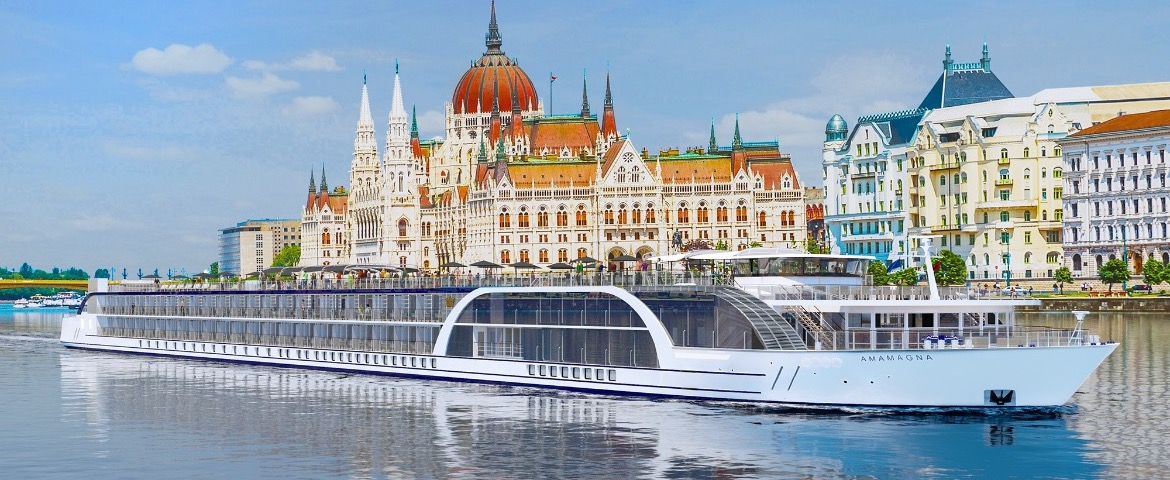
AmaMagna
14 Cruises
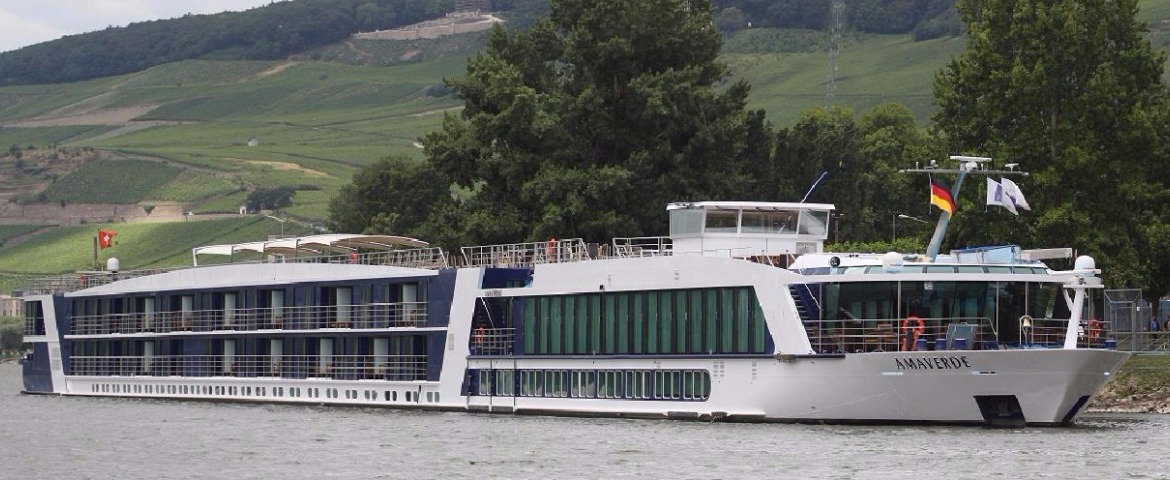
AmaVerde
25 Cruises
| 13 March | 8 days | One-way from Budapest to Giurgiu |
450-628-6241
Call us
|
| 20 March | 8 days | One-way from Giurgiu to Budapest |
450-628-6241
Call us
|
| 10 April | 8 days | One-way from Budapest to Giurgiu |
450-628-6241
Call us
|
| 17 April | 8 days | One-way from Giurgiu to Budapest |
450-628-6241
Call us
|
| 8 May | 8 days | One-way from Budapest to Giurgiu |
450-628-6241
Call us
|
| 15 May | 8 days | One-way from Giurgiu to Budapest |
450-628-6241
Call us
|
| 5 June | 8 days | One-way from Budapest to Giurgiu |
450-628-6241
Call us
|
| 12 June | 8 days | One-way from Giurgiu to Budapest |
450-628-6241
Call us
|
| 7 August | 8 days | One-way from Giurgiu to Budapest |
450-628-6241
Call us
|
| 28 August | 8 days | One-way from Budapest to Giurgiu |
450-628-6241
Call us
|
Riviera Travel (18 Cruises)
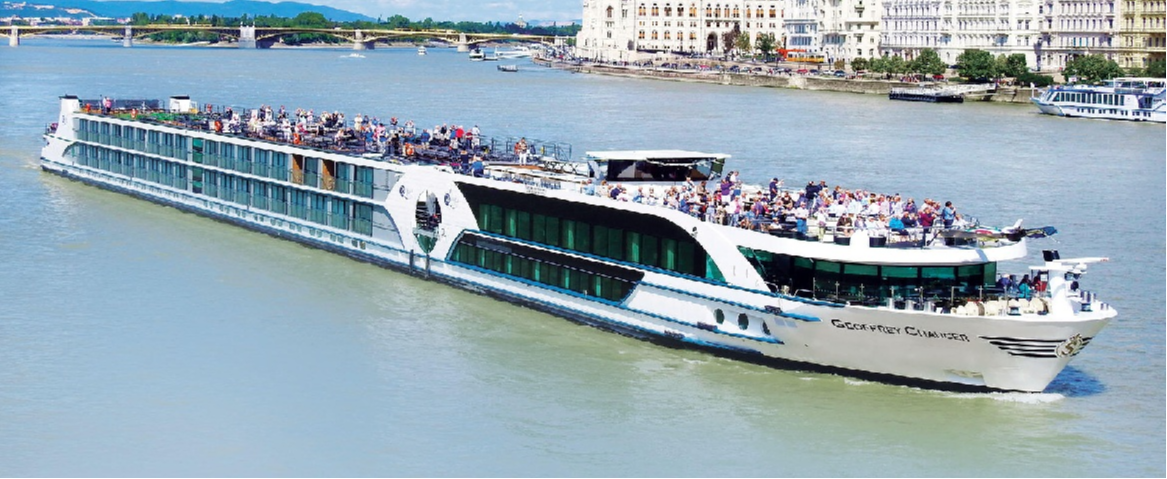
MS Geoffrey Chaucer
4 Cruises

MS Riviera Radiance
6 Cruises
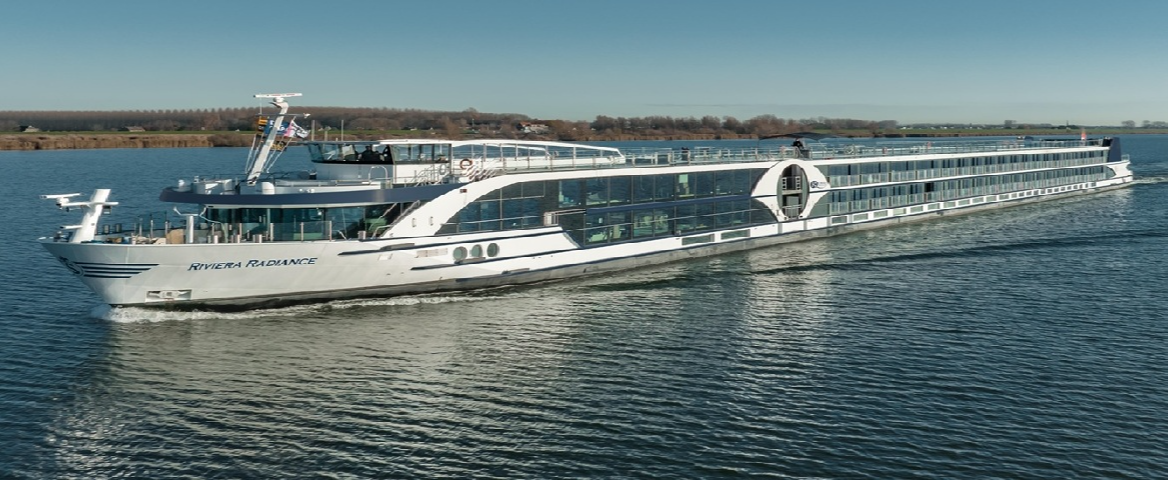
| 18 April | 14 days | Round-trip Budapest to the Black Sea River Cruise - MS Riviera Radiance |
450-628-6241
Call us
|
| 18 April | 15 days | Round-trip from Budapest, Hungary |
450-628-6241
Call us
|
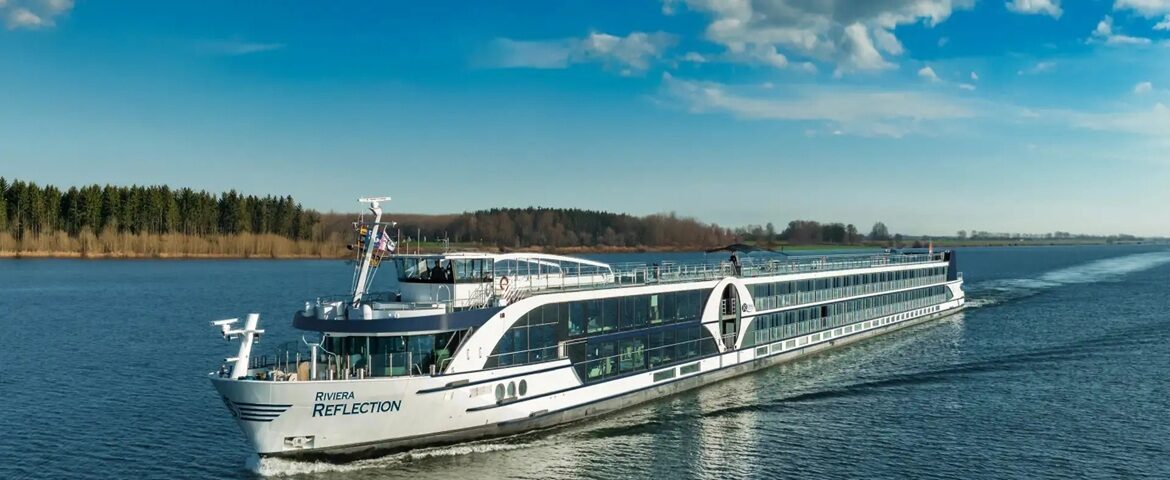
MS Riviera Reflection
4 Cruises
Scenic Cruises (22 Cruises)
Scenic Crystal
22 Cruises


Uniworld Boutique River Cruise (149 Cruises)
River Beatrice
60 Cruises


| 24 September | 18 days | One-way from Prague to Bucharest |
450-628-6241
Call us
|
| 24 September | 19 days | One-way from Prague to Bucharest |
450-628-6241
Call us
|
S.S Marlene
29 Cruises
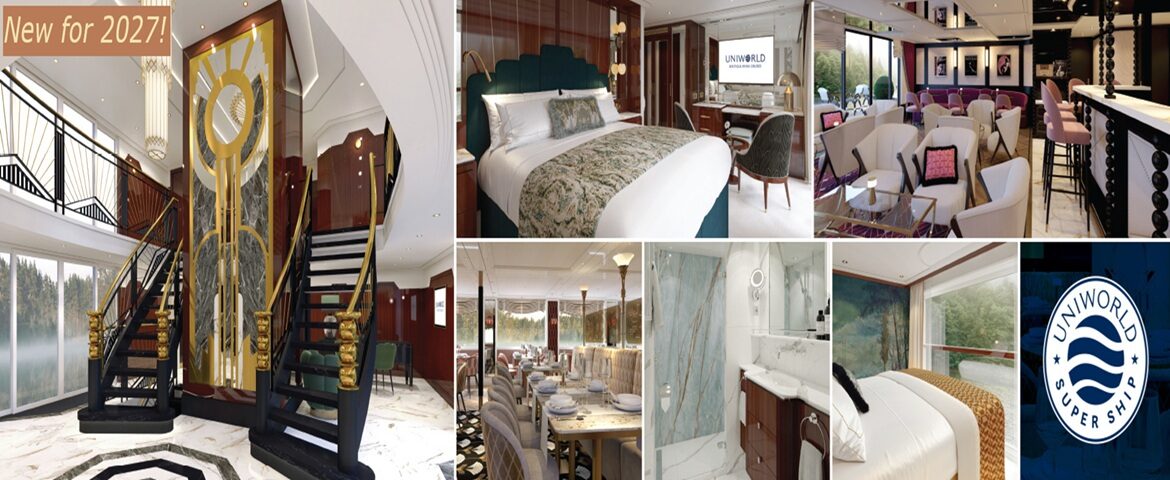
| 2 July | 10 days | One-way from Bucharest to Budapest |
450-628-6241
Call us
|
| 2 July | 17 days | One-way from Bucharest to Passau |
450-628-6241
Call us
|
S.S. Beatrice
60 Cruises
| 24 September | 18 days | One-way from Prague to Bucharest |
450-628-6241
Call us
|
| 24 September | 19 days | One-way from Prague to Bucharest |
450-628-6241
Call us
|
Viking River Cruises (209 Cruises)
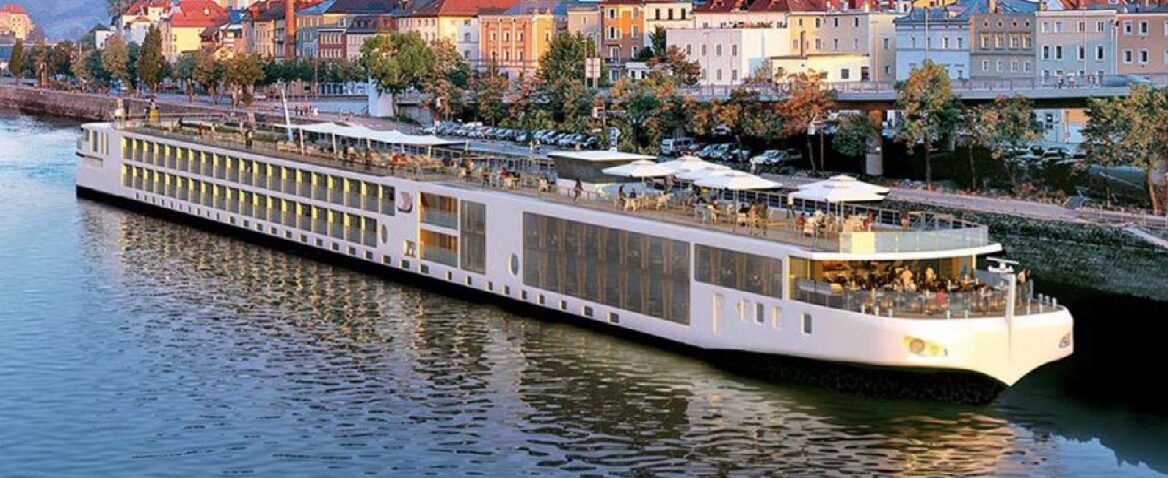

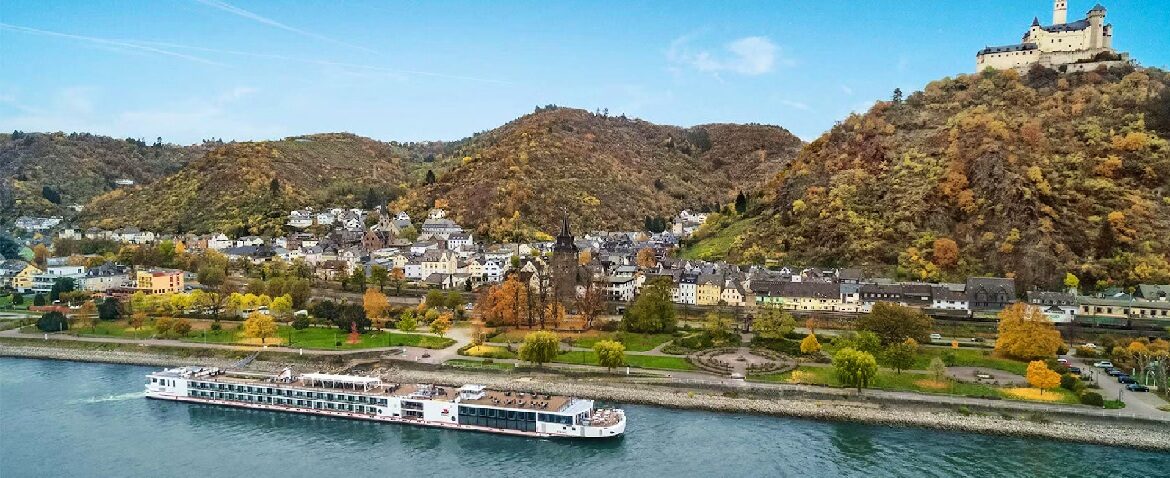
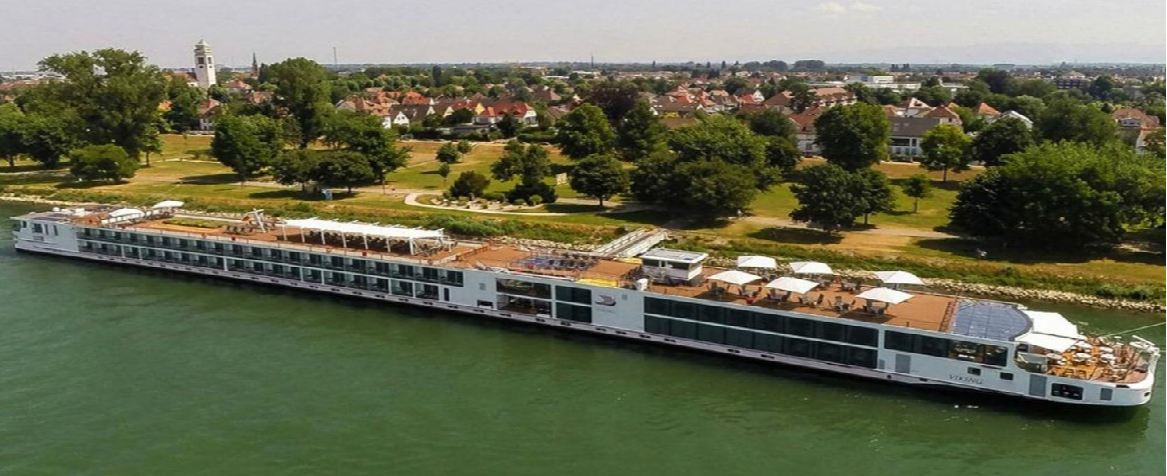
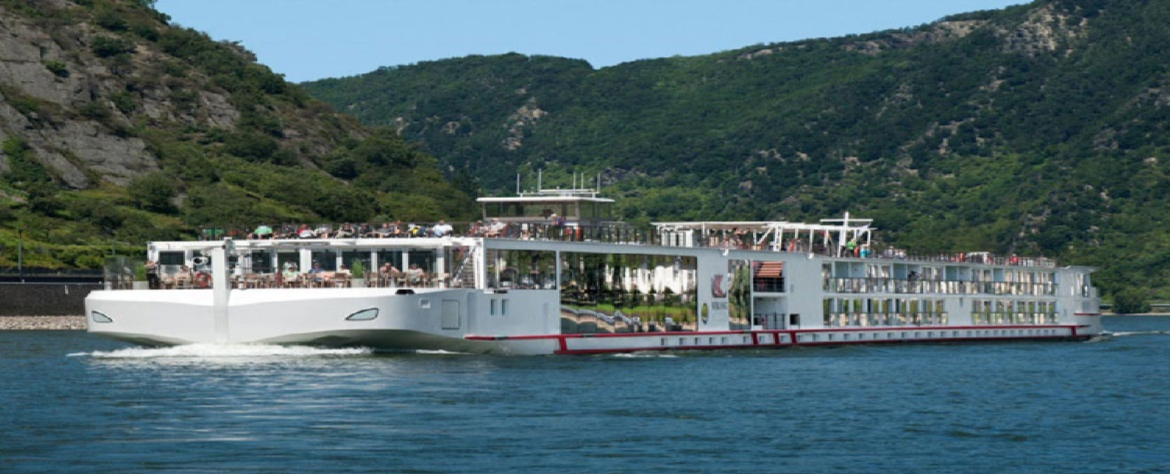
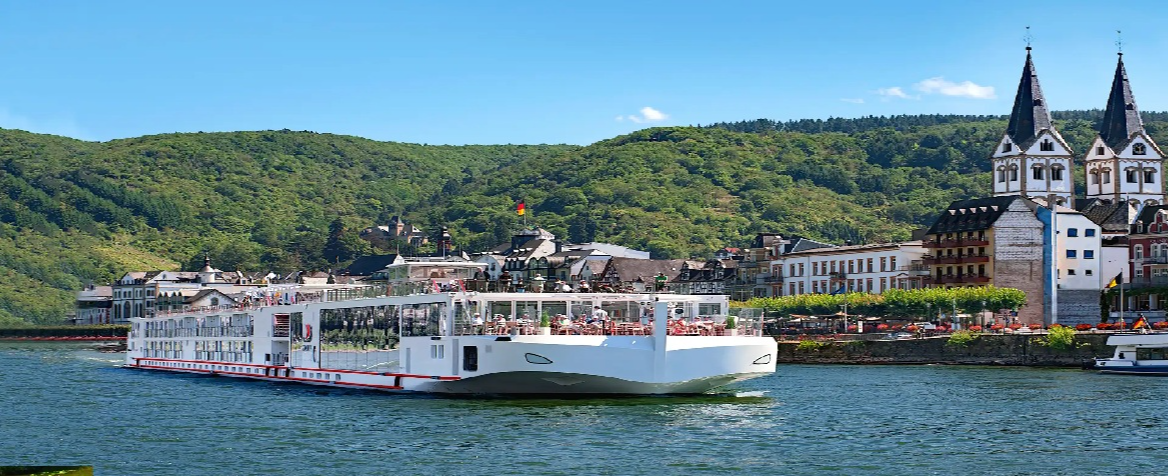
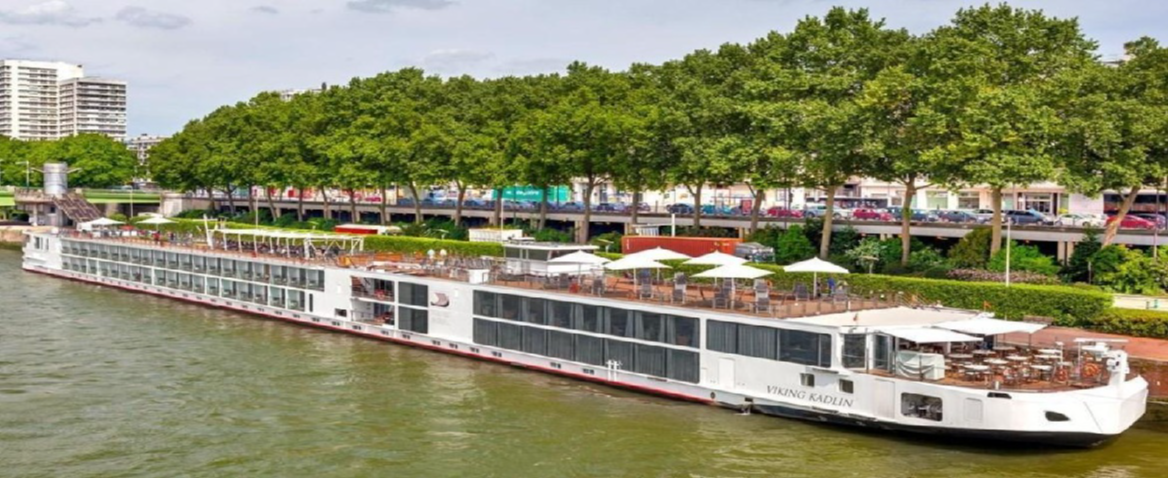
Viking Longships Kadlin
65 Cruises
| 28 March | 15 days | One-way from Vienna to Constanta |
450-628-6241
Call us
|
| 28 March | 14 days | One-way from Vienna to Constanta |
450-628-6241
Call us
|
| 26 March | 15 days | One-way from Vienna to Constanta |
450-628-6241
Call us
|
| 26 March | 14 days | One-way from Vienna to Constanta |
450-628-6241
Call us
|
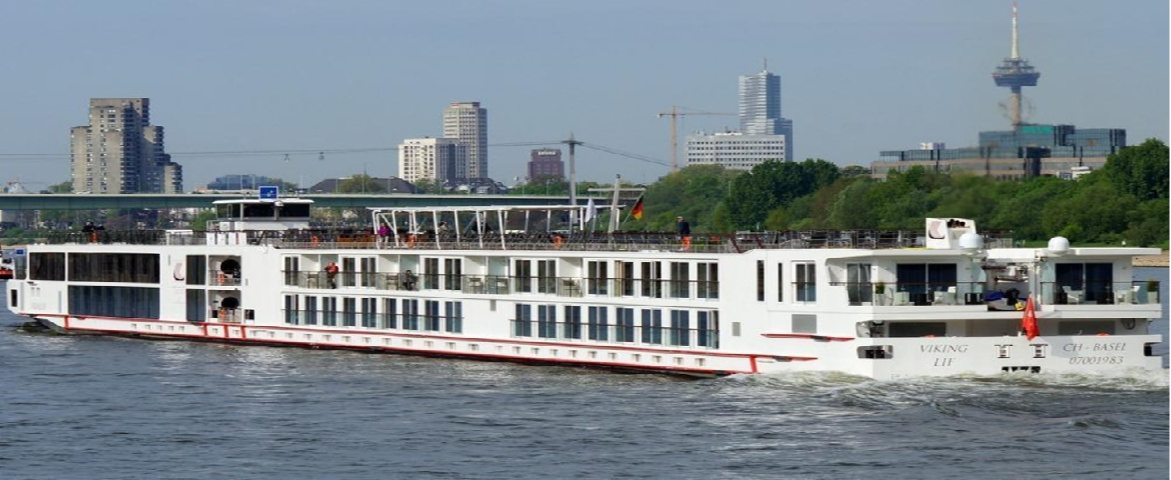
Viking Longships Lif
26 Cruises
| 24 March | 8 days | One-way from Budapest to Bucharest |
450-628-6241
Call us
|
| 31 March | 8 days | One-way from Bucharest to Budapest |
450-628-6241
Call us
|
| 11 August | 22 days | One-way from Amsterdam to Bucharest |
450-628-6241
Call us
|
| 25 August | 8 days | One-way from Budapest to Bucharest |
450-628-6241
Call us
|
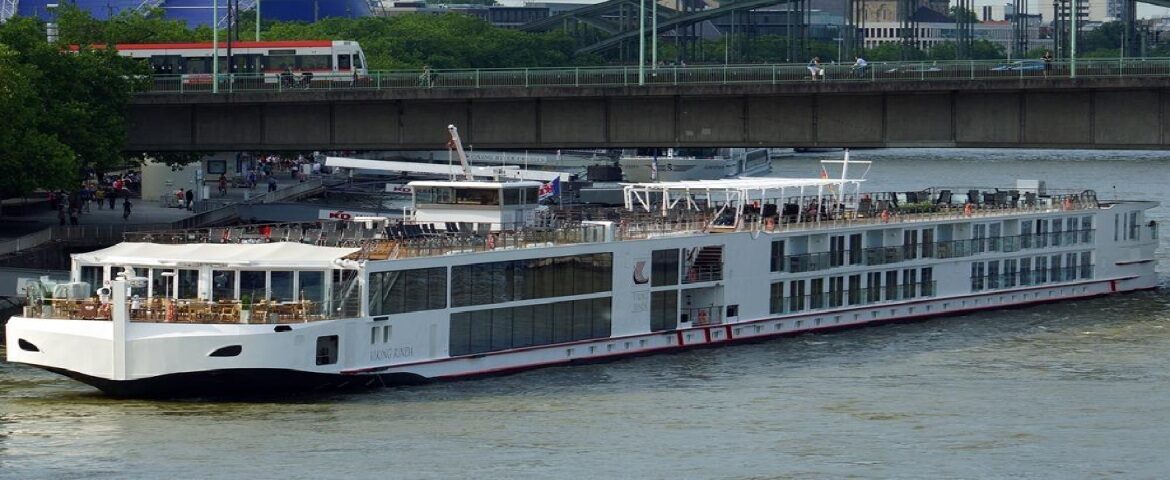
Viking Longships Rinda
76 Cruises
Viking Longships Vidar
20 Cruises
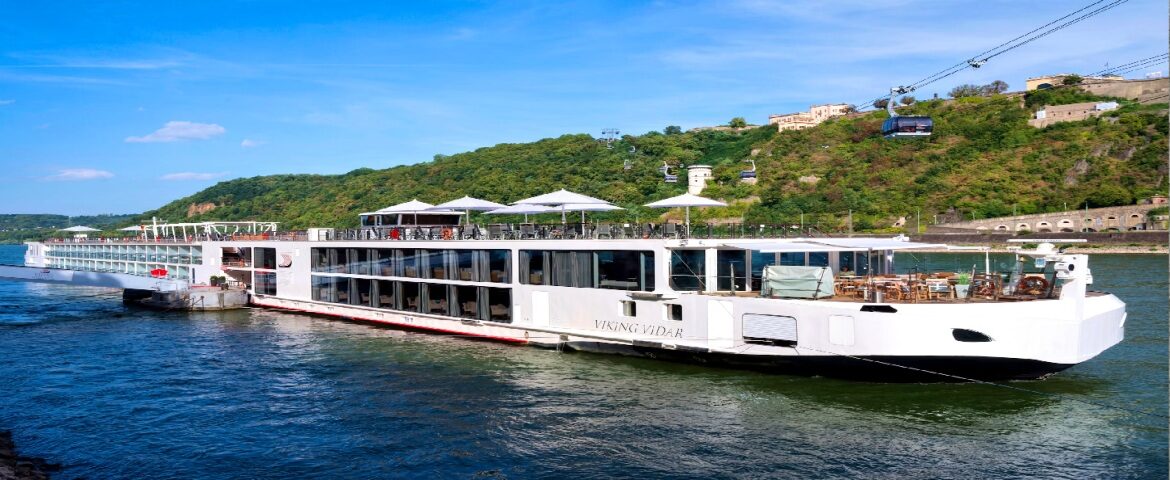
| 16 June | 22 days | One-way from Amsterdam to Bucharest |
450-628-6241
Call us
|
| 30 June | 8 days | One-way from Budapest to Bucharest |
450-628-6241
Call us
|
Iron Gates | Cruise Port Guide
Frequently Asked Questions
No, and no one complains. The Iron Gates are transited from the ship's deck: over about a hundred kilometres the Danube carves a passage between the Carpathians and the Balkans, Serbia on one bank, Romania on the other.
The whole day. The curtain rises early and does not fall until evening: it is one of the finest days of sailing in Europe, best enjoyed from the loungers on the upper deck.
Golubac Fortress, upstream. Its 14th-century towers step down the slope to the water's edge, so close the ship seems able to touch them. It is one of the most photographed passages on the Danube.
The narrowest gorges of the route: limestone walls plunging into water that has become deep. The word kazan means cauldron in Turkish, a memory of the whirlpools that boiled here before the great works and made boatmen tremble.
A face carved into the Romanian cliff, that of Decebalus, last king of the Dacians. Forty metres of stone sculpted between 1994 and 2004, the largest rock relief in Europe, staring sternly at the river.
An inscribed Roman plaque, almost opposite the Decebalus statue. It records that Emperor Trajan had a road cut here at water level to conquer Dacia: two thousand years answer each other from bank to bank.
An island that held an Ottoman village, bazaar and minaret included, evacuated before the dam was filled in the 1970s. It now sleeps beneath the surface, and locals still speak of it.
Considerably. Commissioned in the 1970s, it raised the water level and tamed the current. The Mesolithic site of Lepenski Vir, more than eight thousand years old, had to be moved above the water to be saved.
On the upper deck, and early: the best spots go quickly on the morning of the transit. Bring a windbreaker even in summer, since the gorges funnel the air, and binoculars for the details on both banks.
The ship sails between Serbia and Romania, two separate countries, only one of which is in the European Union. Documents are handled by the line, but keep your passport and papers accessible: river checks can happen.


