Novi Sad Serbia
Serbia
503
Cruises availables
At departure or passage at this port
AmaWaterways (13 Cruises)
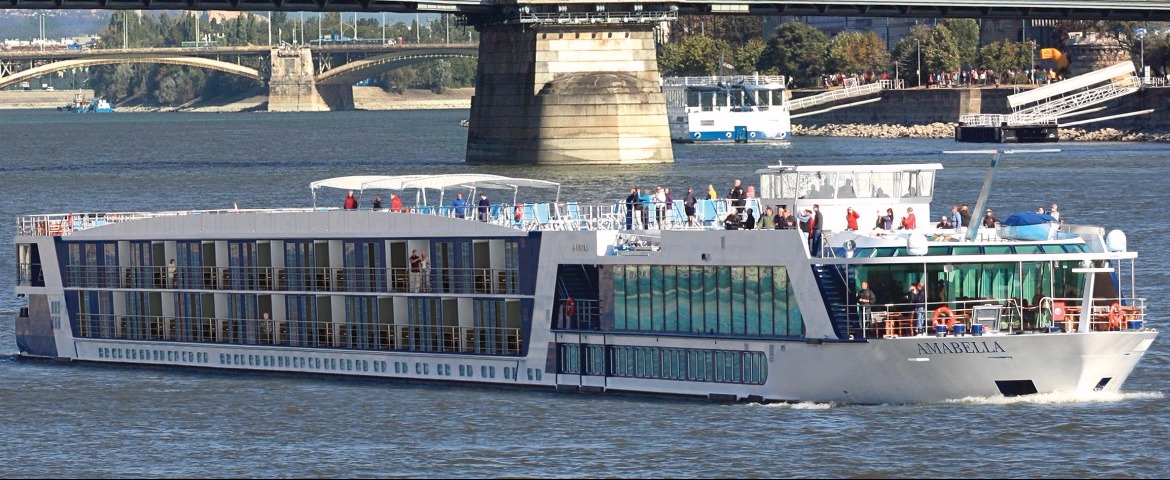

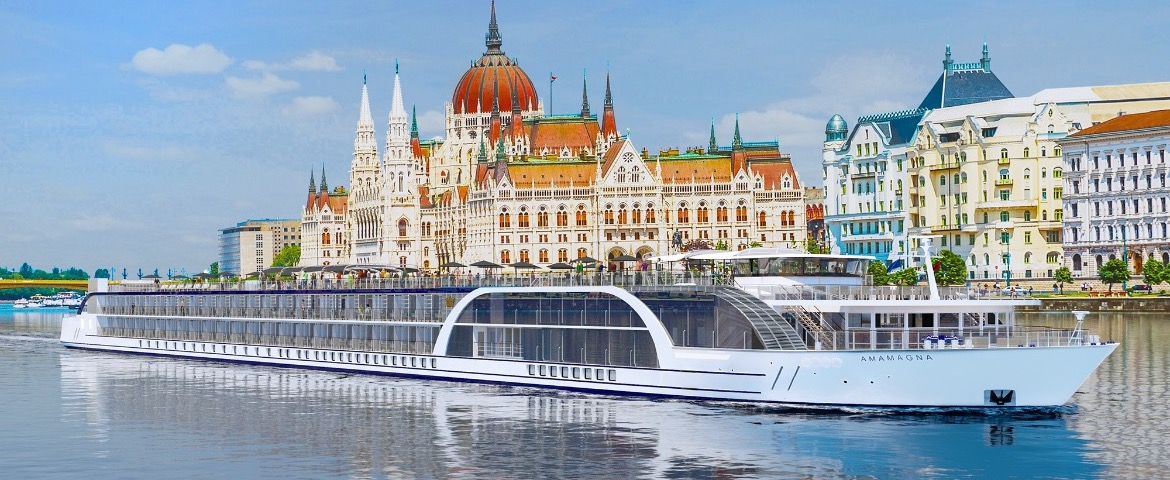
Avalon Waterways (52 Cruises)
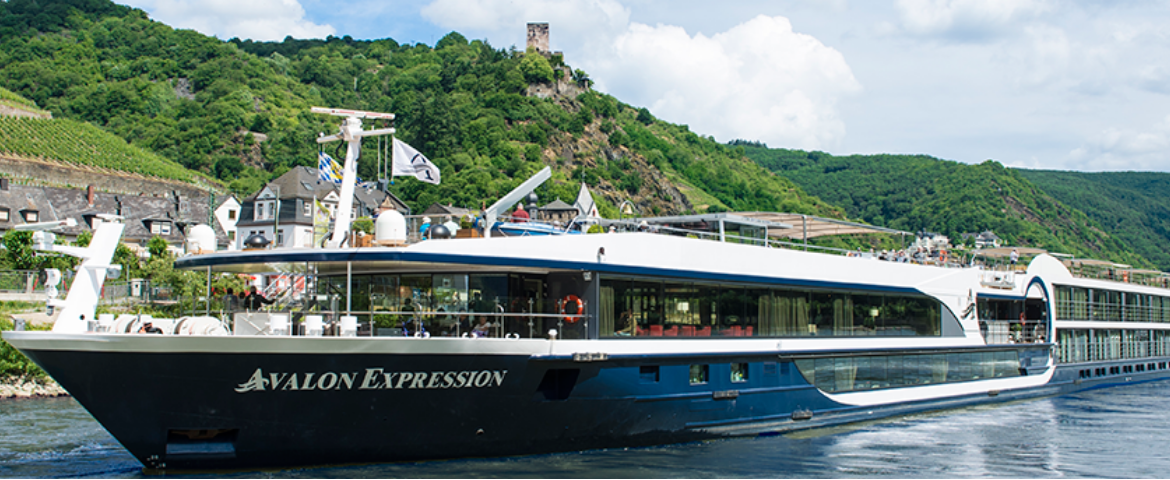

Avalon Illumination®
15 Cruises
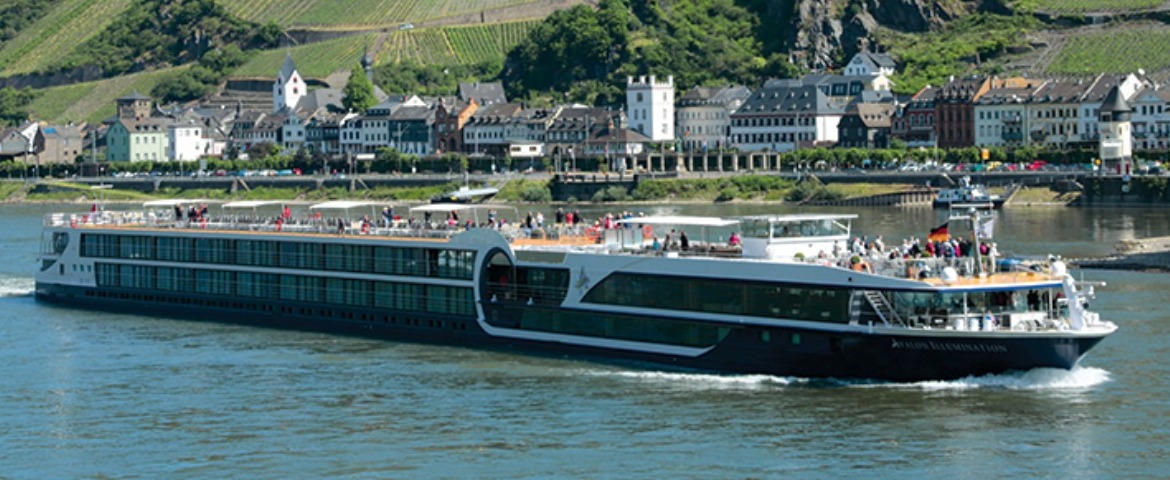
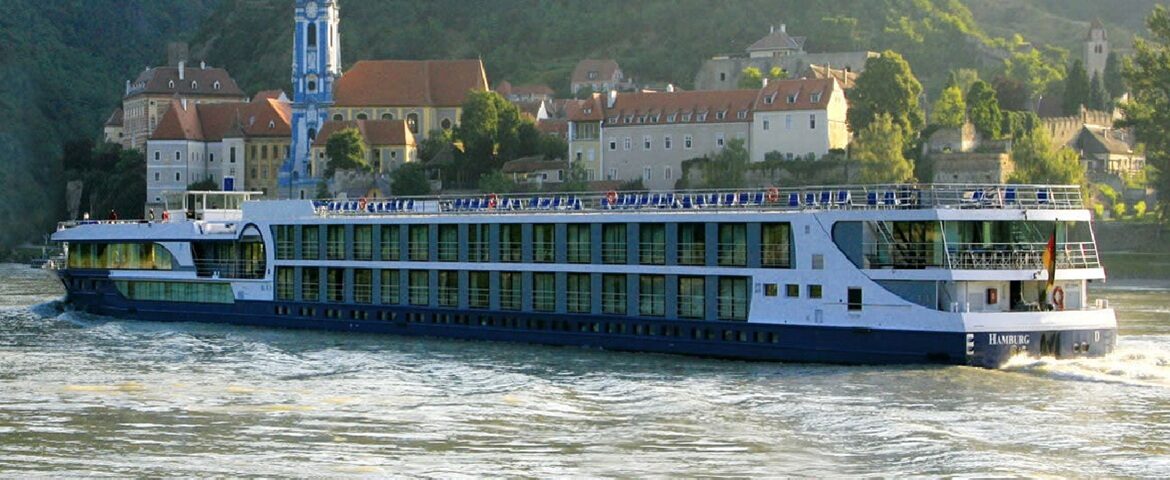
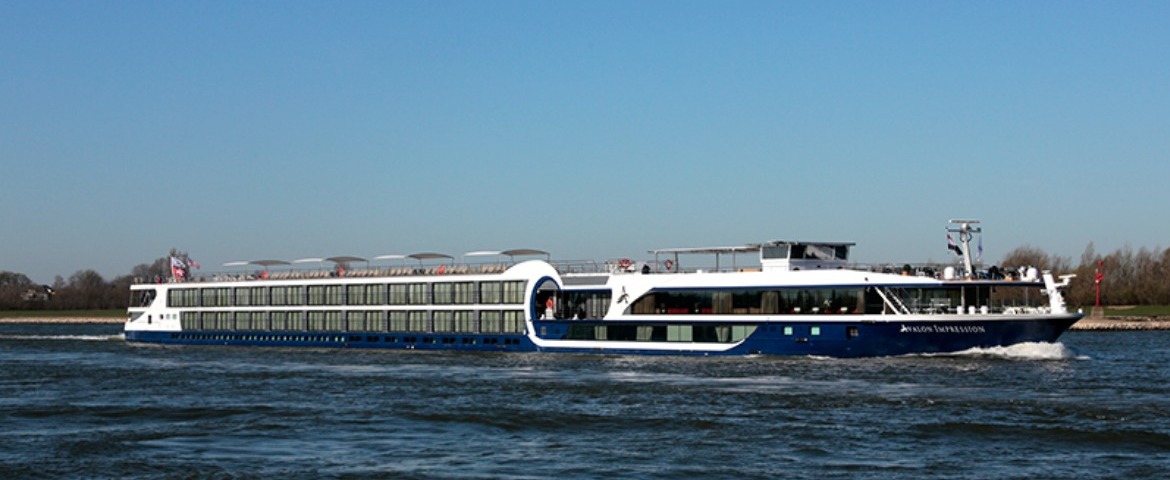
Avalon Passion®
31 Cruises
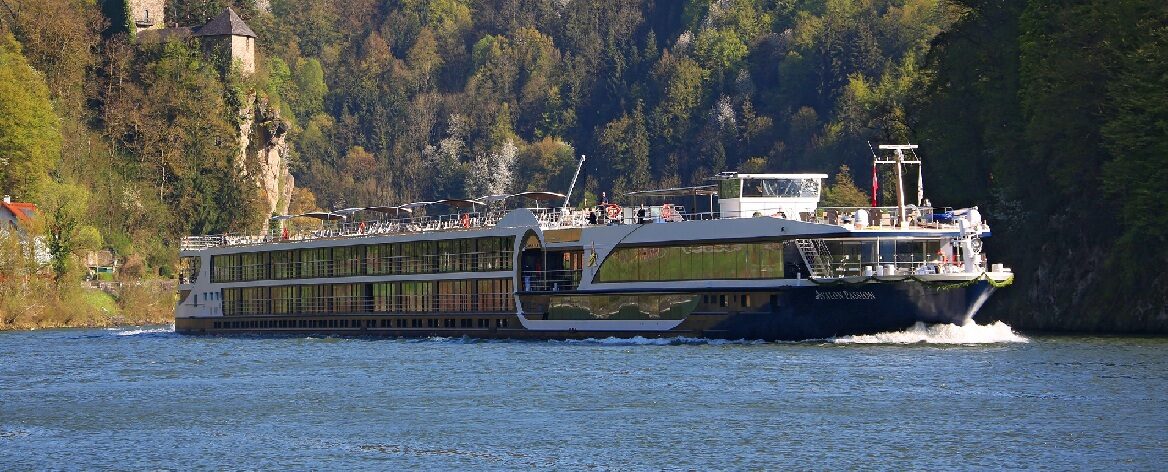
CroisiEurope (58 Cruises)
MS L'Europe
21 Cruises
 Image not available

| 6 June | 12 days | One-way from Oltenita to Vienna |
450-628-6241
Call us
|
| 6 June | 11 days | One-way from Oltenita to Vienna |
450-628-6241
Call us
|
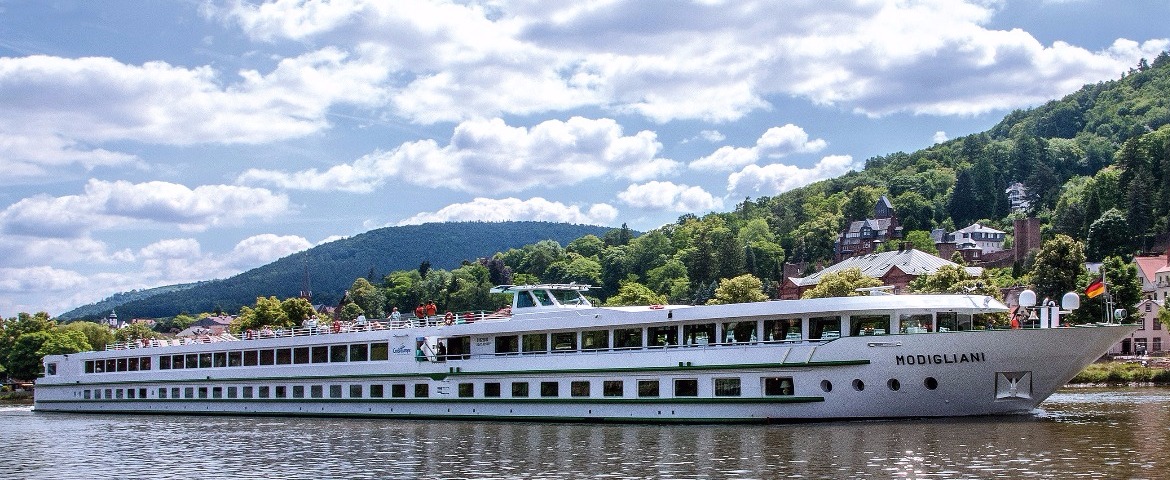
MS Modigliani
6 Cruises
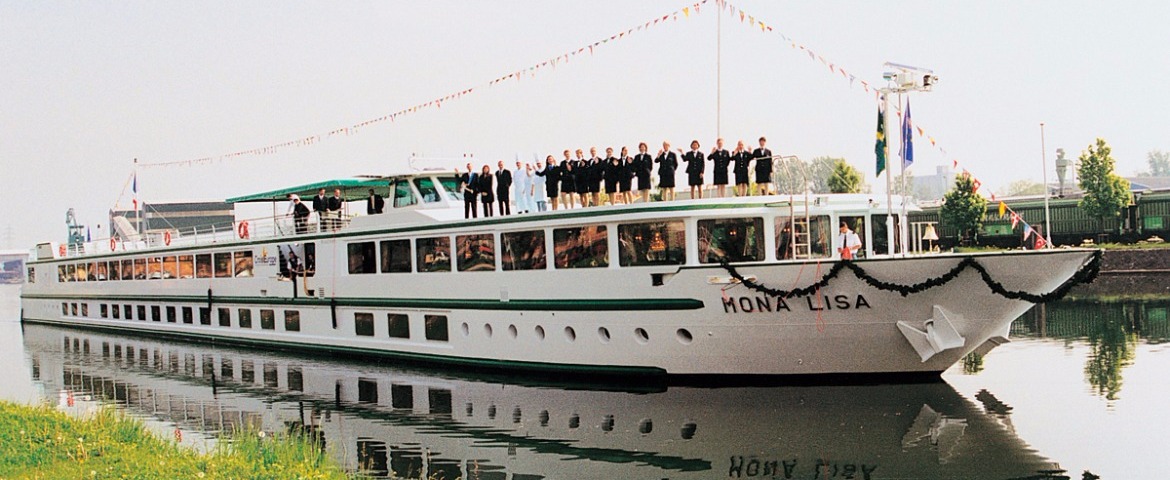
MS Mona Lisa
7 Cruises
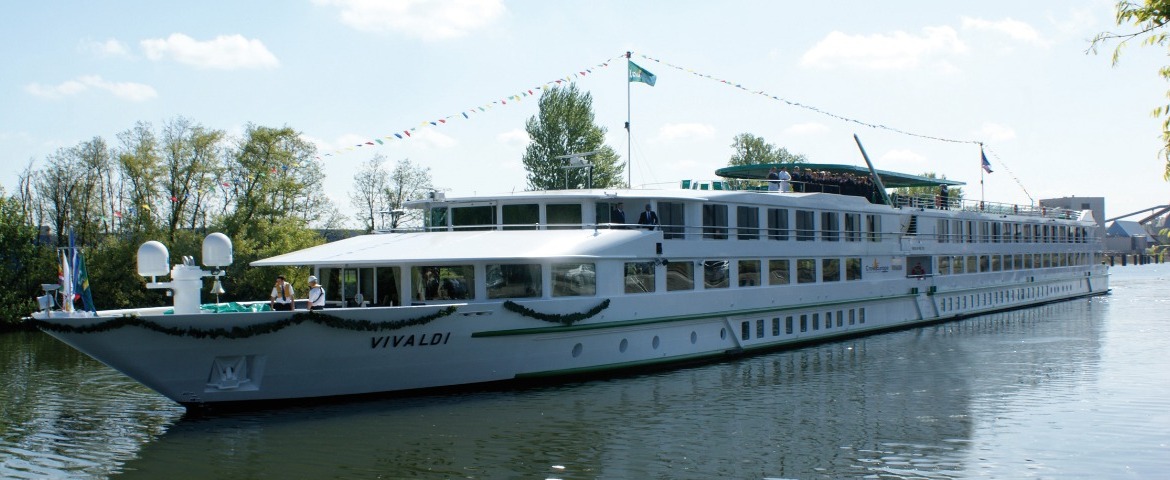
MS Vivaldi
24 Cruises
Emerald Waterways (85 Cruises)
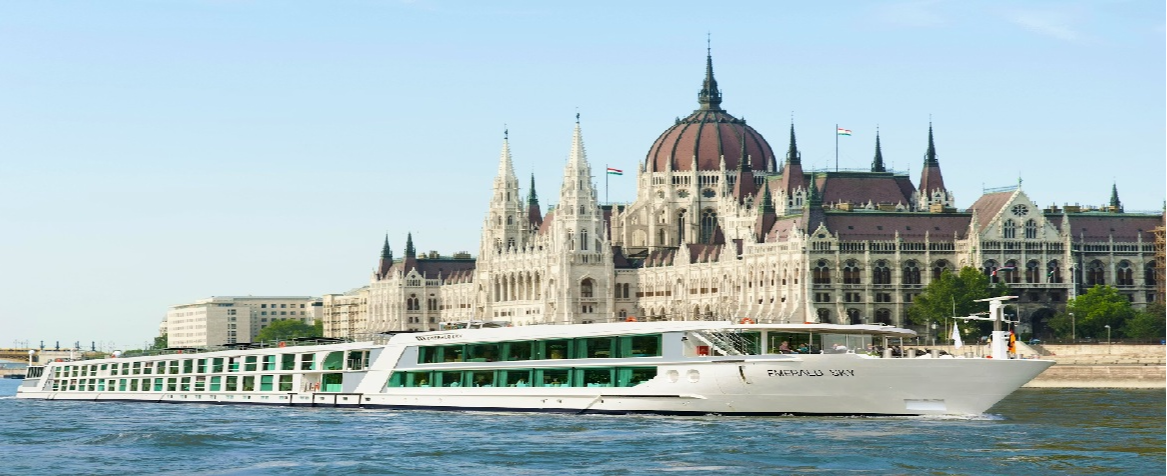
Emerald Sky
44 Cruises

| 29 March | 16 days | One-way from Nuremberg to Bucharest |
450-628-6241
Call us
|
| 29 March | 15 days | One-way from Nuremberg to Bucharest |
450-628-6241
Call us
|
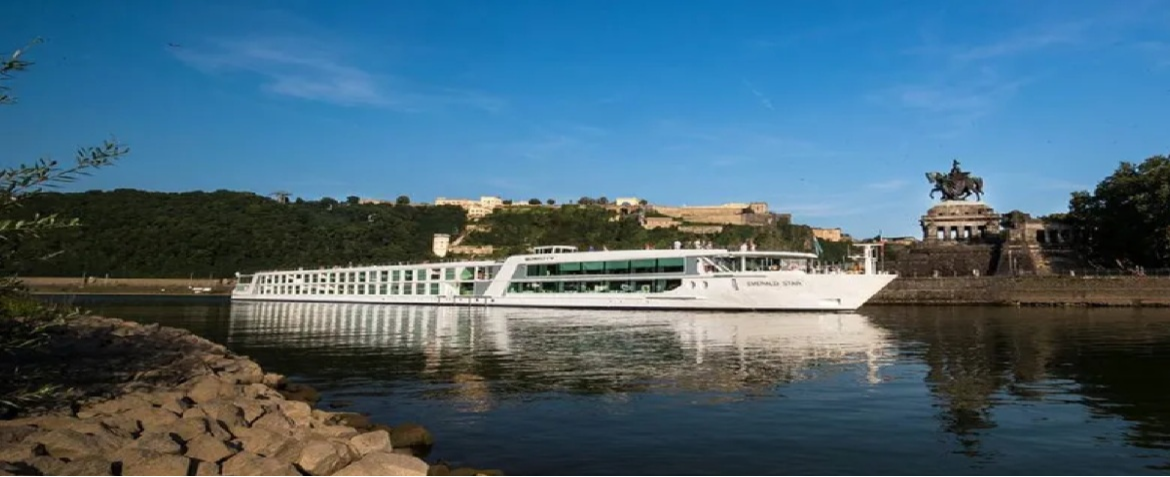
Emerald Star
41 Cruises
Riviera Travel (18 Cruises)
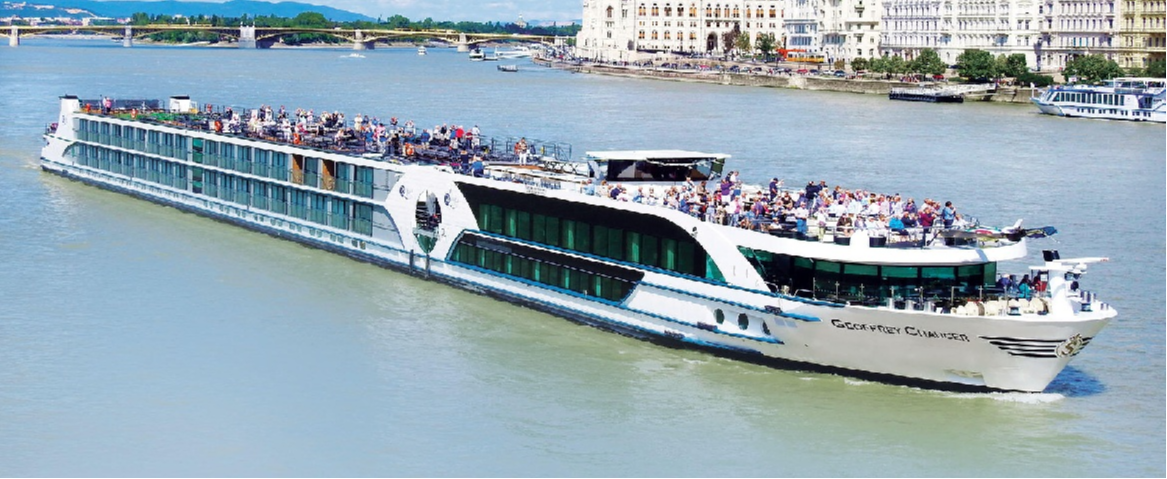
MS Geoffrey Chaucer
4 Cruises

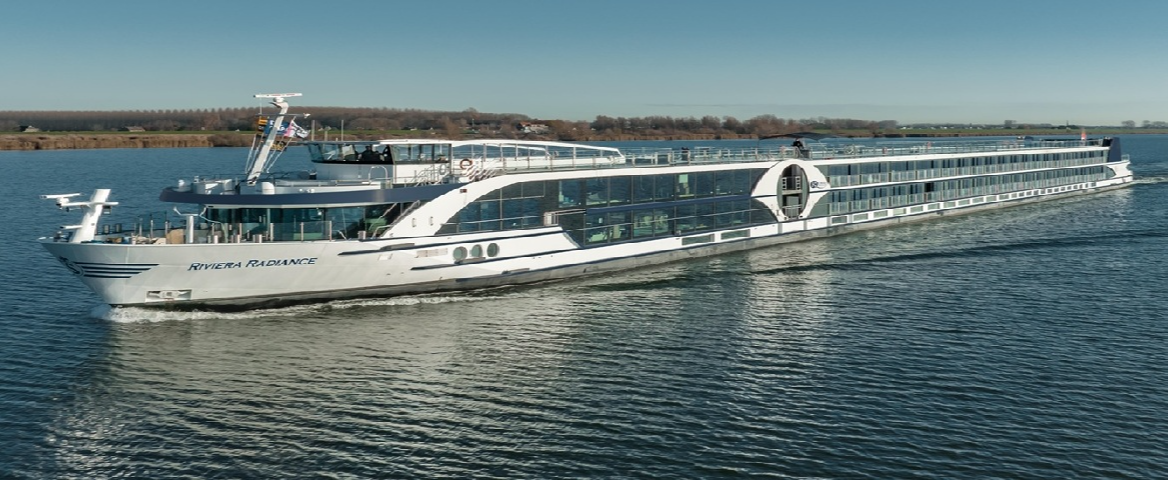
MS Riviera Radiance
6 Cruises
| 18 April | 14 days | Round-trip Budapest to the Black Sea River Cruise - MS Riviera Radiance |
450-628-6241
Call us
|
| 18 April | 15 days | Round-trip from Budapest, Hungary |
450-628-6241
Call us
|
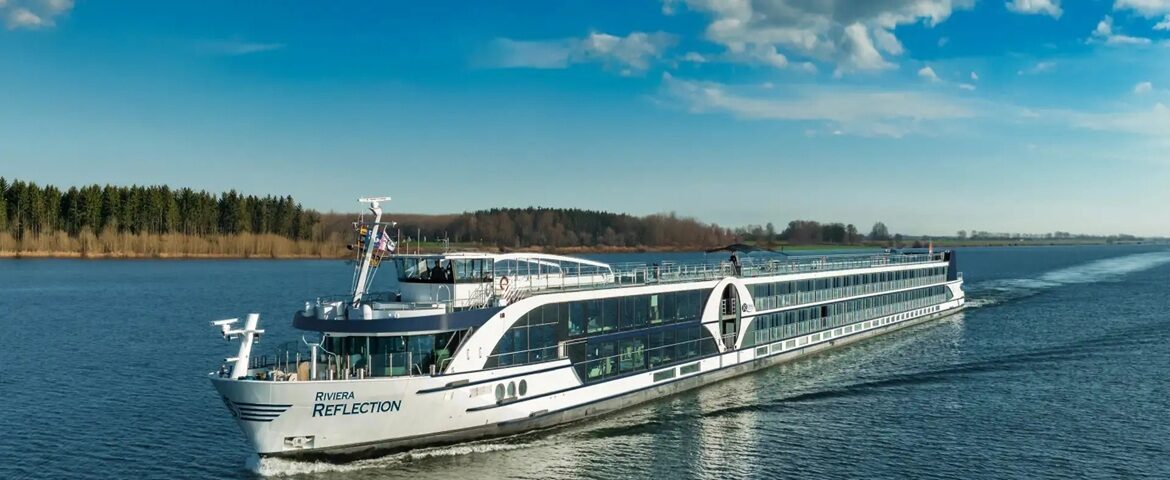
MS Riviera Reflection
4 Cruises
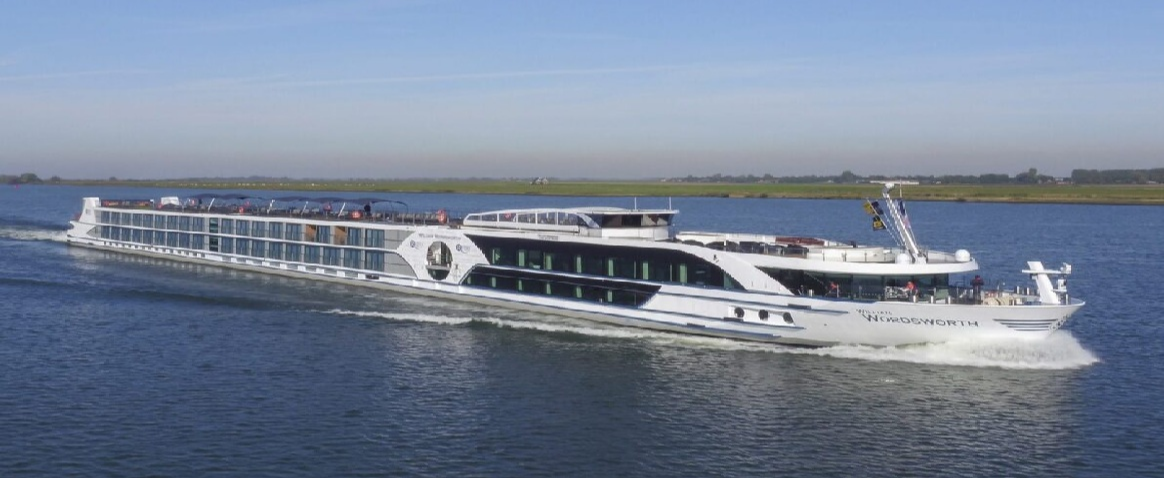
Scenic Cruises (40 Cruises)
Scenic Crystal
40 Cruises


| 27 September | 30 days | One-way from Amsterdam to Bucharest |
450-628-6241
Call us
|
| 27 September | 29 days | One-way from Amsterdam to Bucharest |
450-628-6241
Call us
|
Uniworld Boutique River Cruise (96 Cruises)
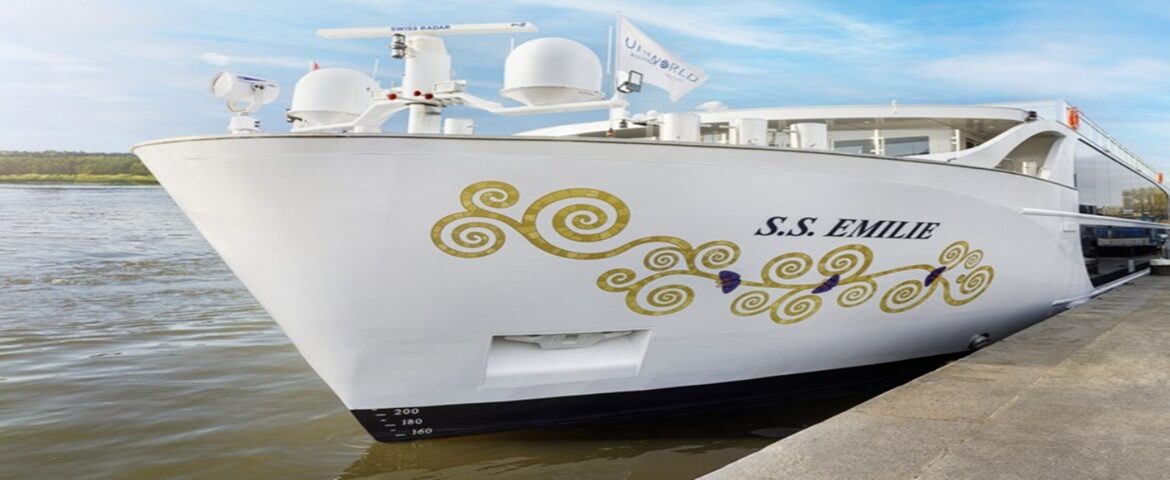
S.S. Émilie
96 Cruises

| 24 September | 17 days | One-way from Prague to Belgrade |
450-628-6241
Call us
|
| 26 September | 15 days | One-way from Nuremberg to Belgrade |
450-628-6241
Call us
|
| 24 March | 10 days | One-way from Vienna to Belgrade |
450-628-6241
Call us
|
| 26 March | 8 days | One-way from Vienna to Belgrade |
450-628-6241
Call us
|
Viking River Cruises (141 Cruises)
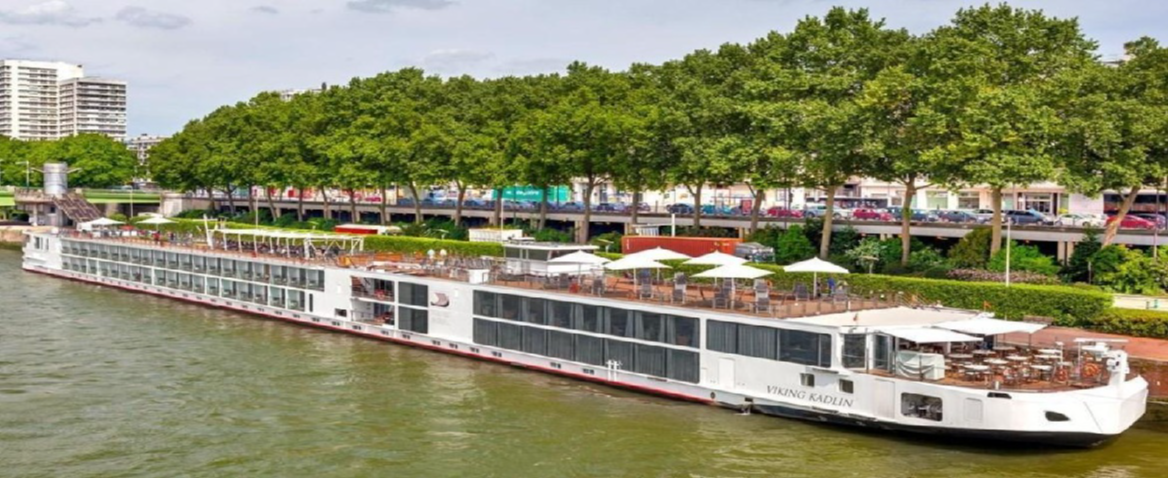
Viking Longships Kadlin
65 Cruises

| 28 March | 14 days | One-way from Vienna to Constanta |
450-628-6241
Call us
|
| 28 March | 15 days | One-way from Vienna to Constanta |
450-628-6241
Call us
|
| 26 March | 14 days | One-way from Vienna to Constanta |
450-628-6241
Call us
|
| 26 March | 15 days | One-way from Vienna to Constanta |
450-628-6241
Call us
|
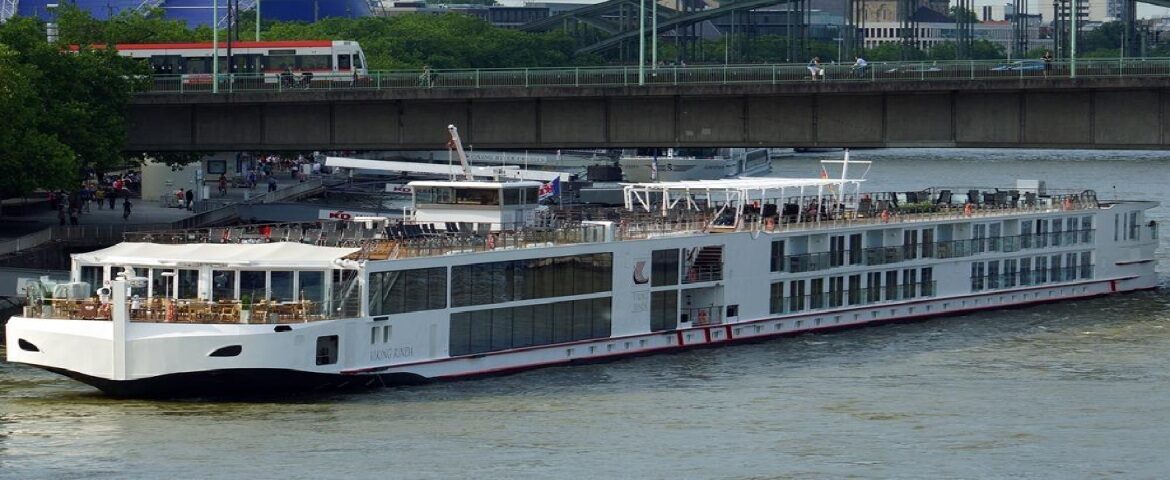
Viking Longships Rinda
76 Cruises
Novi Sad, Serbia | Cruise Port Guide
Frequently Asked Questions
At the quay, a few minutes' walk from the centre. The whole day then unfolds on foot with no logistical effort at all: it is one of the easiest Danube calls to organize yourself.
A colossal work on the right bank, fortified by the Austrians from 1692 to 1780 to lock the river against the Ottomans. It is nicknamed the Gibraltar of the Danube: tiered bastions, barracks, sally ports and sixteen kilometres of underground galleries.
Part of the network can be walked with a guide, lamp in hand. The full system reaches sixteen kilometres: the guided visit shows one section, and that alone is impressive. Wear closed shoes and bring a light layer.
On purpose: its large hand shows the hours and the small one the minutes, so Danube fishermen could read the time from the river. The detail sums up Novi Sad, pragmatic and turned toward its water.
On foot from the Varadin Bridge, about fifteen minutes of cobbled ramps. The path first crosses the small baroque lower town, with its artisans, ceramic workshops and ochre facades left in their original state.
Petrovaradin and its panoramic terrace, then the centre: Liberty Square, Zmaj Jovina Street and Dunavska Street. All on foot, with time to sit at a terrace, which is the local way of sightseeing.
The city's wide urban living room, framed by the neo-Renaissance city hall and the Church of the Name of Mary, whose neo-Gothic spire and glazed tiles rise above the terraces. It is the natural starting point of a walk.
One of Europe's major music festivals, born in 2000 out of local youth energy and held each summer on the ramparts of Petrovaradin. If your call coincides, expect a transformed city.
The mosaic of peoples - Serbs, Hungarians, Slovaks, Germans - that shaped Vojvodina. Built in the Hungarian Secession style, it stands two streets from the pedestrian centre.
The Serbian dinar. Cards work well in the centre, but keep some dinars for cafes and small purchases. Serbia's gentle prices add to the lightness of the call.


