Piran Slovenia
Slovenia
144
Cruises availables
At departure or passage at this port
Azamara Club Cruises (3 Cruises)

Emerald Waterways (72 Cruises)
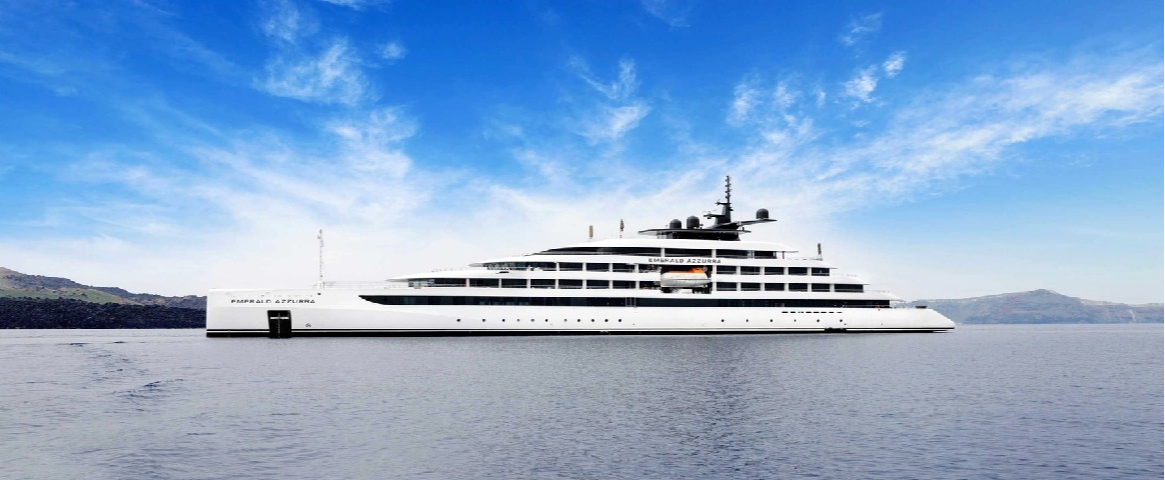
Emerald Azzurra
22 Cruises

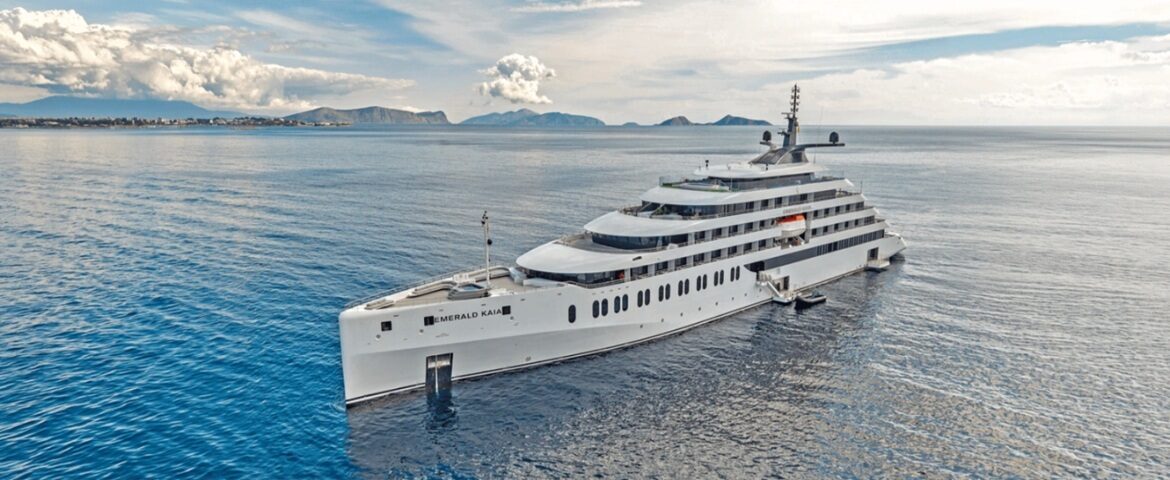
Emerald Kaia
46 Cruises
| 29 May | 7 nights | One-way from Dubrovnik to Venice |
450-628-6241
Call us
|
| 30 May | 5 days | One-way from Dubrovnik to Venice |
450-628-6241
Call us
|
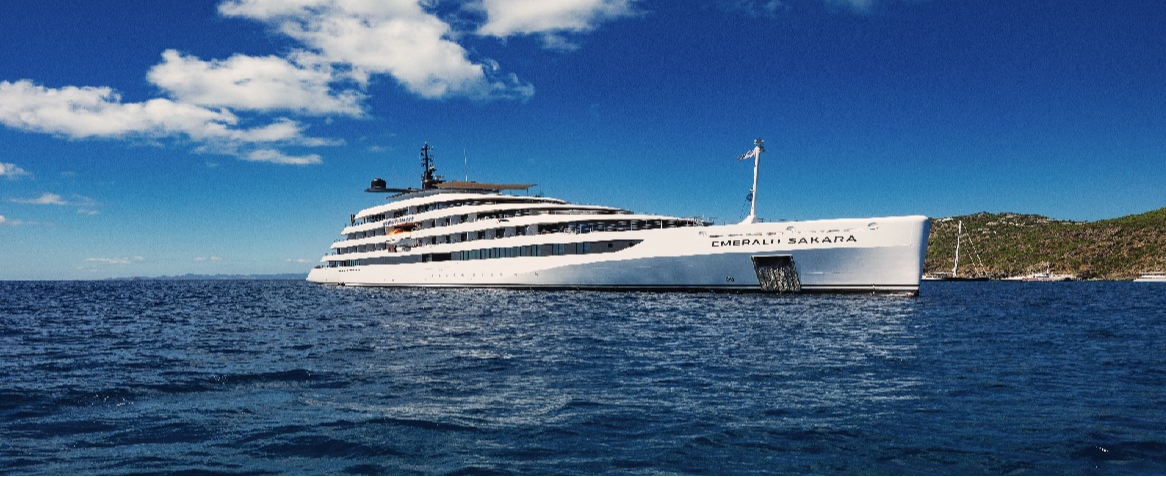
Emerald Sakara
4 Cruises
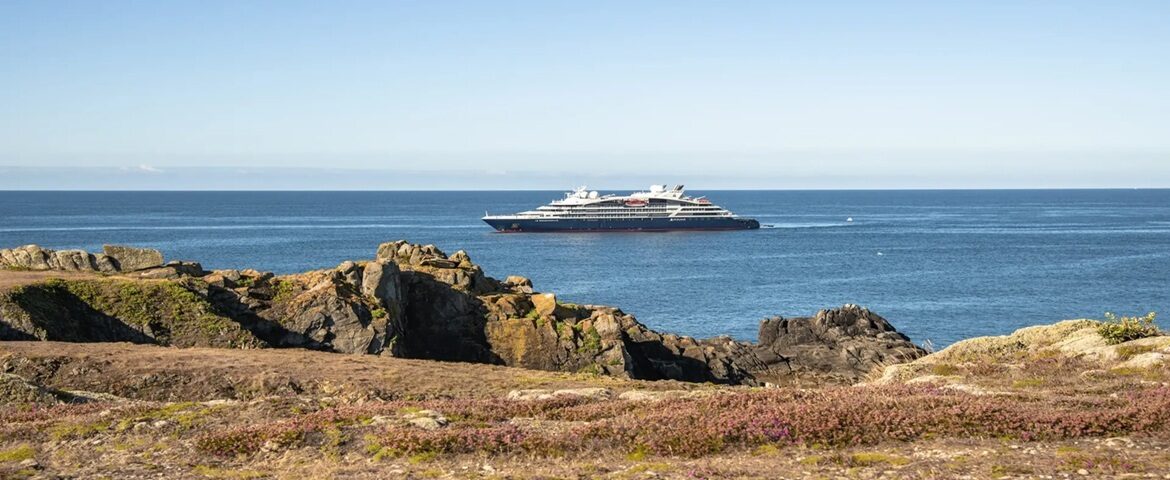
Ponant (2 Cruises)

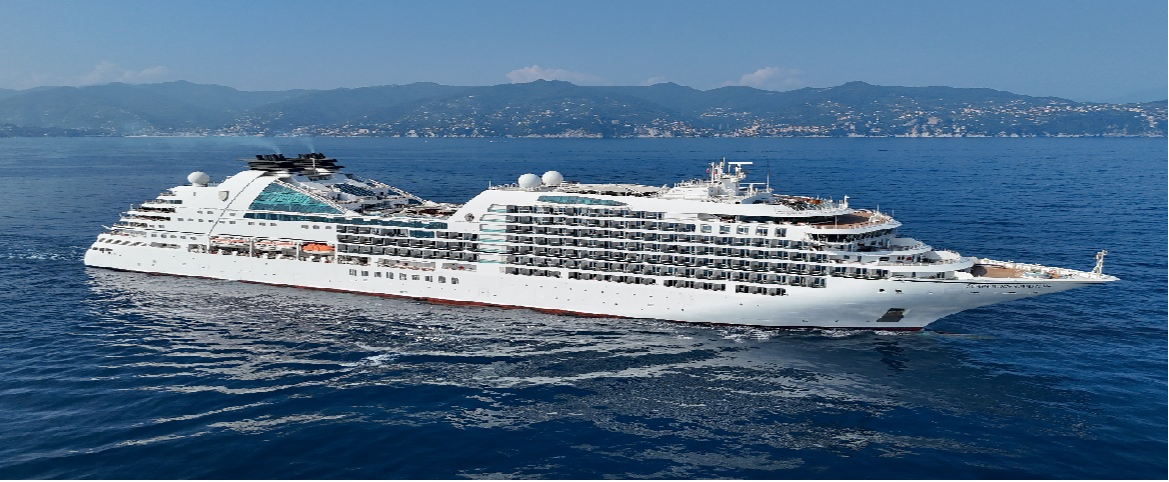
Seabourn Cruise Line (18 Cruises)
Seabourn Ovation
18 Cruises

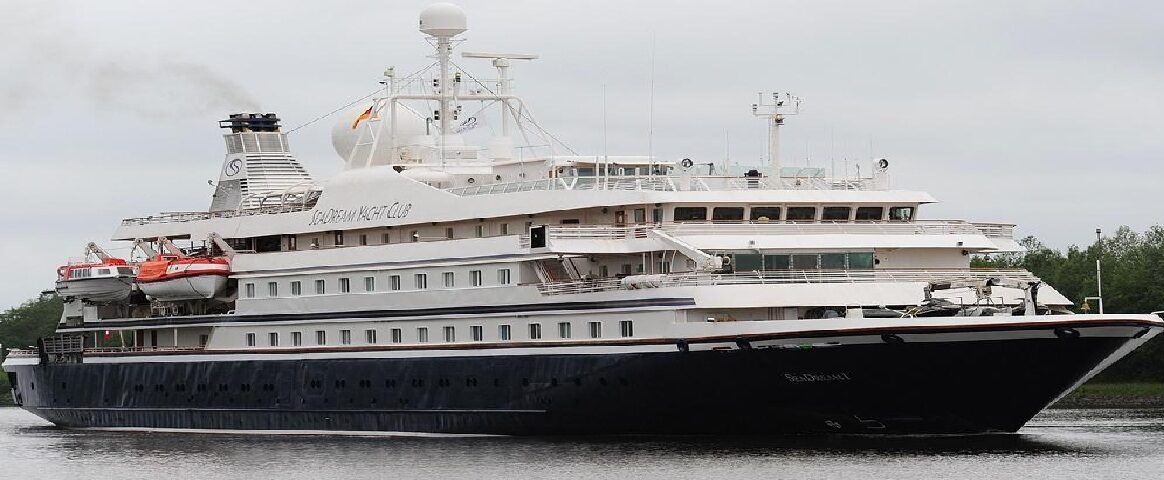

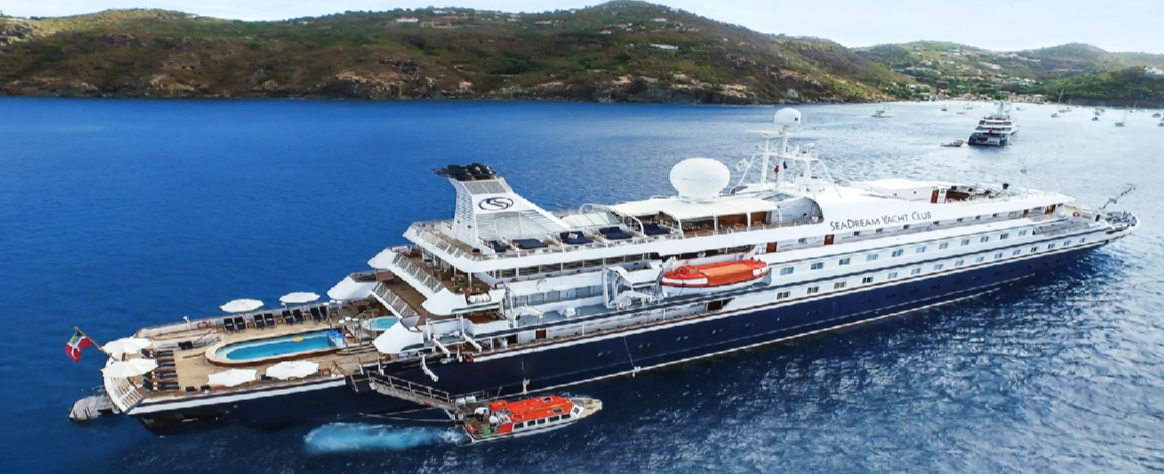
Silversea Cruises (14 Cruises)
Silver Ray
5 Cruises
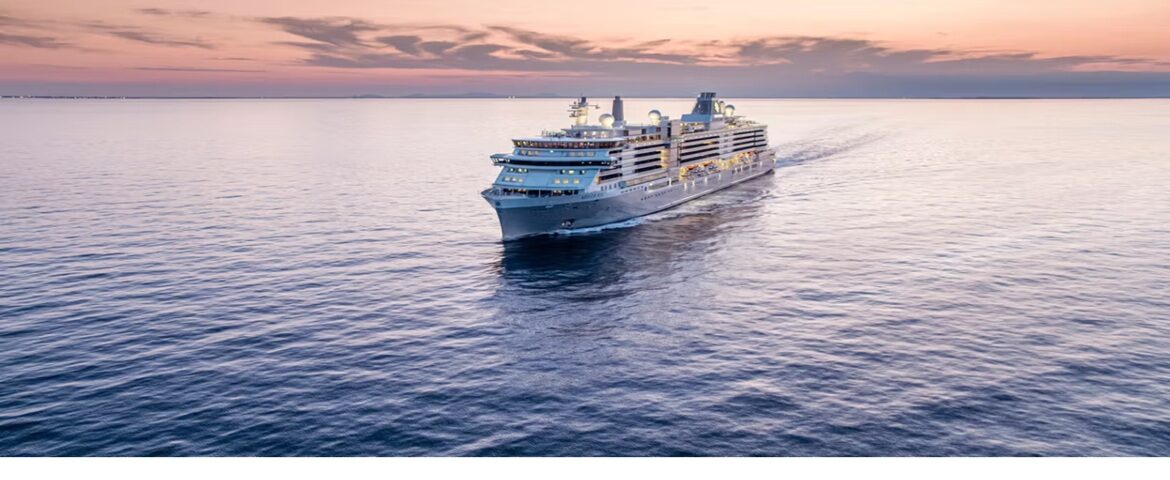

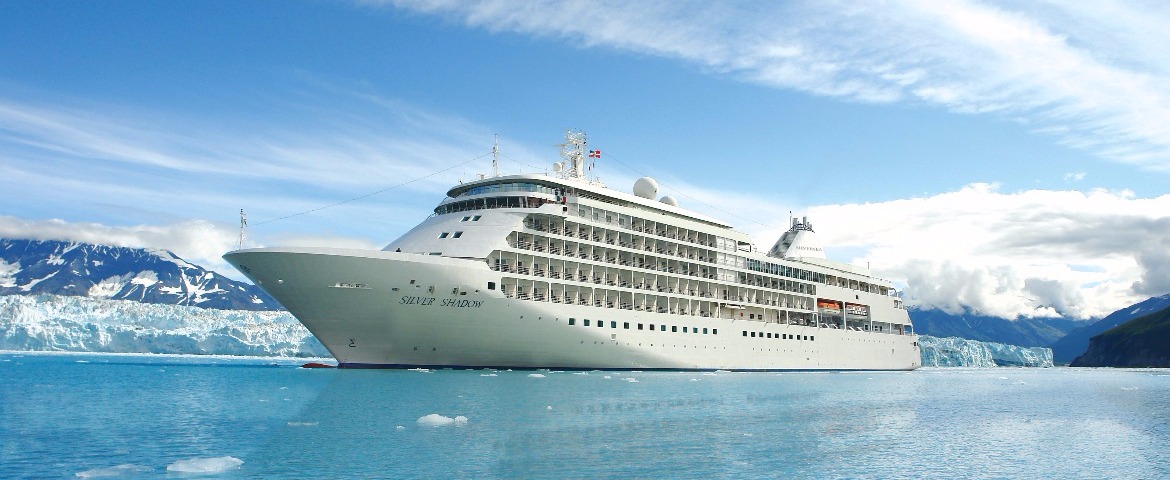
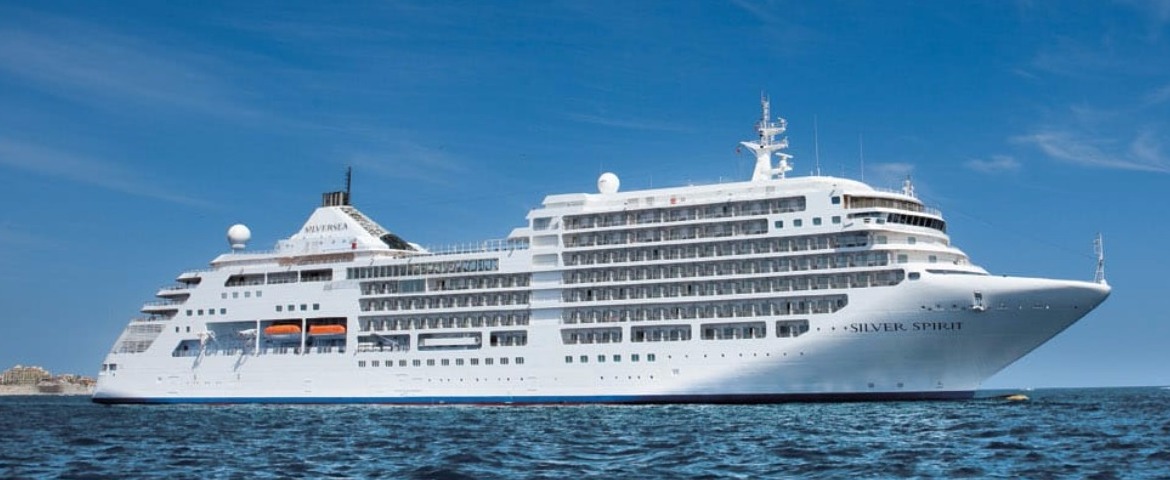
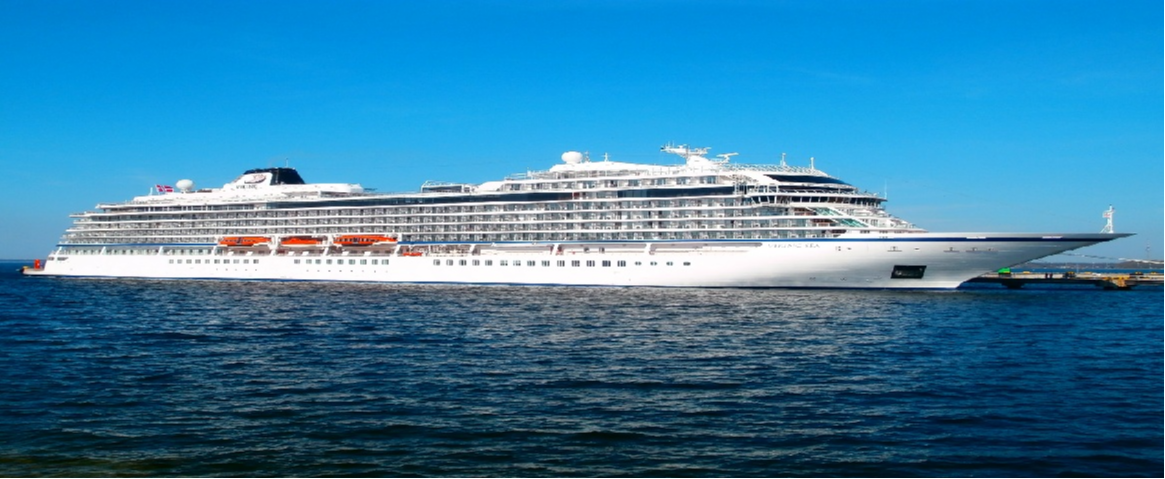

Windstar Cruises (23 Cruises)
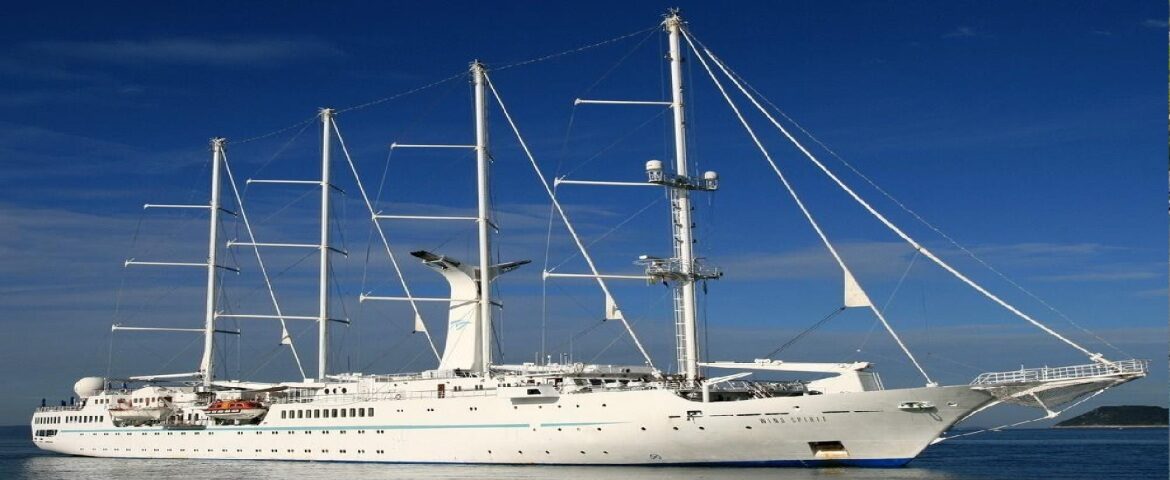
Wind Spirit
23 Cruises

| 22 March | 25 nights | One-way from Barcelona to Venice |
450-628-6241
Call us
|
| 29 March | 18 nights | One-way from Civitavecchia-Rome to Venice |
450-628-6241
Call us
|
| 2 May | 14 nights | Round-trip from Venice, Italy |
450-628-6241
Call us
|
| 2 May | 7 nights | One-way from Venice to Dubrovnik |
450-628-6241
Call us
|
| 2 July | 7 days | One-way from Venice to Dubrovnik |
450-628-6241
Call us
|
| 2 July | 14 days | Round-trip 14 Night Star Collector Adriatic Odyssey Cruise |
450-628-6241
Call us
|

Port of Piran, Slovenia | Cruise Port Guide
Frequently Asked Questions
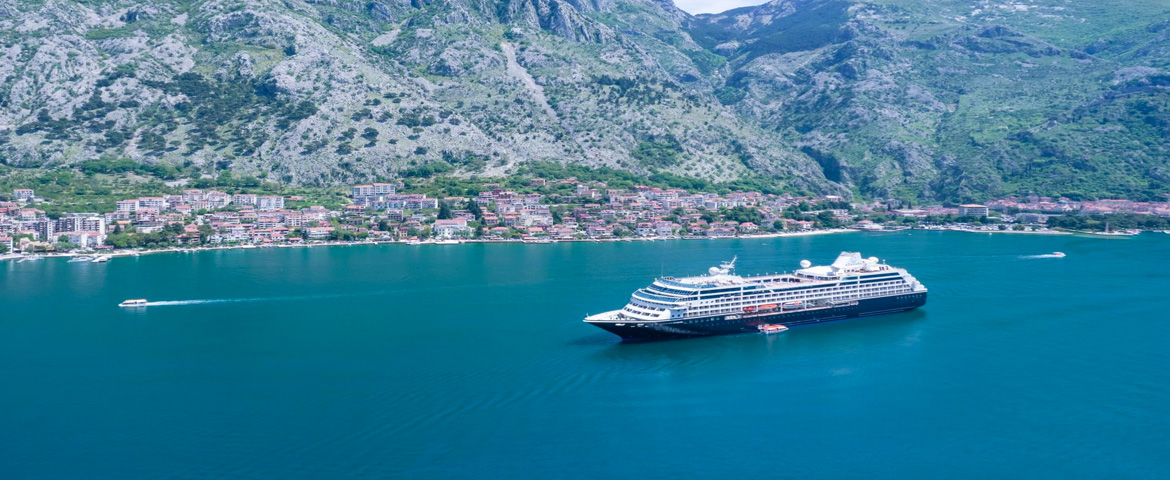
Ships anchor offshore and tenders drop passengers at the inner marina, right on the edge of the old town. A few steps take you to Tartini Square.
None at all. Everything happens on foot, in a very small space. Piran is a strolling call, usually reserved for smaller ships.
An ellipse of pale marble ringed by pastel façades, named for the violinist Giuseppe Tartini, born here in 1692. It covers the old inner harbour, the mandrac, filled in during the 19th century: boats once moored where the terraces now spread.
The whole peninsula, the orange tiled roofs, then the sea as far as the Italian and Croatian coasts. The climb is short but steep; the bell tower echoes St Mark's in Venice.
Two or three hours cover the town, more if you linger on a terrace or along the 15th-century walls. There is no programme and no clock to watch.
Yes, but not from a sandy beach: locals swim straight off the rocks and metal ladders on the promenade circling the peninsula. It suits confident swimmers more than young children.
Salt from the Sečovlje salt pans, harvested by hand nearby using centuries-old methods. It is the local product par excellence and travels without trouble.
Adriatic fish and grilled squid on the terraces of the small harbour, with a glass of Istrian malvasia. Nothing complicated, and the tables sit minutes from the tender pier.
The waterfront and Tartini Square are flat and easy. The climb to St George's, however, runs through sloping lanes and stairs and is not accessible to everyone.
The euro. Slovene is spoken, with Italian common along this coast and English in the shops. Venice is everywhere: its winged lion still appears on the walls.


