Guernsey Island St Peter Port, Channel Islands UK
United Kingdom

53 Cruises availables At departure or passage at this port

Port of St Peter Port, Guernsey | Cruise Port Guide

Seen from the tender, St Peter Port looks like an amphitheatre: granite houses tiered up the hillside, an old harbour crowded with sailboats and, standing sentinel on its islet, a castle that has kept watch for eight centuries. The capital of Guernsey, in the Channel Islands, cultivates a distinctive blend: British flags alongside French street names, afternoon tea alongside Norman shutters.

Landing Right in the Heart of Town

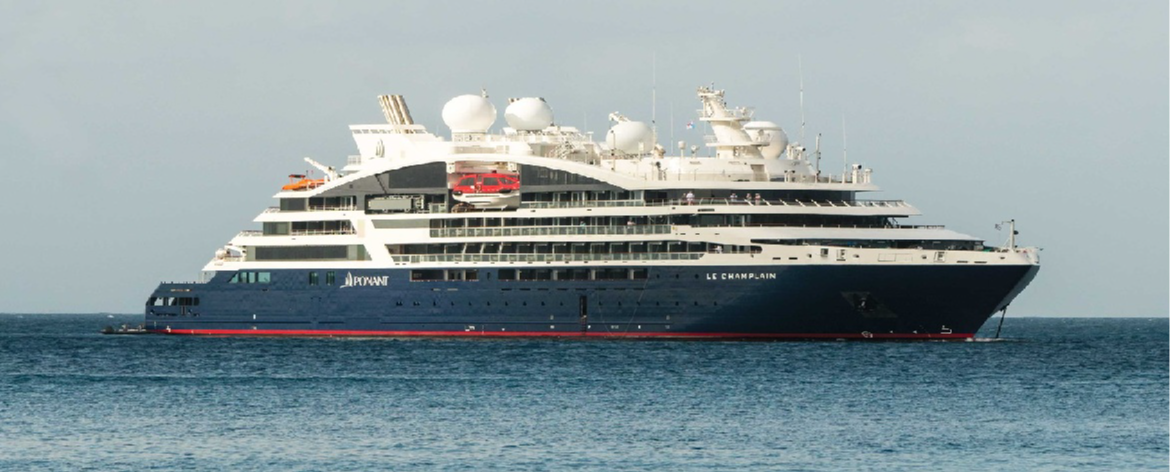
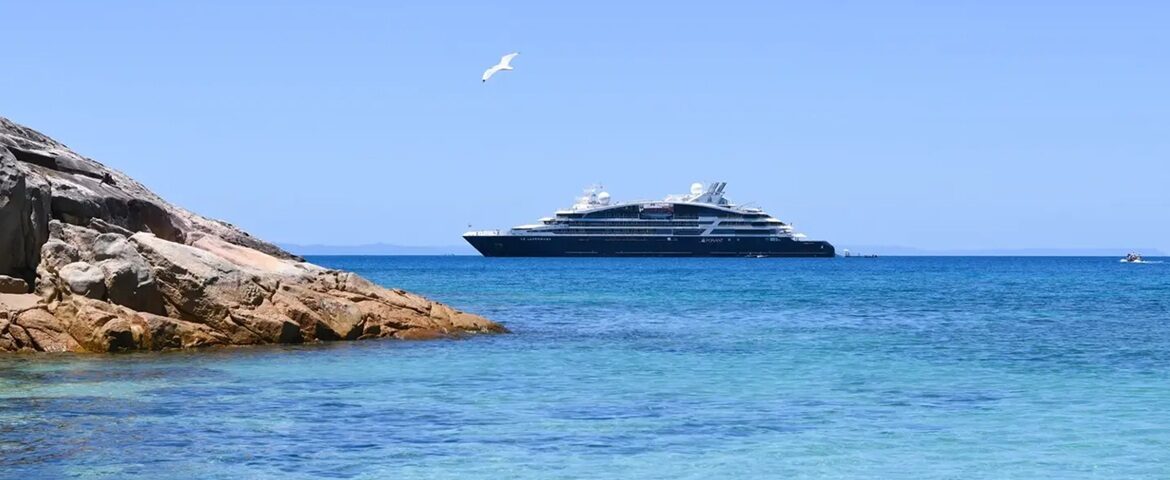
Ships anchor in the harbour roads and tenders drop passengers off at Albert Pier, right in the centre. From the moment you step ashore, cobbled lanes climb between the shops of High Street, the market halls and the café terraces facing the harbour basins. Everything here is built to a pedestrian's scale, with stairways and narrow lanes that open onto a glimpse of the sea at every turn.

Castle Cornet, Eight Hundred Years on Watch

At the end of its breakwater, reached on foot along the causeway, Castle Cornet defended the harbour against the French, backed the king during the English Civil War, and served as a barracks into the twentieth century. The fortress now houses several museums, including one devoted to the navy, along with four period gardens recreated among the bastions. Every midday, gunners in nineteenth-century uniform fire the traditional noon gun, a ritual visitors watch for with their eyes on their watches. From the ramparts, the view stretches out to the neighbouring islands of Herm and Sark.

Victor Hugo's Extravagant House

Climbing the streets toward Hauteville, you reach the island's most astonishing home. Victor Hugo, exiled under the Second Empire, lived fifteen years in Guernsey and turned Hauteville House into a total work of art: dark woodwork, mirrors, tapestries, hidden doors and, right at the top, a glassed-in lookout from which the writer could glimpse the coast of France on a clear day. It was here that he finished Les Misérables. The guided tour, by reservation, offers an intimate look into the life of a genius in exile.

Victorian Gardens and Memories of Occupation

A few minutes' walk away, Candie Gardens display their nineteenth-century greenhouses and flowerbeds on a terrace overlooking the rooftops and masts, with the island museum as a backdrop for anyone wishing to trace the island's history, from prehistory to the German occupation of the Second World War, a period still very much present in local memory. Those with a sweet tooth can finish with an ice cream made from local cream, famed for its uncommon richness thanks to the island's cows.

Beyond the Capital's Rooftops

For those wanting to venture a little further, island excursions hold a touching curiosity: the Little Chapel, a tiny shrine entirely covered in seashells and shards of porcelain, patiently decorated by a brother over the course of the last century. The south coast, meanwhile, lines up cliffs and clifftop paths above clear coves, while greenhouses recall the island's long horticultural tradition. Green buses make the rounds at modest cost, a popular option for independent travellers, and regular ferry links serve Herm and its sandy beaches for longer calls.

Notes for the Day

  • Tenders to Albert Pier, right at the foot of the town centre.
  • Castle Cornet: allow two hours; noon gun fired every day.
  • Hauteville House: advance reservation strongly recommended.
  • Currency: Guernsey pound and pound sterling; the island is not part of the United Kingdom but a Crown dependency.

As the tender crosses back over the harbour roads, the castle glows in the evening light and the sailboats return one by one. Hugo wrote that exiles needed rocks; perhaps, above all, what they needed was this very light. The modern traveller is exiled from nothing, but in leaving St Peter Port, understands why some exiles never wanted to leave again.

Frequently Asked Questions

It does not dock: ships anchor in the roadstead and tenders land passengers at Albert Pier, right in the centre. From the landing, cobbled lanes climb between the High Street shops, the market halls and the terraces facing the harbour.
Yes, and that is the scale of the town: stairways, alleys and cobbled lanes give a glimpse of the sea at every turn. Castle Cornet is reached on foot along the breakwater, and Hauteville House by a firm climb from the harbour. Bring good shoes: it is steep.
Castle Cornet and Hauteville House make the classic pairing and fill four to five hours including the walk between them. With six hours, the Candie Gardens and the island museum fit in without rushing, or an excursion to the Little Chapel.
A fortress on its islet at the end of the pier, reached on foot along the breakwater, which has stood guard for eight centuries. It houses several museums, including one on the sea, and four period gardens recreated between the bastions. Each noon, gunners in nineteenth-century uniform fire the traditional gun.
Yes, Hauteville House is open for guided tours, by reservation. Exiled under the Second Empire, Hugo lived on the island for fifteen years and turned the house into a total work of art: dark panelling, mirrors, tapestries, hidden doors and, at the very top, a glass belvedere. It is here that he finished Les Misérables.
Victorian gardens set on a balcony above the rooftops and masts, a few minutes' walk from the harbour, with nineteenth-century glasshouses and borders. The island museum on site covers Guernsey's history from prehistory to the German occupation of the Second World War — a period still very present in local memory.
A tiny sanctuary covered entirely in seashells and fragments of china, inland from the town. You need an excursion or a taxi to reach it, and the building is so small that visits happen in small groups. It is the island's most touching curiosity.
Yes. Castle Cornet, with its ramparts, cannon and midday gun, appeals strongly to children, and the local cream ice cream — famously rich thanks to the island's cows — settles the question of a snack. The climbs to Hauteville are steep for pushchairs.
The Guernsey pound, at parity with sterling; sterling notes are accepted everywhere, though the reverse is not true off the island. English is the everyday language, despite the French street names inherited from Norman. Cards are taken almost everywhere.
May to September, when the gardens are in flower and the days long. Passengers come ashore by tender: in rough seas the call can be shortened or cancelled, which happens more often in spring and autumn.