Galveston Texas
684
Cruises availables
At departure or passage at this port
Carnival Cruise Line (302 Cruises)
Carnival Breeze
83 Cruises
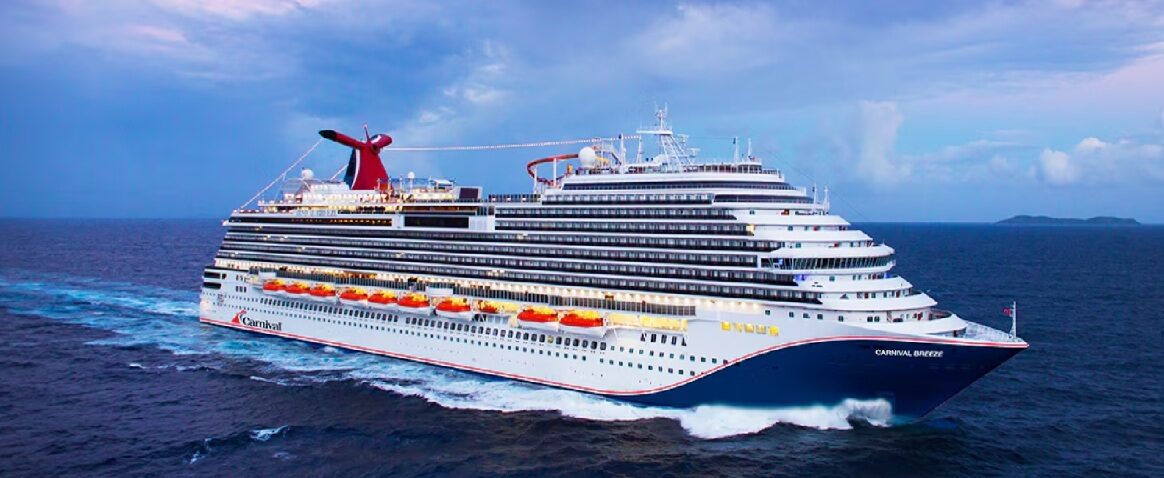

| 19 March | 5 days | Round-trip from Galveston, USA |
From
765$
|
| 23 March | 5 days | Round-trip from Galveston, USA |
From
765$
|
| 27 March | 6 days | Round-trip from Galveston, USA |
From
747$
|
Carnival Dream
27 Cruises
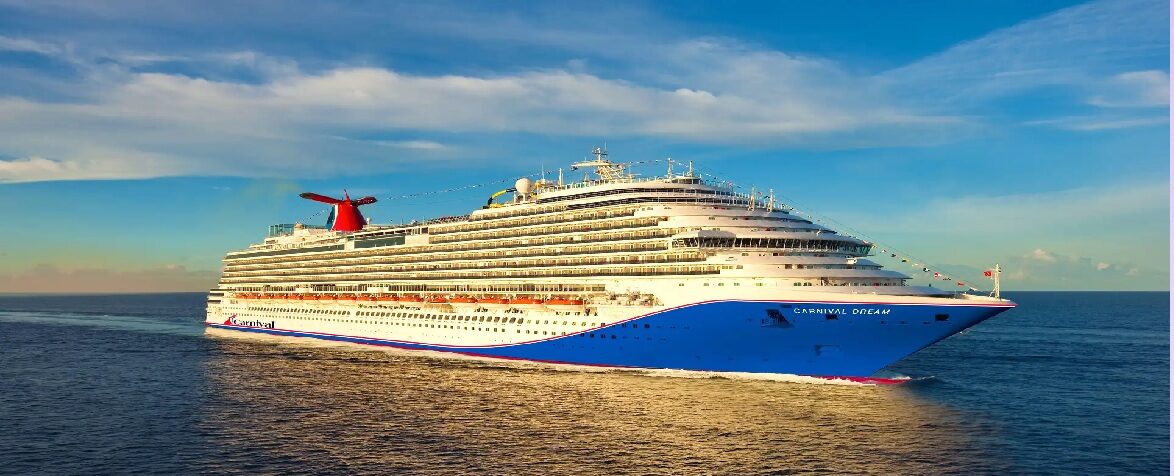
| 2 January | 15 days | Round-trip from Galveston, USA |
From
1721$
|
| 16 January | 15 days | Round-trip from Galveston, USA |
From
2008$
|
| 30 January | 8 days | Round-trip from Galveston, USA |
From
907$
|
Carnival Horizon
68 Cruises
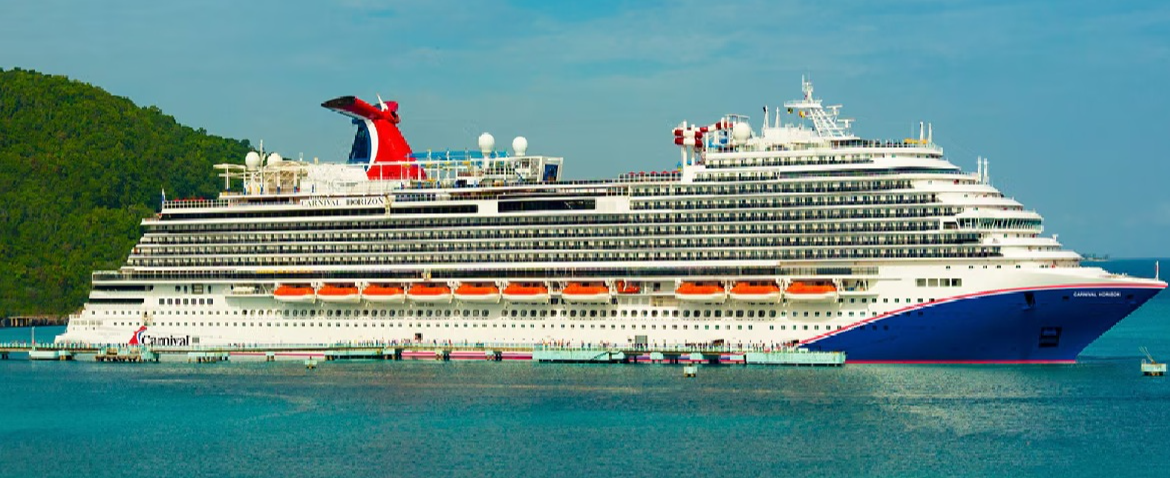
| 19 May | 9 days | Round-trip from Galveston, USA |
From
1290$
|
| 27 May | 5 days | Round-trip from Galveston, USA |
From
926$
|
| 31 May | 6 days | Round-trip from Galveston, USA |
From
994$
|
Carnival Jubilee
64 Cruises
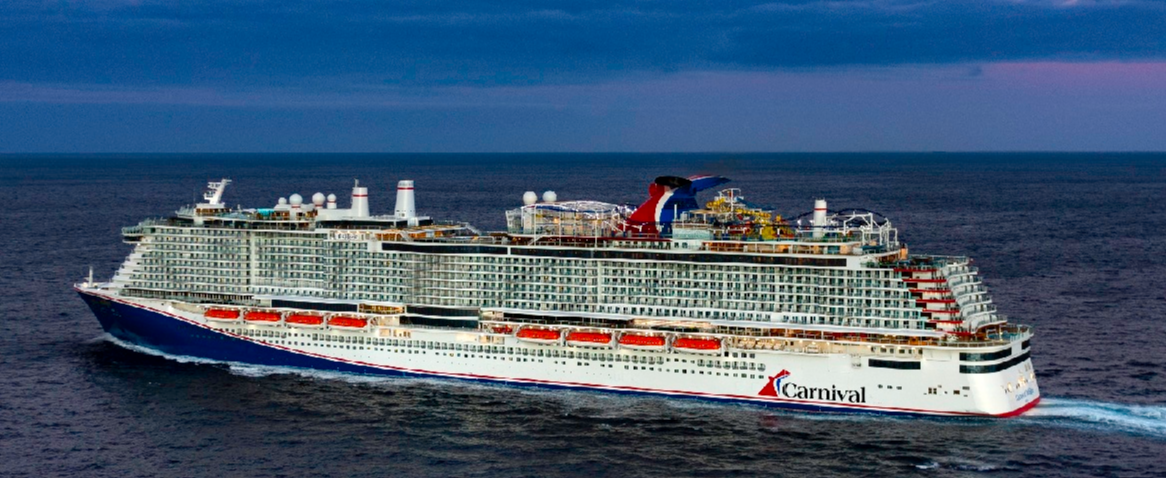
| 1 August | 7 days | Round-trip from Galveston, USA |
450-628-6241
Call us
|
| 7 August | 9 days | Round-trip from Galveston, USA |
450-628-6241
Call us
|
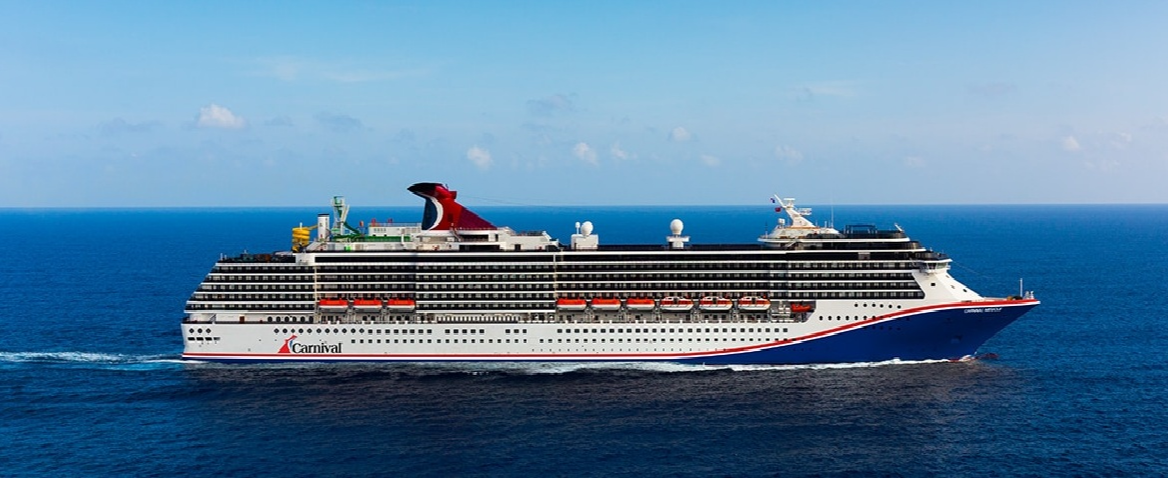
Carnival Miracle
28 Cruises
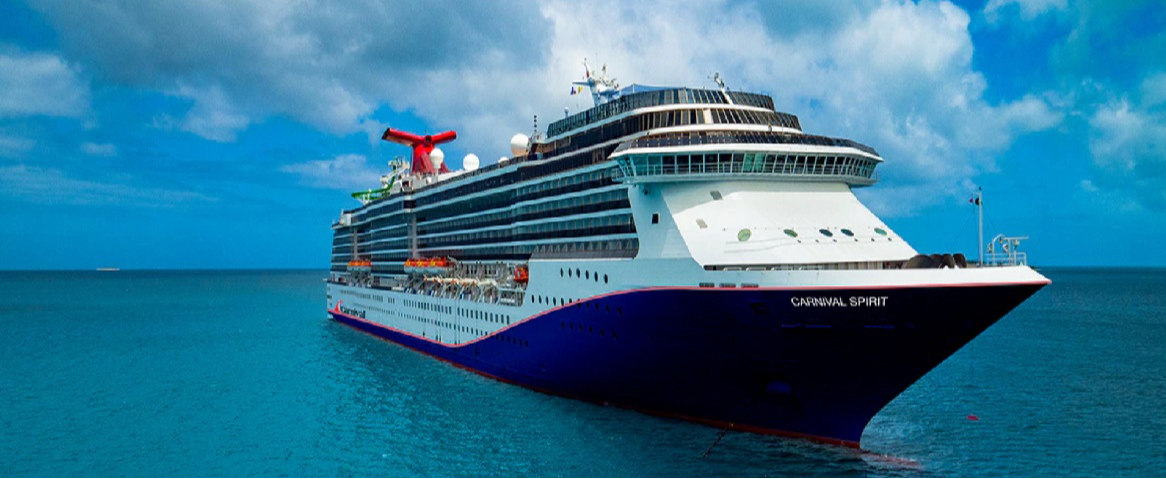
Carnival Spirit
6 Cruises
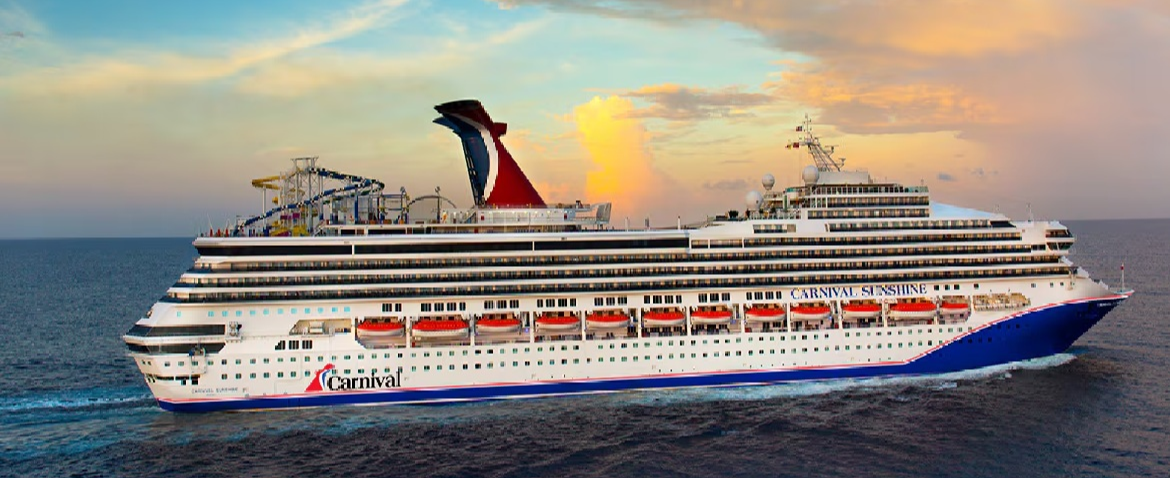
Carnival Sunshine
26 Cruises
| 17 November | 6 days | Round-trip from Galveston, USA |
From
581$
|
| 22 November | 11 days | Round-trip from Galveston, USA |
From
1342$
|
Disney Cruise Line (34 Cruises)
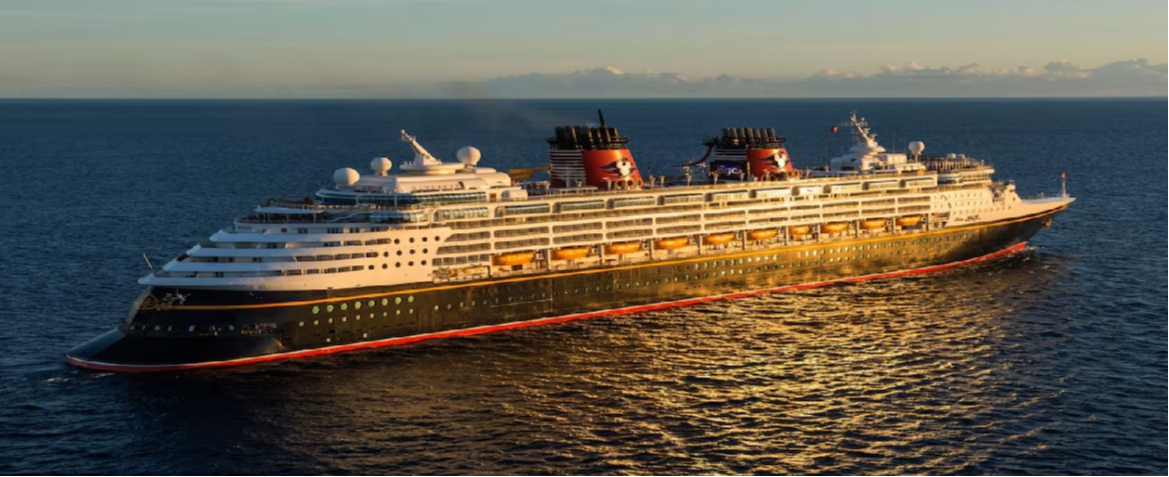
Disney Magic
34 Cruises

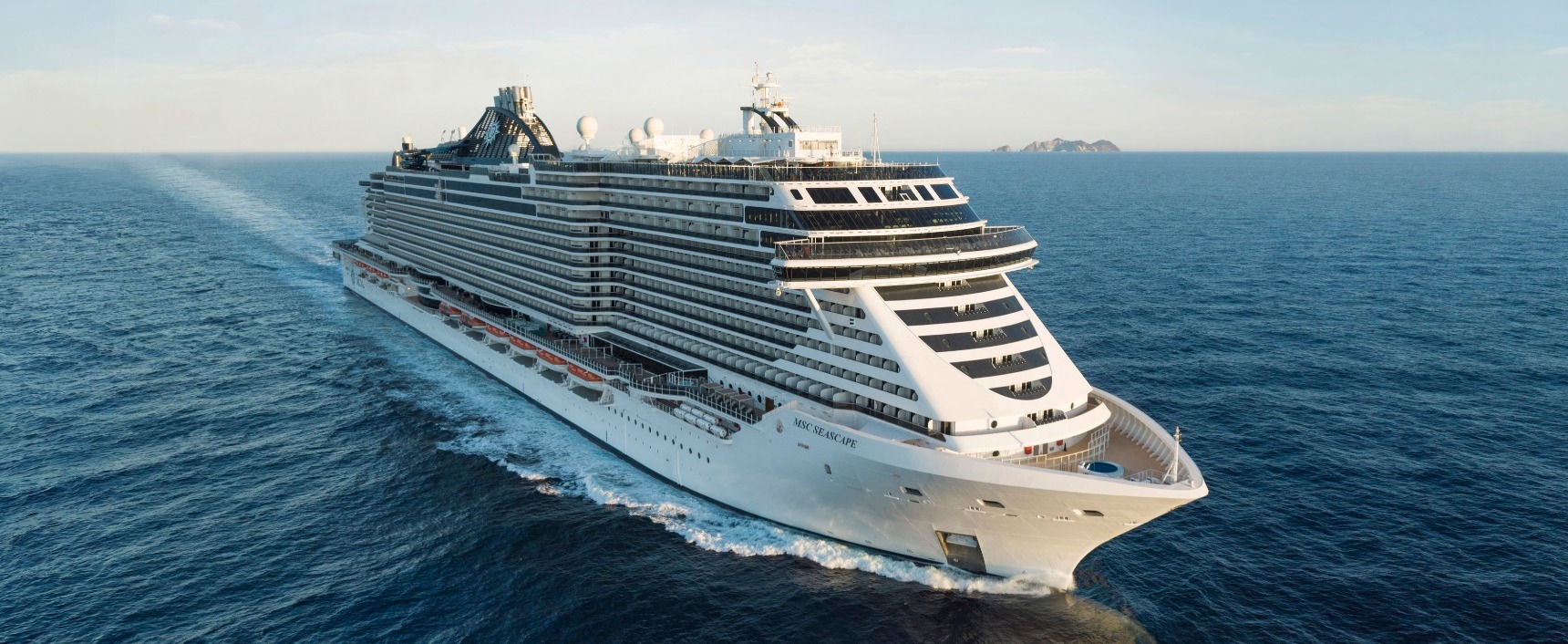
MSC Cruises (103 Cruises)
MSC Seascape
103 Cruises

Norwegian Cruise Line (45 Cruises)
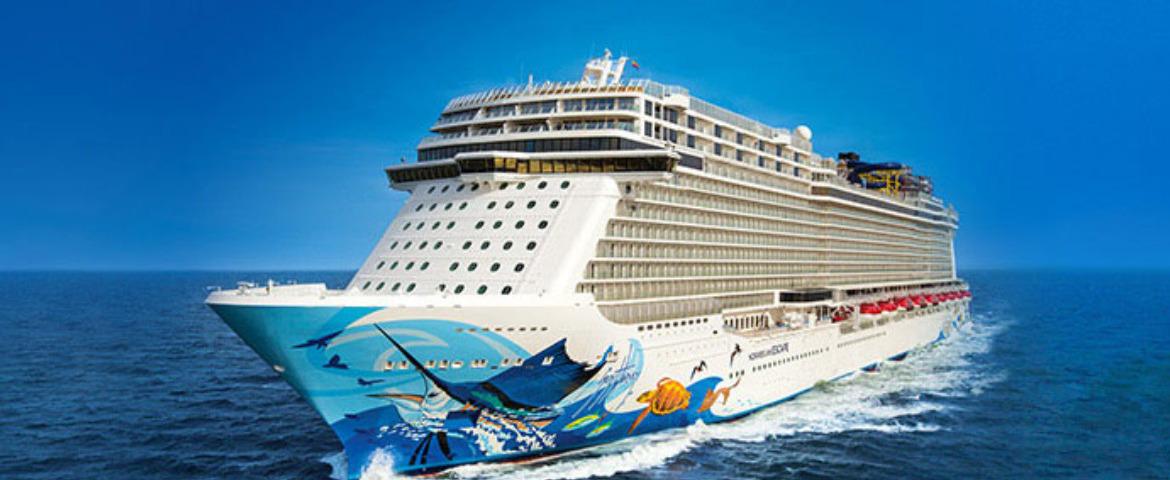
Norwegian Escape
22 Cruises

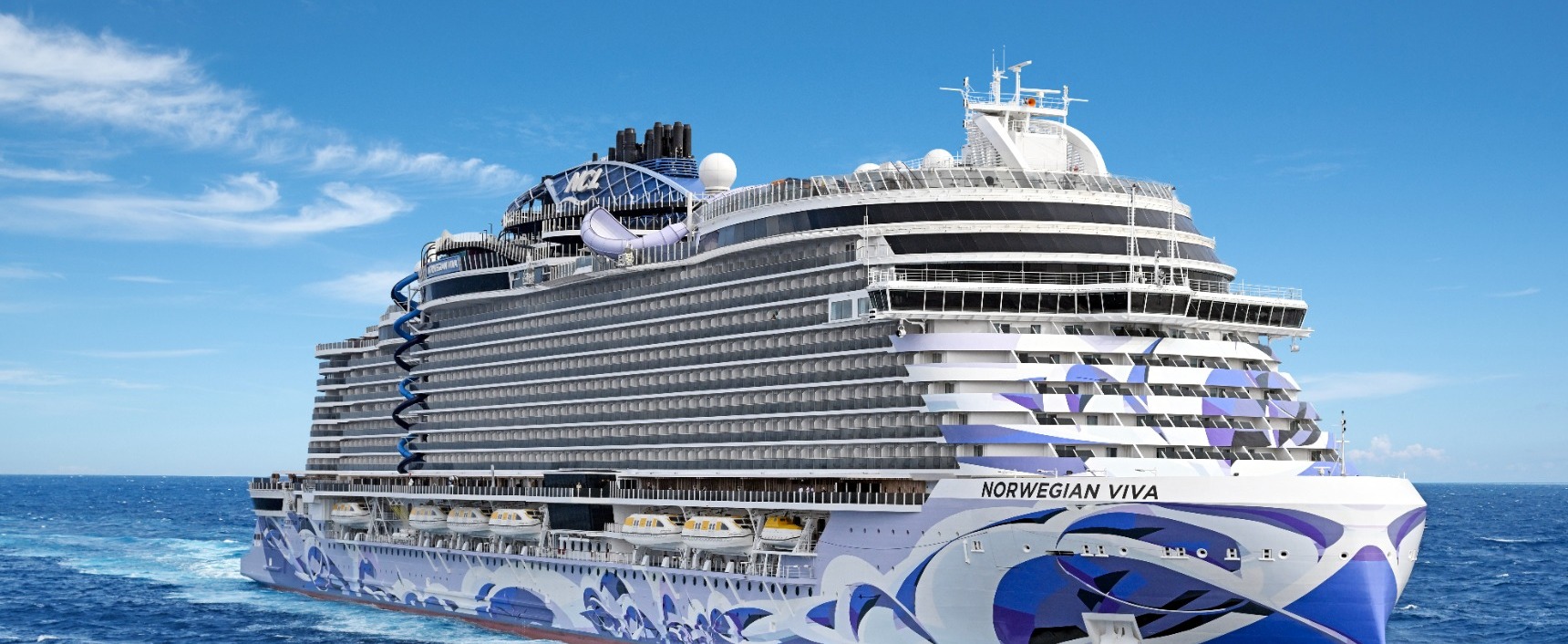
Norwegian Viva
23 Cruises

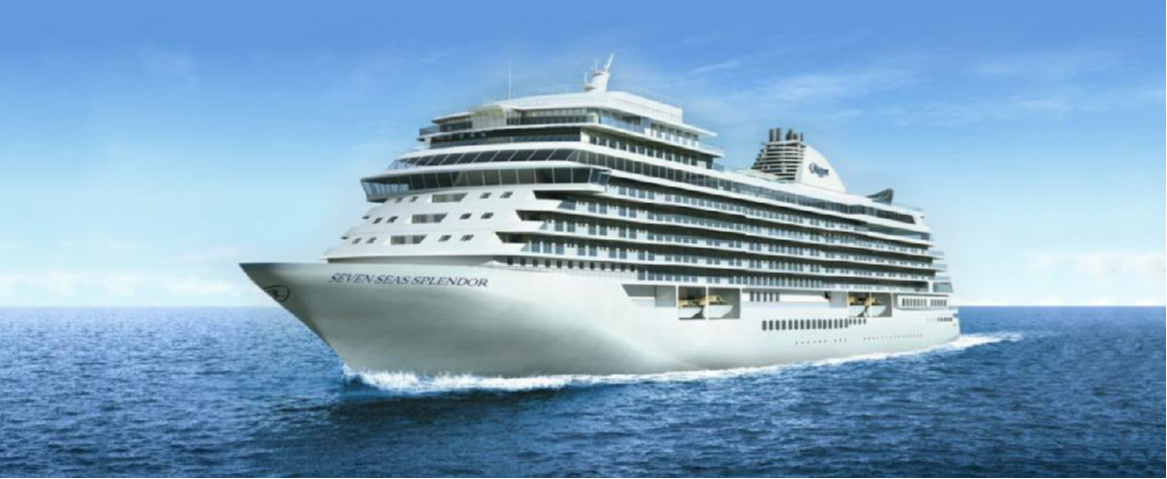
Royal Caribbean Cruises (193 Cruises)
Icon of the Seas
38 Cruises


Liberty of the Seas
114 Cruises

Symphony of the Seas
41 Cruises


Port of Galveston | Cruise Port Guide
Frequently Asked Questions
At the Galveston cruise terminals on the ship channel, a short walk from the historic Strand district. This is an embarkation port: most passengers start or end their cruise here.
Yes, for the Strand district: its Victorian facades and shops begin a few minutes' walk from the terminals. For the Seawall waterfront on the Gulf side, you need a taxi or the trolley.
An 1877 barque, restored and still seaworthy, berthed near the port sheds. Her masts rise above the roofs and mark the entrance to the historic district; a visit takes about an hour.
The Strand district on foot, the tall ship Elissa, then Seawall Boulevard for the beach. A full day allows adding the Moody Gardens pyramids or a dolphin-watching outing.
Because it changed everything. On 8 September 1900 a hurricane submerged the island and caused the deadliest natural disaster in United States history. The city was later raised and protected by the Seawall.
It was here, on 19 June 1865, that the order proclaiming freedom for enslaved people in Texas was read publicly. That date became Juneteenth, now a US federal holiday.
Yes, all along Seawall Boulevard on the Gulf of Mexico side. The sand is brown and the water cloudy from Mississippi sediment: it is no Caribbean beach, but it is vast and well equipped.
Often, yes. Bottlenose dolphins regularly follow tugs and ferries in the ship channel, sometimes visible from the ship's deck at sailaway.
The US dollar and English, with plenty of Spanish across Texas. Credit cards are accepted everywhere and tipping is expected in restaurants and taxis.
March to May and October to December: bearable heat and lower humidity. Texas summers are stifling and hurricane season runs June through November in the Gulf of Mexico.


