Melk Austria
Austria
2323
Cruises availables
At departure or passage at this port
AmaWaterways (271 Cruises)
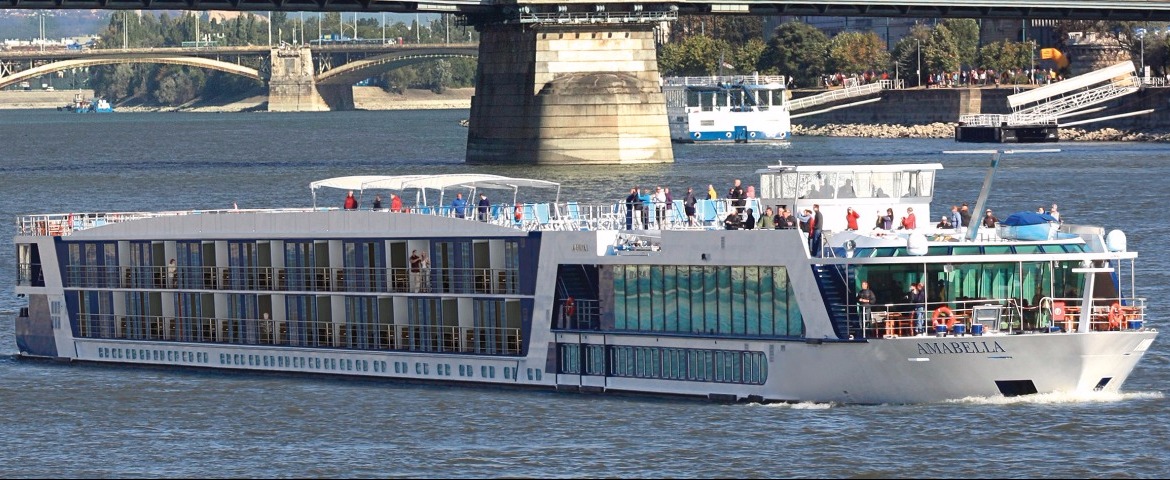
AmaBella
19 Cruises

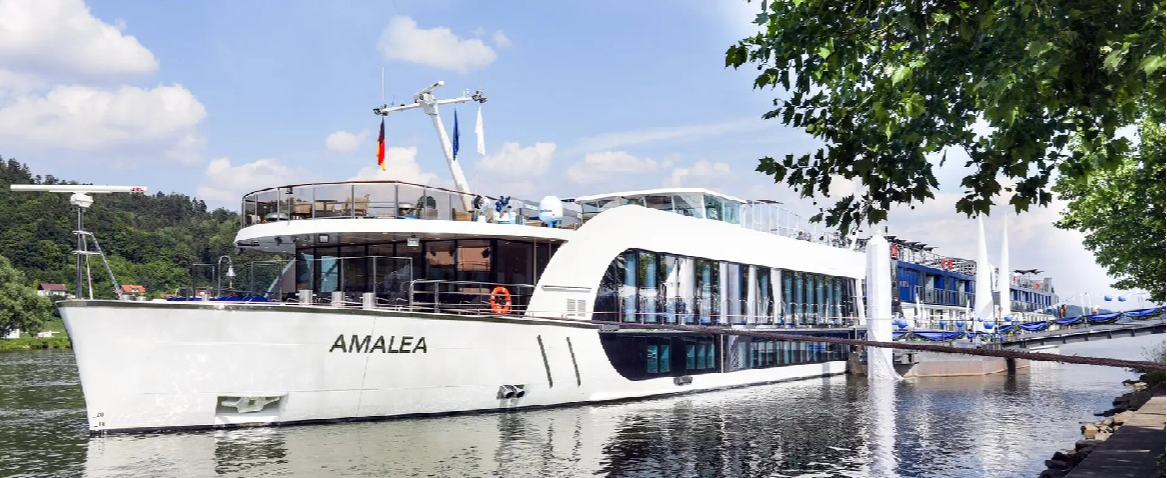
AmaLea
43 Cruises
| 28 November | 7 days | One-way from Budapest to Nuremberg |
450-628-6241
Call us
|
| 28 November | 7 nights | One-way from Budapest to Nuremberg |
450-628-6241
Call us
|
| 3 April | 7 nights | Round-trip from Budapest, Hungary |
450-628-6241
Call us
|
| 10 April | 7 nights | Round-trip from Budapest, Hungary |
450-628-6241
Call us
|
| 10 June | 14 nights | One-way from Amsterdam to Budapest |
450-628-6241
Call us
|
| 12 June | 14 nights | One-way from Amsterdam to Budapest |
450-628-6241
Call us
|
| 29 January | 7 days | Round-trip Best of the Danube |
450-628-6241
Call us
|
| 29 January | 7 nights | Round-trip from Budapest, Hungary |
450-628-6241
Call us
|
| 13 May | 14 nights | One-way from Amsterdam to Budapest |
450-628-6241
Call us
|
| 27 May | 14 nights | One-way from Budapest to Amsterdam |
450-628-6241
Call us
|
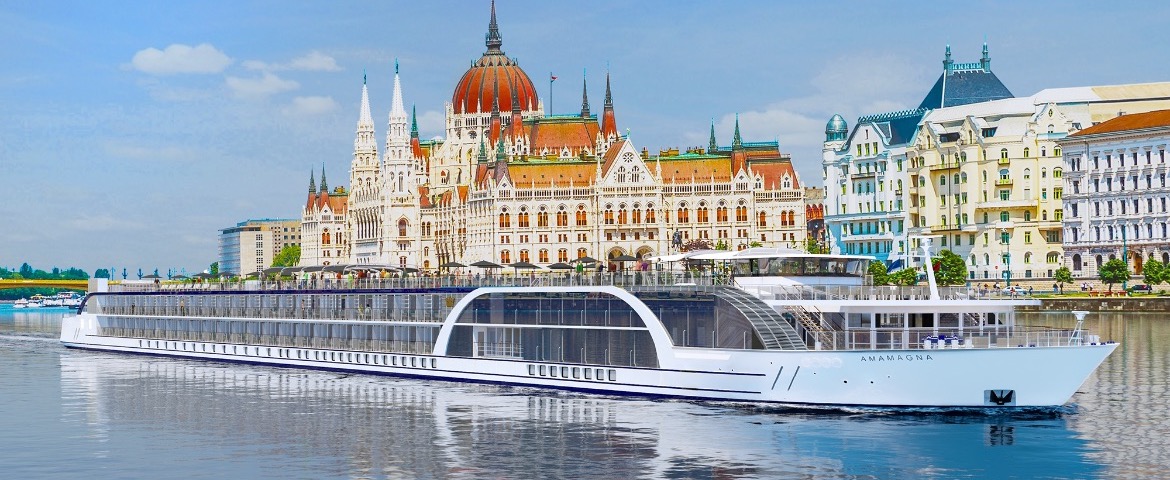
AmaMagna
49 Cruises
| 11 April | 7 nights | One-way from Vilshofen an der Donau to Budapest |
450-628-6241
Call us
|
| 11 April | 15 days | One-way from Vilshofen an der Donau to Giurgiu |
450-628-6241
Call us
|
| 9 May | 7 nights | One-way from Vilshofen an der Donau to Budapest |
450-628-6241
Call us
|
| 9 May | 15 days | One-way from Vilshofen an der Donau to Giurgiu |
450-628-6241
Call us
|
| 6 June | 15 days | One-way from Vilshofen an der Donau to Giurgiu |
450-628-6241
Call us
|
| 6 June | 7 nights | One-way from Vilshofen an der Donau to Budapest |
450-628-6241
Call us
|
| 4 July | 7 nights | One-way from Vilshofen an der Donau to Budapest |
450-628-6241
Call us
|
| 18 July | 7 nights | One-way from Vilshofen an der Donau to Budapest |
450-628-6241
Call us
|
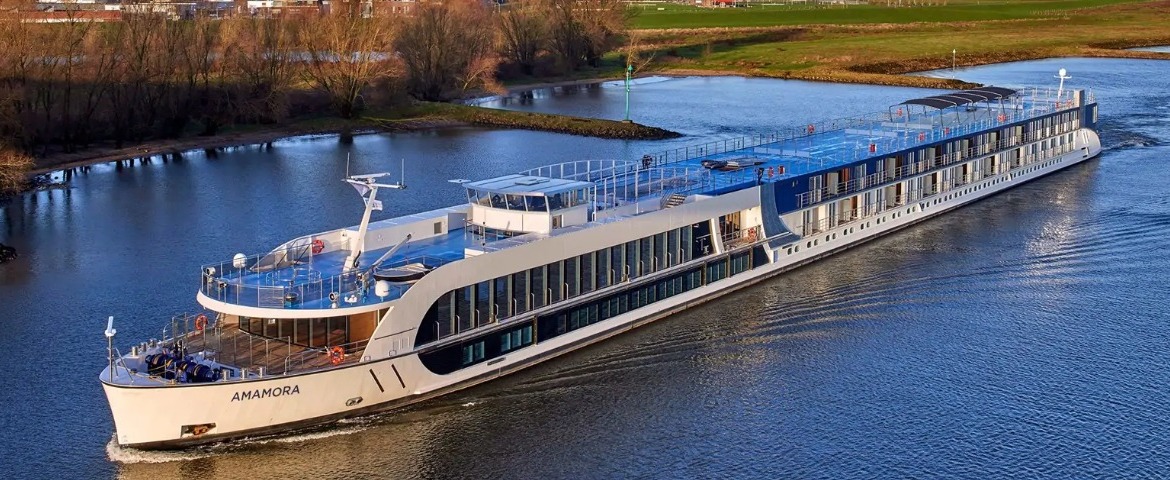
AmaMora
22 Cruises
| 7 October | 14 nights | One-way from Budapest to Amsterdam |
450-628-6241
Call us
|
| 21 October | 14 nights | One-way from Amsterdam to Budapest |
450-628-6241
Call us
|
AmaReina
52 Cruises
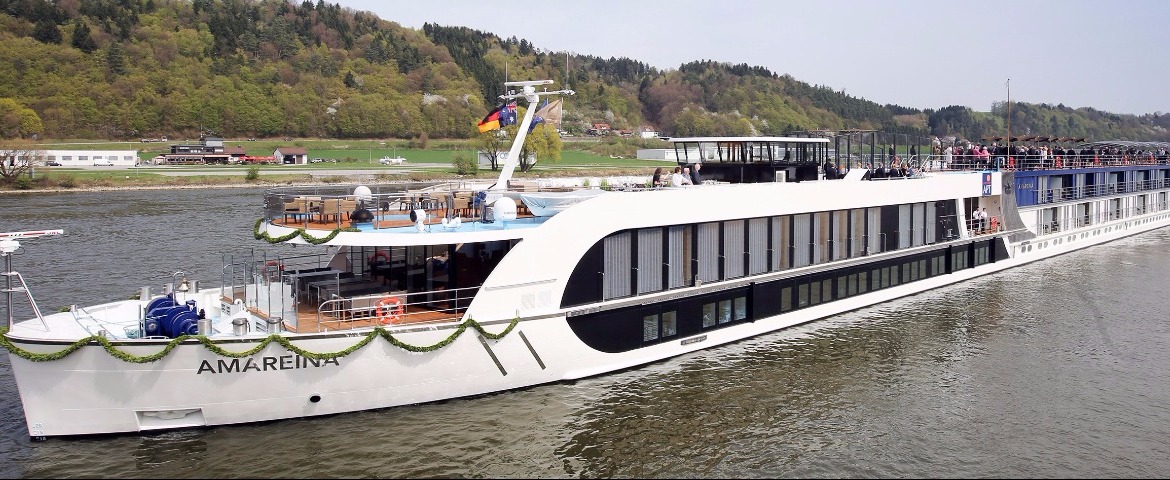
| 17 March | 7 nights | One-way from Budapest to Nuremberg |
450-628-6241
Call us
|
| 24 March | 7 nights | One-way from Nuremberg to Budapest |
450-628-6241
Call us
|
| 7 July | 8 days | One-way from Budapest to Nuremberg |
450-628-6241
Call us
|
| 14 July | 7 nights | One-way from Nuremberg to Budapest |
450-628-6241
Call us
|
AmaSonata
59 Cruises
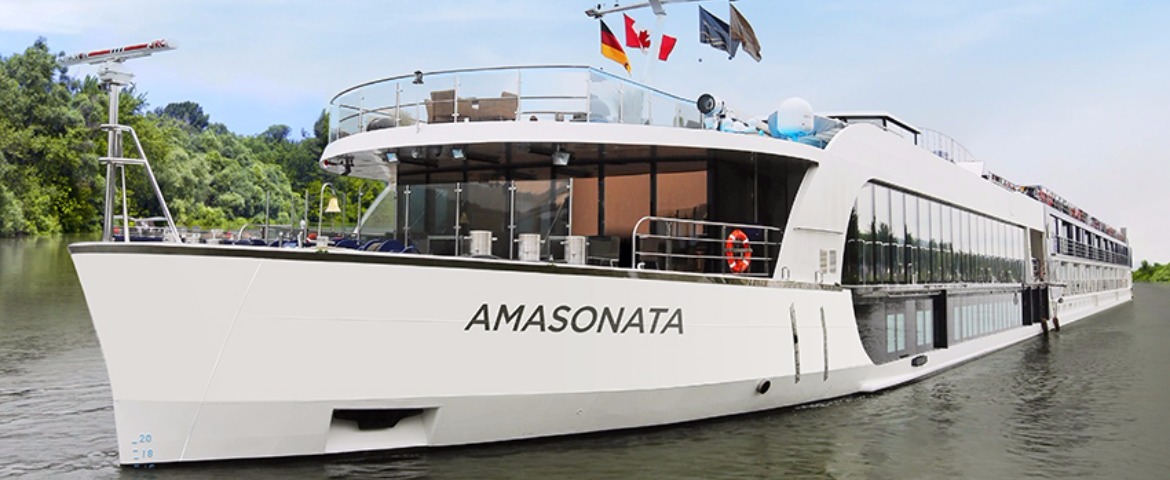
| 9 June | 7 nights | One-way from Nuremberg to Budapest |
450-628-6241
Call us
|
| 30 June | 7 nights | Round-trip from Budapest, Hungary |
450-628-6241
Call us
|
| 11 August | 7 nights | Round-trip from Budapest, Hungary |
450-628-6241
Call us
|
| 18 August | 7 nights | Round-trip from Budapest, Hungary |
450-628-6241
Call us
|
| 22 September | 7 nights | Round-trip from Budapest, Hungary |
450-628-6241
Call us
|
| 29 September | 7 nights | Round-trip from Budapest, Hungary |
450-628-6241
Call us
|
| 17 November | 7 nights | One-way from Budapest to Nuremberg |
450-628-6241
Call us
|
| 24 November | 7 nights | One-way from Nuremberg to Budapest |
450-628-6241
Call us
|
| 5 July | 7 days | Round-trip Best of the Danube Celebration of Music |
450-628-6241
Call us
|
| 5 July | 7 nights | Round-trip from Budapest, Hungary |
450-628-6241
Call us
|
AmaVerde
27 Cruises
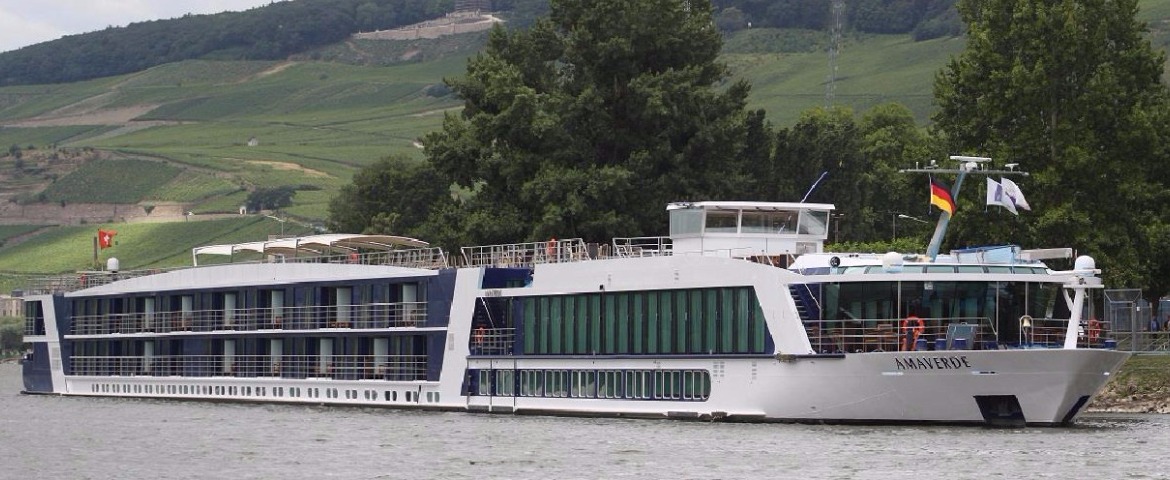
| 20 November | 9 nights | Round-trip from Budapest, Hungary |
450-628-6241
Call us
|
| 22 November | 7 nights | Round-trip from Budapest, Hungary |
450-628-6241
Call us
|
Avalon Waterways (433 Cruises)
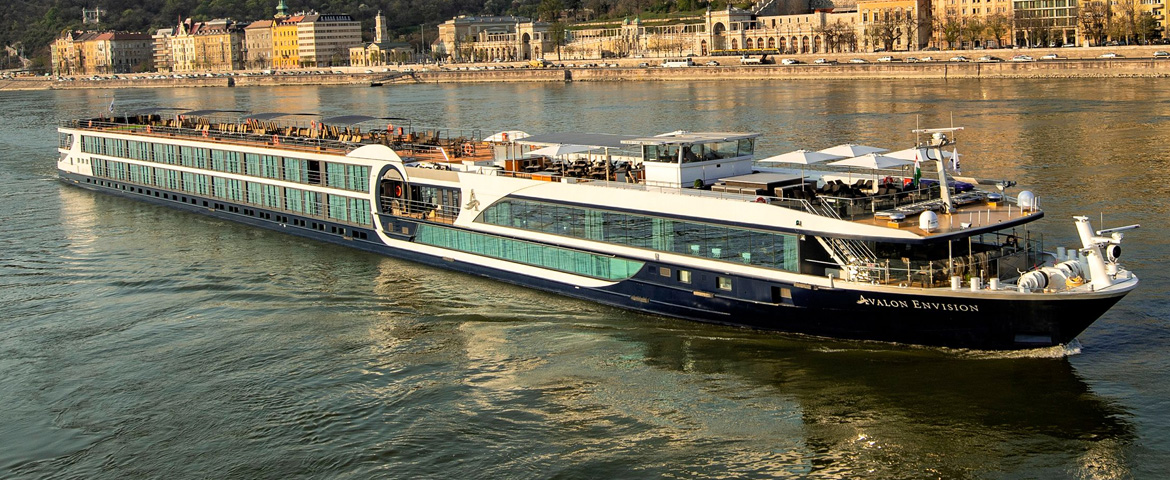

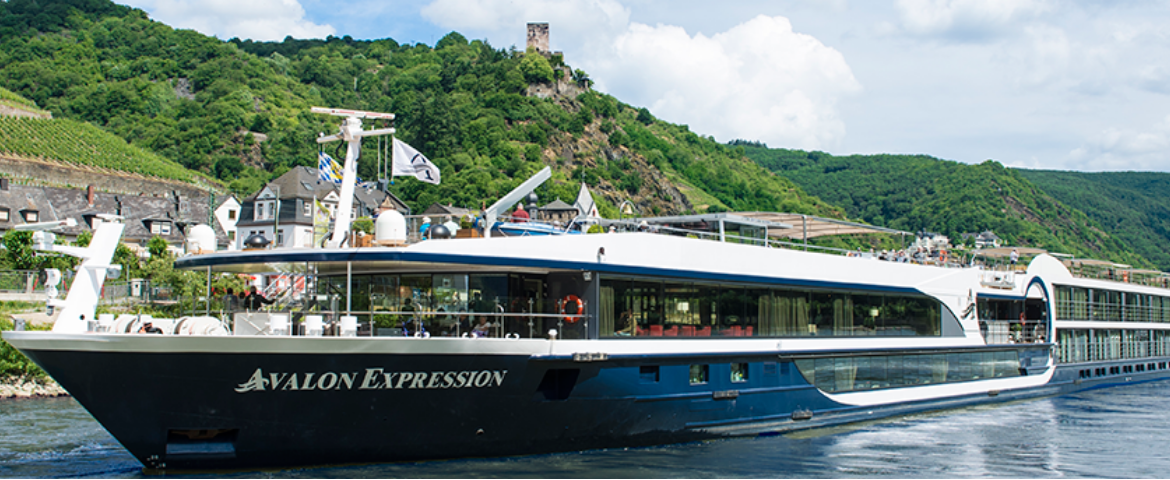
Avalon Expression®
53 Cruises
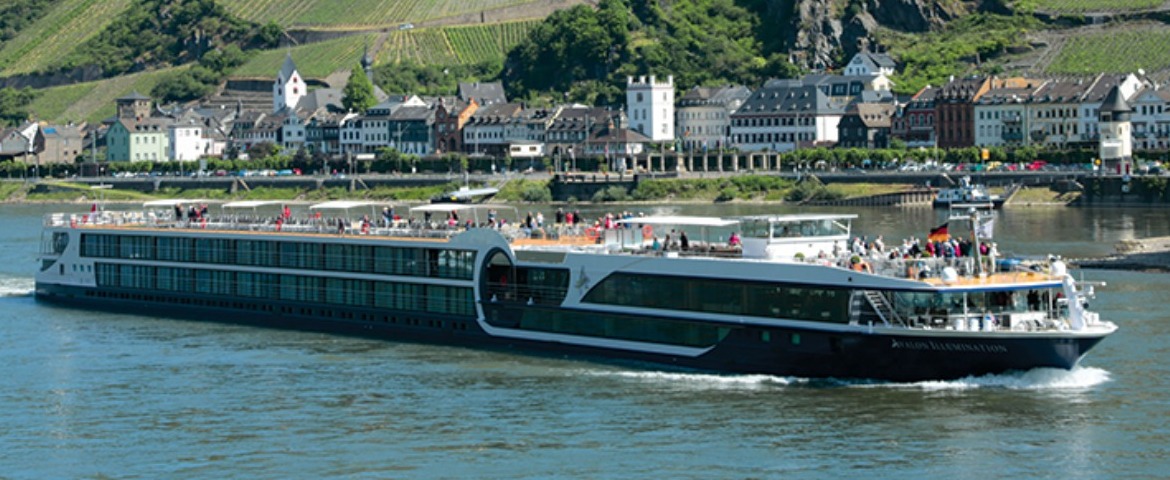
Avalon Illumination®
46 Cruises
| 29 November | 7 days | One-way from Nuremberg to Budapest |
450-628-6241
Call us
|
| 29 November | 7 nights | One-way from Nuremberg to Budapest |
450-628-6241
Call us
|
| 21 March | 9 nights | One-way from Budapest to Prague |
450-628-6241
Call us
|
| 21 March | 7 nights | One-way from Budapest to Vilshofen an der Donau |
450-628-6241
Call us
|
| 10 September | 9 nights | One-way from Prague to Budapest |
450-628-6241
Call us
|
| 12 September | 7 nights | One-way from Vilshofen an der Donau to Budapest |
450-628-6241
Call us
|
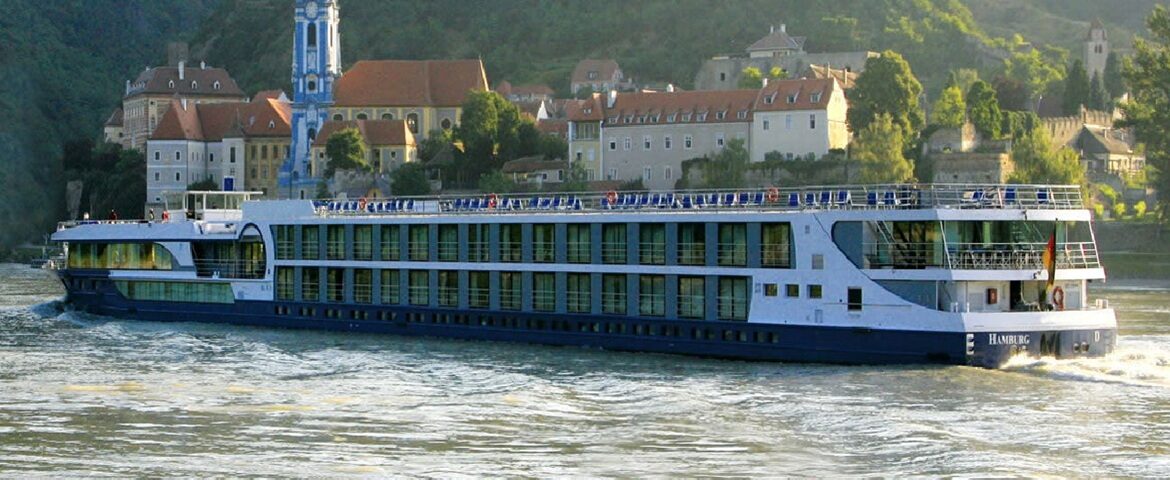
Avalon Imagery II®
79 Cruises
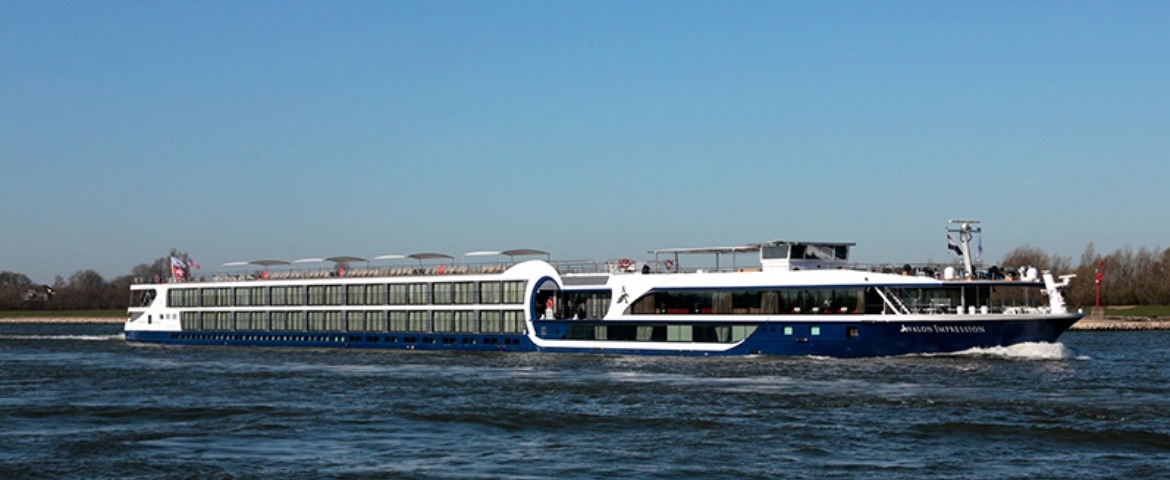
Avalon ImpressionSM
71 Cruises
| 31 March | 7 nights | One-way from Budapest to Vilshofen an der Donau |
450-628-6241
Call us
|
| 31 March | 9 nights | One-way from Budapest to Prague |
450-628-6241
Call us
|
| 1 November | 7 nights | One-way from Vilshofen an der Donau to Budapest |
450-628-6241
Call us
|
| 29 November | 8 nights | One-way from Prague to Vienna |
450-628-6241
Call us
|
Avalon PanoramaSM
17 Cruises
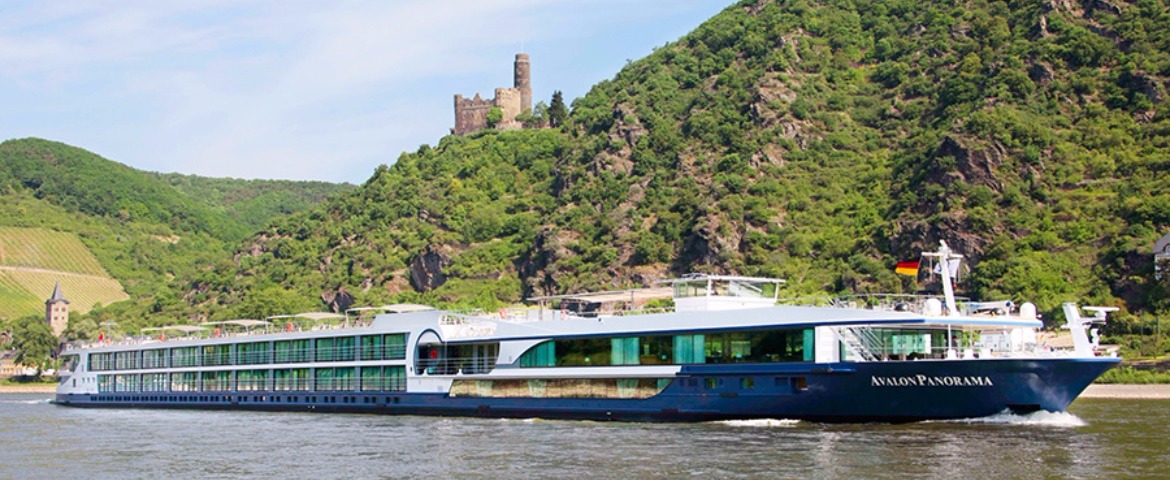
| 27 November | 16 days | One-way from Basel to Budapest |
450-628-6241
Call us
|
| 27 November | 16 nights | One-way from Basel to Budapest |
450-628-6241
Call us
|
Avalon Passion®
40 Cruises
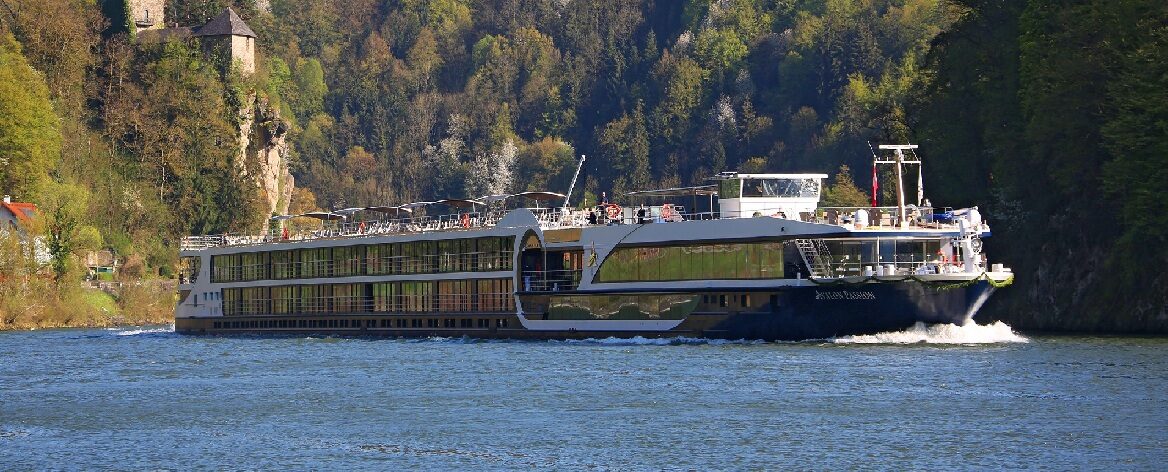
| 27 November | 5 nights | One-way from Budapest to Vienna |
450-628-6241
Call us
|
| 27 November | 5 days | One-way from Budapest to Vienna |
450-628-6241
Call us
|
| 16 October | 14 days | One-way from Amsterdam to Budapest |
450-628-6241
Call us
|
| 16 October | 14 nights | One-way from Amsterdam to Budapest |
450-628-6241
Call us
|
Avalon Tranquility II®
21 Cruises
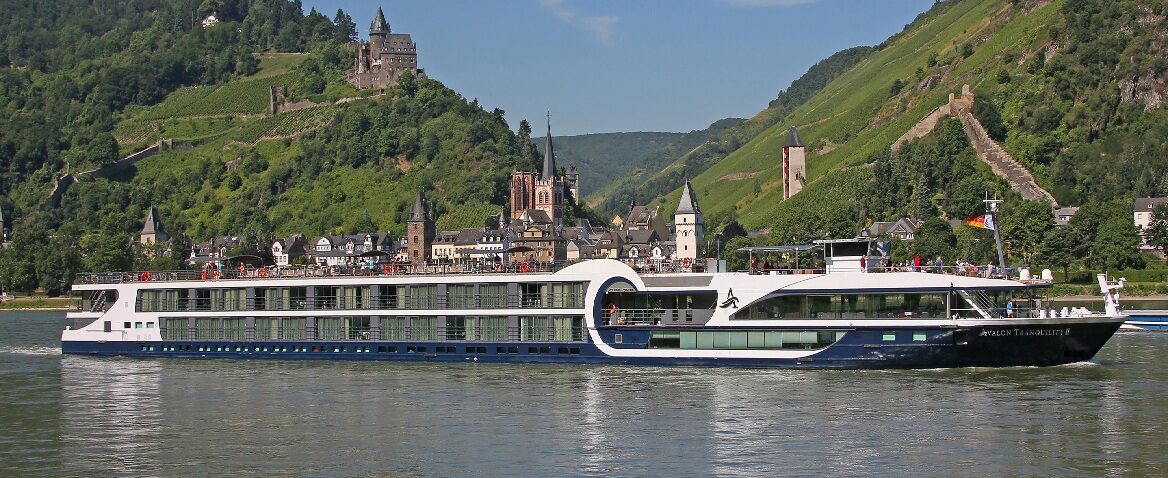
Avalon Visionary®
88 Cruises
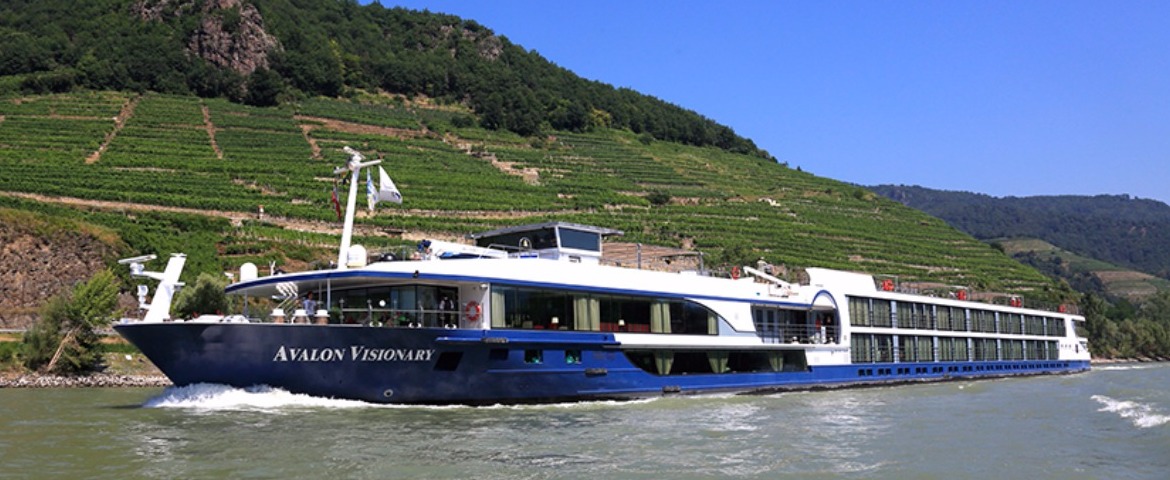
Avalon VistaSM
15 Cruises
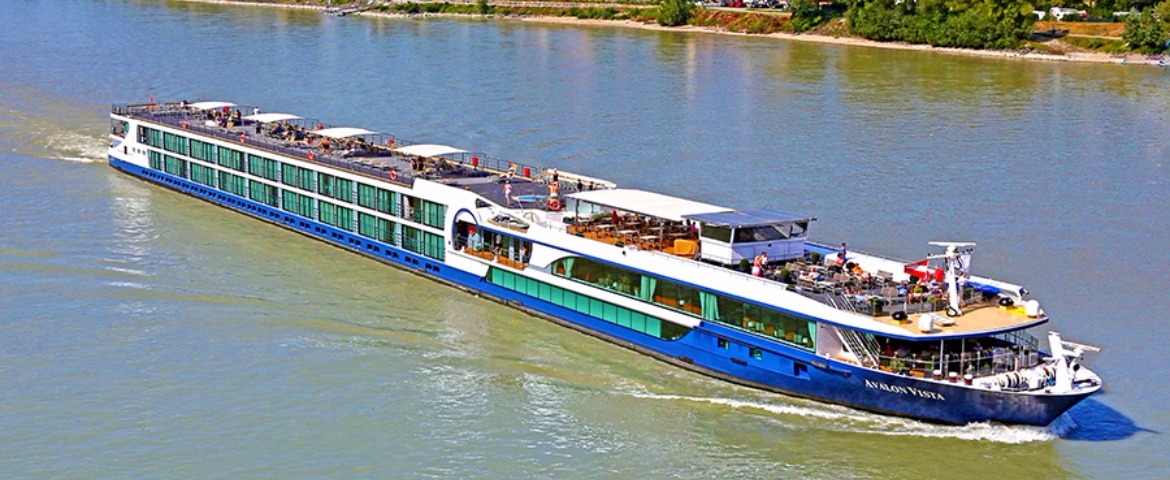
CroisiEurope (108 Cruises)
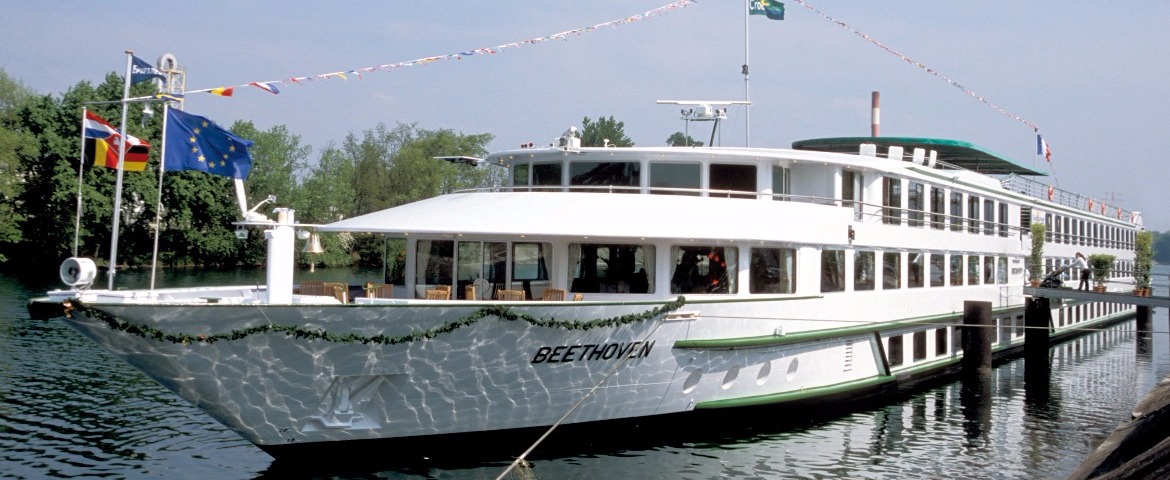
MS Beethoven
41 Cruises

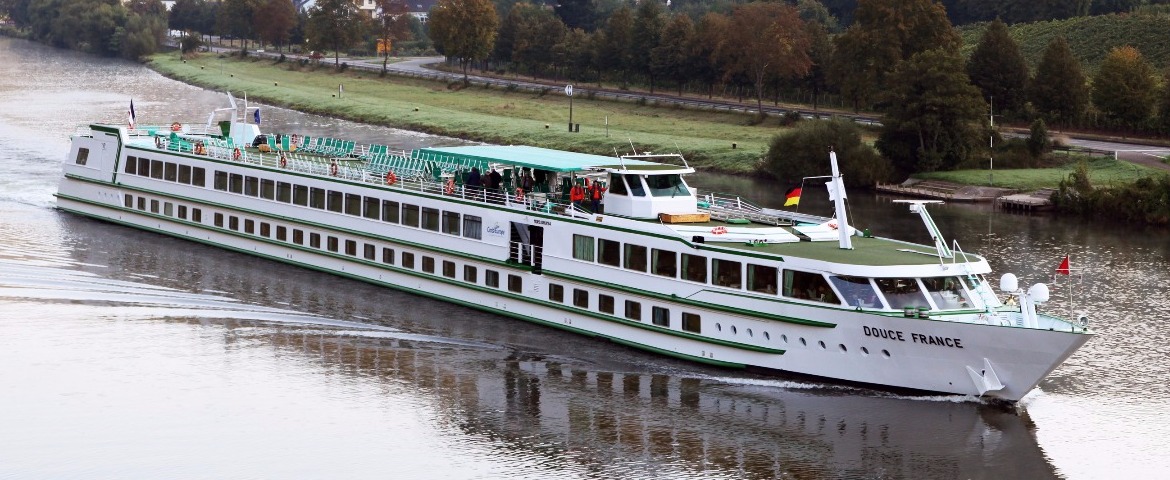
MS Douce France
19 Cruises
| 12 May | 5 nights | One-way from Budapest to Passau |
450-628-6241
Call us
|
| 22 May | 5 nights | One-way from Budapest to Passau |
450-628-6241
Call us
|
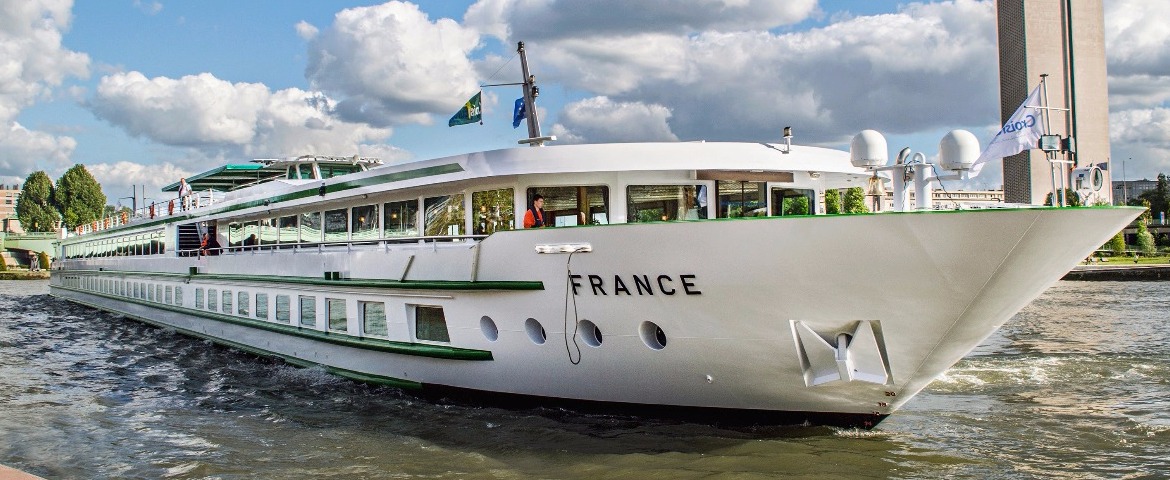
MS France
21 Cruises
MS L'Europe
1 Cruises
 Image not available
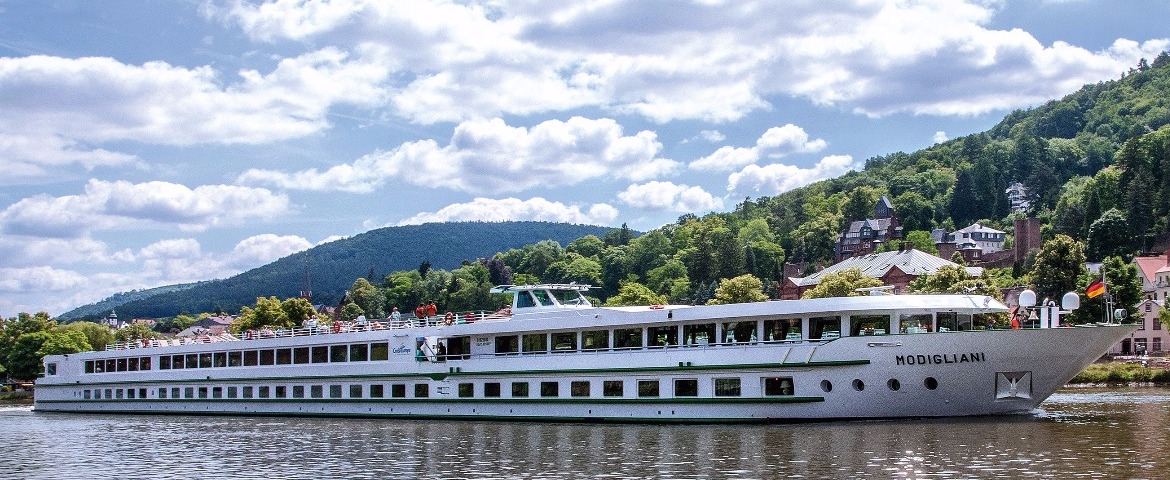
MS Modigliani
24 Cruises
| 13 May | 12 days | One-way from Kehl-Strasbourg to Budapest |
450-628-6241
Call us
|
| 13 May | 13 days | One-way from Kehl-Strasbourg to Budapest |
450-628-6241
Call us
|
| 13 June | 12 nights | One-way from Kehl-Strasbourg to Budapest |
450-628-6241
Call us
|
| 13 June | 12 days | One-way from Kehl-Strasbourg to Budapest |
450-628-6241
Call us
|
| 16 September | 12 days | One-way from Kehl-Strasbourg to Budapest |
450-628-6241
Call us
|
| 16 September | 12 nights | One-way from Kehl-Strasbourg to Budapest |
450-628-6241
Call us
|
Emerald Waterways (389 Cruises)
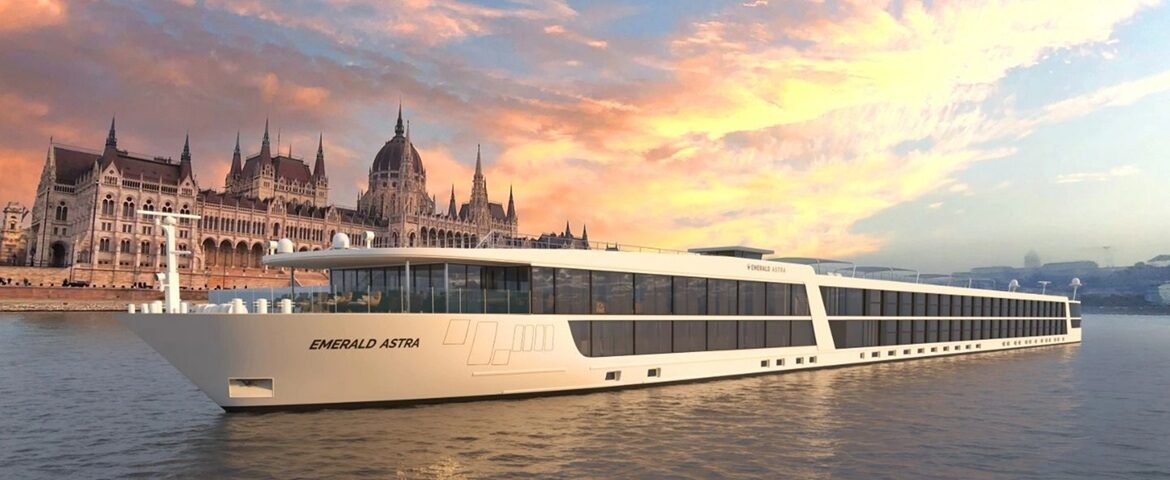
Emerald Astra
32 Cruises

| 24 April | 14 nights | One-way from Amsterdam to Budapest |
450-628-6241
Call us
|
| 25 April | 12 days | One-way from Amsterdam to Budapest |
450-628-6241
Call us
|
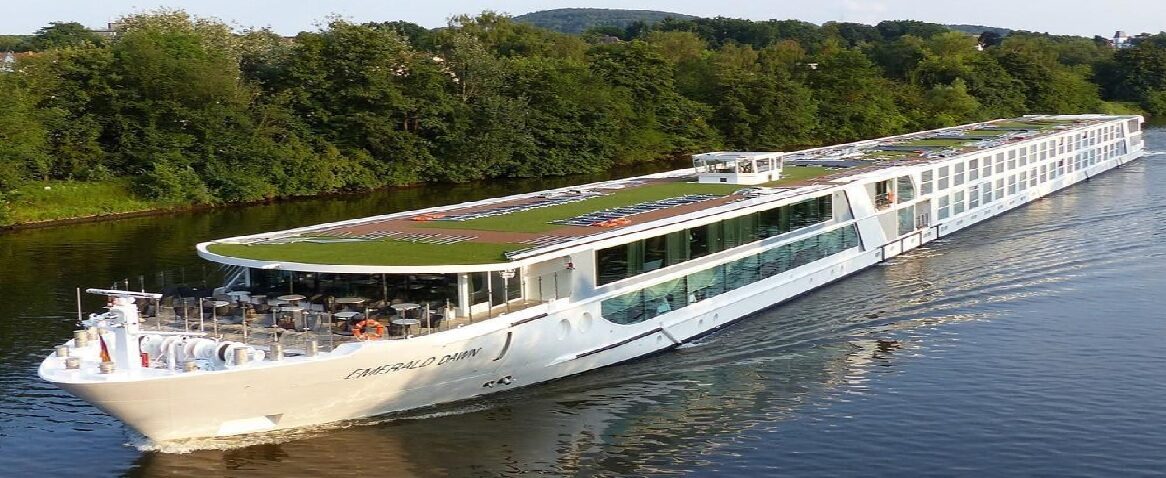
Emerald Dawn
93 Cruises
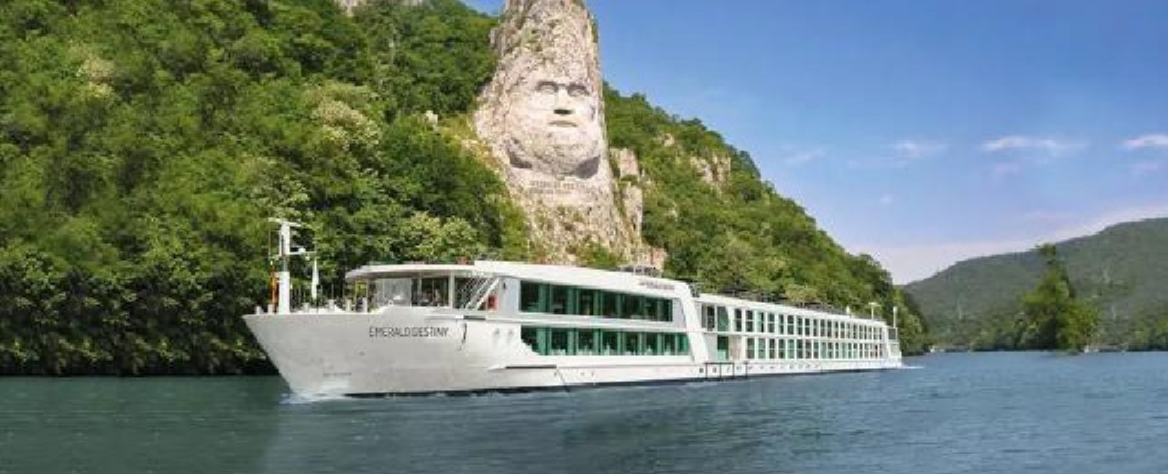
Emerald Destiny
12 Cruises
| 20 October | 14 nights | One-way from Amsterdam to Budapest |
450-628-6241
Call us
|
| 20 October | 14 days | One-way from Amsterdam to Budapest |
450-628-6241
Call us
|
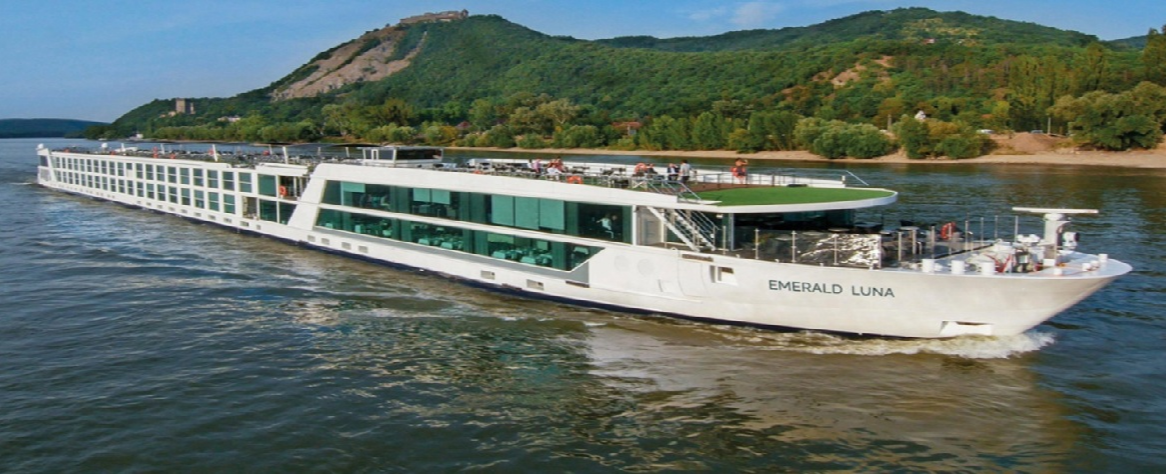
Emerald Luna
53 Cruises
| 30 October | 14 days | One-way from Amsterdam to Budapest |
450-628-6241
Call us
|
| 30 October | 14 nights | One-way from Amsterdam to Budapest |
450-628-6241
Call us
|
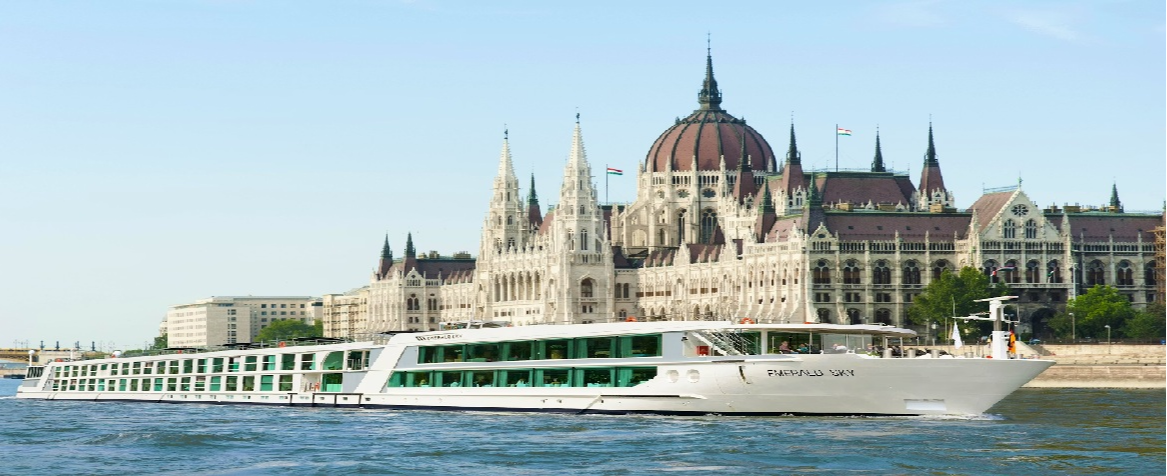
Emerald Sky
60 Cruises
| 22 February | 14 days | One-way from Budapest to Amsterdam |
450-628-6241
Call us
|
| 22 February | 14 nights | One-way from Budapest to Amsterdam |
450-628-6241
Call us
|
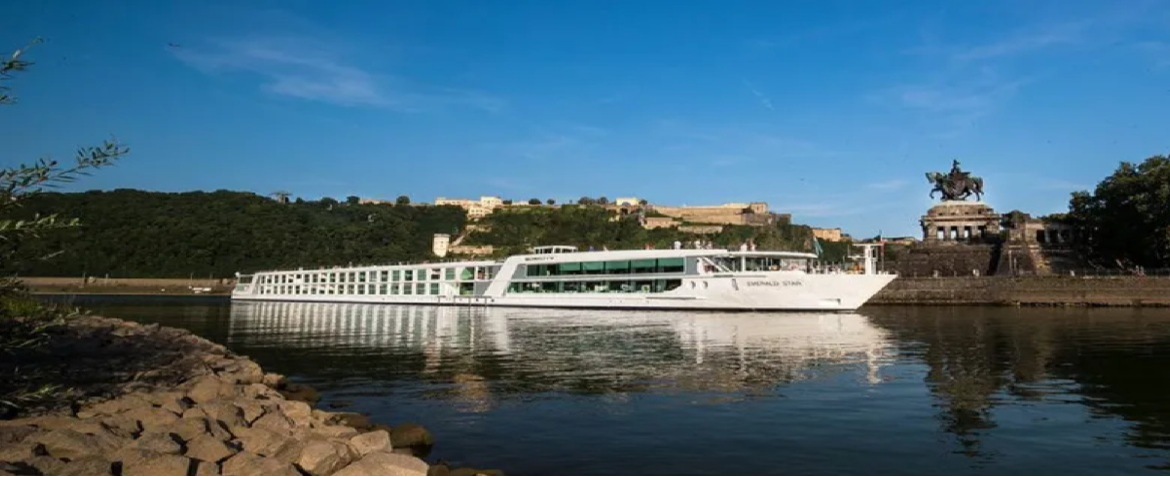
Emerald Star
97 Cruises
| 20 February | 14 nights | One-way from Amsterdam to Budapest |
450-628-6241
Call us
|
| 20 February | 14 days | One-way from Amsterdam to Budapest |
450-628-6241
Call us
|
| 13 November | 14 days | One-way from Amsterdam to Budapest |
450-628-6241
Call us
|
| 13 November | 14 nights | One-way from Amsterdam to Budapest |
450-628-6241
Call us
|
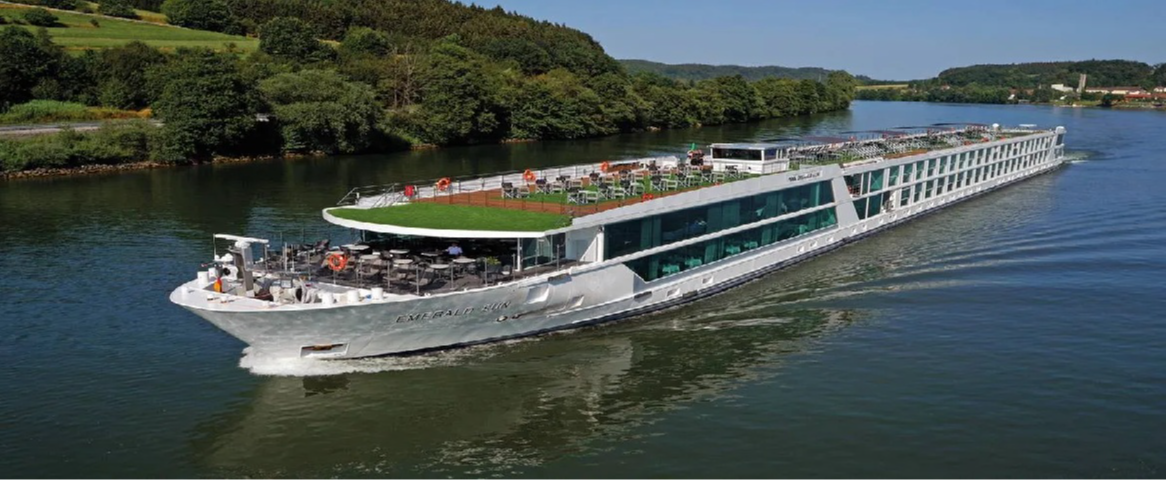
Emerald Sun
42 Cruises
Riviera Travel (42 Cruises)
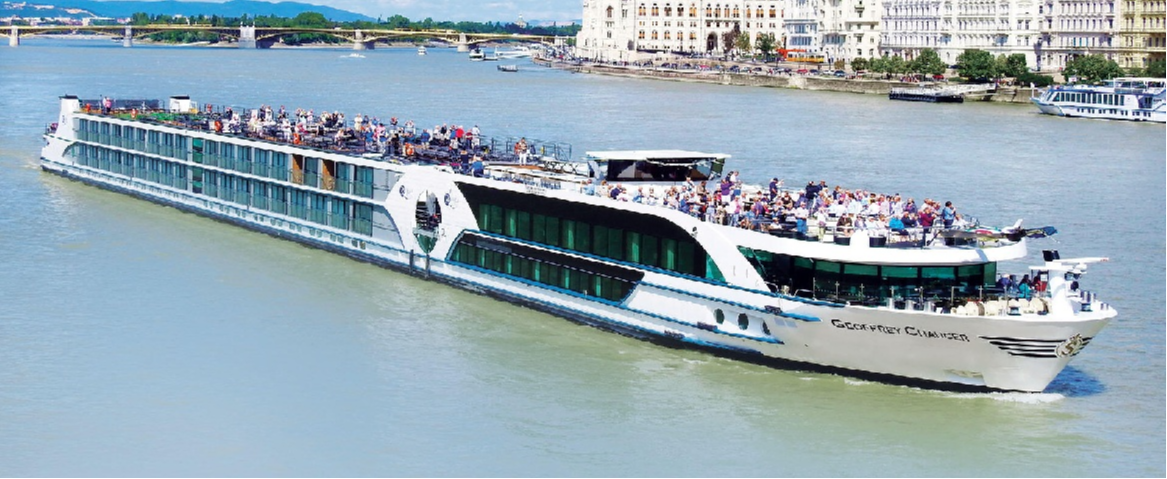

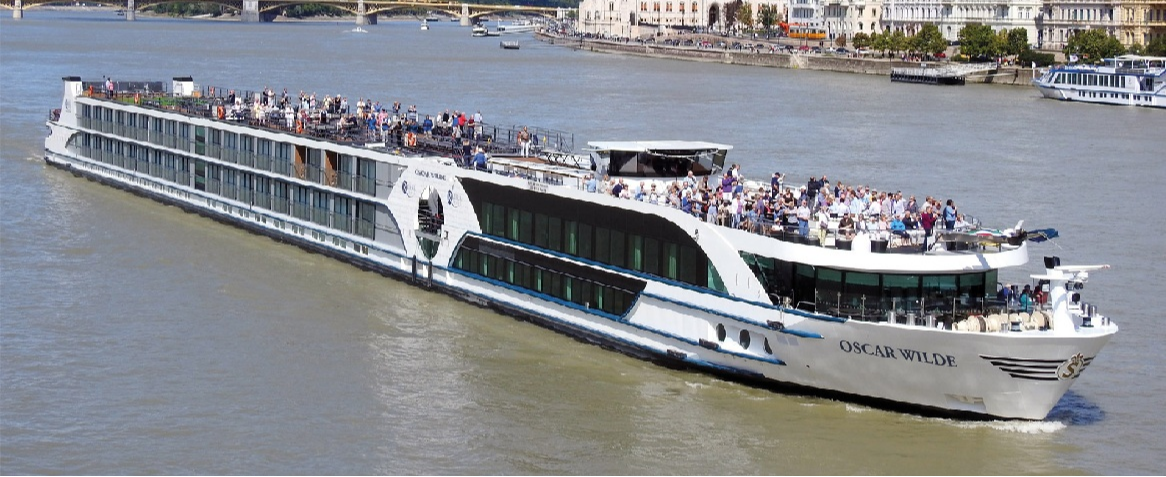
MS George Eliot
8 Cruises
| 2 June | 14 days | One-way from Cologne to Budapest |
450-628-6241
Call us
|
| 2 June | 14 nights | One-way from Cologne to Budapest |
450-628-6241
Call us
|
| 18 August | 14 days | One-way from Budapest to Koblenz |
450-628-6241
Call us
|
| 18 August | 14 nights | One-way from Budapest to Koblenz |
450-628-6241
Call us
|
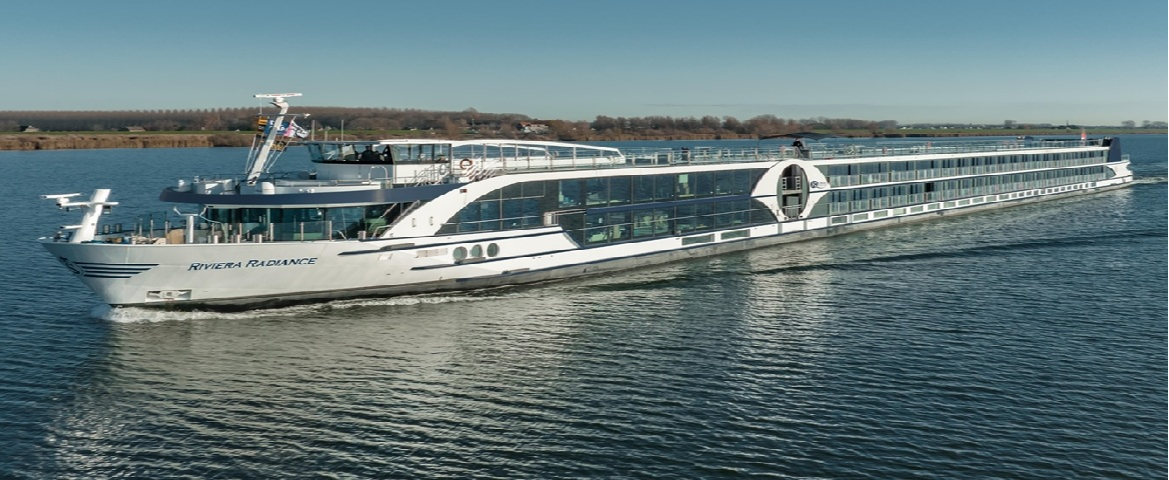
MS Riviera Radiance
8 Cruises
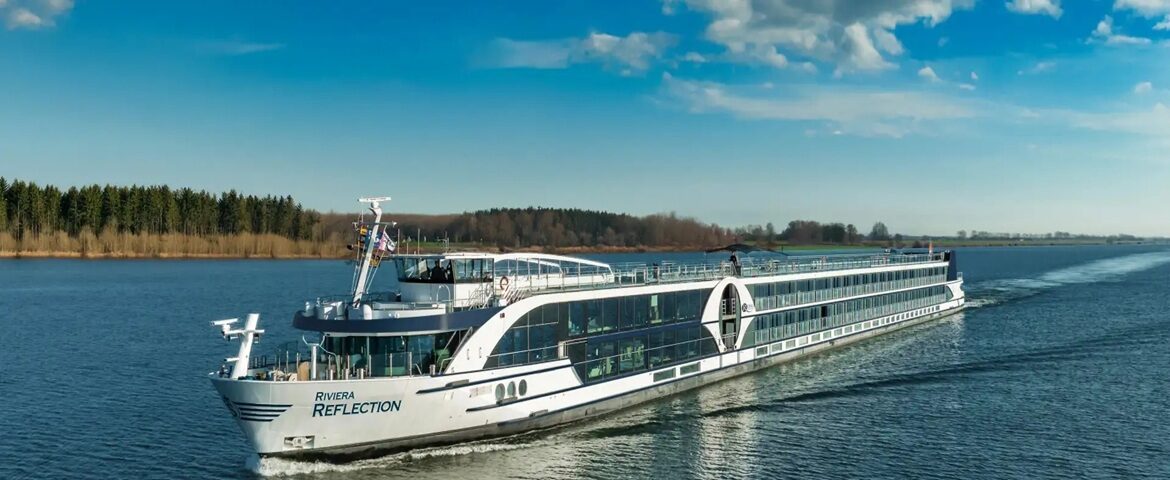
MS Riviera Reflection
12 Cruises
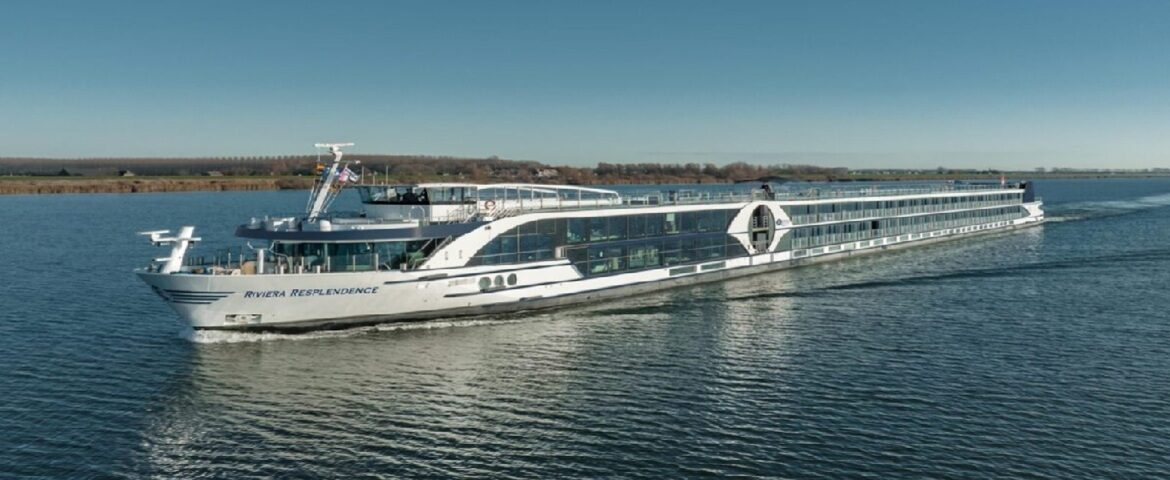
MS Riviera Resplendence
8 Cruises
| 12 May | 14 days | One-way from Cologne to Budapest |
450-628-6241
Call us
|
| 12 May | 14 nights | One-way from Cologne to Budapest |
450-628-6241
Call us
|
| 2 June | 14 days | One-way from Budapest to Koblenz |
450-628-6241
Call us
|
| 2 June | 14 nights | One-way from Budapest to Koblenz |
450-628-6241
Call us
|
Scenic Cruises (342 Cruises)
Scenic Amber
153 Cruises


| 27 September | 10 nights | One-way from Budapest to Prague |
450-628-6241
Call us
|
| 27 September | 7 nights | One-way from Budapest to Nuremberg |
450-628-6241
Call us
|
Scenic Crystal
60 Cruises

Scenic Jade
22 Cruises

Scenic Jasper
50 Cruises

| 29 June | 10 nights | One-way from Budapest to Prague |
450-628-6241
Call us
|
| 29 June | 7 nights | One-way from Budapest to Nuremberg |
450-628-6241
Call us
|
Scenic Jewel
8 Cruises

Scenic Opal
39 Cruises

Scenic Pearl
10 Cruises

Tauck Cruises (41 Cruises)
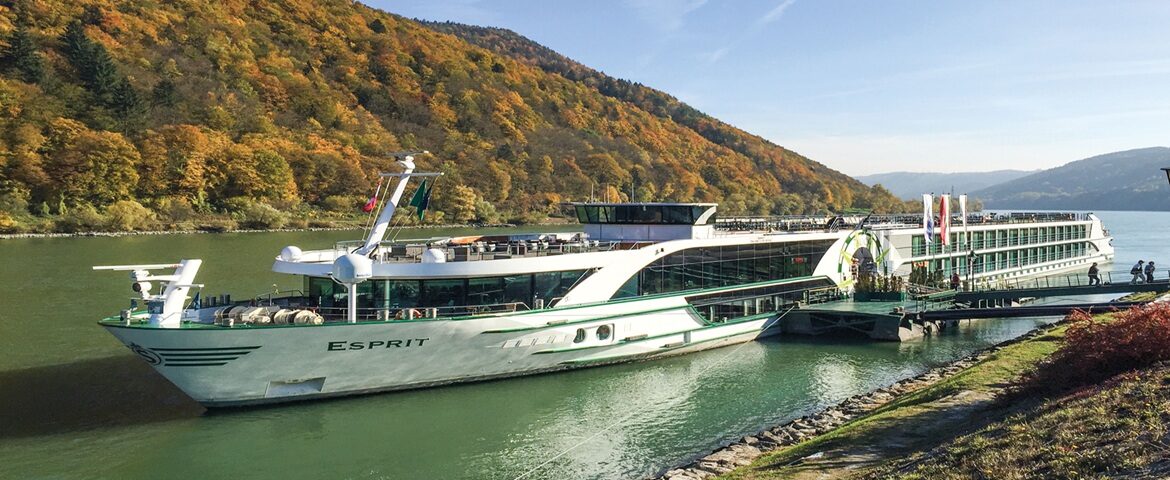
MS esprit
7 Cruises

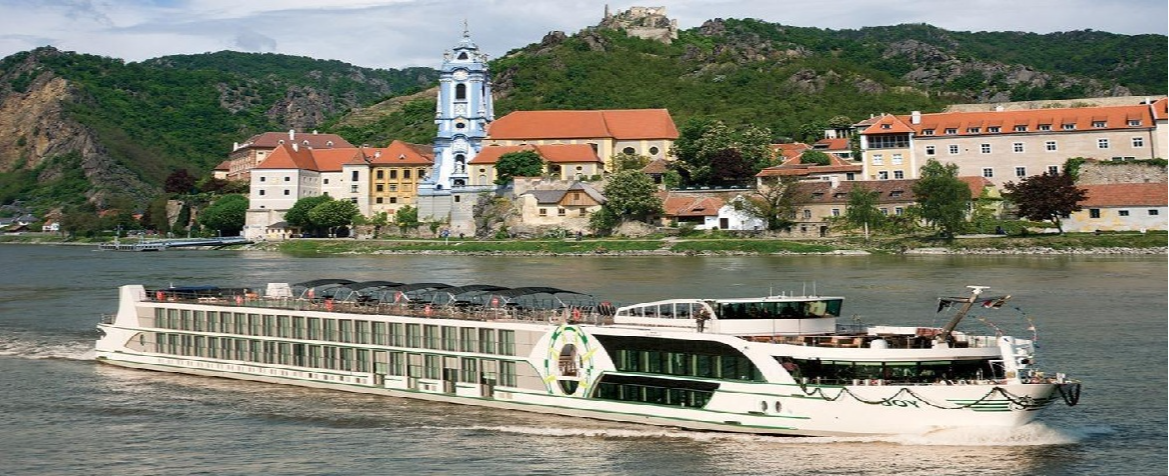
ms Joy
20 Cruises
| 10 May | 14 nights | One-way from Amsterdam to Budapest |
450-628-6241
Call us
|
| 11 May | 12 days | One-way from Amsterdam to Budapest |
450-628-6241
Call us
|
| 29 October | 5 nights | One-way from Budapest to Vienna |
450-628-6241
Call us
|
| 29 October | 4 days | One-way from Budapest to Vienna |
450-628-6241
Call us
|
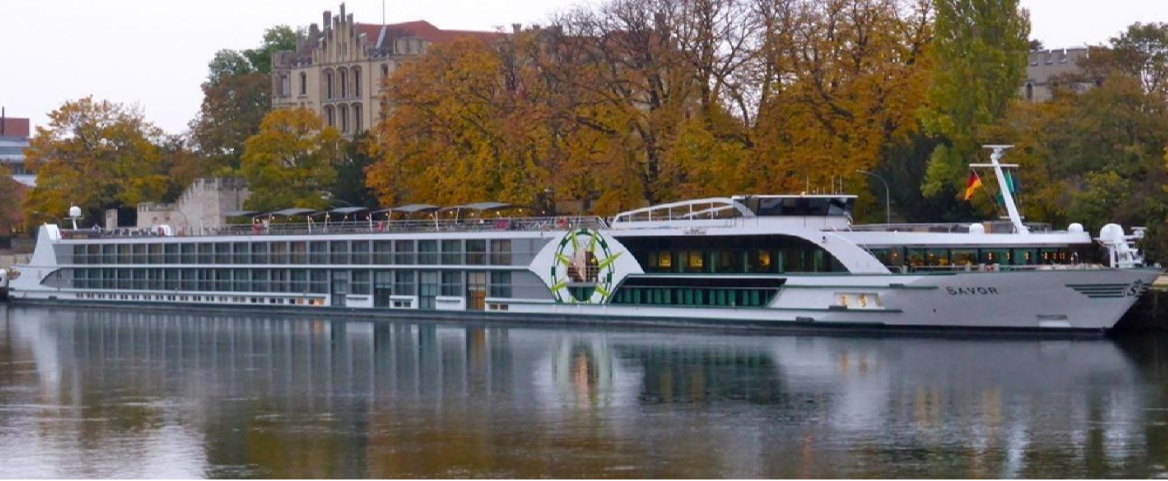
ms Savor
14 Cruises
Uniworld Boutique River Cruise (425 Cruises)
River Beatrice
159 Cruises


S.S Marlene
27 Cruises
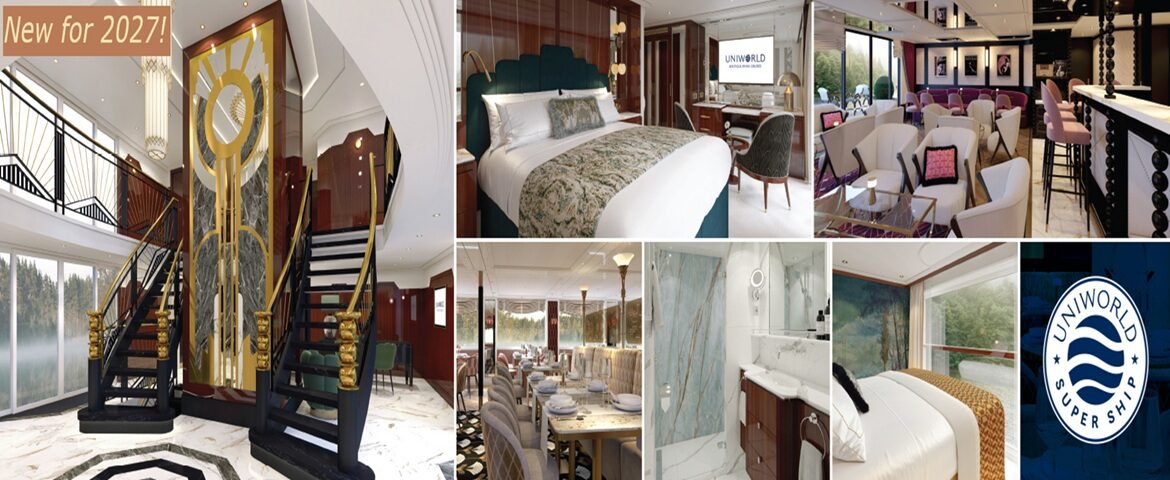
S.S. Beatrice
159 Cruises
S.S. Maria Theresa
80 Cruises

| 21 March | 7 nights | One-way from Passau to Budapest |
450-628-6241
Call us
|
| 28 March | 7 nights | One-way from Budapest to Passau |
450-628-6241
Call us
|
| 19 March | 7 nights | One-way from Budapest to Passau |
450-628-6241
Call us
|
| 26 March | 7 nights | One-way from Passau to Budapest |
450-628-6241
Call us
|
Viking River Cruises (272 Cruises)
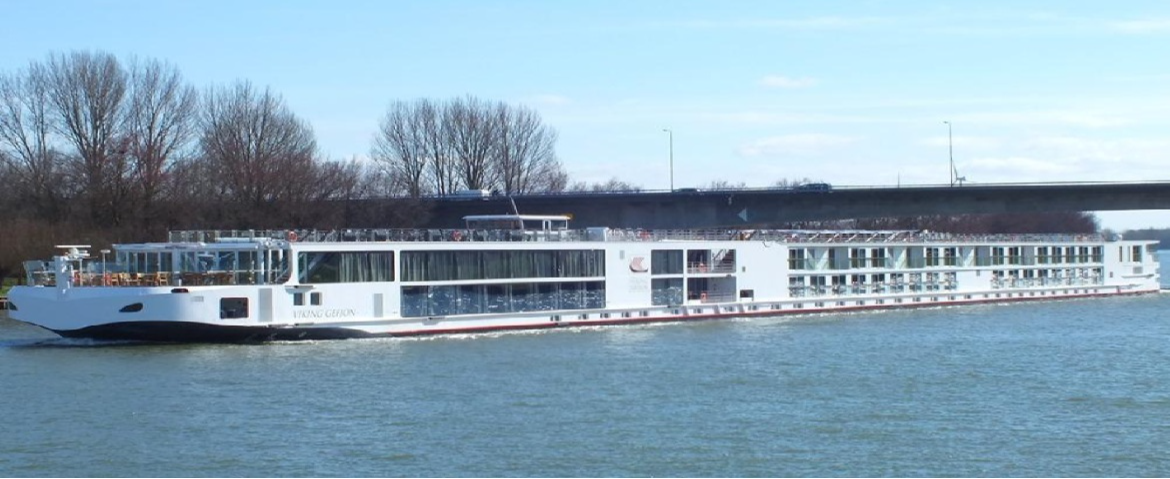
Viking Longship Gefjon
42 Cruises

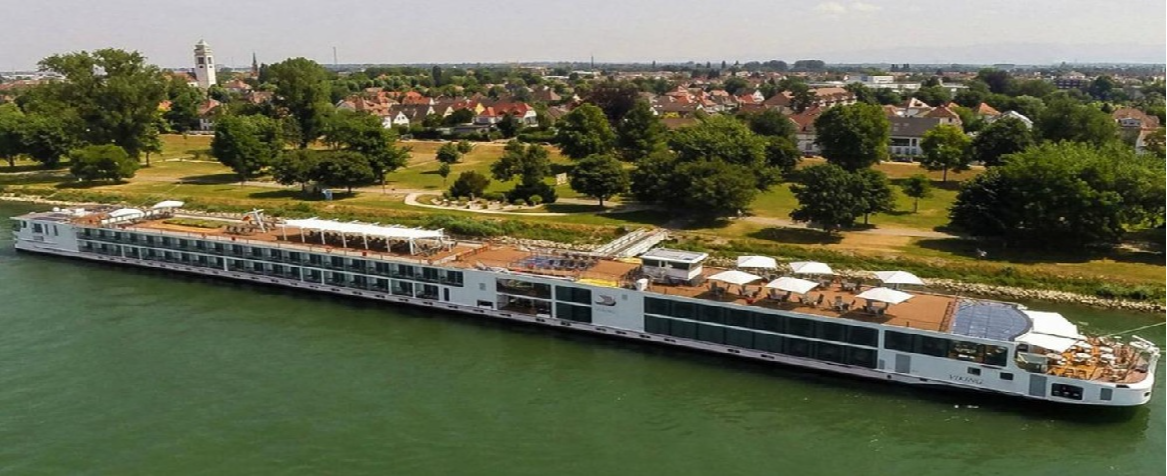
Viking Longships Baldur
22 Cruises
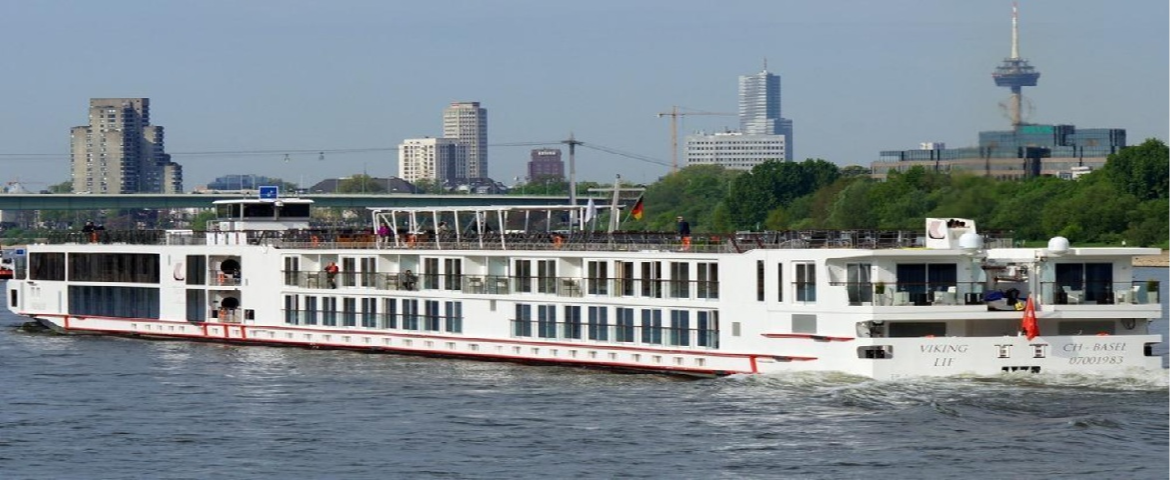
Viking Longships Lif
36 Cruises
| 14 June | 14 nights | One-way from Budapest to Amsterdam |
450-628-6241
Call us
|
| 28 June | 14 nights | One-way from Amsterdam to Budapest |
450-628-6241
Call us
|
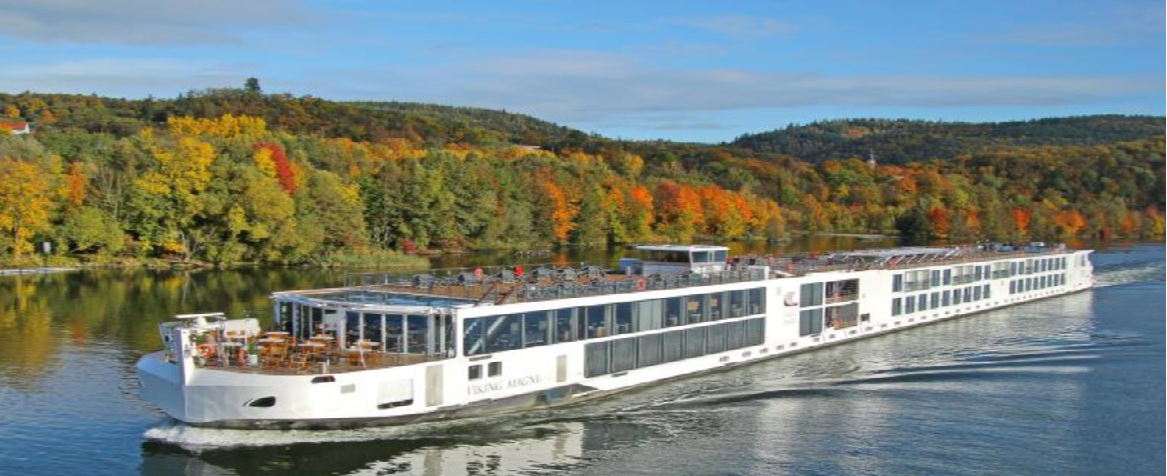
Viking Longships Magni
25 Cruises
| 25 April | 14 nights | One-way from Amsterdam to Budapest |
450-628-6241
Call us
|
| 25 April | 14 days | One-way from Amsterdam to Budapest |
450-628-6241
Call us
|
Viking Longships Mimir
39 Cruises
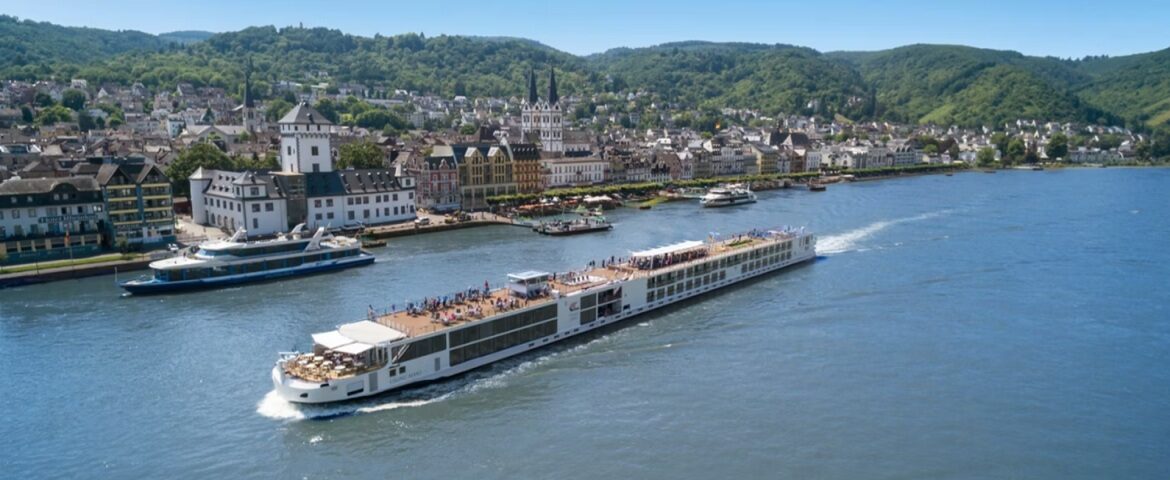
| 23 April | 14 nights | One-way from Amsterdam to Budapest |
450-628-6241
Call us
|
| 23 April | 14 days | One-way from Amsterdam to Budapest |
450-628-6241
Call us
|
| 14 July | 14 nights | One-way from Amsterdam to Budapest |
450-628-6241
Call us
|
| 28 July | 14 nights | One-way from Budapest to Amsterdam |
450-628-6241
Call us
|
| 11 August | 14 nights | One-way from Amsterdam to Budapest |
450-628-6241
Call us
|
| 25 August | 14 nights | One-way from Budapest to Amsterdam |
450-628-6241
Call us
|
| 8 September | 14 nights | One-way from Amsterdam to Budapest |
450-628-6241
Call us
|
| 22 September | 14 nights | One-way from Budapest to Amsterdam |
450-628-6241
Call us
|
Viking Longships Ve
41 Cruises
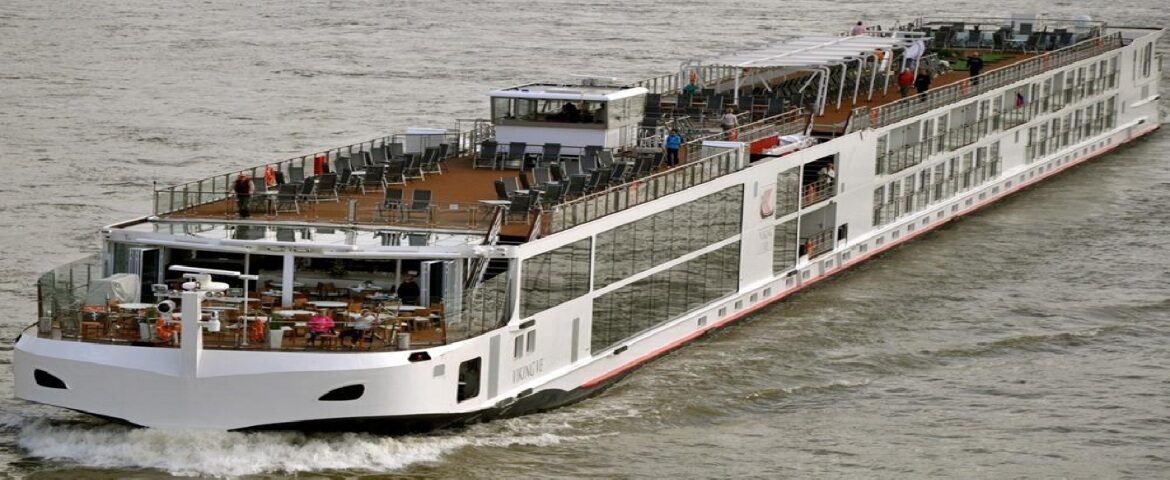
| 18 May | 14 days | One-way from Amsterdam to Budapest |
450-628-6241
Call us
|
| 18 May | 14 nights | One-way from Amsterdam to Budapest |
450-628-6241
Call us
|
Viking Longships Vidar
26 Cruises
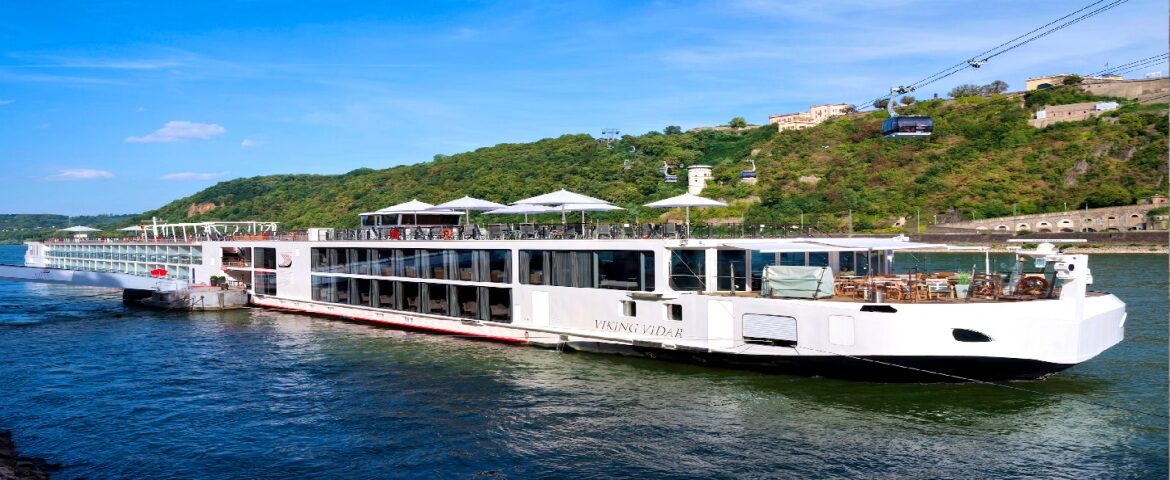
| 18 August | 21 nights | One-way from Bucharest to Amsterdam |
450-628-6241
Call us
|
| 25 August | 14 nights | One-way from Budapest to Amsterdam |
450-628-6241
Call us
|
Viking Longships Vili
41 Cruises
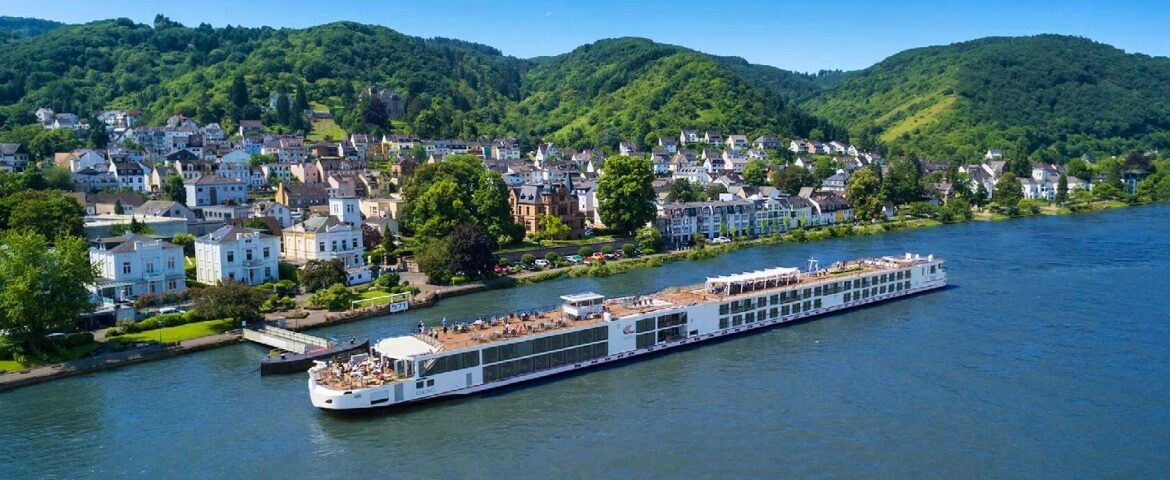
| 14 July | 14 nights | One-way from Budapest to Amsterdam |
450-628-6241
Call us
|
| 28 July | 14 nights | One-way from Amsterdam to Budapest |
450-628-6241
Call us
|
| 11 August | 14 nights | One-way from Budapest to Amsterdam |
450-628-6241
Call us
|
| 25 August | 14 nights | One-way from Amsterdam to Budapest |
450-628-6241
Call us
|
| 8 September | 14 nights | One-way from Budapest to Amsterdam |
450-628-6241
Call us
|
| 22 September | 14 nights | One-way from Amsterdam to Budapest |
450-628-6241
Call us
|

Port of Melk, Austria | Cruise Port Guide
Frequently Asked Questions
A few minutes' walk from the centre. The whole call happens at walking pace: no shuttle is needed.
On foot, about fifteen minutes at an easy pace on a gentle slope. Melk had a charming idea for guiding visitors: coloured glass tiles set into the pavement. Blue ones lead from the landing stage to the fountain on the main square, yellow ones take over toward the abbey.
Three unforgettable spaces: the Marble Hall, whose trompe-l'oeil ceiling opens an imaginary sky; the library, with tens of thousands of old volumes under gilded woodwork; and the abbey church, an outpouring of gold, frescoes and stucco. Between them, a balcony terrace juts out above the Danube.
It dates to 1089, when Margrave Leopold II handed his castle to Benedictine monks. They never left. The present building is a Baroque masterpiece raised in the early 18th century by the architect Jakob Prandtauer.
There is often an hour left, and it is easily filled: coffee on a terrace on the square, some shopping (apricot jam, valley wines, gingerbread), or simply a bench by the water watching the Danube cycle path go by.
Apricot strudel. The Wachau is Austria's orchard and its Marillen are the pride of every kitchen; the village pastry shops make them their speciality.
The euro and German. The abbey draws large numbers of visitors, so cards are accepted everywhere, including at the monastery shop.
No, the slope is gentle and the walk takes about fifteen minutes from the quay. The tour of the state rooms does involve stairs, which matters for travellers with reduced mobility.
Reasonably. The coloured tiles in the pavement amuse children and the abbey gardens, with their pavilion of exotic frescoes, provide a breather. The tour of the state rooms does test younger children's patience.
Many cruises follow Melk with an afternoon sailing through the Wachau. The best seat is then the upper deck, port side then starboard, to salute Dürnstein and its hilltop ruins.


