Santos Sao Paulo, Brazil

323 Cruises availables At departure or passage at this port

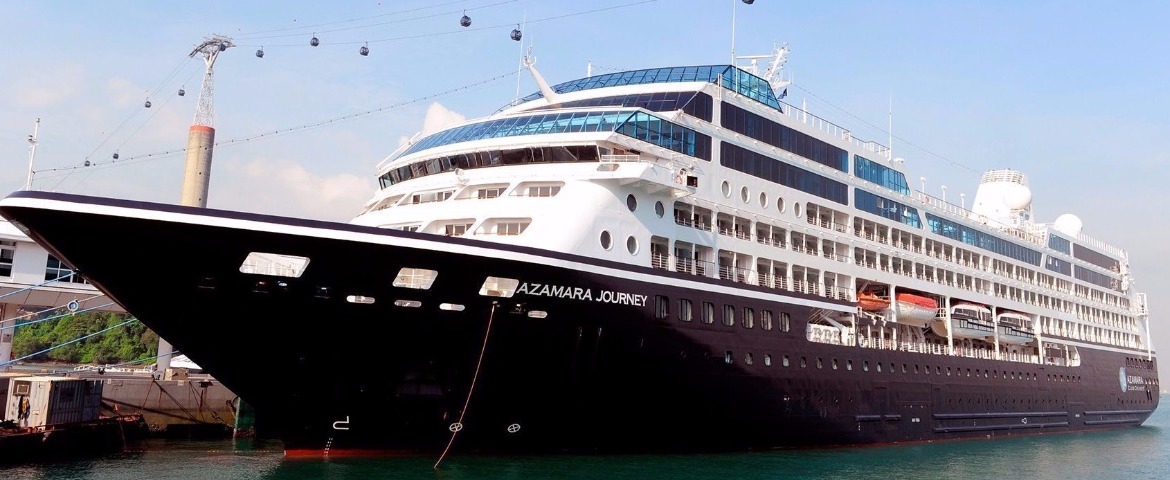
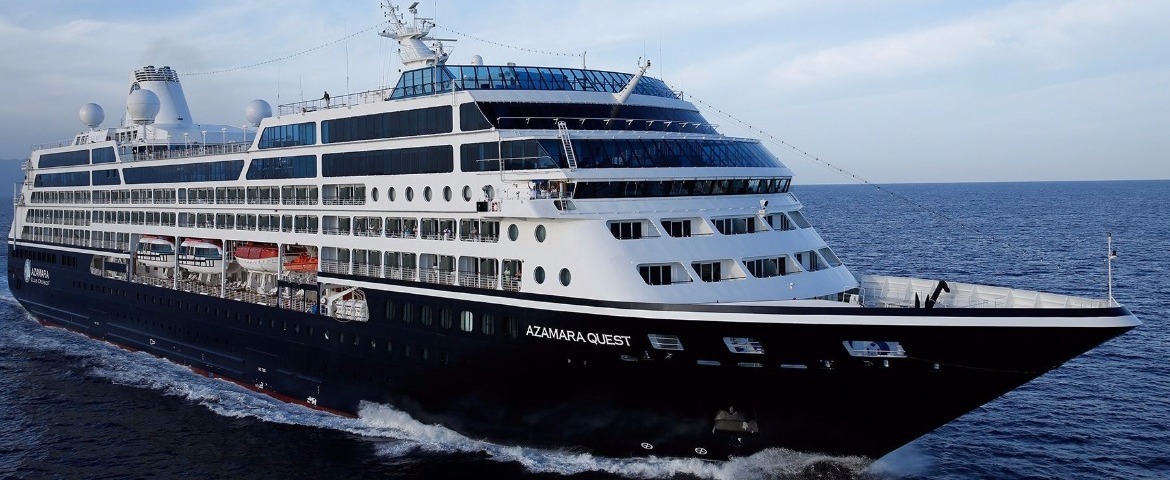
Azamara Club Cruises (21 Cruises)

Costa Cruises (92 Cruises)

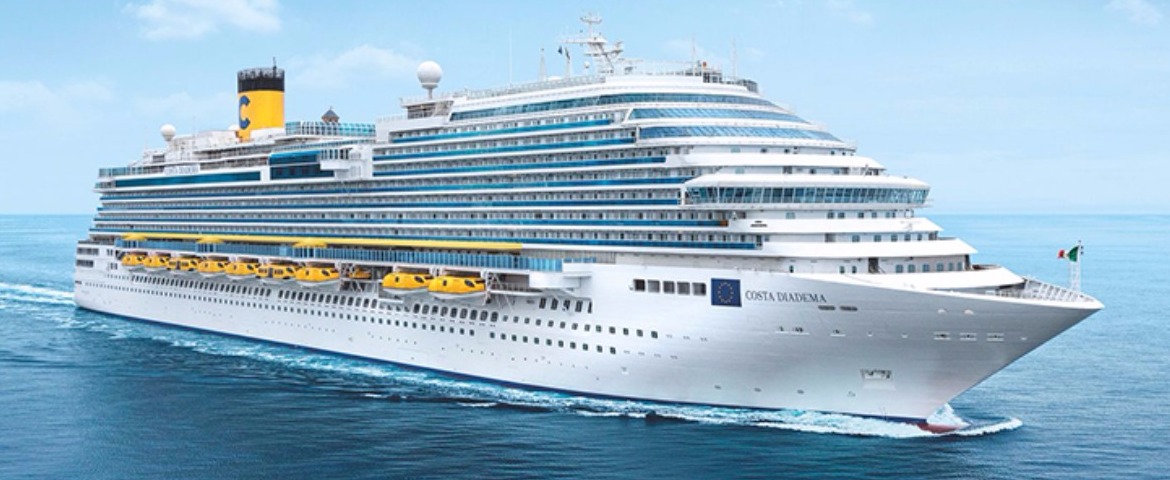
Cruise COS Costa Cruises Diadema ship

Costa Diadema

4962 Passengers
132500 tons
Visit the ship's page

MSC Cruises (188 Cruises)

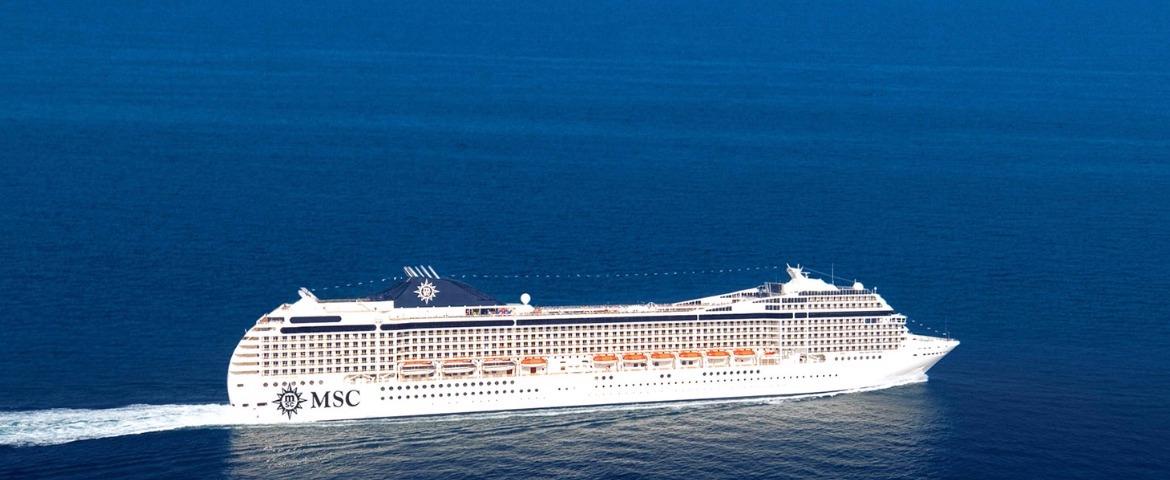
msc divina cruise ship

MSC Divina

4345 Passengers
139072 tons
Visit the ship's page
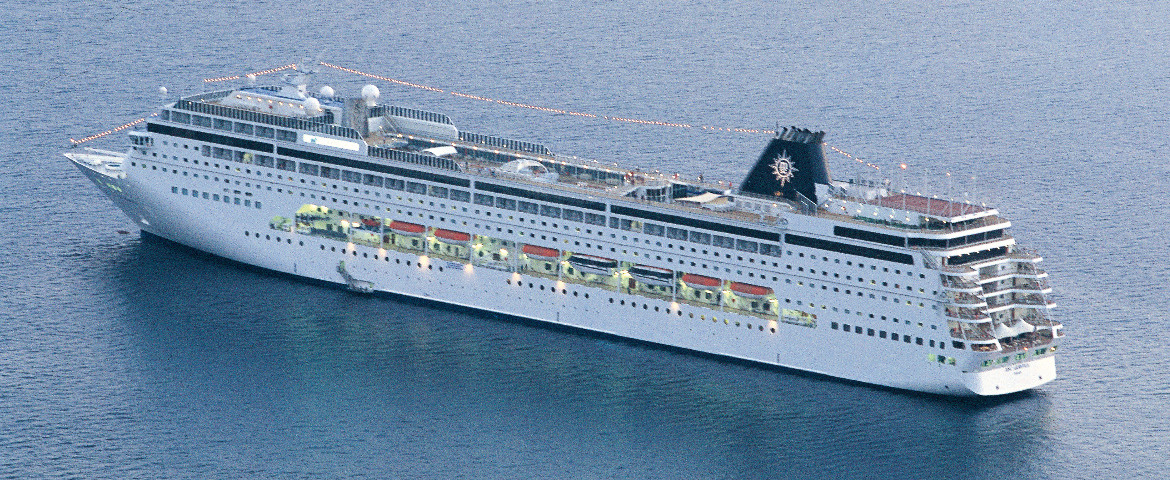
msc musica cruise ship

MSC Musica

3223 Passengers
92409 tons
Visit the ship's page
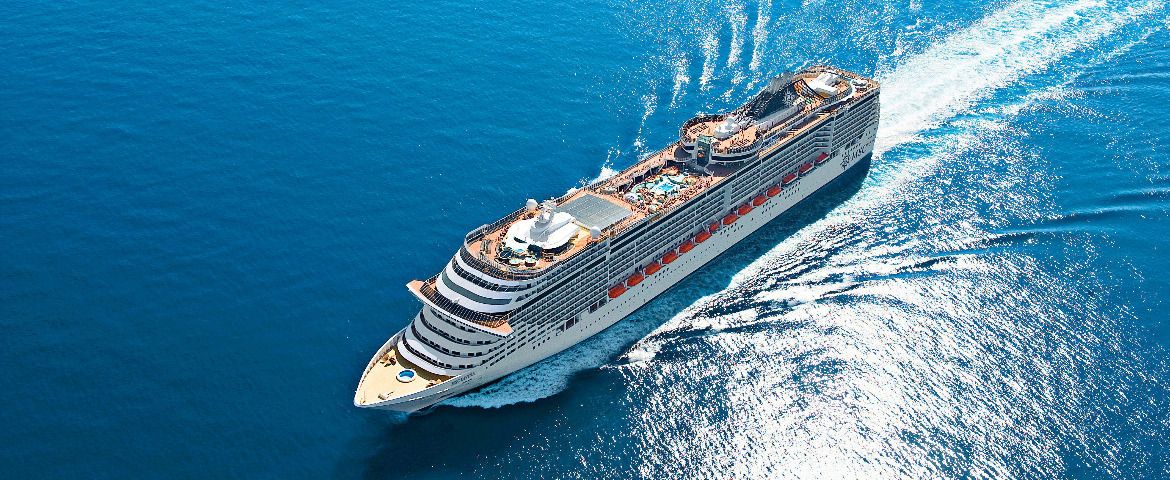
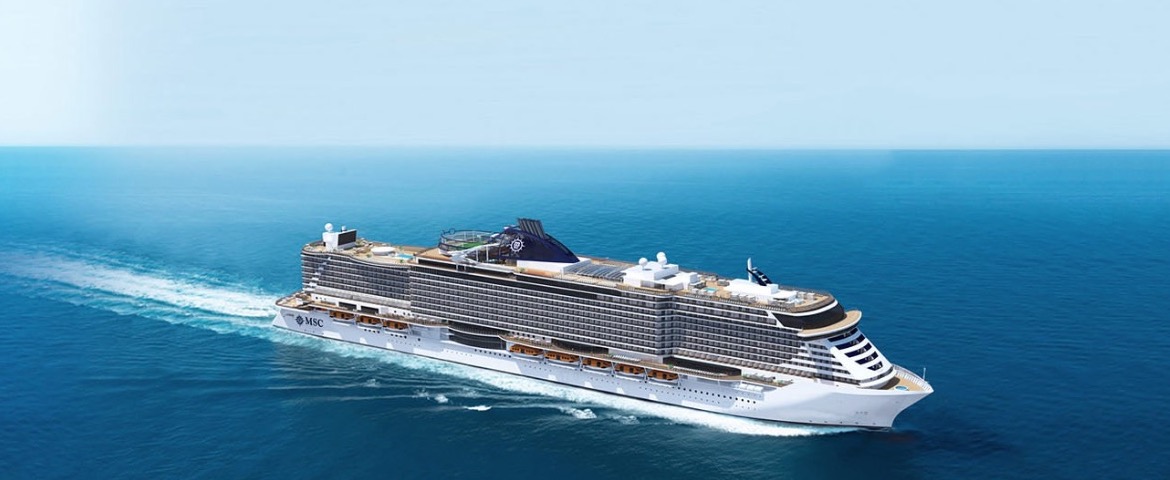
MSC Cruises Seaview Ship

MSC Seaview

5179 Passengers
154000 tons
Visit the ship's page
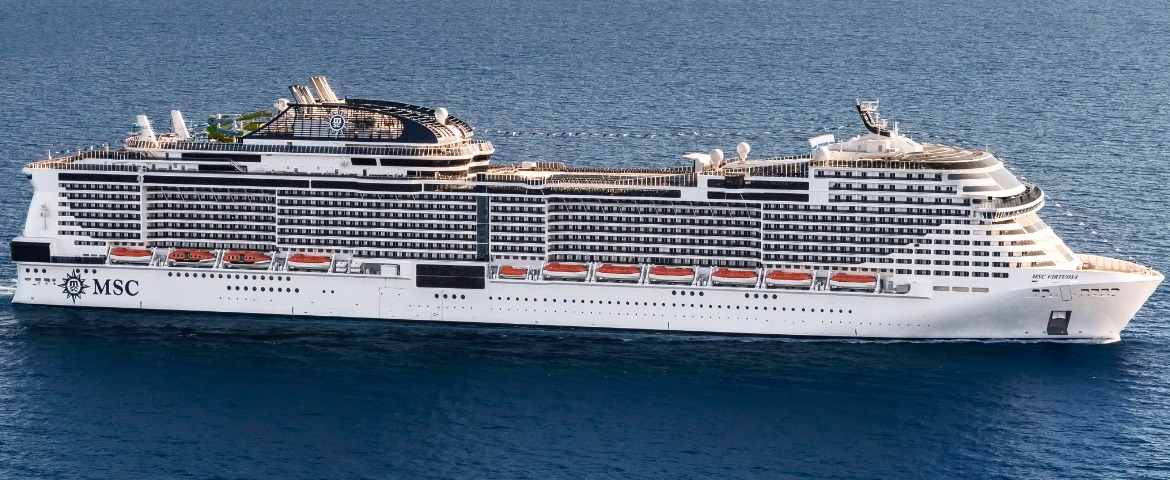
Cruise MSC Virtuosa ship

MSC Virtuosa

6334 Passengers
181000 tons
Visit the ship's page

Santos, Brazil | Cruise Port Guide

Sacks of coffee built this city. For more than a century, the harvests from the plateaus of the state of São Paulo came down to the docks of Santos before leaving for the whole world, and that prosperity can still be read on the façades of the old centre. Today, cruise ships dock at the Concais terminal, in the heart of one of the largest port complexes in South America: cranes, silos and container ships make up the first backdrop, before the city reveals its gentler face.

Getting your bearings from the terminal

The historic centre is about three kilometres from the landing; taxis and ride-hailing cars wait at the exit, and some cruise lines offer shuttles. Here are useful landmarks for planning the day:

DestinationApproximate distance
Historic centre3 km
Coffee Museum4.5 km
Gonzaga beach and district6 km

Old Santos and its tram

In the old quarter, a vintage tram runs between neoclassical buildings erected when sugar, then coffee, dictated local fortunes. It passes the former city hall, shaded squares and the Pantheon of independence heroes. The highlight of the walk remains the official Coffee Exchange: beneath its ornate ceilings, brokers once set the price of Brazilian beans. The building now houses a museum tracing this saga, and its counter serves freshly roasted coffees, the perfect break midway through your visit.

Monte Serrat, the balcony over the bay

A few streets away, a funicular climbs to the summit of Monte Serrat. From the top, the view takes in the immense port area on one side and, on the other, the curve of the beaches and the residential towers of the coast. It's the best place to understand the geography of this urbanized island wedged between sea and mountains, and to grasp the scale of the maritime traffic that keeps the region alive. On a clear day, the view stretches to the hills that close off the estuary, and you can make out the line of ships waiting their turn at anchor.

The world's longest beachfront garden

Facing the ocean, the city lines up 5.3 kilometres of continuous gardens between the promenade and the sand, a flower-filled strip listed in the Guinness World Records. Locals jog, cycle and meet up there at the end of the day. The Gonzaga area concentrates restaurants and shops steps from the beach; you can enjoy an ice-cold sugar cane juice while watching the cargo ships wait offshore. Soccer fans will head for Urbano Caldeira Stadium and the museum devoted to Pelé, the Santos FC star whose career left its mark on sporting history.

A port that's busy year-round

As a major embarkation point for South American cruises, the terminal sees ships come and go in every season, and it shows: services run smoothly, drivers know the classic routes and downtown shops accept cards without batting an eye. Passengers in transit often cross paths with Brazilian families setting off on their own voyage, suitcases overflowing and children overexcited. This mix gives the port call a particular energy, that of a place where the journey never really stops.

Before going back on board

A working city rather than a resort, Santos doesn't create a backdrop for visitors: it simply goes on loading its ships as it has for generations, and leaves each visitor to plan their own itinerary between coffee heritage, panoramas and waterfront. Heading back to the terminal, you think again of those ceilings at the Exchange beneath which the beans that still fill so many cups were traded. Few port calls link a steaming cup so directly to the history of a continent.

Frequently Asked Questions

At the Concais terminal, in the middle of one of South America's largest port complexes. Cranes, silos and container ships form the first impression before the city shows its gentler side.
About three kilometres. Taxis and ride-hailing cars wait at the exit, and some lines offer shuttles. Walking is not a reasonable option from the berth.
Old Santos and the Monte Serrat funicular make a coherent half-day route, with the official Coffee Exchange as the highlight. The seafront and Gonzaga are better kept for a longer call.
The building where brokers once set the price of Brazilian coffee, under ornate ceilings. It now houses a museum tracing that history, and its counter serves freshly roasted single origins: a well-placed break mid-route.
A view taking in the vast port zone on one side and the curve of the beaches and coastal towers on the other. A funicular climbs there from the old quarter. On a clear day you can pick out the line of ships waiting their turn at anchor.
The 5.3 kilometres of continuous gardens Santos lays out between the promenade and the sand, listed in the Guinness World Records. Locals run, cycle and gather there at day's end.
Yes. The Urbano Caldeira stadium and the museum devoted to Pelé are in town: he spent his career at Santos FC, and the site draws football fans and those curious about Brazilian history alike.
Because for over a century the output of the São Paulo plateau came down to its docks before shipping worldwide. That prosperity still shows in the neoclassical facades of the old centre and the vintage tram that runs among them.
Yes. The terminal sees ships in every season: services run smoothly, drivers know the standard routes and shops in the centre take cards without fuss.
Yes. The Monte Serrat funicular, the vintage tram and the seafront appeal to children, and everything is reached by short rides. Santos remains a working city rather than a resort: do not look for a setting built for visitors.