Prince Rupert BC Kaien Island Canada
191
Cruises availables
At departure or passage at this port
Carnival Cruise Line (10 Cruises)
Carnival Luminosa
10 Cruises
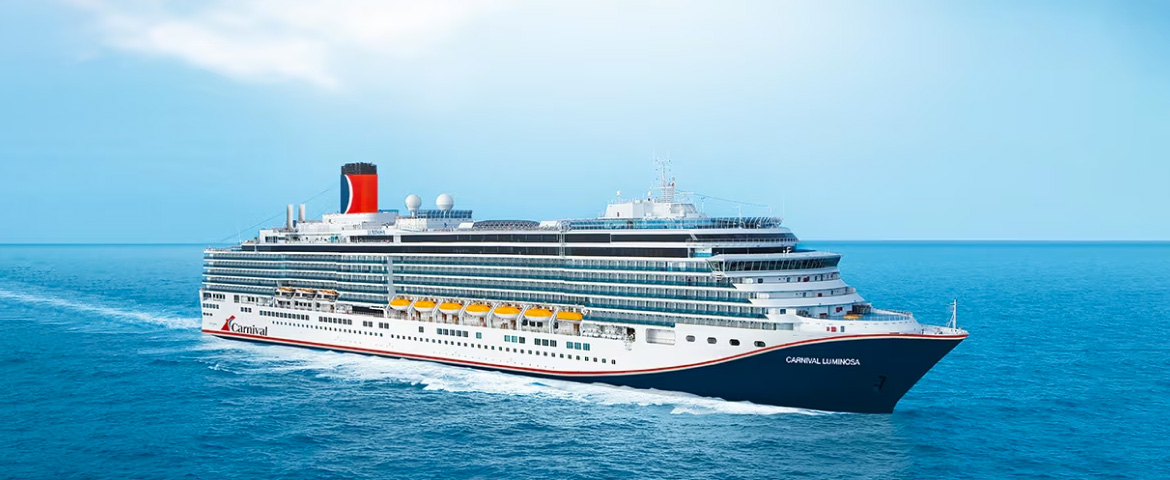

| 3 May | 11 days | Round-trip from San Francisco, USA |
From
1530$
|
| 17 May | 11 days | Round-trip from San Francisco, USA |
From
1536$
|
| 31 May | 11 days | Round-trip from San Francisco, USA |
From
1564$
|
| 14 June | 11 days | Round-trip from San Francisco, USA |
From
1844$
|
| 28 June | 11 days | Round-trip from San Francisco, USA |
From
1830$
|
| 12 July | 11 days | Round-trip from San Francisco, USA |
From
1928$
|
| 26 July | 11 days | Round-trip from San Francisco, USA |
From
1858$
|
Explora Journeys (8 Cruises)
Explora III
8 Cruises

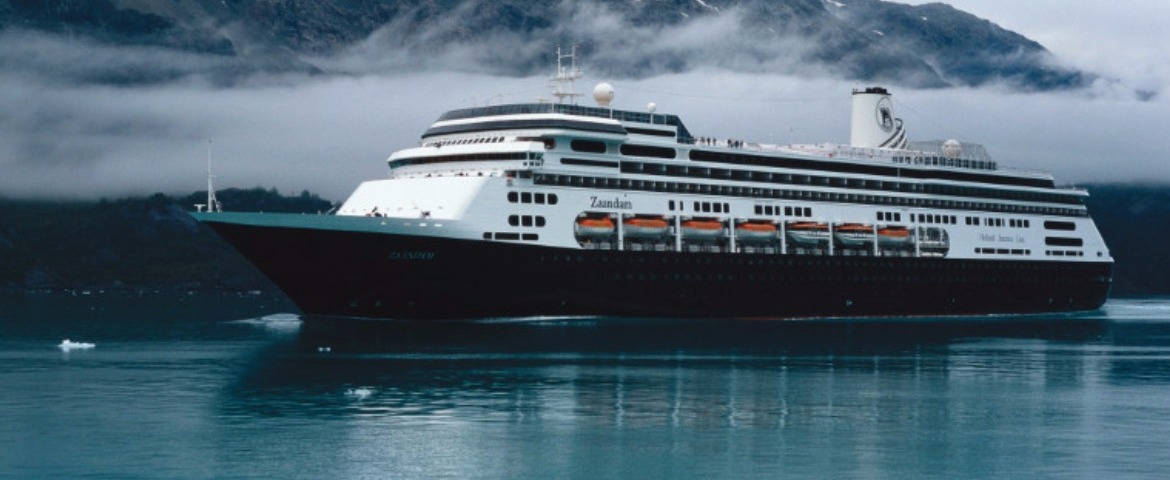
Holland America Line (21 Cruises)
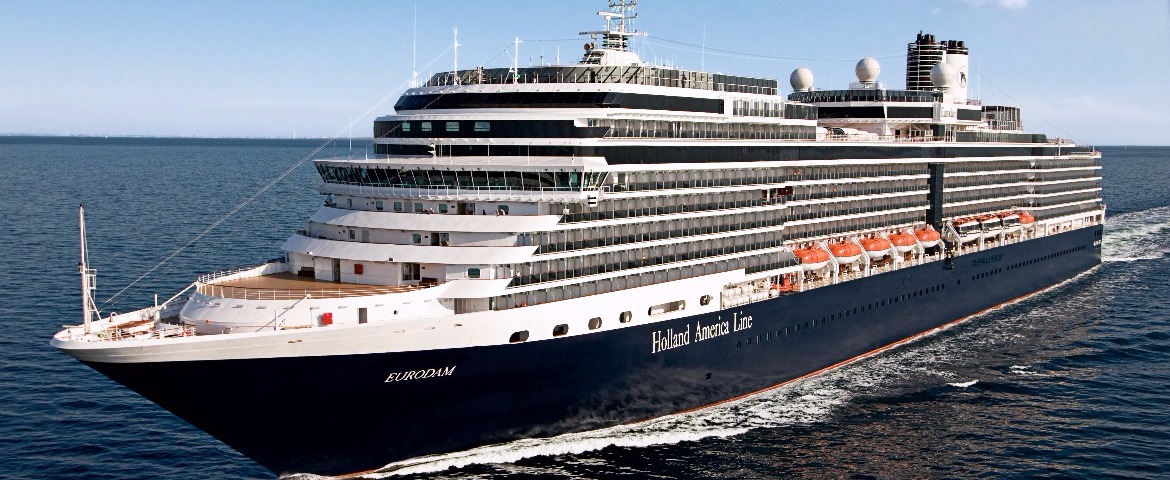

ms Nieuw Amsterdam
4 Cruises
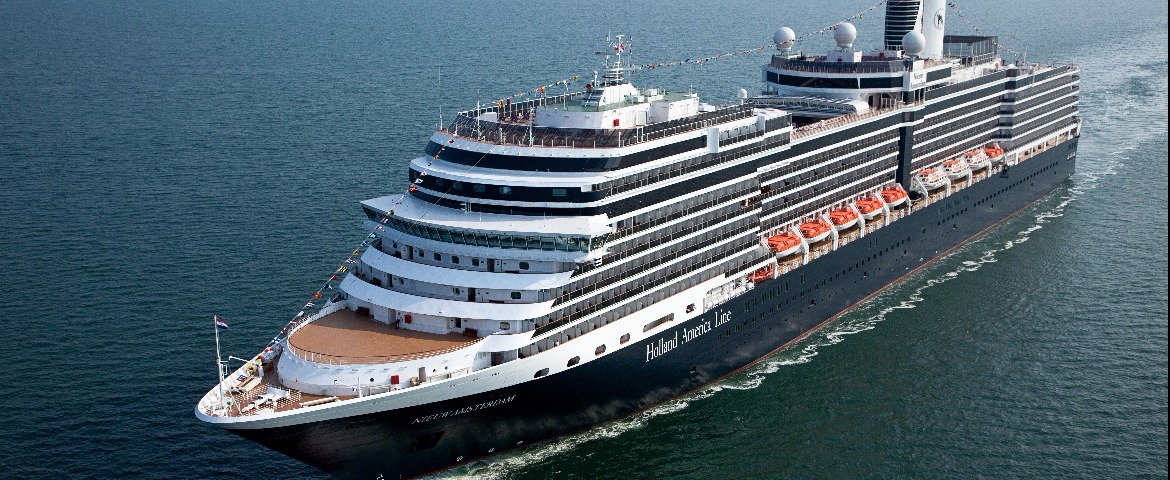
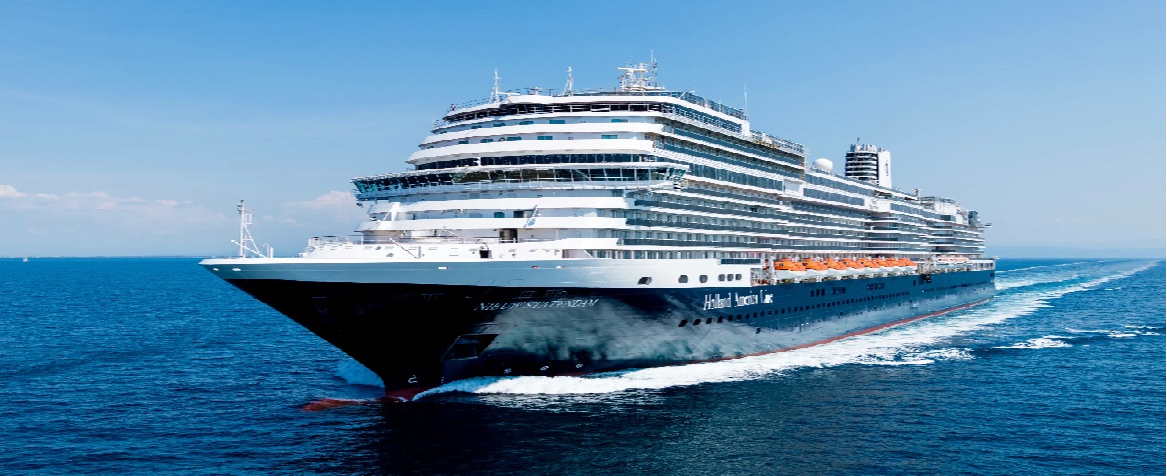
ms Nieuw Statendam
4 Cruises
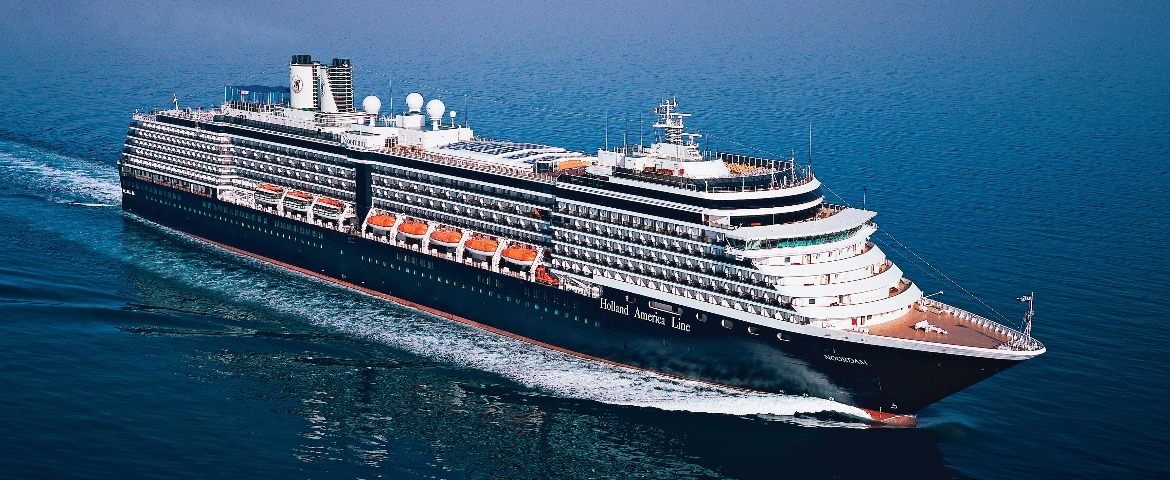
ms Noordam
7 Cruises

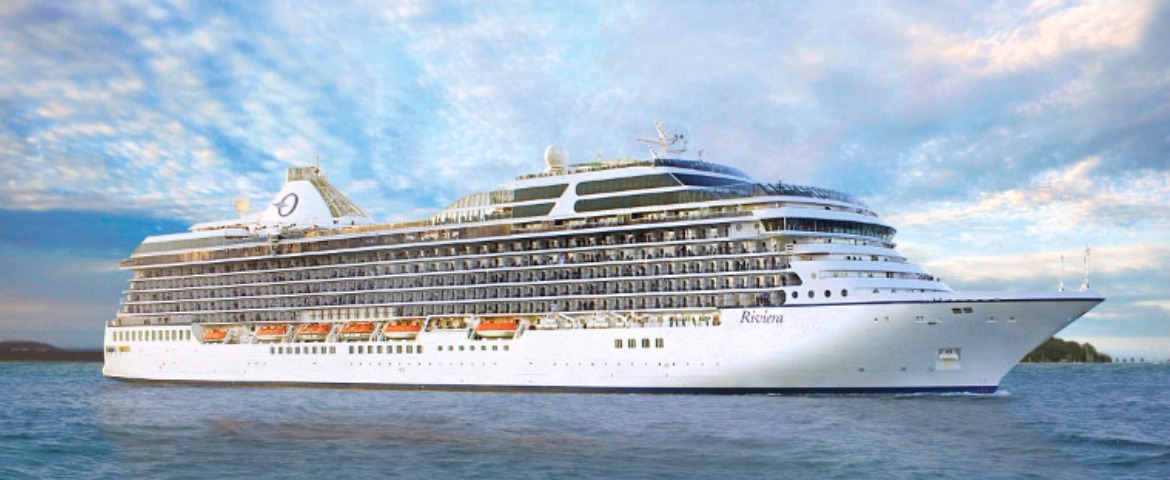
Oceania Cruises (1 Cruises)

Princess Cruises (23 Cruises)
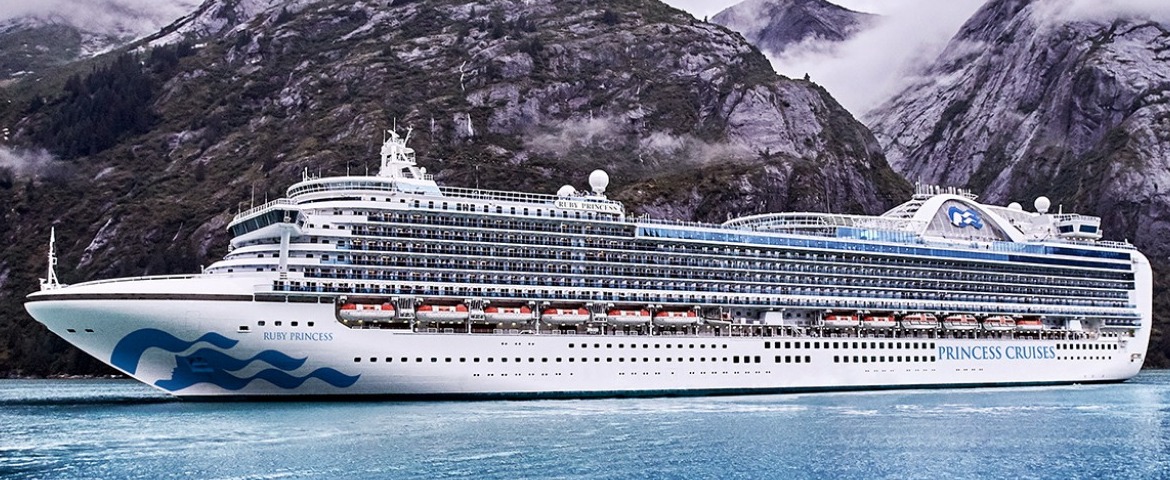
Ruby Princess
23 Cruises

Royal Caribbean Cruises (14 Cruises)
Serenade of the Seas
14 Cruises


| 8 August | 8 days | Round-trip from Vancouver, Canada |
450-628-6241
Call us
|
| 8 August | 7 days | Round-trip Alaska Serenade Of The Seas Vancouver |
From
1197$
|
Seabourn Cruise Line (88 Cruises)
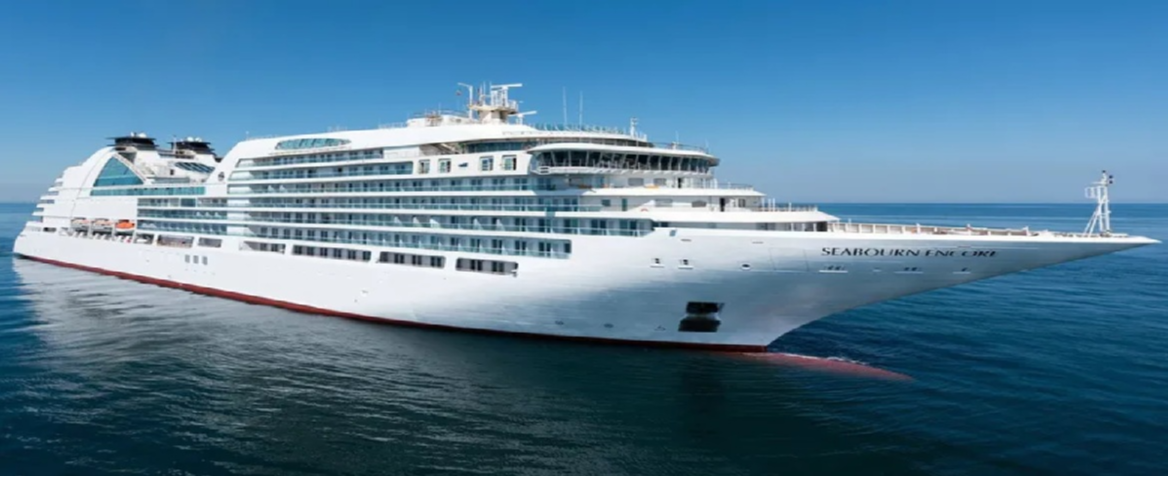
Seabourn Encore
88 Cruises

| 27 March | 48 days | One-way from Tokyo to Vancouver |
450-628-6241
Call us
|
| 27 March | 49 days | One-way from Tokyo to Vancouver |
450-628-6241
Call us
|
Virgin Voyages (24 Cruises)
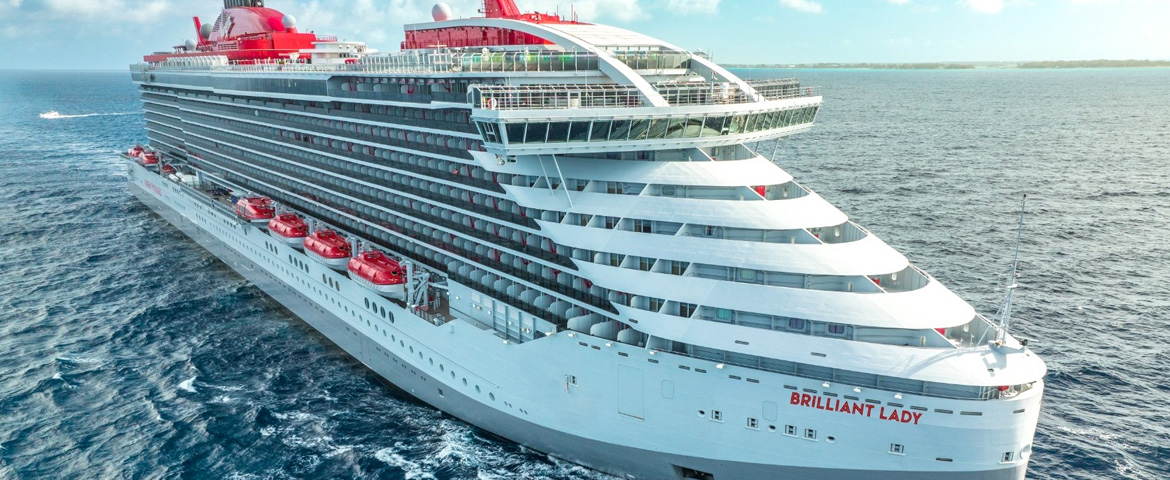
Brilliant Lady
24 Cruises


Prince Rupert, British Columbia | Cruise Port Guide
Frequently Asked Questions
At the Northland Terminal, at the foot of downtown. Its gangway adjusts itself to the large North Pacific tides: you step ashore with no shuttle and no tender.
Yes, about 800 metres on a flat path along the shore, roughly a ten-minute walk.
The Museum of Northern British Columbia takes about an hour and a half and is the most rewarding stop. Add a wander through Cow Bay, among galleries, artists' studios and cafés, and the day fills itself without rushing.
A district of wooden buildings on pilings above the water, dating from when cows were actually landed here for the area's first dairy. Fire hydrants and storefronts wear black-and-white patches, and floatplanes take off from the harbour alongside.
Millennia of Northwest Coast nations' presence, housed in a cedar longhouse facing the harbour: transformation masks, ceremonial headdresses, engraved silver jewellery and carved poles — Tsimshian first, but also Haida, Nisga'a and Tlingit. Its shop sells work by regional artists.
Yes. The Butze Rapids trail starts about six kilometres from downtown, reachable by taxi or local shuttle: a loop of roughly five kilometres under giant cedars, leading to tidal rapids that reverse with the flood and ebb.
Yes, in season. Trips to the Khutzeymateen grizzly sanctuary, Canada's first protected area dedicated to the species, and humpback watching in the strait are among the most serious wildlife excursions on the coast. Spaces are limited, so ask when booking the cruise.
It rains, often. Prince Rupert is one of the wettest cities in Canada. A rain shell is essential regardless of season or morning forecast. In exchange: saturated green rainforest, mist clinging to the coastal mountains and frequent rainbows.
The Canadian dollar and English. Cards and contactless payment work everywhere, including taxis out to the Butze trail.
Yes, provided everyone dresses for it. Cow Bay is flat and walkable, the floatplanes and fishermen unloading their catch hold children's attention, and the Sunken Gardens, laid out in a former excavation behind the courthouse, make a quiet stop in town.


