Dravuni Island Fiji
Fiji

97 Cruises availables At departure or passage at this port

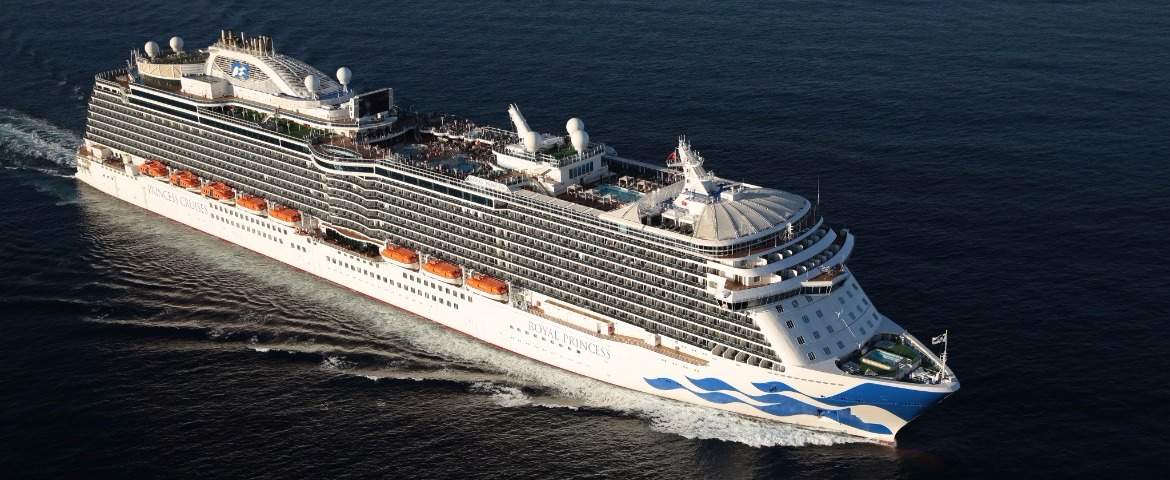
Princess Cruises (40 Cruises)

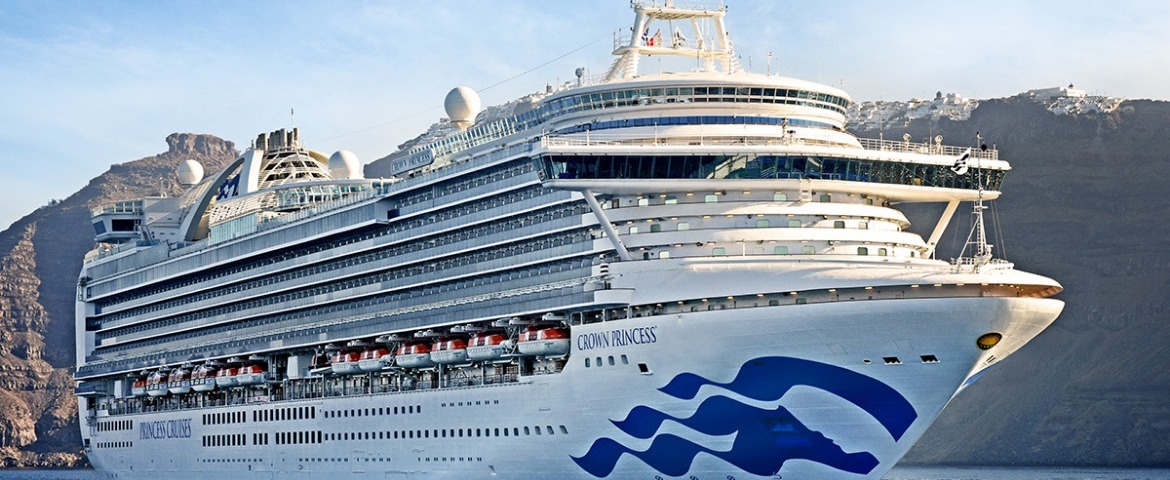
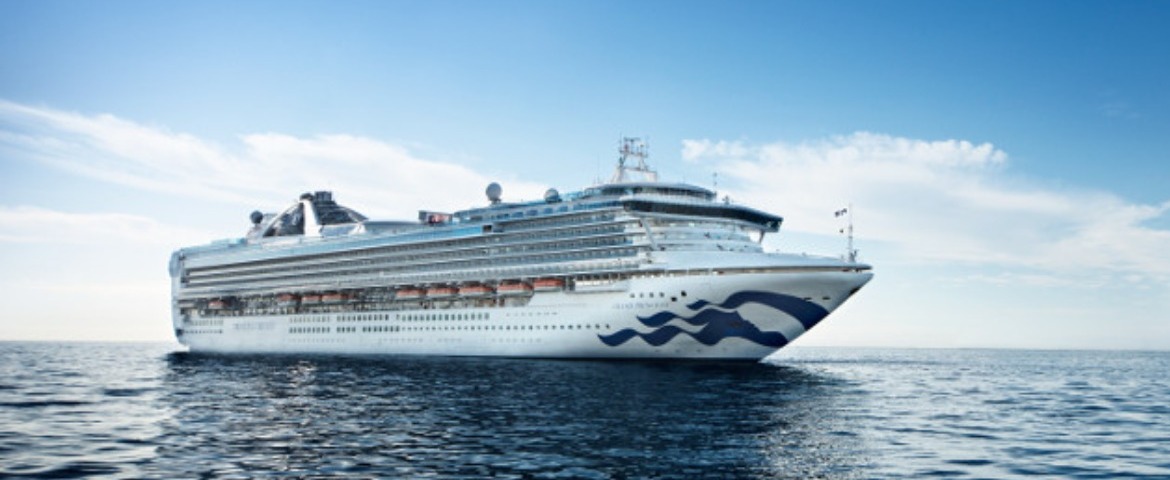
Cruise PCL Princess Grand Ship

Grand Princess

2600 Passengers
107751 tons
Visit the ship's page

Windstar Cruises (26 Cruises)

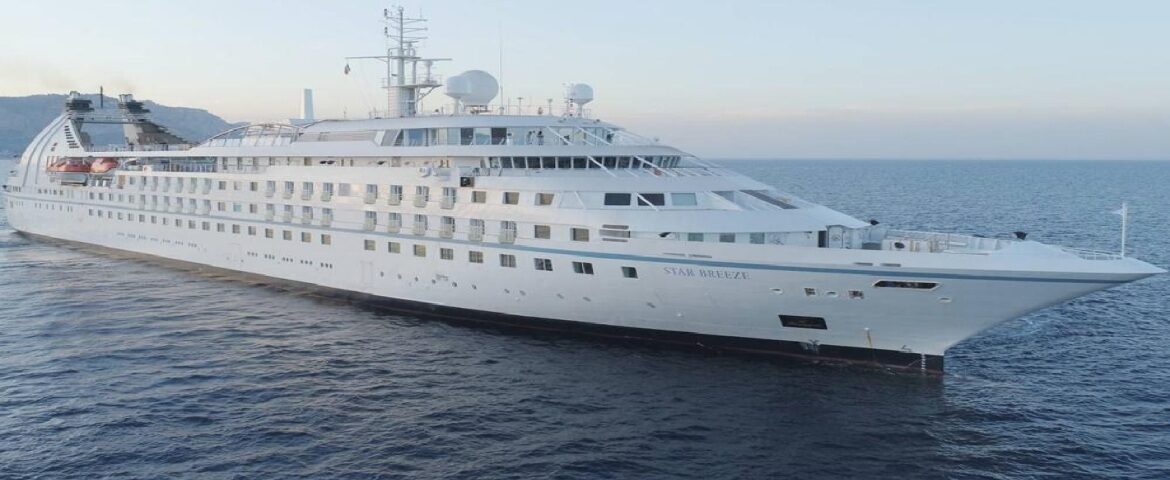
Star Breeze.

Star Breeze

502 Passengers
12995 tons
Visit the ship's page

Dravuni Island, Fiji | Cruise Port Guide

The colour strikes before everything else. At anchor off Dravuni, the water declines every blue imaginable, from the pale turquoise of the shallows to the deep ultramarine of the lagoon. The island itself fits within your gaze: two kilometres of green hills edged with light sand, set at the northern point of the great Astrolabe Barrier, in Fiji's Kadavu Province. No port installation here—the ship's tenders set passengers directly near the beach, after about ten minutes' travel.

A Village, Not a Beach Resort

Fewer than 200 people live at Dravuni, gathered in a single hamlet of sandy lanes, among church, school and houses open to the trade winds. The school sometimes welcomes groups for a welcome song, and the small Methodist church, maintained with visible care, speaks to faith's place in island life. There is neither hotel nor road nor shop in the usual sense. On boat days, families set up tables beneath the mango trees: shell necklaces, pareus, fresh coconuts to drink. Children call out sonorous "bulas!"—the Fijian greeting—and the welcome sets the day's tone. You find yourself among the people, and this simplicity is what makes the place precious.

One of the World's Greatest Coral Barriers

The Astrolabe Reef, which encloses Kadavu's lagoon, ranks among the planet's largest coral barriers. From the beach, mask and snorkel suffice: a few strokes from shore, coral heads teem with butterfly fish, electric-blue damselfish and giant clams with iridescent lips. The water, warm and clear, offers ideal conditions for swimmers of all levels. Depending on the ship, guided sorties lead to deeper sites, beyond the reef flat, where drop-offs and coral gardens succeed one another. Those preferring to stay dry walk the shore, where coconut palms lean over the sand.

The Summit Path

To measure the place, a path climbs toward the island's high point. The ascent, short but steep under the sun, leads to the summit; you leave early, before the great heat, bringing water. Up there, the reward leaves you speechless: the lagoon spreads in vast gradients, neighbouring islands float on the horizon and the ship, at anchor, seems a toy set on a mirror. It is the photograph everyone takes from Dravuni—and it never quite does justice to the reality.

The Kava Ceremony

Some days, the elders invite travellers to a yaqona ceremony, Fijian kava. The ground root, mixed with water in a large wooden bowl, yields an earthy drink with a slight numbing effect. The ritual has its codes: a clap of hands, a "bula," the coconut cup drained in one go, then three claps to give thanks. Taking part, even shyly, touches the heart of Fijian island hospitality.

Advice for the Day

  • Landing by tender, on the beach or at the small dock.
  • Bring sunscreen, hat and water shoes; on-site services remain minimal.
  • Have some cash for the families' handicrafts.
  • A covered shoulder is appreciated in the village and near the church.

When the tenders return the last passengers, farewells often accompany the manoeuvre from the beach. Dravuni cannot be told through monuments: it leaves a handful of images—an outsized lagoon, a wind-swept summit, smiles—and a very clear wish to believe that the Pacific, somewhere between two vast blues, has indeed kept a few secrets intact.

Frequently Asked Questions

By tender, straight onto the beach or at the small landing, about ten minutes from the anchorage. There are no port facilities at all on Dravuni.
Two kilometres of green hills fringed with pale sand, set at the northern tip of the great Astrolabe reef in Fiji's Kadavu province. From the anchorage the water runs through every blue, from the pale turquoise of the shallows to the deep ultramarine of the lagoon.
No hotel, no road, no shop in the usual sense. Fewer than 200 people live in a single hamlet of sandy lanes, among church, school and houses open to the trade winds. On ship days, families set up tables under the mango trees.
What the families offer under the mango trees: shell necklaces, sarongs, fresh drinking coconuts. Bring some cash; there is no card terminal on the island.
Excellent, and reachable from the beach. A few strokes out, the coral heads swarm with butterflyfish, electric-blue damselfish and giant clams with iridescent lips. The Astrolabe reef enclosing the Kadavu lagoon is among the largest barrier reefs on the planet.
No. The water is warm and clear, and conditions suit swimmers of every level. Depending on the ship, guided trips go further out beyond the reef flat, to the drop-offs and coral gardens.
Yes, a path climbs to the island's high point. The ascent is short but steep in full sun: set off early, before the heat, with water. From the top, the lagoon spreads out in vast gradients and the anchored ship looks like a toy set on a mirror.
A yaqona ceremony, to which the elders sometimes invite visitors. The pounded root, mixed with water in a large wooden bowl, gives an earthy drink with a mildly numbing effect. The ritual has its rules: one clap, a bula, the coconut cup drained in one go, then three claps in thanks.
Covered shoulders are appreciated in the village and near the Methodist church. Bring sunscreen, a hat and water shoes as well: services on the island are minimal.
For travellers happy to spend the day among people rather than at a resort. There is nothing to visit in the classic sense: an outsized lagoon, a windswept summit, children calling out bula. That is exactly what makes it worth it.