Savusavu Vanua Levu Island Fiji
Fiji

59 Cruises availables At departure or passage at this port

Windstar Cruises (20 Cruises)

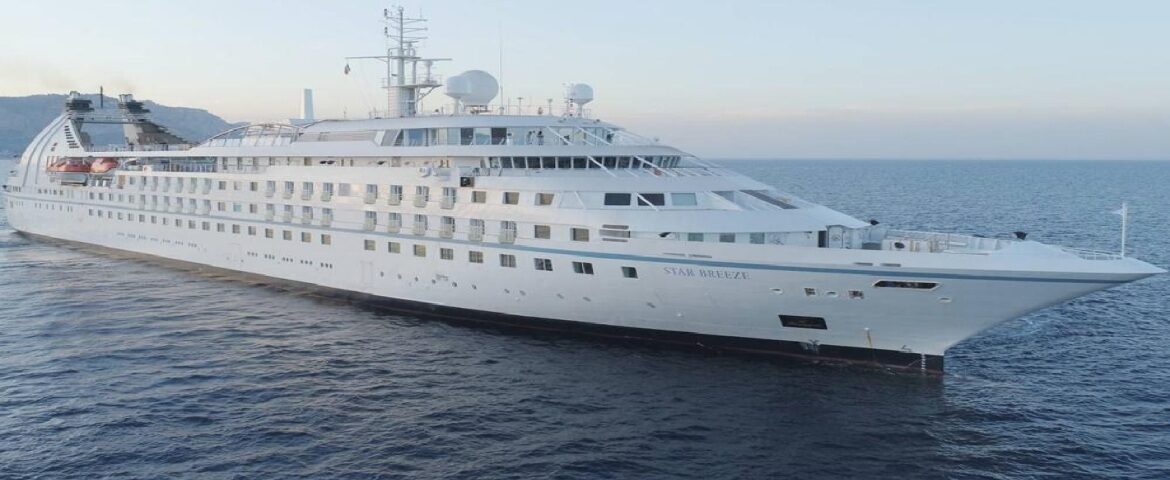
Star Breeze.

Star Breeze

502 Passengers
12995 tons
Visit the ship's page

Savusavu, Fiji | Cruise Port Guide

Sailboats bob gently in the bay as the ship slows off the south of Vanua Levu, the second-largest island in Fiji. Green hills run down to the water, a few tin roofs poke through the vegetation, and a smell of damp earth already drifts up to the deck. Savusavu isn't a place to rush through. The port call unfolds at the village's pace, between colourful stalls, steaming hot springs and a main street that follows the sea for barely a few hundred metres.

A landing in the heart of the village

Ships drop anchor in the deep waters of the harbour, and the tenders drop passengers at the Copra Shed Marina wharf. The location couldn't be more convenient: the centre is a four-minute walk away. This converted copra shed alone tells the region's past, when dried coconut meat was shipped off by boat to the oil mills. Today, the building houses cafés, an art gallery, a few shops and the easygoing comings and goings of sailors stopping here while crossing the South Pacific. It's easy to linger here before even starting your walk, over a coffee facing the masts.

The steam rising from the earth

A few steps from the waterfront, white wisps rise from the ground. Savusavu's hot springs are part of daily life: residents set down baskets of cassava or taro, which the volcanic heat slowly cooks while they go about their business. The scene surprises, then wins you over. You linger, watch, exchange a few words with a family that has come to collect its meal. Few port calls offer such direct contact with local life, five minutes from the wharf, with no staging and no admission fee.

The market and the pearls

The main street leads naturally to the farmers' market, piled high with papayas, kava roots, the morning's fish and woven goods. The vendors happily say hello, and laughter flies easily from one stall to the next. Nearby, the J. Hunter Pearls farm opens its doors to the curious: you learn how Fijian pearls are born, prized for their rare hues, from bronze green to deep blue. The visit nicely rounds out a morning, between strolls along the water.

Reefs and wild coastline

Underwater enthusiasts have two serious options. The Namena Marine Reserve, reachable on an excursion, protects teeming reefs where butterflyfish swim among soft corals. Closer by, several operators offer snorkelling outings in the calm waters along the coast. Those who prefer to stay dry can drive an hour to Natewa Bay, the largest bay in the South Pacific, where dolphins regularly cruise off an almost deserted coastline. The road itself is worth the trip, between coconut plantations and flower-filled villages where children wave as you pass.

Practical tips

  • The tender transfer takes about ten minutes; spots on the morning excursions go quickly.
  • The Fijian dollar is the local currency; bring a little cash for purchases at the stalls.
  • A hat and water are all you need for the walk in town: everything is done on foot, on flat ground.
  • The cooler season, from May to October, offers the most pleasant air for walking.
  • A simple "bula!" with a smile opens doors everywhere on the island.

One last look at the harbour

Back on board, many passengers realize they haven't consulted a map or a schedule all day. Savusavu is explored by instinct, guided by the scent of ripe fruit, a conversation struck up between two stalls or the steam rising between the stones. The ship pulls away, the hills slowly close around the water, and what remains is the feeling of having spent a few hours in a village that gets along very well without hurrying. It's exactly this kind of memory that makes you want to return to Fiji by sea.

Frequently Asked Questions

Ships anchor in the deep water of the bay off southern Vanua Levu, and tenders bring passengers to the Copra Shed Marina jetty. The centre is a four-minute walk away: it could hardly be handier.
A converted copra shed that tells the region's past on its own, from the days when dried coconut flesh sailed off to the oil mills. Today it holds cafés, an art gallery, a few shops and the quiet comings and goings of sailors crossing the South Pacific.
Yes, a few steps from the waterfront: white plumes rise from the ground. Locals set down baskets of cassava or taro that the volcanic heat cooks slowly while they get on with their day.
Yes, with no staging and no entrance fee. You linger, you watch, you exchange a few words with a family collecting their meal. Few calls offer such direct contact with local life, five minutes from the quay.
Papayas, kava root, the morning's fish and woven goods. The stallholders greet you readily and laughter carries from stall to stall. The main street leads there naturally from the waterfront.
Yes, J. Hunter Pearls opens its doors to visitors. You learn how Fijian pearls are grown, prized for their rare tones from bronze-green to deep blue. It rounds off a morning of wandering nicely.
The Namena marine reserve, reachable by excursion, protects teeming reefs of butterflyfish and soft corals. Closer in, several operators run snorkelling trips in the calm water along the coast.
The largest bay in the South Pacific, an hour's drive from Savusavu. Dolphins pass regularly off an almost deserted shoreline, and the road itself is worth the trip, through coconut plantations and flowering villages.
No. Everything is done on foot, on level ground: the main street runs along the sea for barely a few hundred metres. A hat and water are enough for the town walk.
The cooler season, May to October, gives the most pleasant air for walking. The currency is the Fijian dollar: bring some cash for the stalls, and a smiling bula opens doors all over the island.