Bonifacio Corsica France
110
Cruises availables
At departure or passage at this port
Atlas Ocean Voyages (4 Cruises)
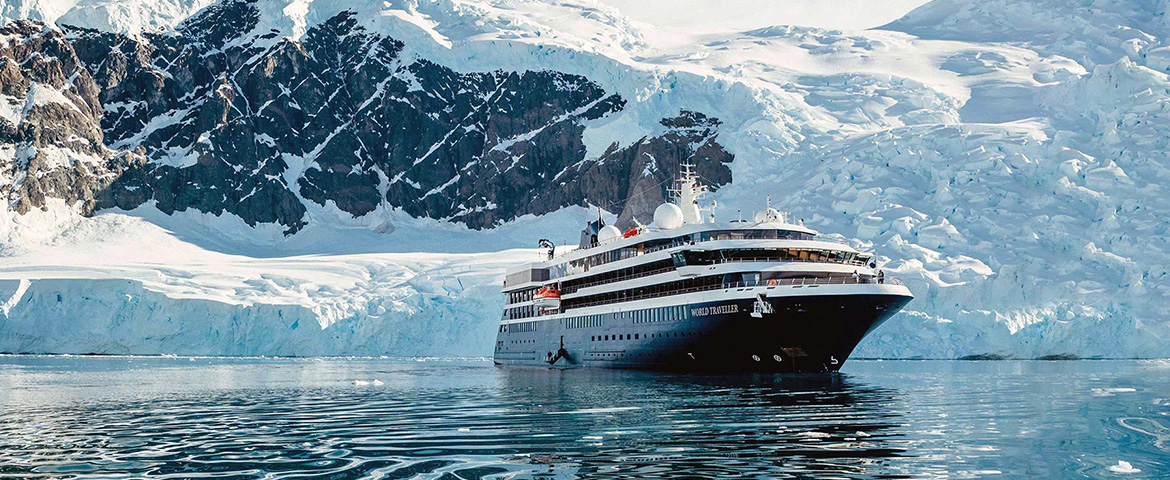

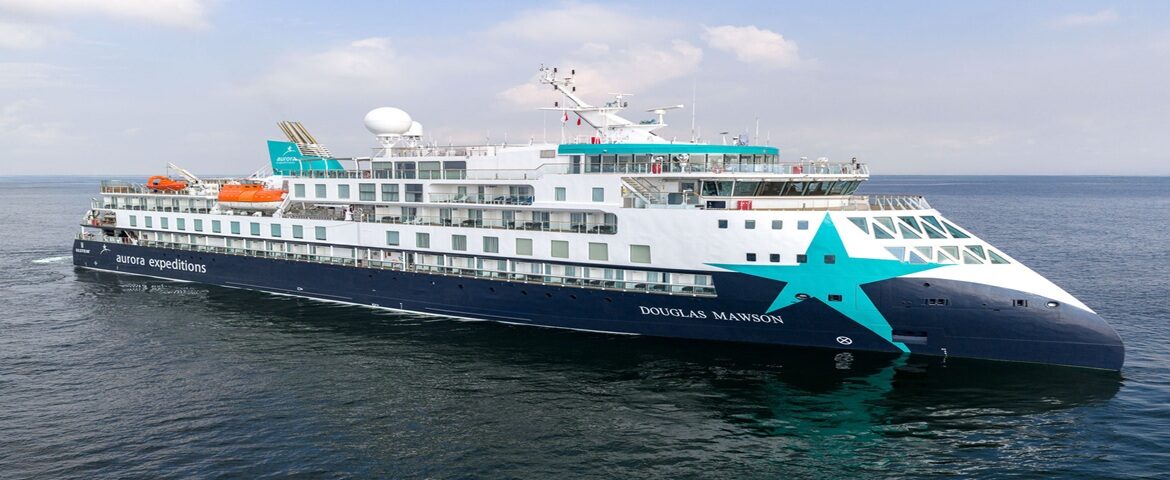
Aurora Expeditions (1 Cruises)

Emerald Waterways (21 Cruises)
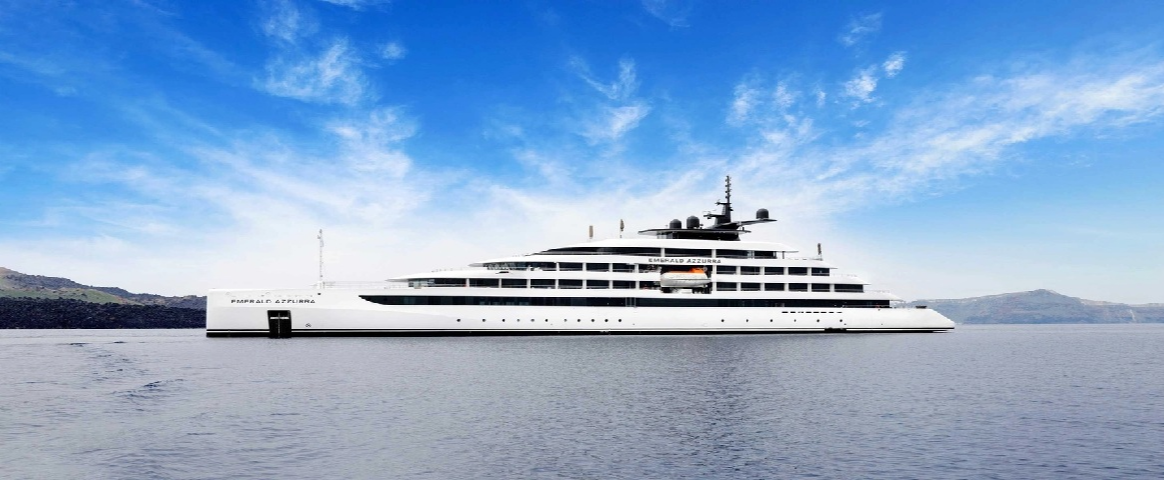

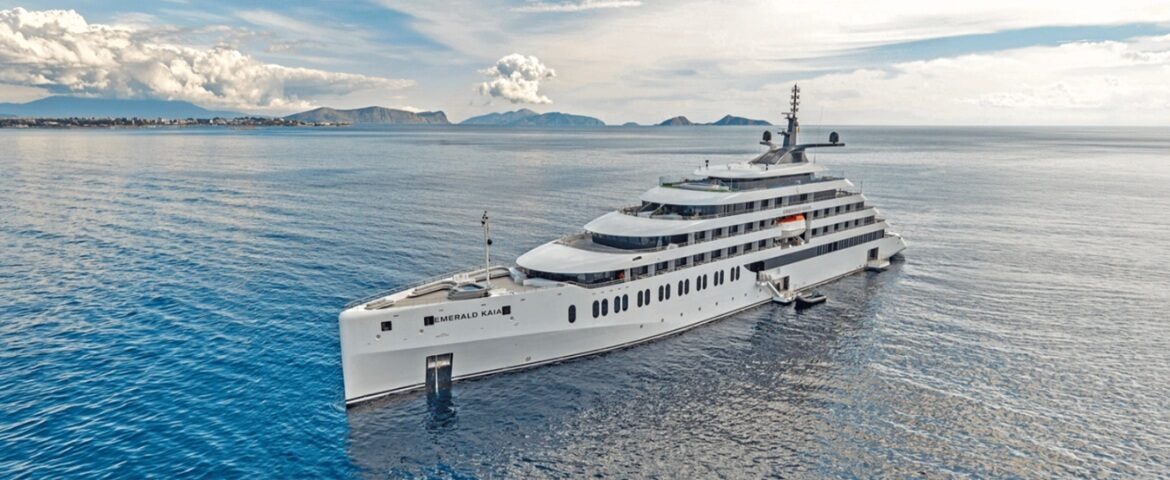
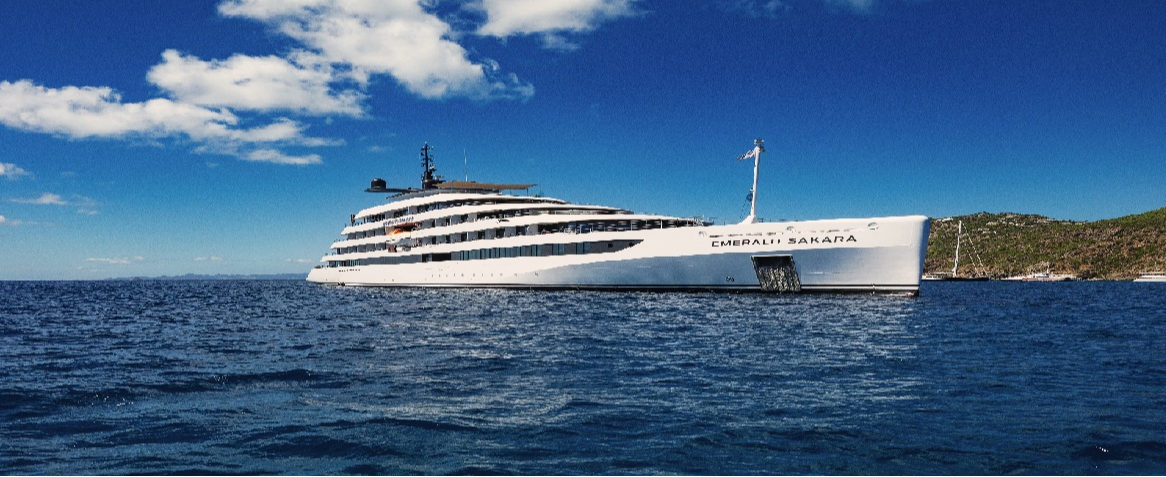
Emerald Sakara
15 Cruises
Lindblad Expeditions (6 Cruises)
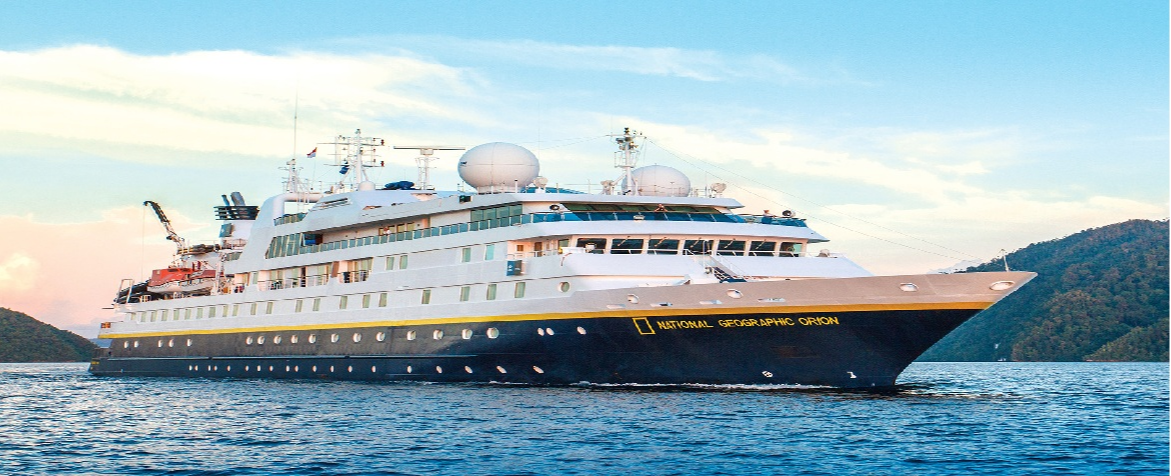
National Geographic Orion
6 Cruises

| 7 April | 20 days | One-way from Barcelona to Piraeus-Athens |
450-628-6241
Call us
|
| 7 April | 13 days | One-way from Barcelona to Piraeus-Athens |
450-628-6241
Call us
|
Oceania Cruises (4 Cruises)
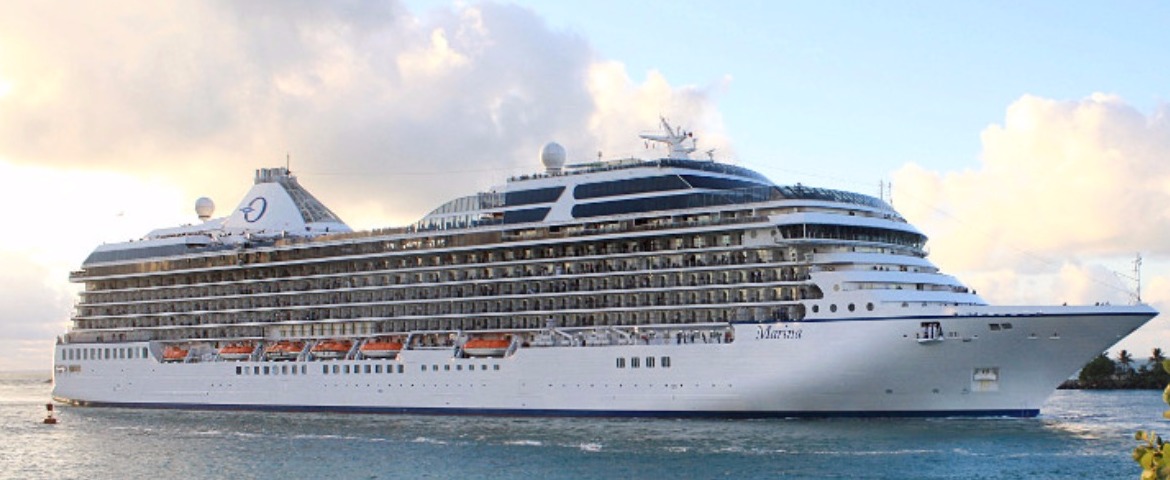
Oceania Marina
4 Cruises


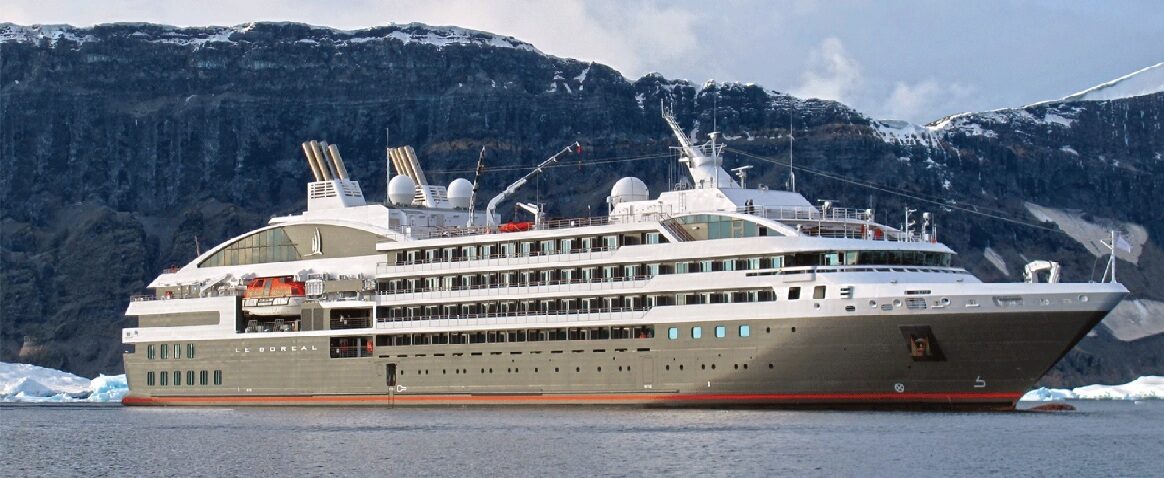
Seabourn Cruise Line (13 Cruises)
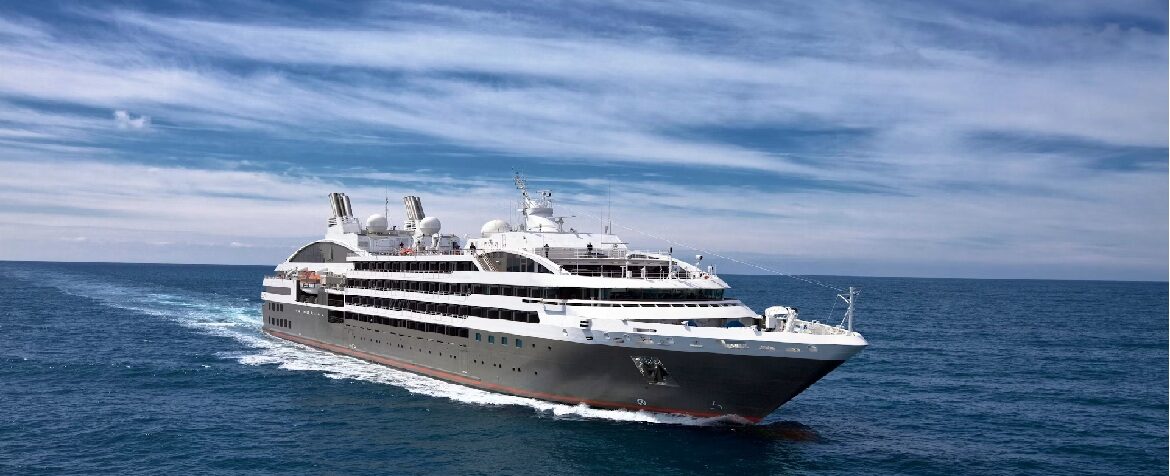
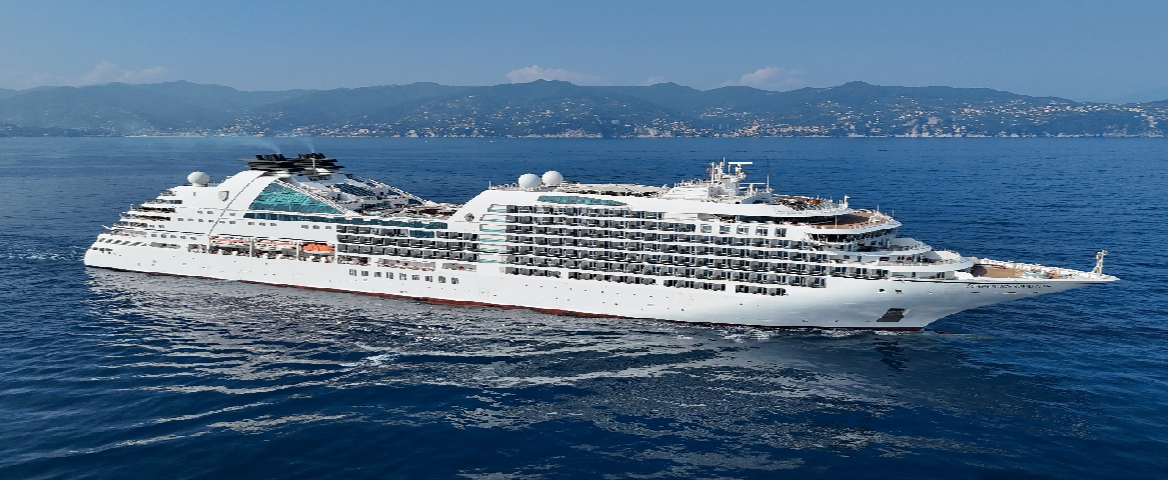
Seabourn Ovation
13 Cruises

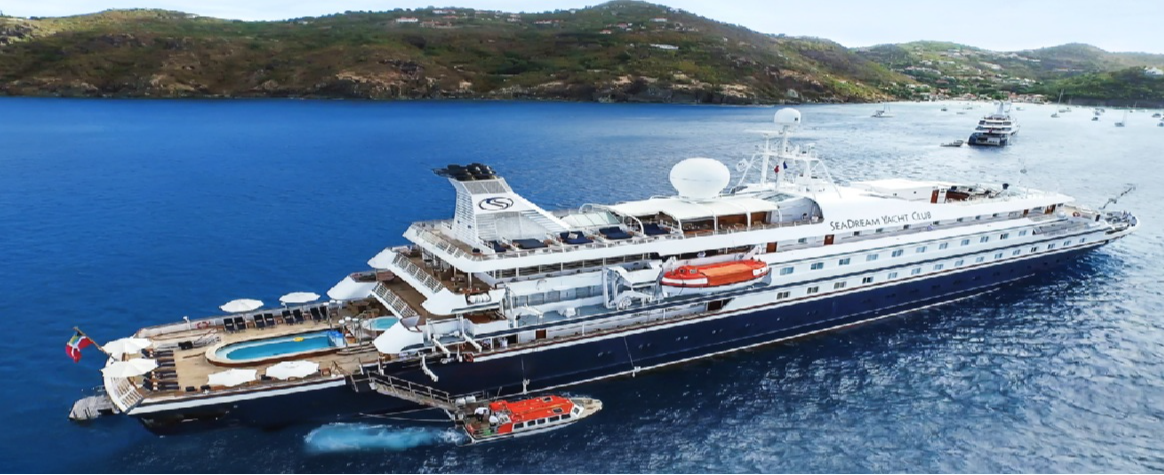
SeaDream Yacht Club (21 Cruises)
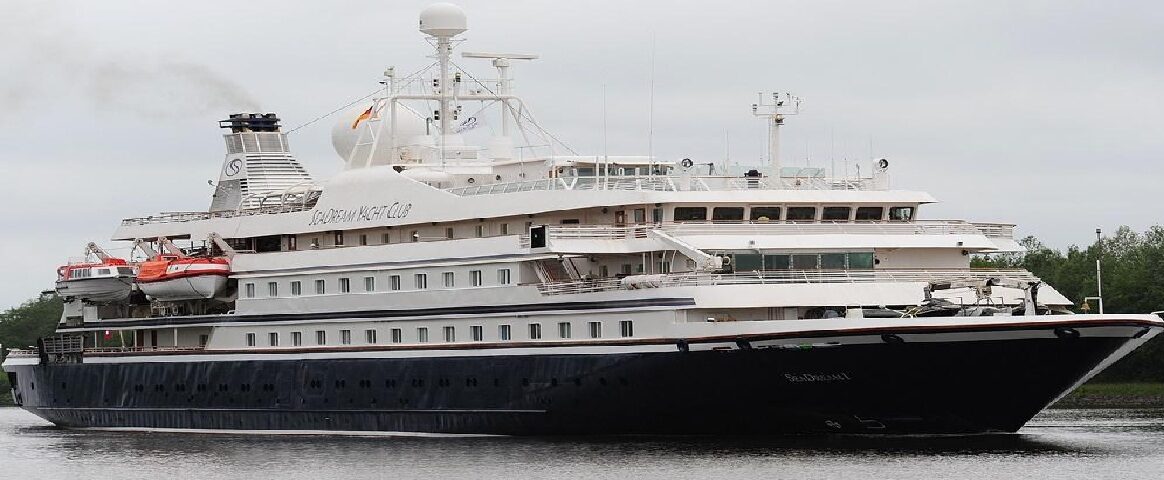
Seadream I
7 Cruises

Seadream II
14 Cruises
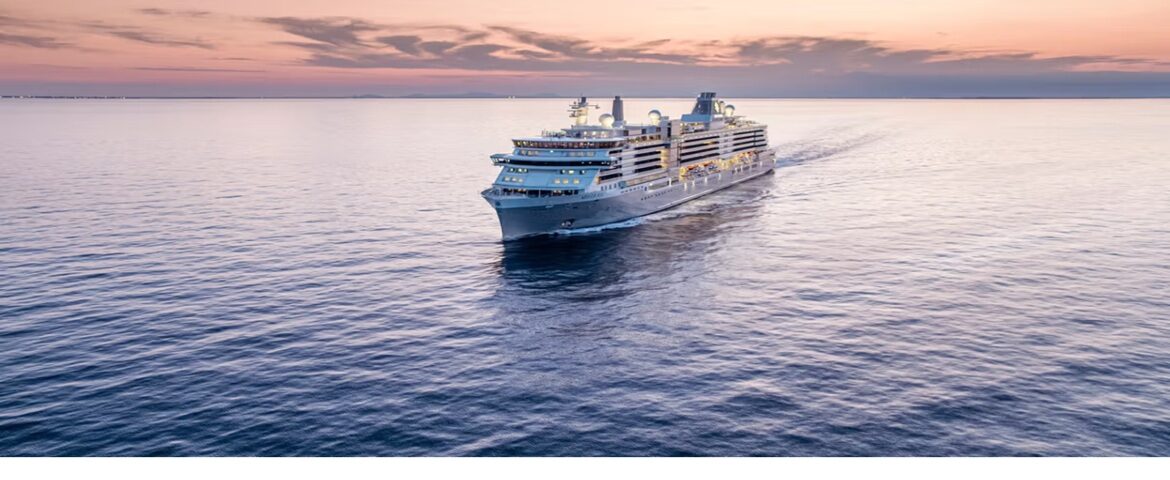
Silversea Cruises (3 Cruises)

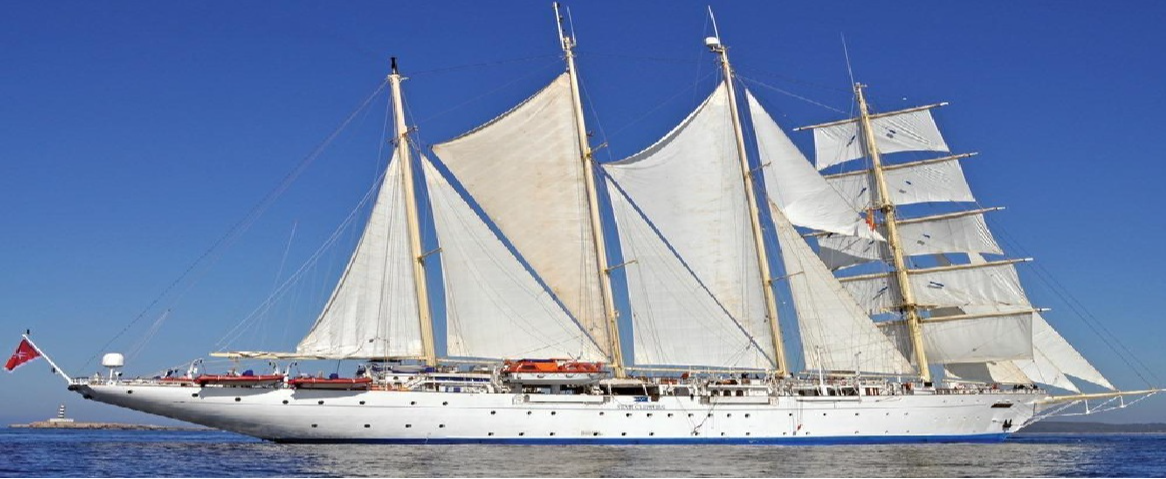
Star Clippers (14 Cruises)
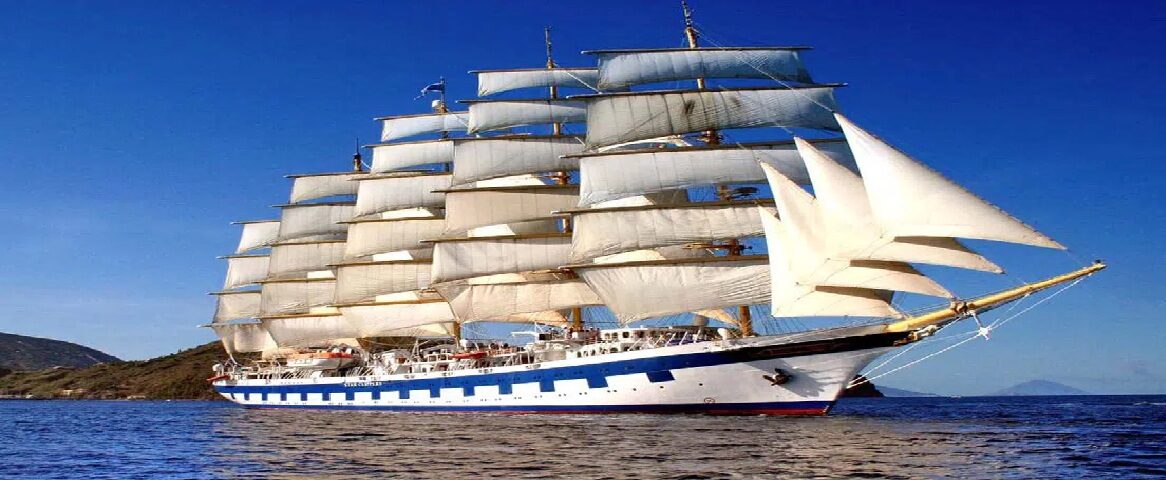
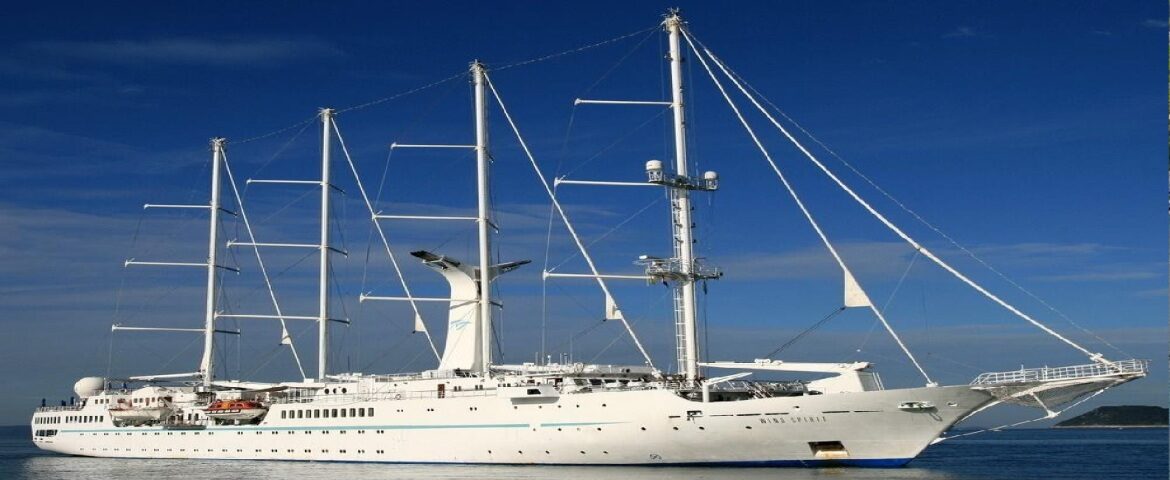
Royal Clipper
10 Cruises

| 24 April | 14 days | Round-trip 14 Night Nice to Nice Cruise |
450-628-6241
Call us
|
| 24 April | 15 days | Round-trip from Villefranche-sur-Mer, France |
450-628-6241
Call us
|
Windstar Cruises (15 Cruises)
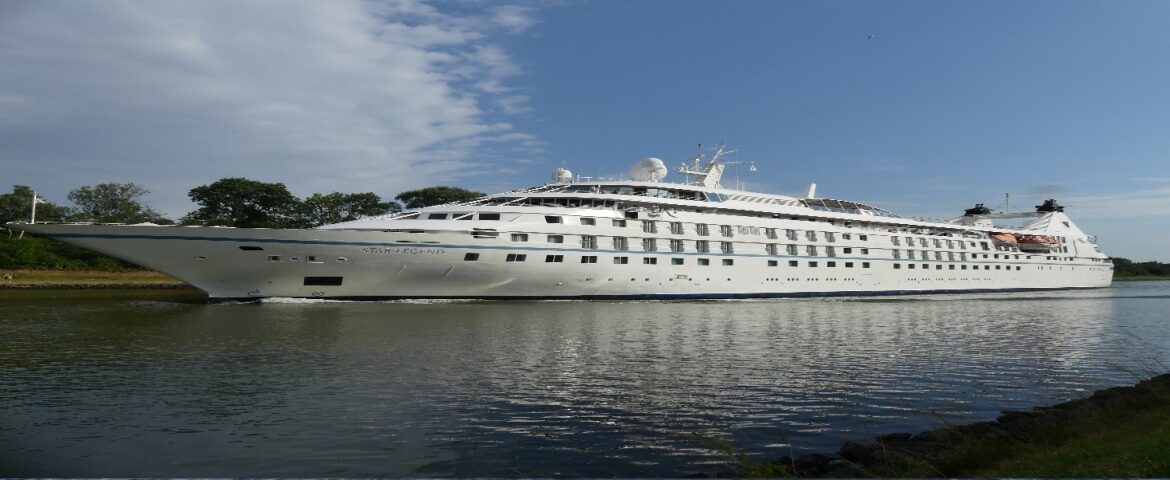
Star Legend
13 Cruises

Frequently Asked Questions
By tender. Ships anchor off the entrance to the inlet and land passengers at the marina, at the end of a cleft cut into the cliff. The anchorage is deep and sheltered from every wind: the ancients already compared it to the harbour of the Laestrygonians in the Odyssey.
By the Montée Rastello, from the Quai Comparetti. Allow about fifteen minutes of real effort, with wider and wider views over the inlet at each landing. A tourist train spares the climb for anyone saving their knees.
The Bastion de l'Étendard, centrepiece of the fifteenth-century fortifications, with its museum space and hanging gardens. The church of Sainte-Marie-Majeure, the oldest in town, and its loggia. And the Rue des Deux-Empereurs, where two plaques record that Charles V and later Napoleon Bonaparte slept a few doors apart, three centuries apart.
One hundred and eighty-seven steps cut diagonally into the limestone face, dropping down the cliff to a spring hidden at water level. Legend credits Aragonese troops during the 1420 siege; historians lean towards the patient work of monks looking for drinking water.
The descent is vertiginous, even with railings. The round trip takes about 45 minutes, sturdy shoes and a measure of caution with children. Check the schedule too: heavy seas can close the site.
The climb to the citadel, the medieval lanes, the bastion and the marine cemetery on the Pointe du Bosco. An hour-long boat trip from the marina rounds it out nicely, running along the sea caves and passing beneath the citadel.
A limestone pillar broken away from the cliff, standing guard below the plateau for eight centuries. It is one of the most photographed landmarks on the coast, best seen from a boat trip.
Yes, but allow half a day. This nature reserve of tumbled granite lies offshore in the Strait of Bonifacio, which separates Corsica from Sardinia. Save it for a long call.
A row of white chapels facing the open sea at the end of the plateau on the Pointe du Bosco, in a silence broken only by the wind. Few places in the Mediterranean invite contemplation so plainly.
The euro, French and Corsican. The town's traditional speech still carries Ligurian notes, a legacy of centuries of Genoese rule. Shops in the upper town sell island charcuterie, sheep's cheese and shepherd's knives.


