Bernkastel-Kues Germany Rhineland-Palatinate
836
Cruises availables
At departure or passage at this port
AmaWaterways (53 Cruises)
AmaCerto
23 Cruises
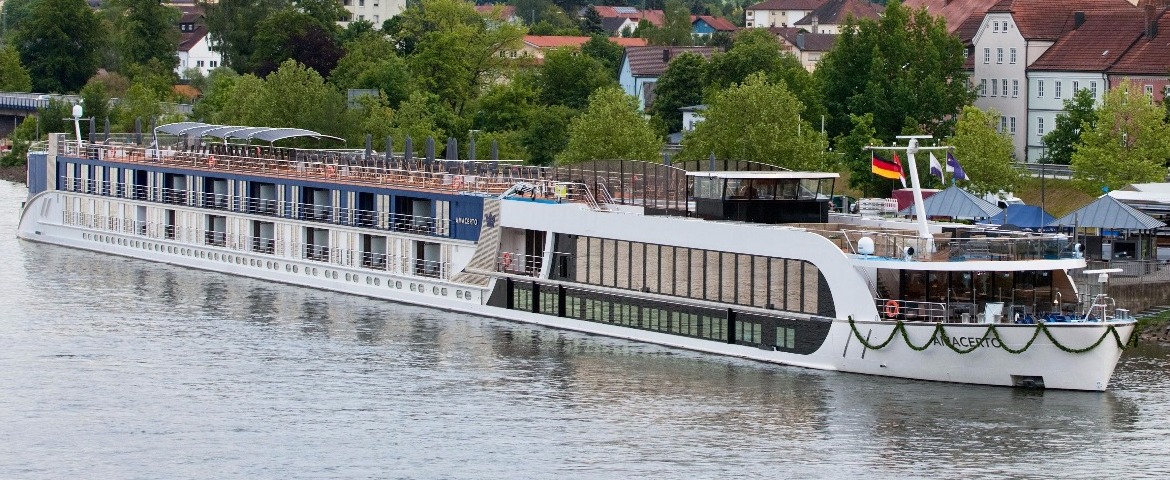

| 14 April | 11 days | One-way from Basel to Amsterdam |
450-628-6241
Call us
|
| 24 April | 12 days | One-way from Amsterdam to Basel |
450-628-6241
Call us
|
| 4 August | 11 days | One-way from Basel to Amsterdam |
450-628-6241
Call us
|
| 14 August | 12 days | One-way from Amsterdam to Basel |
450-628-6241
Call us
|
| 12 April | 11 days | One-way from Basel to Amsterdam |
450-628-6241
Call us
|
| 22 April | 12 days | One-way from Amsterdam to Basel |
450-628-6241
Call us
|
| 14 June | 11 days | One-way from Basel to Amsterdam |
450-628-6241
Call us
|
| 24 June | 12 days | One-way from Amsterdam to Basel |
450-628-6241
Call us
|
AmaPrima
24 Cruises
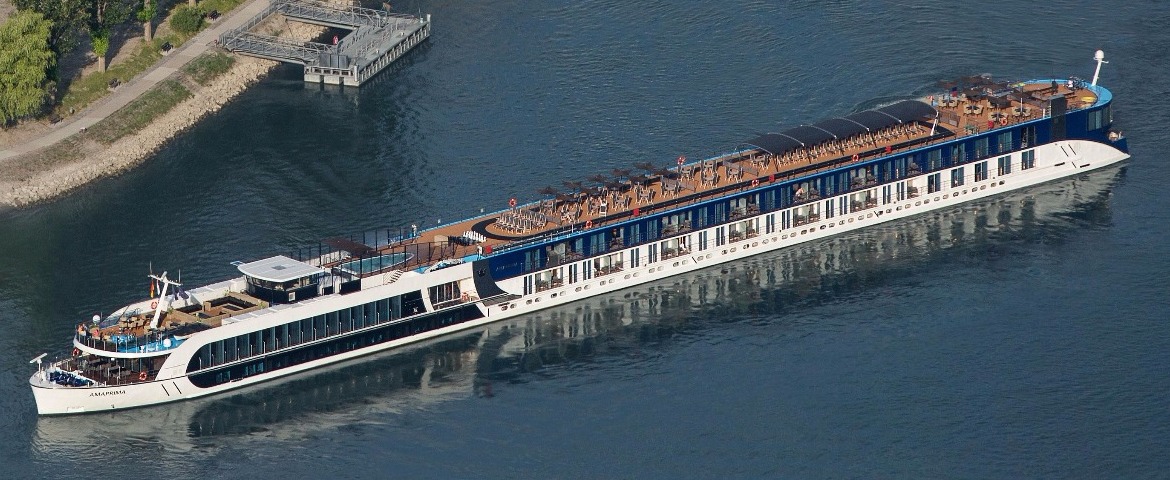
| 5 April | 11 days | One-way from Basel to Amsterdam |
450-628-6241
Call us
|
| 15 April | 12 days | One-way from Amsterdam to Basel |
450-628-6241
Call us
|
| 12 July | 11 days | One-way from Basel to Amsterdam |
450-628-6241
Call us
|
| 22 July | 12 days | One-way from Amsterdam to Basel |
450-628-6241
Call us
|
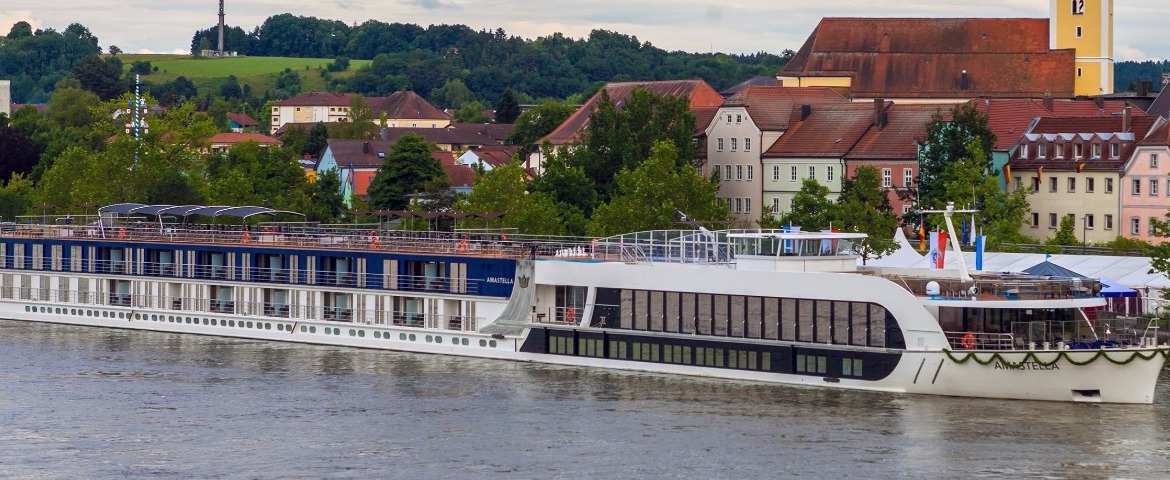
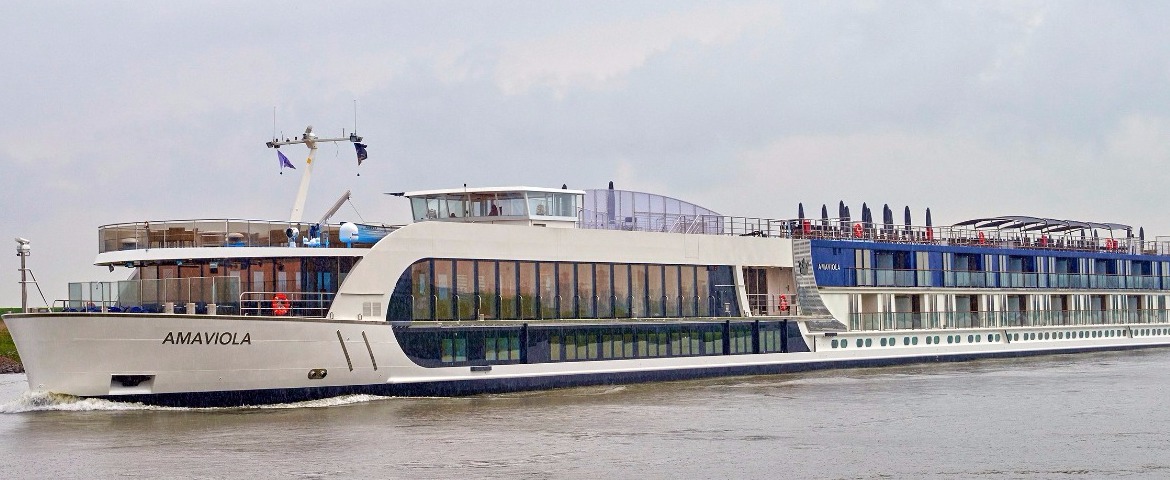
Avalon Waterways (18 Cruises)
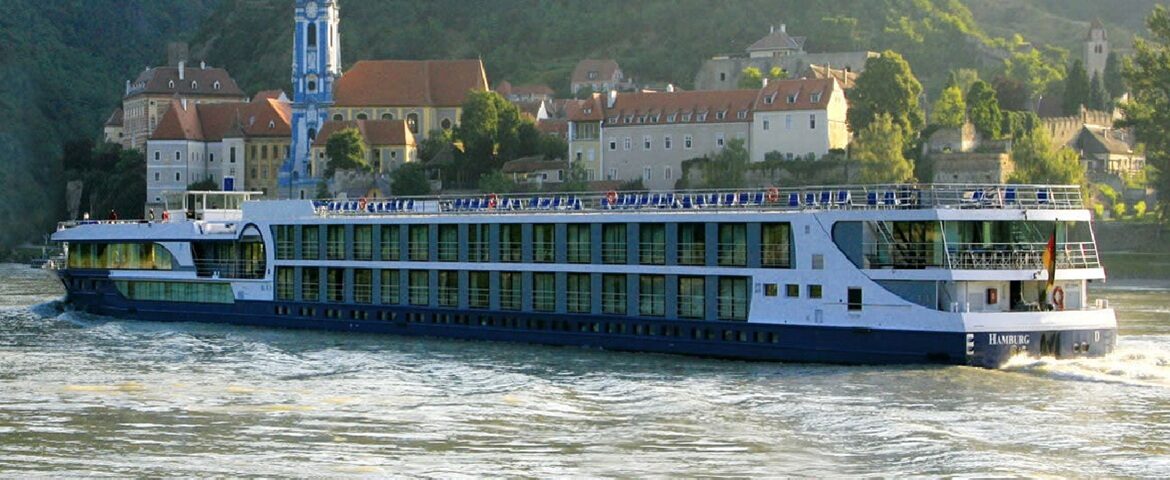

Avalon Tranquility II®
17 Cruises
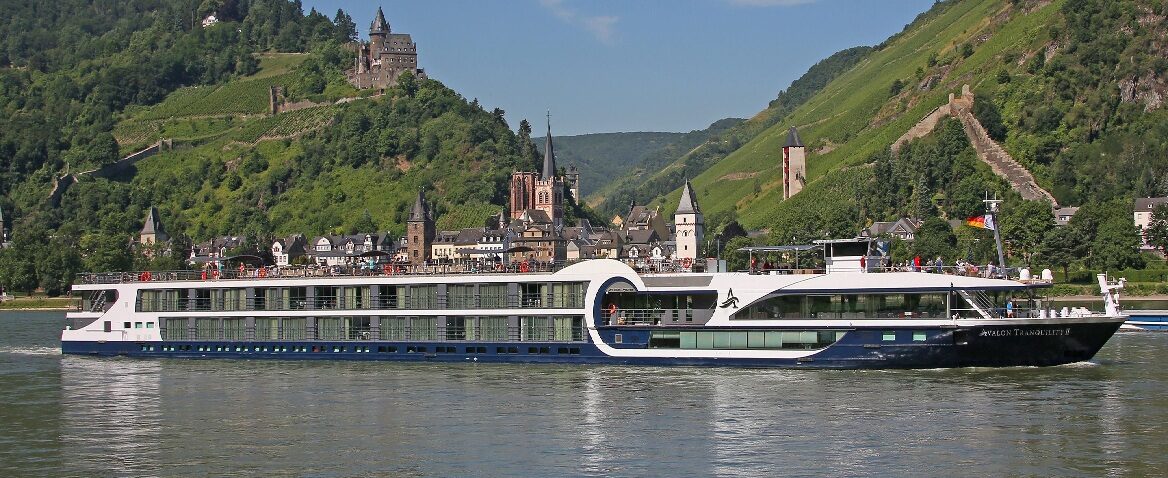
CroisiEurope (2 Cruises)
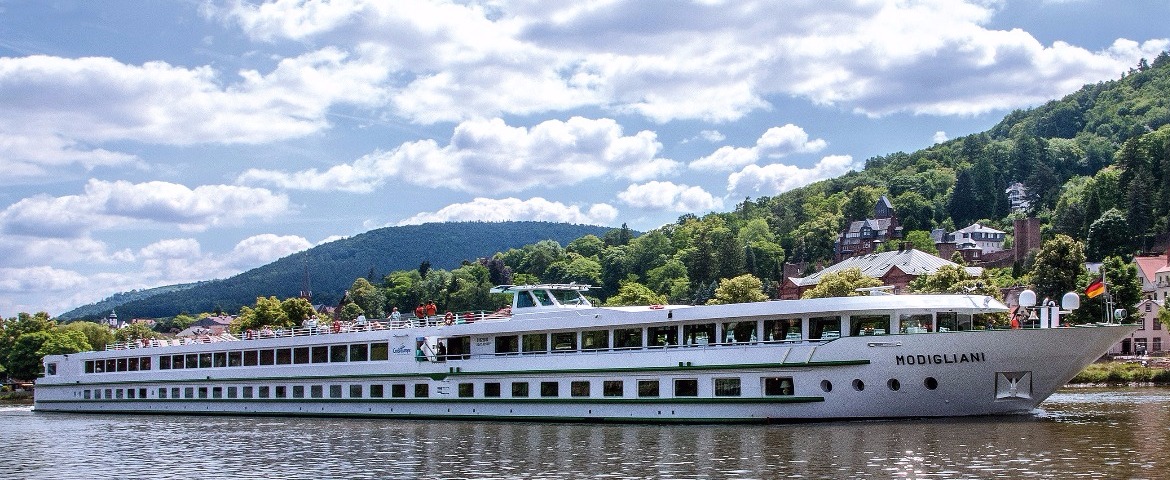

Emerald Waterways (51 Cruises)
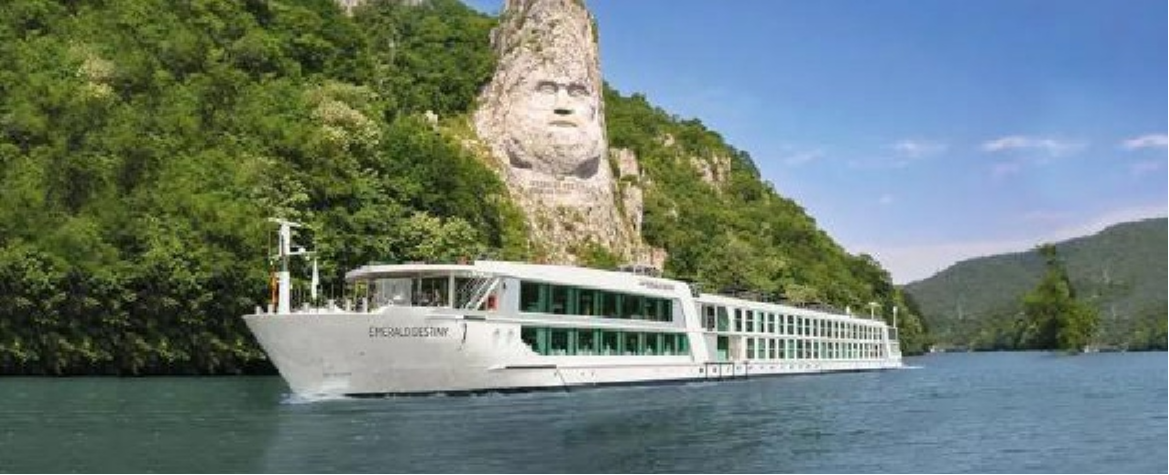
Emerald Destiny
25 Cruises

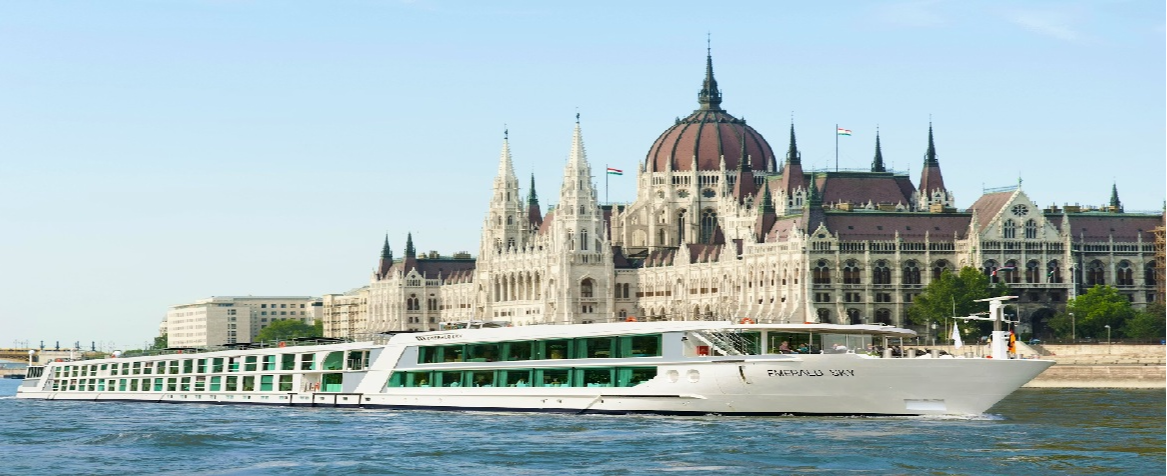
Emerald Sky
18 Cruises
| 16 July | 13 days | One-way from Amsterdam to Basel |
450-628-6241
Call us
|
| 18 July | 11 days | One-way from Amsterdam to Basel |
450-628-6241
Call us
|
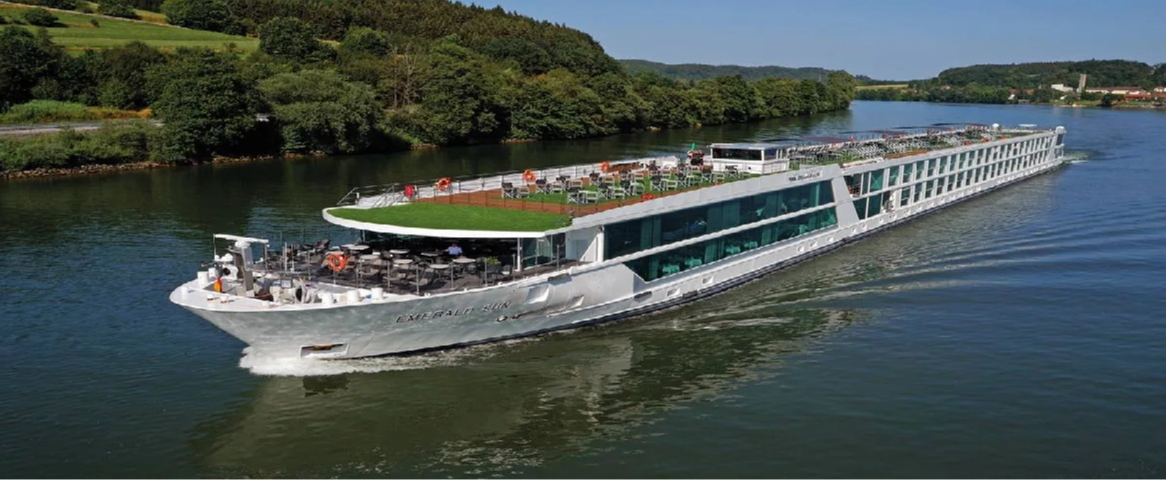
Emerald Sun
8 Cruises
| 14 July | 13 days | One-way from Amsterdam to Basel |
450-628-6241
Call us
|
| 16 July | 11 days | One-way from Amsterdam to Basel |
450-628-6241
Call us
|
Riviera Travel (19 Cruises)
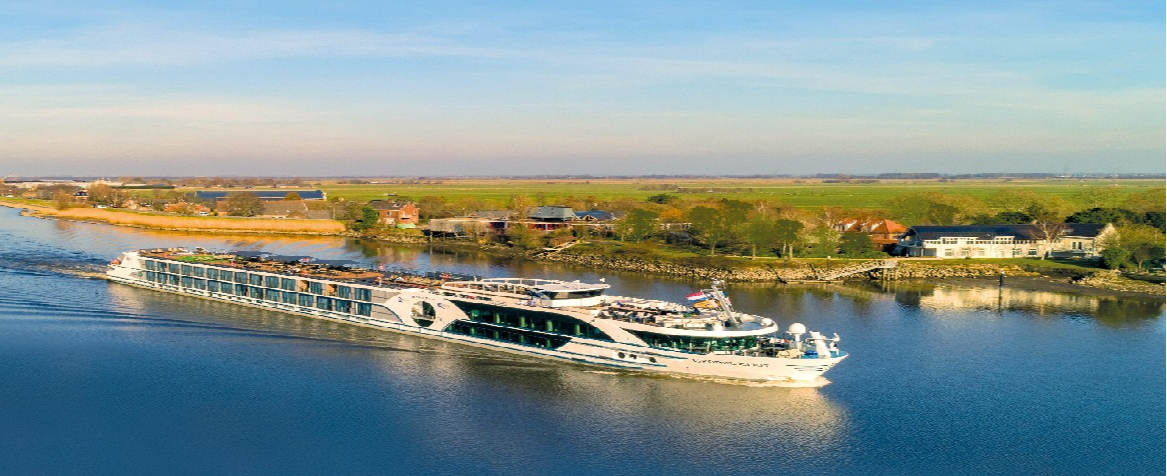

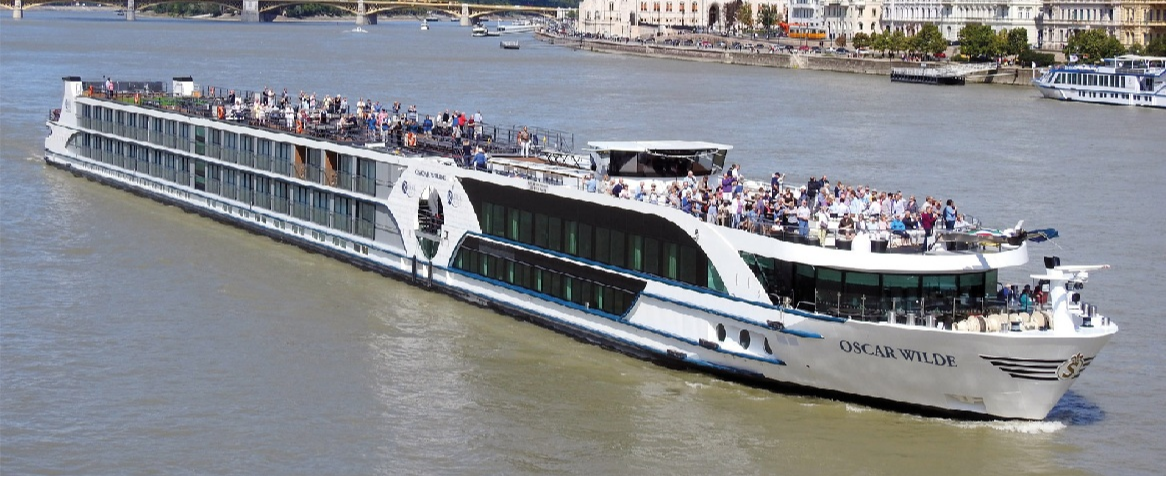
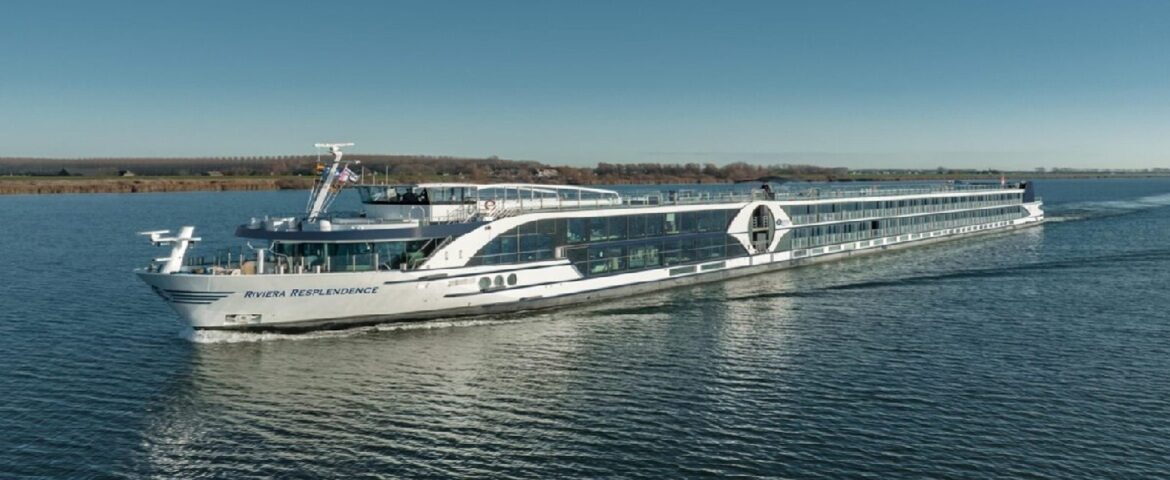
MS Riviera Resplendence
12 Cruises
| 5 May | 8 days | Round-trip from Cologne, Germany |
450-628-6241
Call us
|
| 5 May | 7 days | Round-trip Rhine and Moselle River Cruise - MS Riviera Resplendence |
450-628-6241
Call us
|
| 16 June | 7 days | Round-trip Rhine and Moselle River Cruise - MS Riviera Resplendence |
450-628-6241
Call us
|
| 16 June | 8 days | Round-trip from Cologne, Germany |
450-628-6241
Call us
|
| 7 July | 8 days | Round-trip from Cologne, Germany |
450-628-6241
Call us
|
| 7 July | 7 days | Round-trip Rhine and Moselle River Cruise - MS Riviera Resplendence |
450-628-6241
Call us
|
| 4 August | 7 days | Round-trip Rhine and Moselle River Cruise - MS Riviera Resplendence |
450-628-6241
Call us
|
| 4 August | 8 days | Round-trip from Cologne, Germany |
450-628-6241
Call us
|
Scenic Cruises (121 Cruises)



Scenic Opal
16 Cruises

| 16 April | 19 days | One-way from Basel to Amsterdam |
450-628-6241
Call us
|
| 20 April | 15 days | One-way from Basel to Amsterdam |
450-628-6241
Call us
|
Scenic Pearl
55 Cruises

Scenic Ruby
45 Cruises

| 28 April | 10 days | One-way from Basel to Berlin |
450-628-6241
Call us
|
| 28 April | 8 days | One-way from Basel to Mainz |
450-628-6241
Call us
|
| 2 June | 29 days | One-way from Budapest to Basel |
450-628-6241
Call us
|
| 23 June | 15 days | One-way from Basel to Amsterdam |
450-628-6241
Call us
|
Uniworld Boutique River Cruise (21 Cruises)
S.S Audrey
9 Cruises
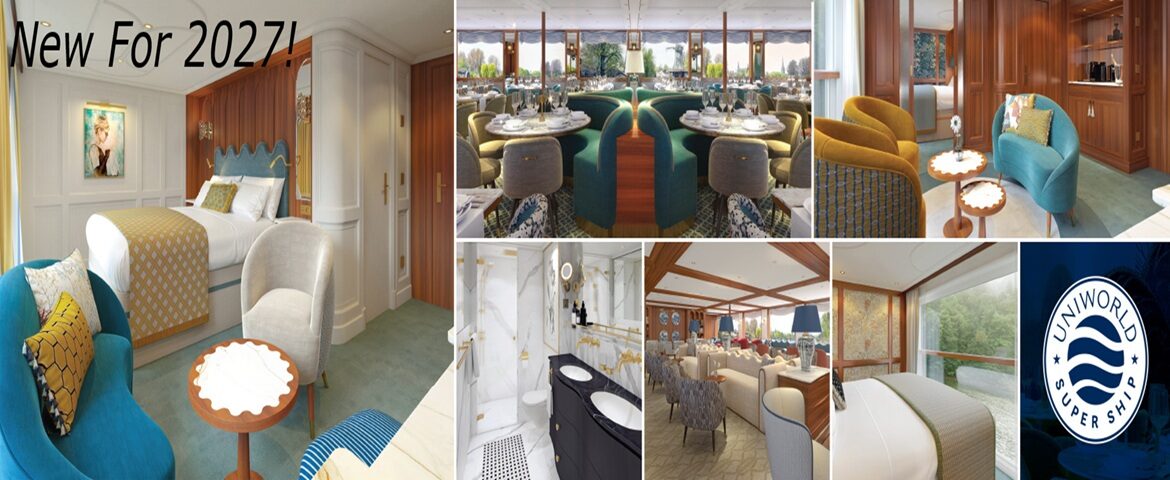

S.S. Victoria
12 Cruises

| 3 June | 15 days | One-way from Basel to Brussels |
450-628-6241
Call us
|
| 17 June | 15 days | One-way from Brussels to Basel |
450-628-6241
Call us
|
Viking River Cruises (551 Cruises)
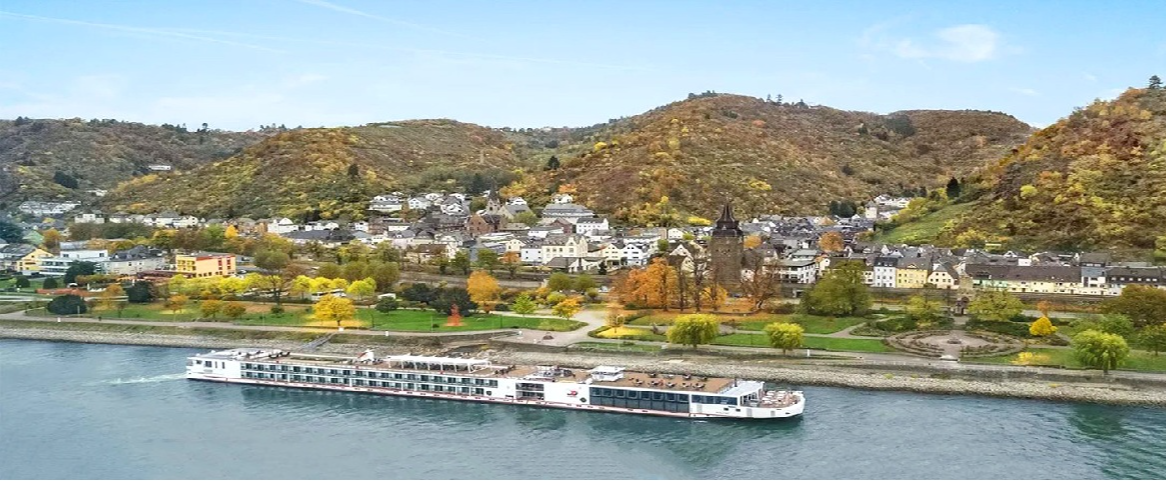
Viking Longships Alsvin
155 Cruises

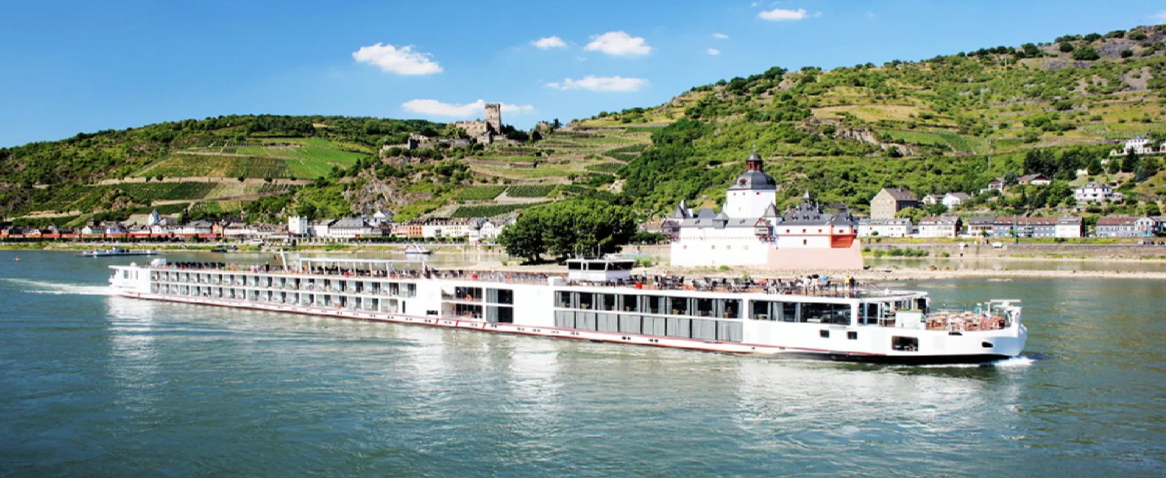
Viking Longships Herja
121 Cruises
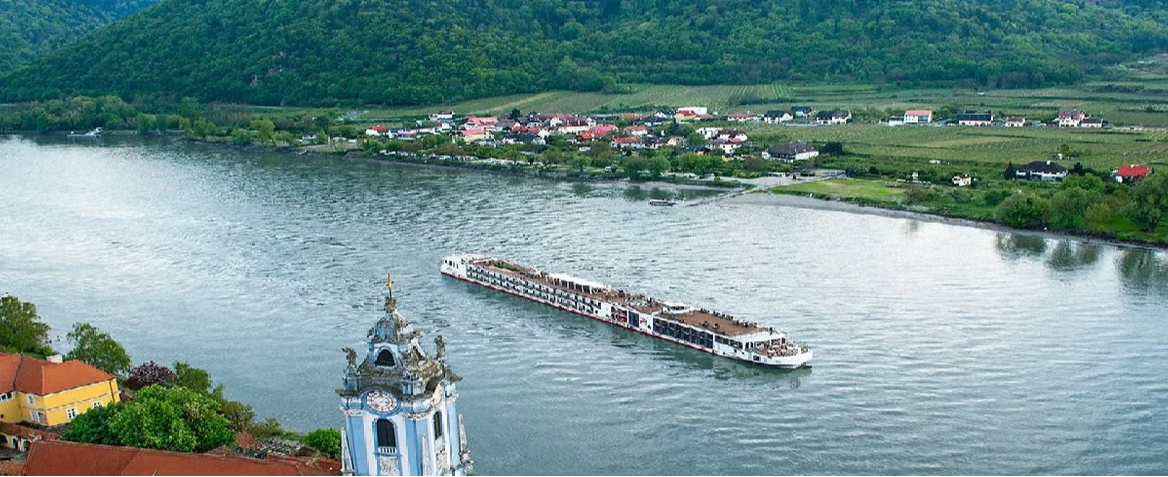
Viking Longships Hild
120 Cruises
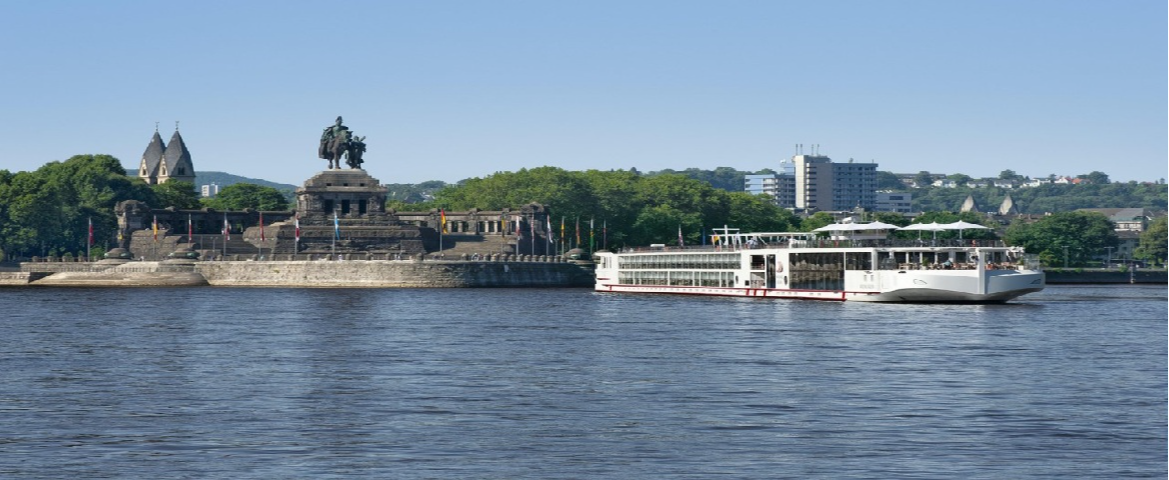
Viking Longships Idi
155 Cruises
| 3 March | 8 days | One-way from Bamberg to Trier |
450-628-6241
Call us
|
| 3 March | 7 days | One-way from Bamberg to Trier |
450-628-6241
Call us
|
Bernkastel-Kues, Germany | Cruise Port Guide
Frequently Asked Questions
Either one, depending on the day. On the Bernkastel side the market square is less than five minutes' walk away. On the Kues side you simply cross the bridge, a ten-minute stroll that also gives the finest overall view of the old town and the castle ruin above it.
No. Everything here is done on foot: the call requires neither bus nor taxi. Only the climb to the castle can be made by tourist train from the riverbank, for those who would rather skip the footpath.
The most photographed curiosity in the valley: a narrow pointed house from 1416 whose upper storey juts far out over the ground floor, like an oversized hat. It stands a few metres from the medieval market square, ringed by half-timbered houses leaning toward one another around a Renaissance fountain.
On foot in about thirty minutes by a path through the vineyards, or by tourist train from the riverbank. The ruin has kept watch above the rooftops since the 13th century. The reward is the panorama: the river loops lazily between the slopes, and you understand at a glance why this valley ranks among the most celebrated in German wine.
Two hours: the old market, the Spitzhäuschen and the historic lanes. Three hours: add a Riesling tasting or the walk across the bridge for the view. Four hours or more: climb to Burg Landshut by the vineyard path.
A theologian, mathematician and philosopher born in 1401 on the Kues bank, one of the great minds of the late Middle Ages. The hospice he founded, the St. Nikolaus-Hospital, still stands and holds his library of early manuscripts. The visit is quiet and unhurried, and rewards anyone who likes places heavy with thought as much as with stone.
The Riesling from the slate slopes, available everywhere: cellars, wine shops and terraces pour the vintages of the surrounding hillsides. The most famous is the Bernkasteler Doctor, from a tiny vineyard whose wine, legend says, cured a dying archbishop.
Early in the morning, before the coaches arrive: the square still belongs to the delivery vans and the blackbirds. It is a privilege known mainly to passengers whose ship stays overnight alongside. By midday the market square fills quickly.
The euro and German. Cards are accepted in restaurants and shops in the centre, but several small cellars and wine shops prefer cash. English is understood at the tourist spots in the old town.
Partly. The market square, the quays and the bridge are flat and easy, but the old lanes are cobbled and uneven, and the path to Burg Landshut is out of the question. The tourist train is the only reasonable way to reach the castle.


