Rhine Gorge Germany
437
Cruises availables
At departure or passage at this port
Avalon Waterways (32 Cruises)
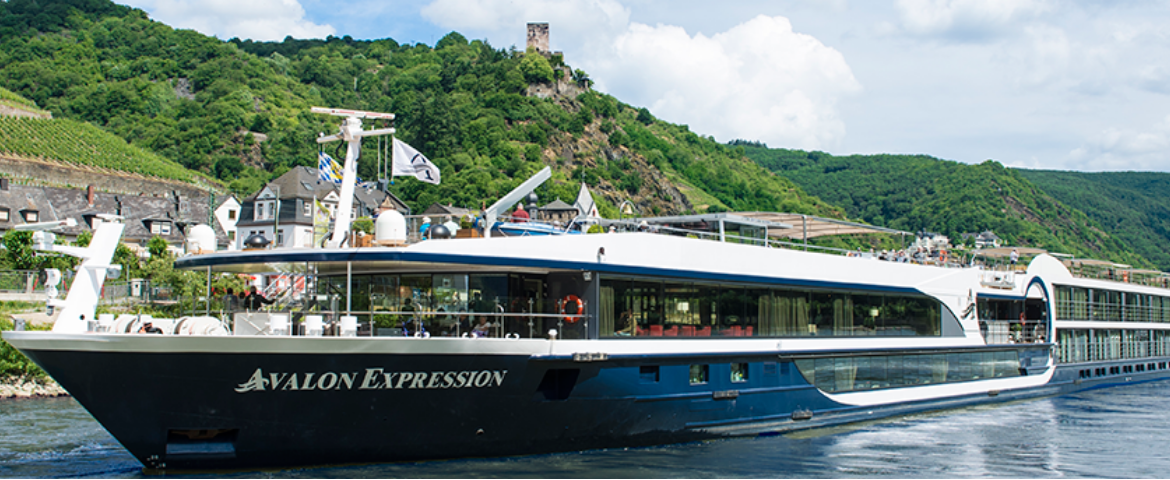
Avalon Expression®
6 Cruises

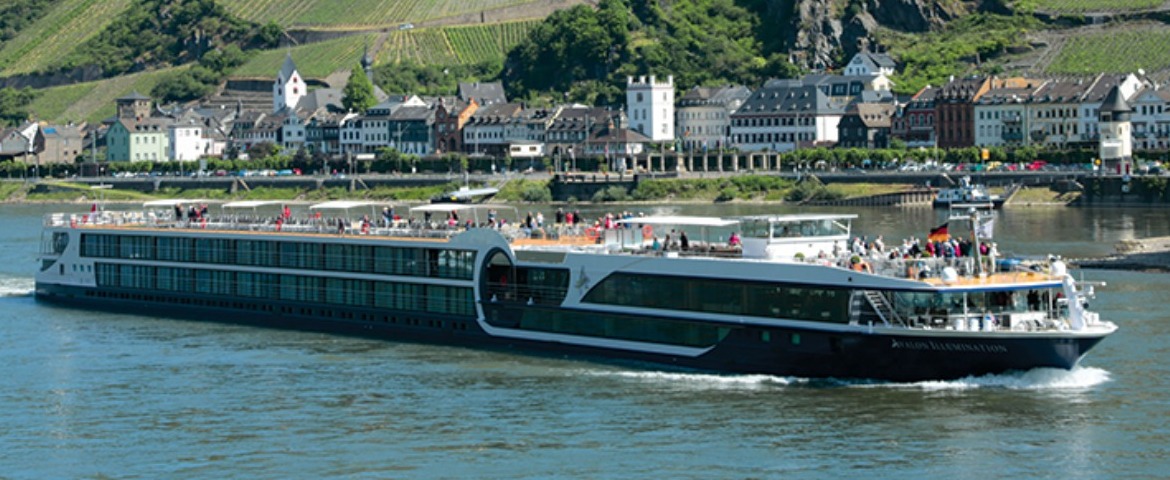
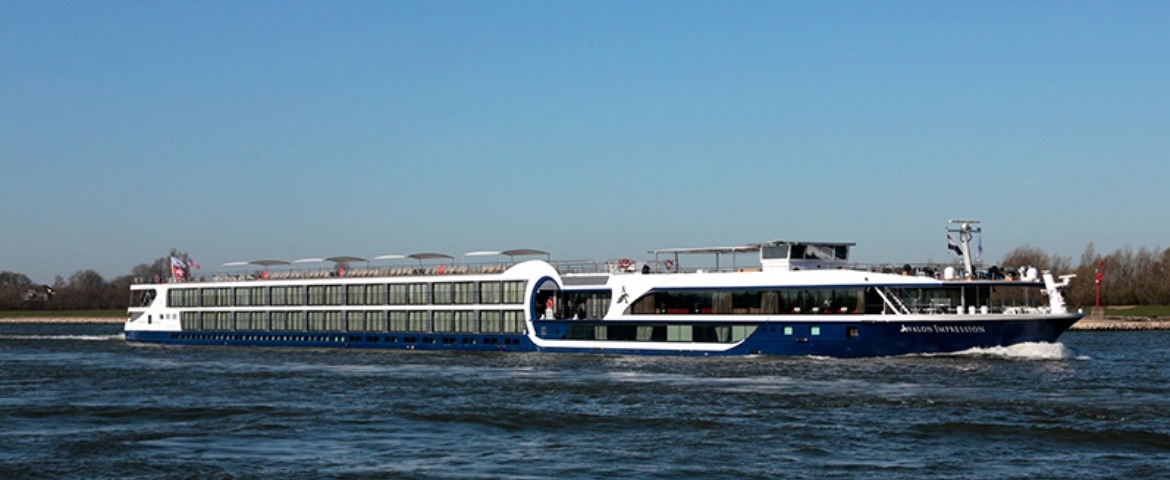
Avalon ImpressionSM
6 Cruises
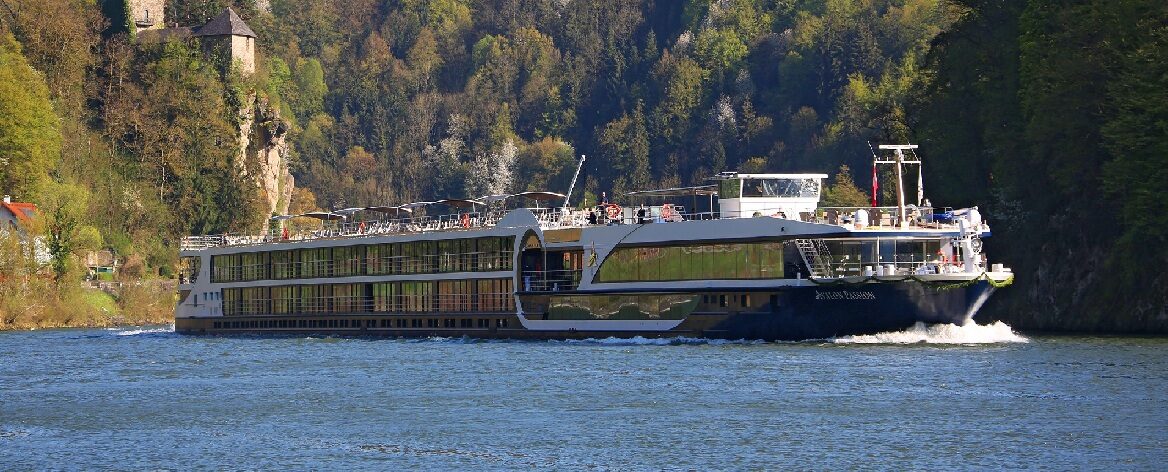
Avalon View
12 Cruises
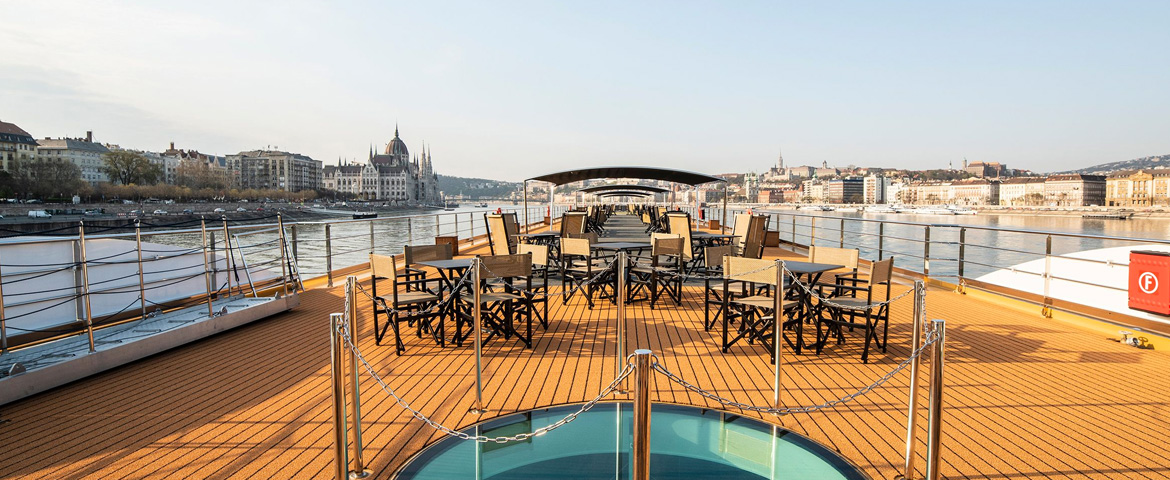
Emerald Waterways (14 Cruises)
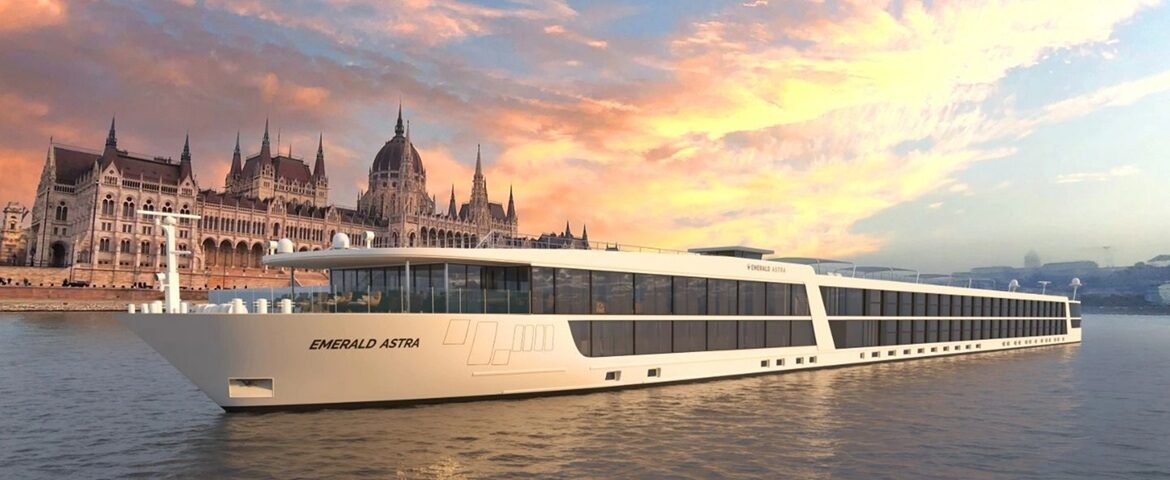
Emerald Astra
14 Cruises

| 27 March | 8 days | One-way from Amsterdam to Basel |
450-628-6241
Call us
|
| 28 March | 6 days | One-way from Amsterdam to Basel |
450-628-6241
Call us
|
| 19 June | 15 days | One-way from Budapest to Amsterdam |
450-628-6241
Call us
|
| 20 June | 12 days | One-way from Budapest to Amsterdam |
450-628-6241
Call us
|
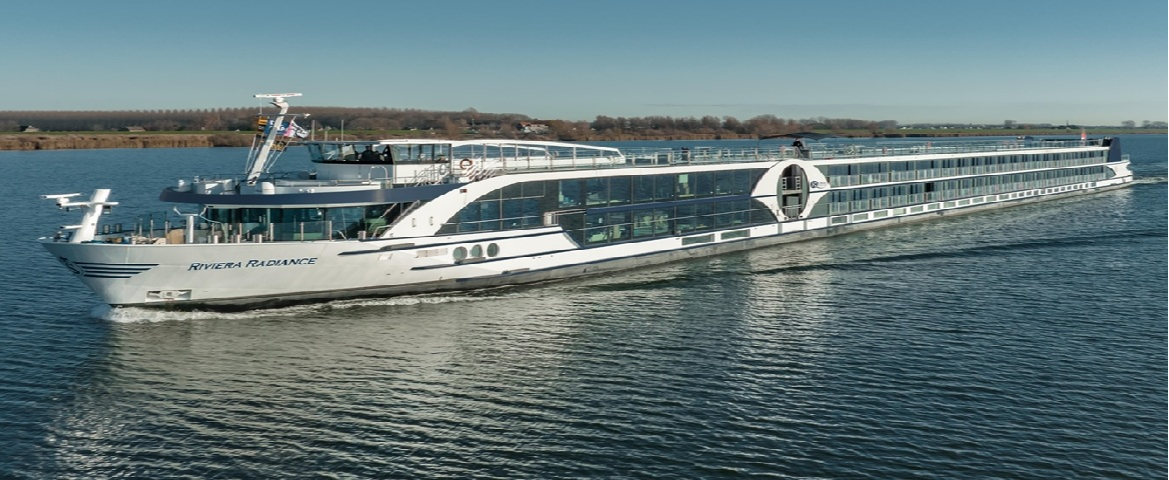
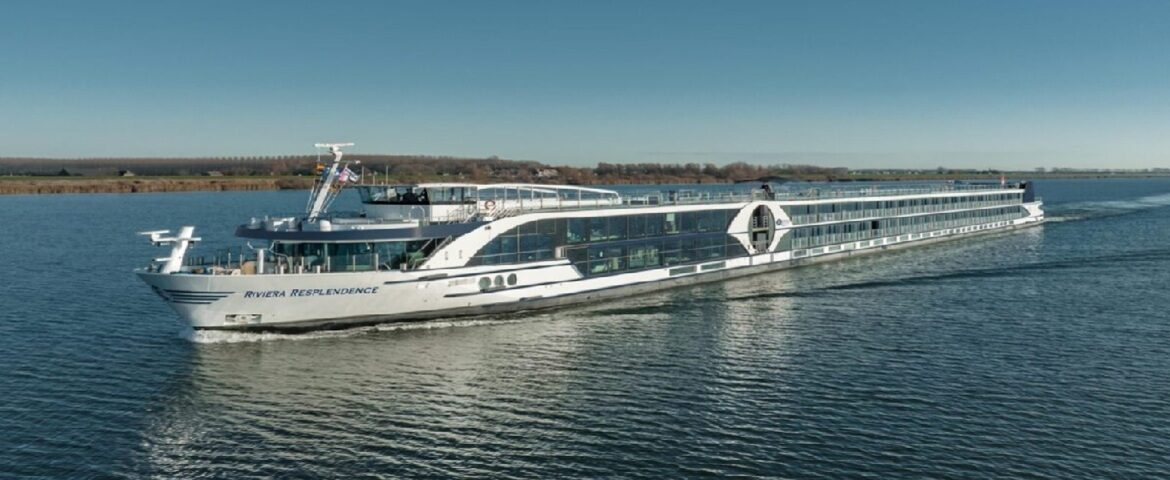
Riviera Travel (16 Cruises)
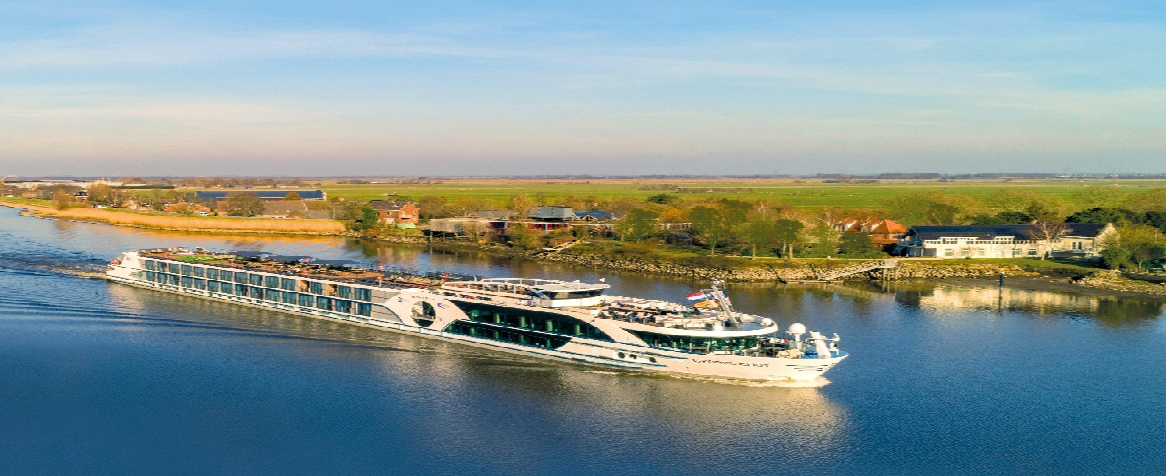
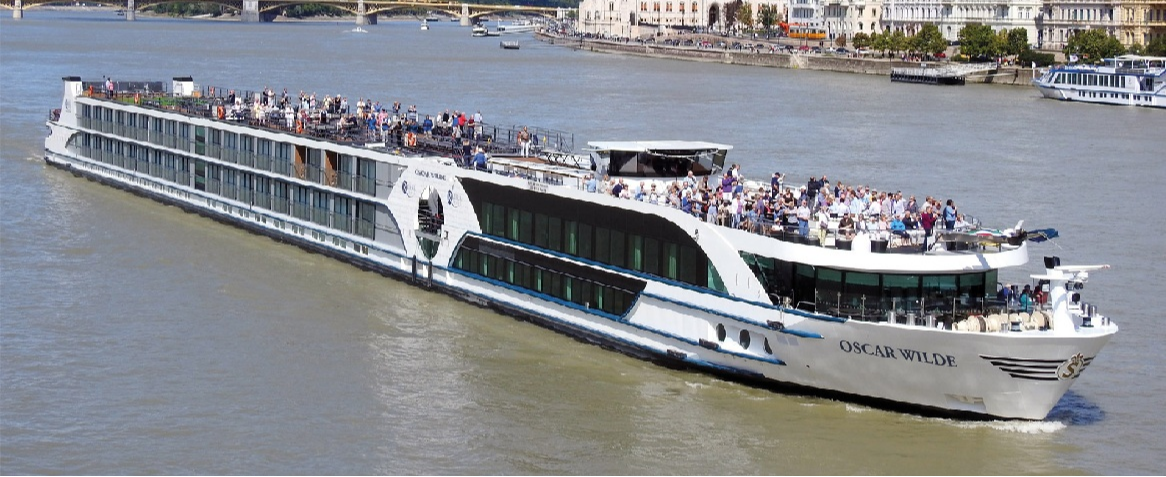
MS George Eliot
10 Cruises

Scenic Cruises (367 Cruises)
Scenic Amber
67 Cruises


| 22 February | 15 days | One-way from Budapest to Amsterdam |
450-628-6241
Call us
|
| 22 February | 14 days | One-way from Budapest to Amsterdam |
450-628-6241
Call us
|
Scenic Crystal
26 Cruises

Scenic Gem
11 Cruises

Scenic Jade
87 Cruises

Scenic Jasper
50 Cruises

| 28 May | 18 days | One-way from Zagreb to Amsterdam |
450-628-6241
Call us
|
| 28 May | 19 days | One-way from Zagreb to Amsterdam |
450-628-6241
Call us
|
Scenic Jewel
64 Cruises

| 12 March | 15 days | One-way from Amsterdam to Budapest |
450-628-6241
Call us
|
| 12 March | 14 days | One-way from Amsterdam to Budapest |
450-628-6241
Call us
|
Scenic Opal
39 Cruises


Scenic Ruby
21 Cruises

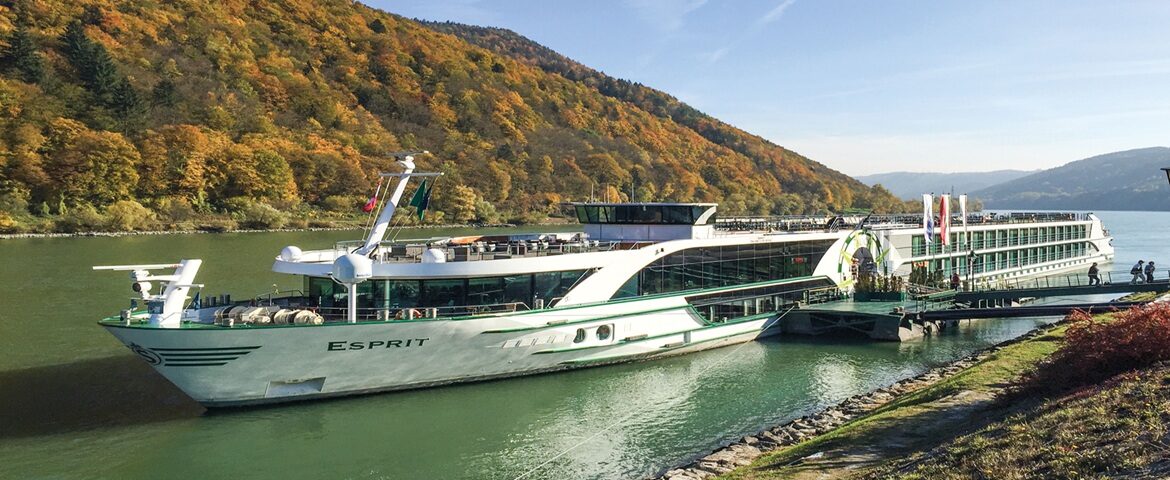
Tauck Cruises (8 Cruises)
MS esprit
6 Cruises


Rhine Gorge, Germany | Cruise Port Guide
Frequently Asked Questions
No, and that is the whole point of this call: the ship itself becomes the viewing platform. Between Rüdesheim and Koblenz you stay on the upper deck while the landscape goes by. There is no berth, no gangway and no shore excursion.
Two to three hours for the 65 kilometres of the gorge. The scenery is continuous, with no lull: there is no quiet stretch where you can slip back to your cabin without missing something.
About forty castles and fortresses, which works out to roughly one every two kilometres. Nowhere else in Europe is the density this high: every local lord once collected a toll on river traffic.
Just past Oberwesel, on a tight bend. The slate cliff rises more than 120 metres and the riverbed narrows to less than 120 metres across. Ships slow down, a statue of the siren appears on her jetty and a flag flies from the summit.
Both banks are spectacular, so the real advice is to go up early and move around. The commentary announces each castle and names the bank, which gives you time to cross the deck.
That is Pfalzgrafenstein, a fortified toll station built on an islet in the 14th century. Its white walls and prow-shaped slate roofs split the current. It forced boatmen to pay their dues under the guns of Gutenfels castle on the slope above.
Yes, as long as you give them something to look for. Binoculars, a castle-spotting game and the legend of the Lorelei siren all work well. Three hours standing still on a deck does ask a certain patience of the youngest, though.
May through October, when itineraries schedule the passage in daylight. The green of the vines in early summer and the golds of late September are the two finest windows. Off season you risk crossing in darkness or in fog.
No, since there is no landing: everything is settled on board. Cash becomes useful at neighbouring calls such as Rüdesheim, Boppard or Koblenz, where the euro rules and several small businesses still prefer notes and coins.
Binoculars above all: they make the difference for picking out battlements, coats of arms and growers working the terraced vines. Add a windbreaker even in fine weather, because the valley funnels the air and you stand still for a long time.


