Syros Island Ermoupoli, Greece
197
Cruises availables
At departure or passage at this port
Azamara Club Cruises (26 Cruises)
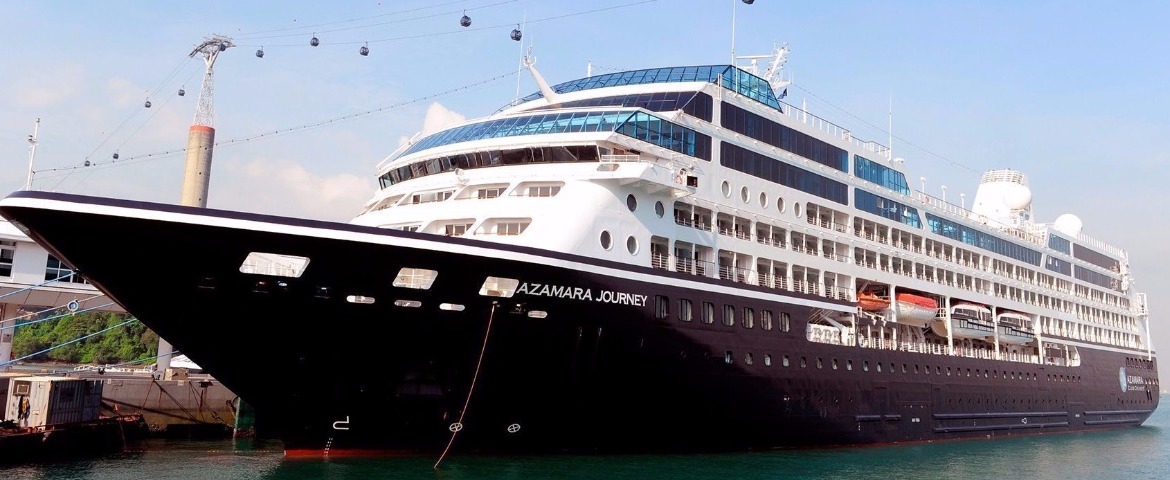
Azamara Journey
6 Cruises

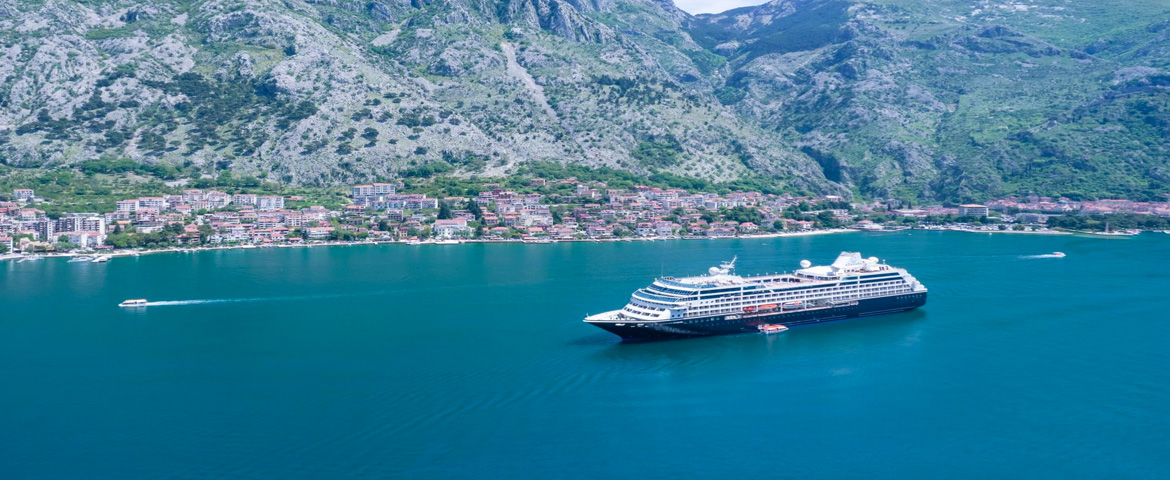
Azamara Onward
18 Cruises
| 3 April | 21 nights | Round-trip from Piraeus-Athens, Greece |
450-628-6241
Call us
|
| 14 April | 10 nights | Round-trip from Piraeus-Athens, Greece |
450-628-6241
Call us
|
| 17 July | 20 nights | One-way from Venice to Civitavecchia-Rome |
450-628-6241
Call us
|
| 26 July | 11 nights | One-way from Piraeus-Athens to Civitavecchia-Rome |
450-628-6241
Call us
|
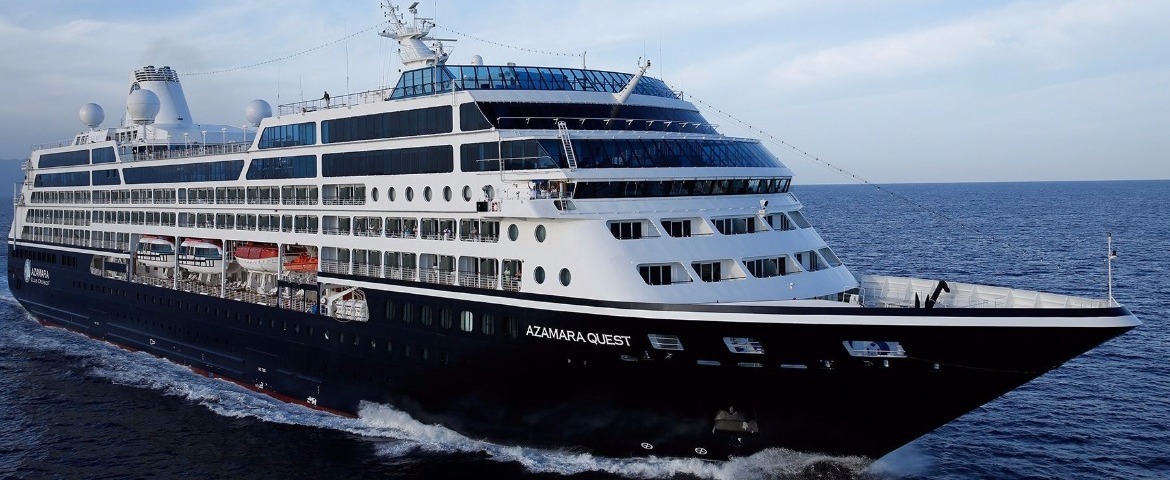
CroisiEurope (7 Cruises)
MV La Belle de L'Adriatique
7 Cruises


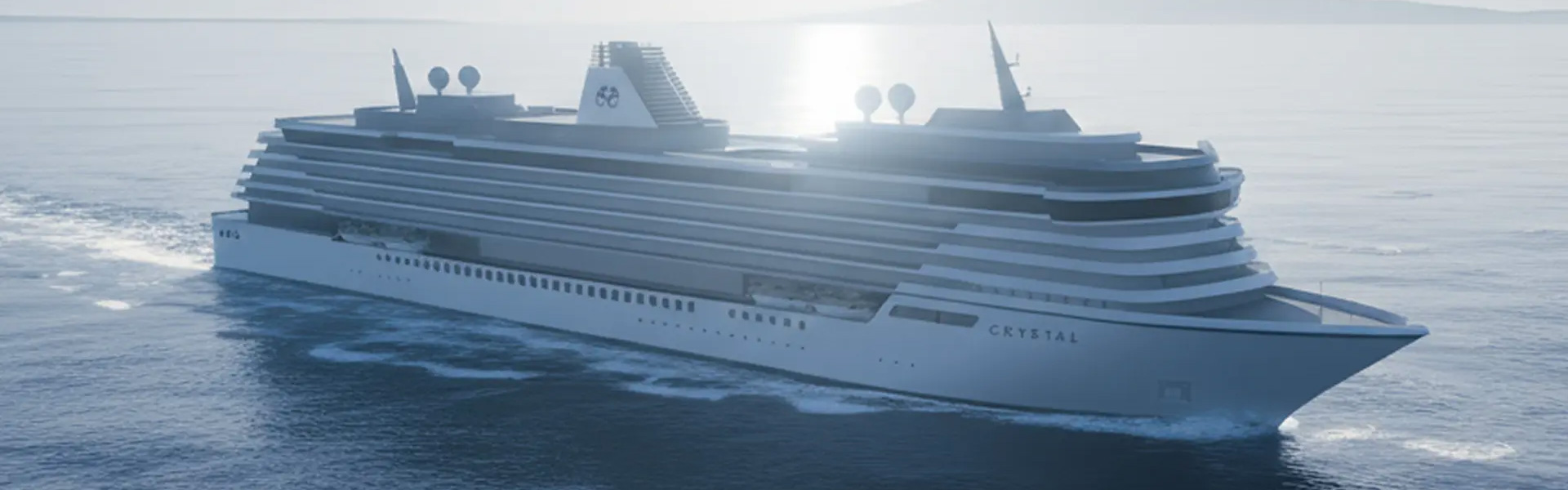
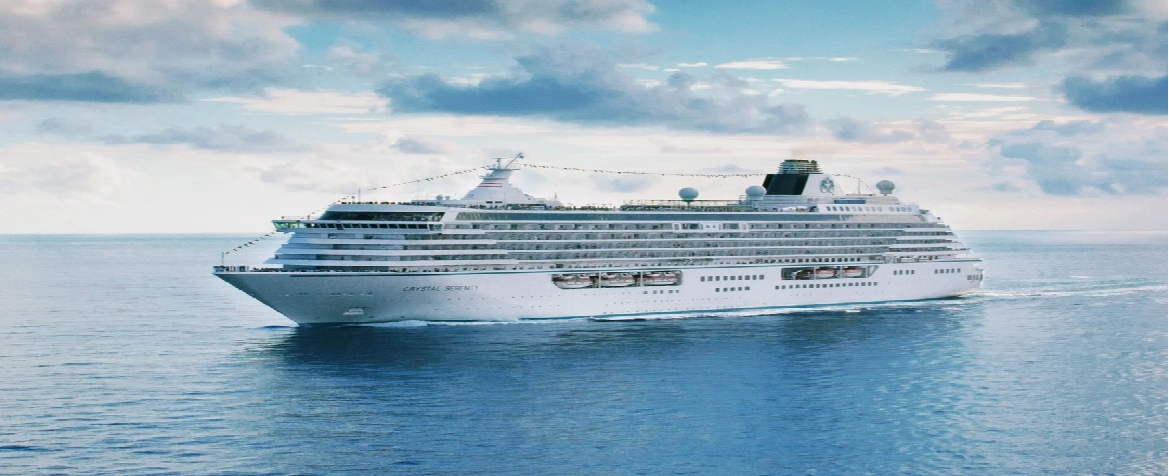
Crystal Cruises (8 Cruises)
Crystal Grace
6 Cruises

Explora Journeys (25 Cruises)
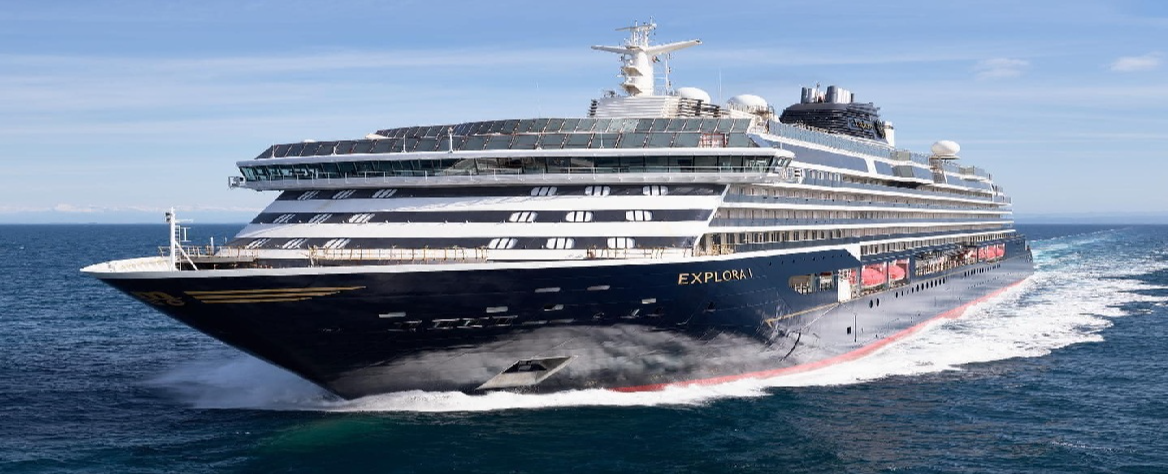
Explora I
4 Cruises

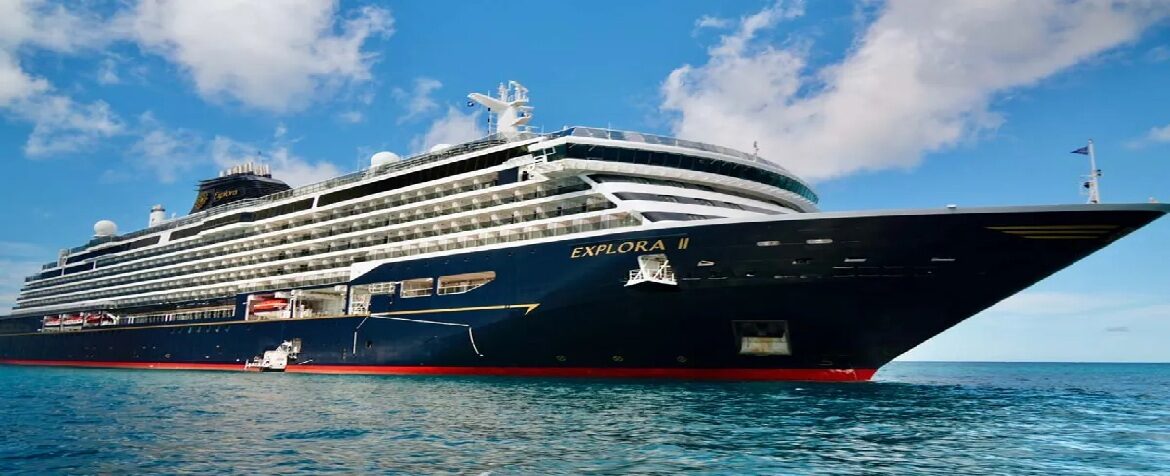
Explora II
21 Cruises
| 24 May | 7 nights | One-way from Piraeus-Athens to Venice |
450-628-6241
Call us
|
| 24 May | 14 nights | Round-trip from Piraeus-Athens, Greece |
450-628-6241
Call us
|
| 14 June | 7 nights | One-way from Piraeus-Athens to Venice |
450-628-6241
Call us
|
| 14 June | 14 nights | Round-trip from Piraeus-Athens, Greece |
450-628-6241
Call us
|
MSC Cruises (111 Cruises)
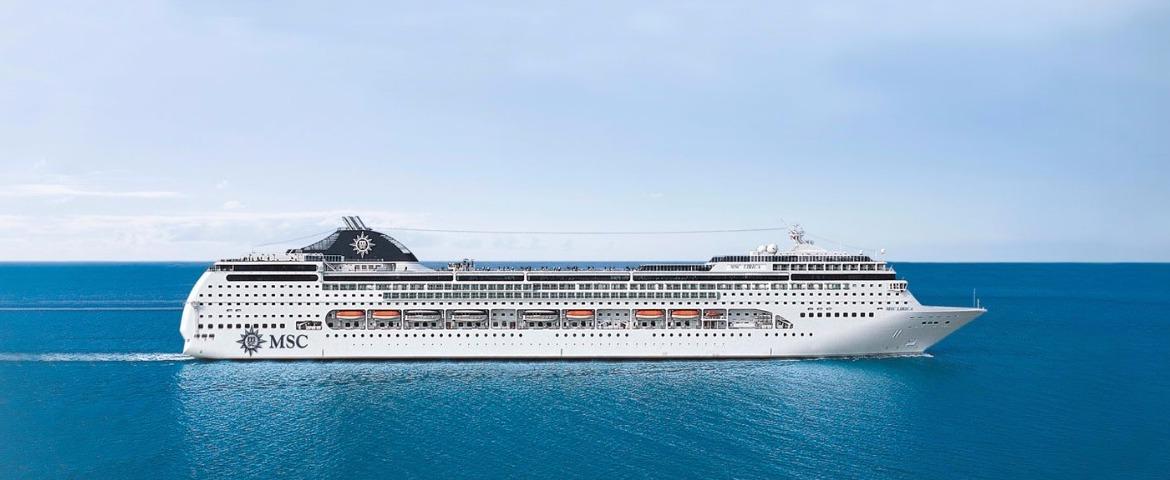
MSC Lirica
111 Cruises

Oceania Cruises (1 Cruises)
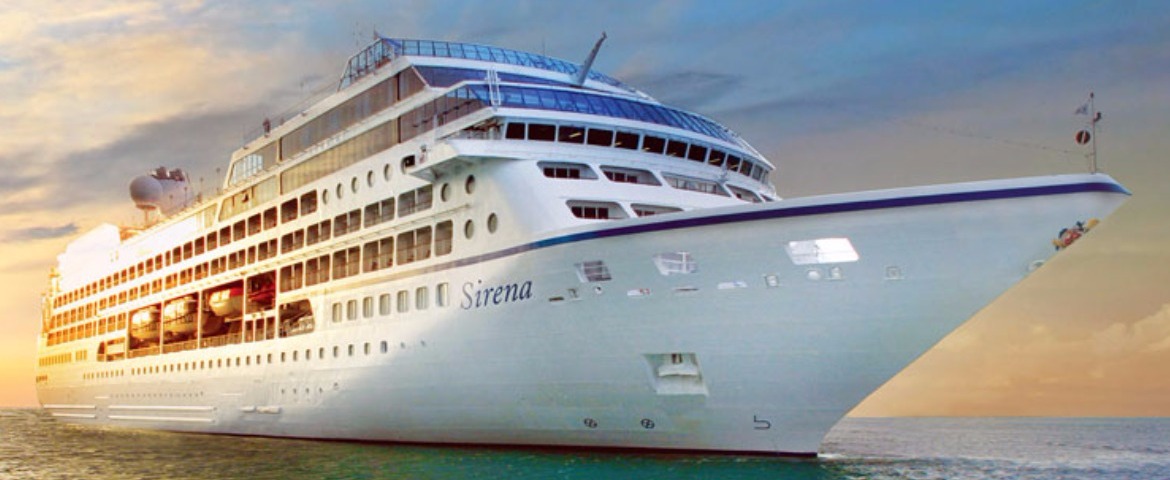

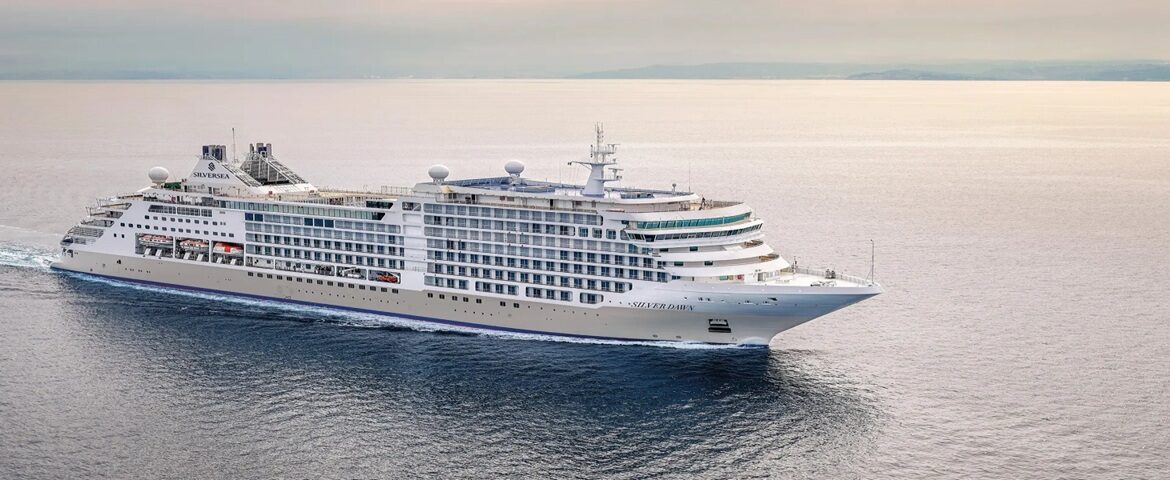
Silversea Cruises (14 Cruises)
Silver Dawn
10 Cruises

| 19 July | 10 nights | One-way from Piraeus-Athens to Venice |
450-628-6241
Call us
|
| 19 July | 18 nights | One-way from Piraeus-Athens to Civitavecchia-Rome |
450-628-6241
Call us
|
| 6 August | 20 nights | One-way from Civitavecchia-Rome to Piraeus-Athens |
450-628-6241
Call us
|
| 15 August | 11 nights | One-way from Venice to Piraeus-Athens |
450-628-6241
Call us
|


Port of Syros (Ermoupoli), Greece | Cruise Port Guide
Frequently Asked Questions
At the quay in Ermoupoli, the capital, a few minutes' walk from the centre. No shuttle is needed: you step off, walk past the warehouses and waterfront cafés, and Miaouli Square soon opens up.
Because Ermoupoli lines up neoclassical mansions, marble squares and an Italian-style theatre rather than white villages. In the nineteenth century the city was the first great maritime and industrial centre of modern Greece, and that prosperity left this urban setting.
Miaouli Square, the Apollo Theatre and the Vaporia quarter are all walkable in half a day. With more time, head up to Ano Syros, the medieval hill, by taxi or local minibus.
A hall inaugurated in 1864, modelled on the great Italian theatres and on La Scala in Milan in particular, with horseshoe balconies and painted boxes. The visit takes only half an hour outside performances, for a modest entrance fee.
The captains' mansion district of Ermoupoli: ornate facades, iron balconies and, below them, the blue-domed church of Agios Nikolaos, patron of sailors. Staircases descend to swimming platforms cut into the rock.
Yes, though not on a sandy beach: beneath the Vaporia mansions, steps lead to platforms carved into the rock where locals slip in for a dip between errands.
The medieval hill above the newer city, a web of whitewashed lanes founded in Venetian times and still the home of the island's Catholic community, a rarity in Orthodox Greece. The walk up is demanding; taxis and minibuses also climb to its edge.
Loukoumi, soft cubes scented with rose, bergamot or pistachio, inherited from the confectioners of Asia Minor, and halvadopita, nougat pressed between thin wafers. The island's capers round out the basket.
Yes, the Industrial Museum, a quarter of an hour's walk along the sea, explaining how this island built shipyards, spinning mills and tanneries before Piraeus did.
The euro and Greek, with English understood in the centre. Cards work everywhere in Ermoupoli; keep cash for the minibuses to Ano Syros and the family confectioners.


