Iles des Saintes Guadeloupe
401
Cruises availables
At departure or passage at this port
Crystal Cruises (9 Cruises)
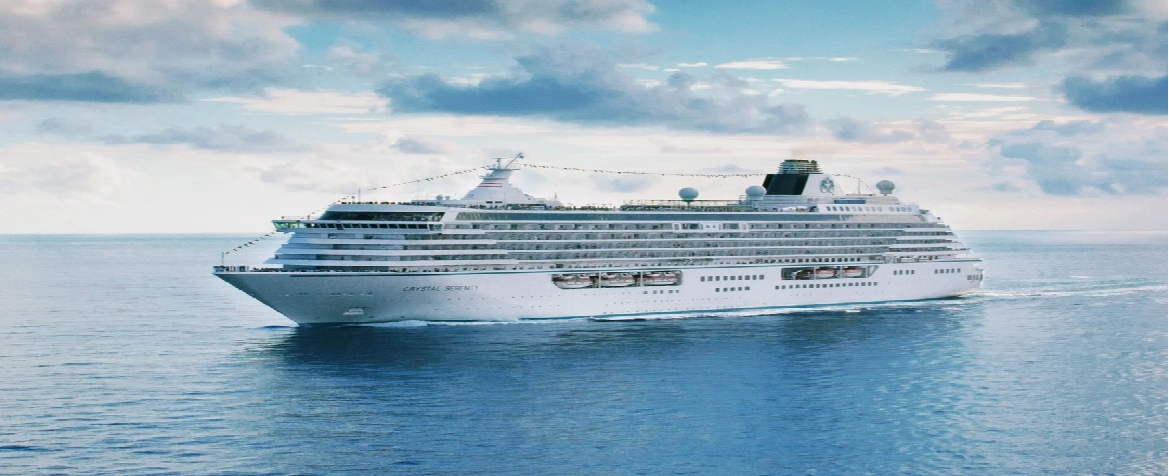
Crystal Serenity
5 Cruises

Emerald Waterways (89 Cruises)
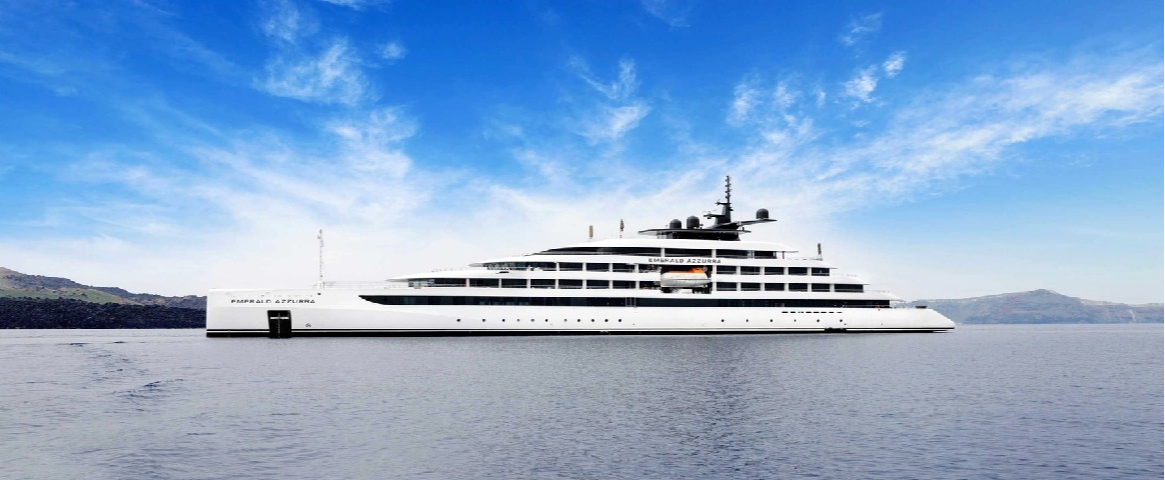
Emerald Azzurra
20 Cruises

| 27 February | 6 days | One-way from Bridgetown to Marigot |
450-628-6241
Call us
|
| 27 February | 8 days | One-way from Bridgetown to Marigot |
450-628-6241
Call us
|
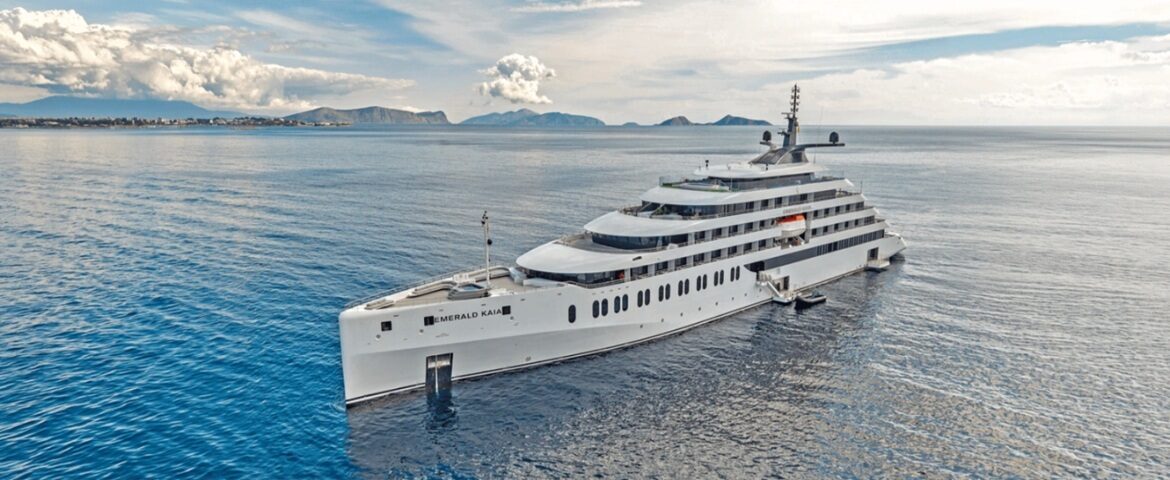
Emerald Kaia
27 Cruises
| 5 January | 15 days | Round-trip from San Juan, Puerto Rico |
450-628-6241
Call us
|
| 12 January | 8 days | One-way from St Johns Antigua to San Juan |
450-628-6241
Call us
|
Emerald Sakara
42 Cruises
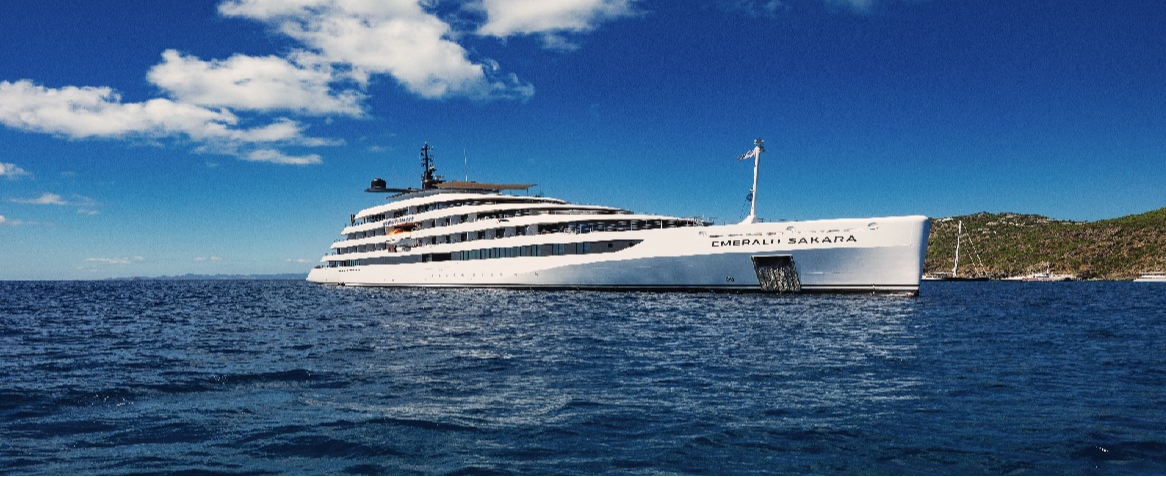
| 13 November | 8 days | One-way from Bridgetown to Philipsburg St Maarten |
450-628-6241
Call us
|
| 27 November | 15 days | One-way from Philipsburg St Maarten to Bridgetown |
450-628-6241
Call us
|
Explora Journeys (28 Cruises)
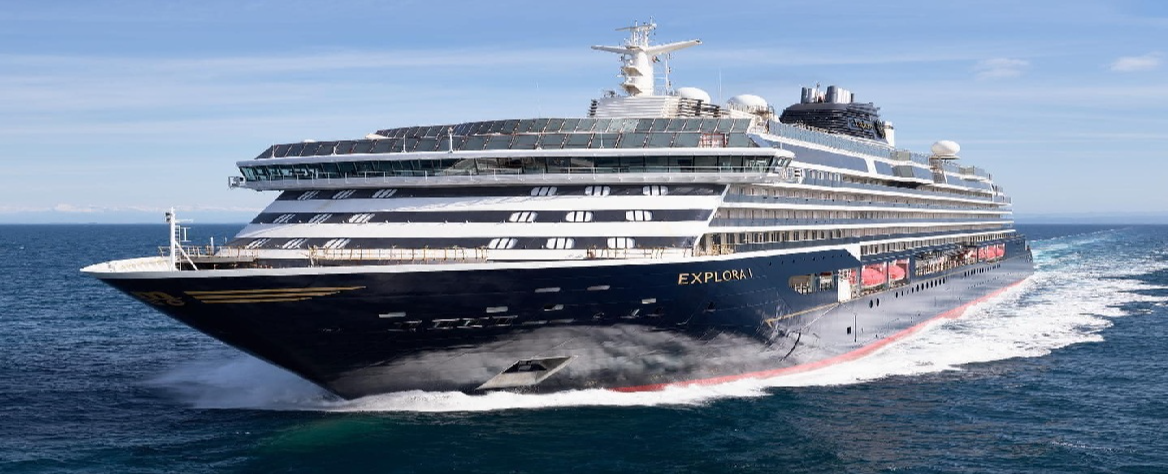
Explora III
20 Cruises
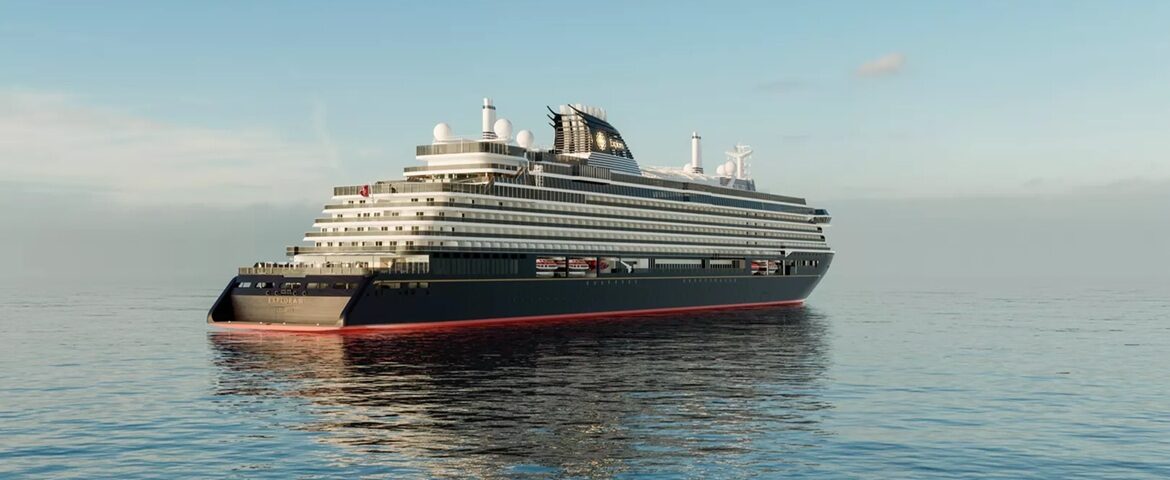
| 25 October | 8 days | One-way from Miami to San Juan |
450-628-6241
Call us
|
| 25 October | 15 days | Round-trip from Miami, USA |
450-628-6241
Call us
|
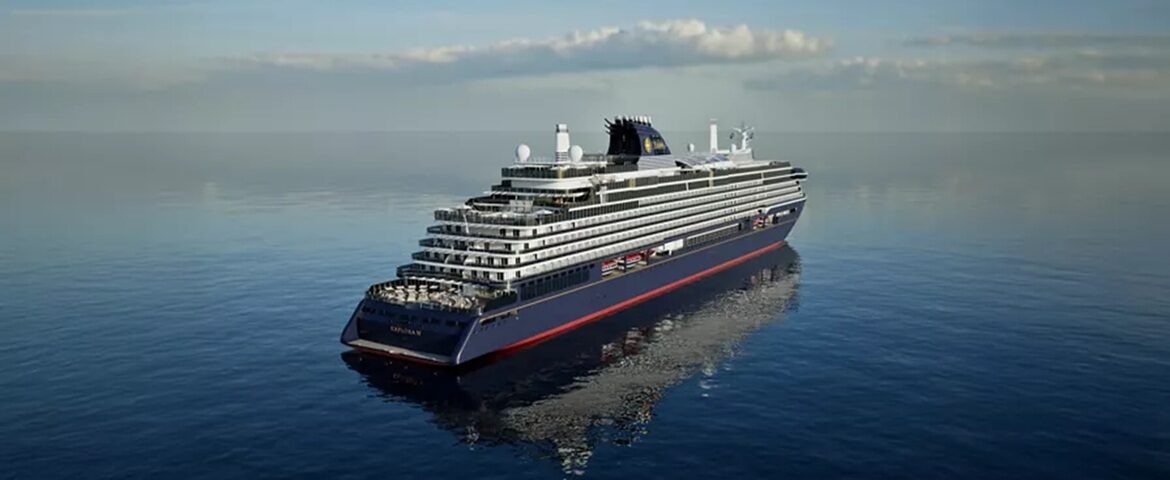
Ponant (64 Cruises)
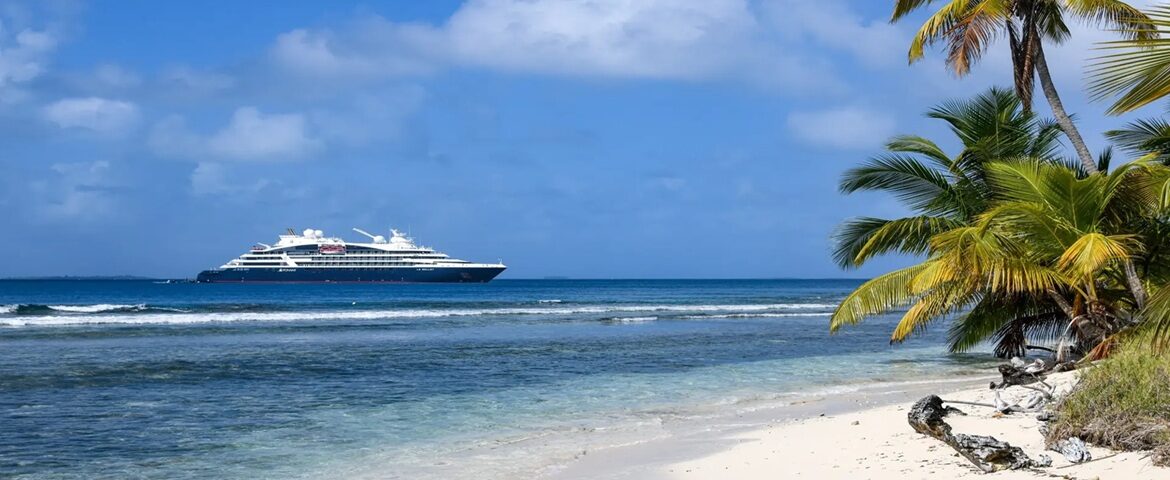

Le Bougainville
22 Cruises
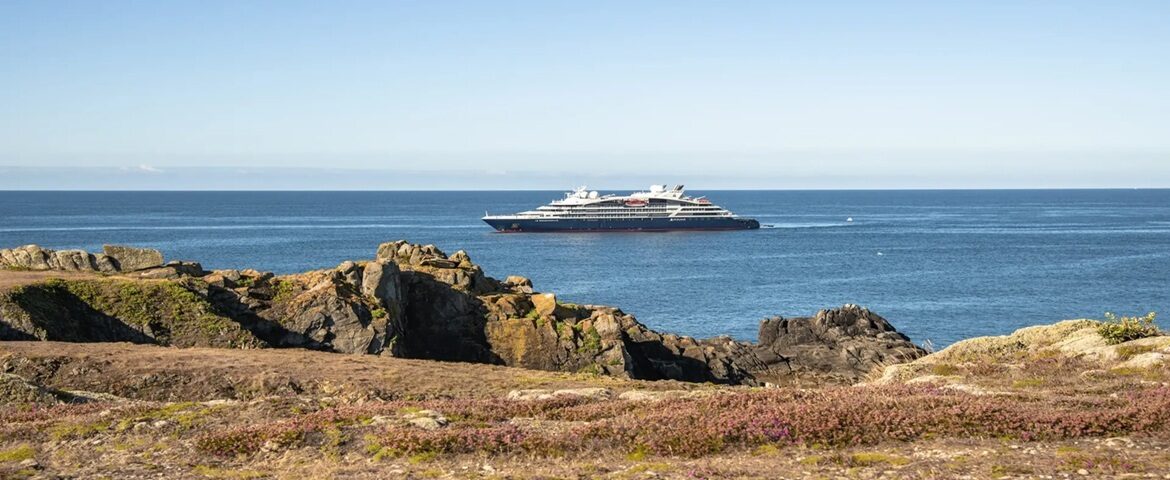
Le Champlain
16 Cruises
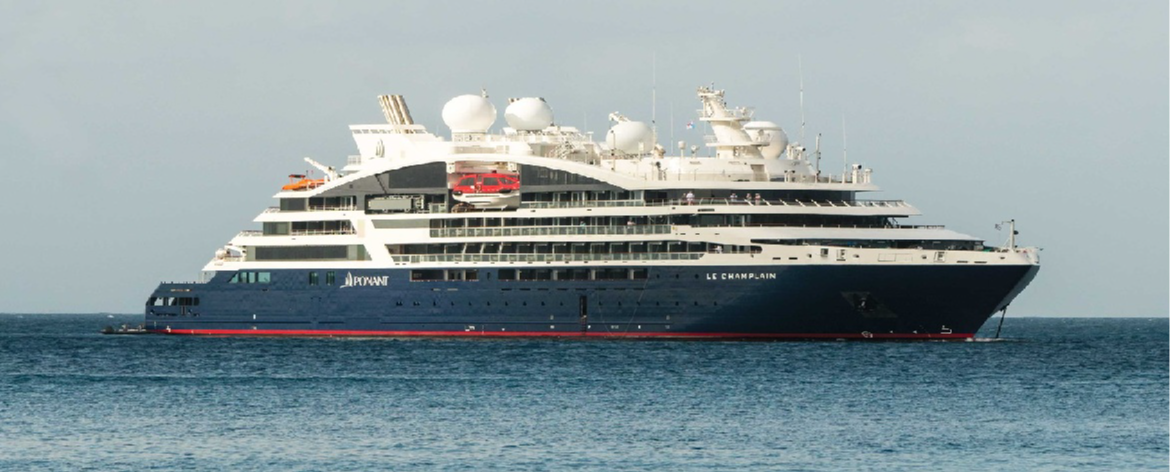
Le Laperouse
4 Cruises
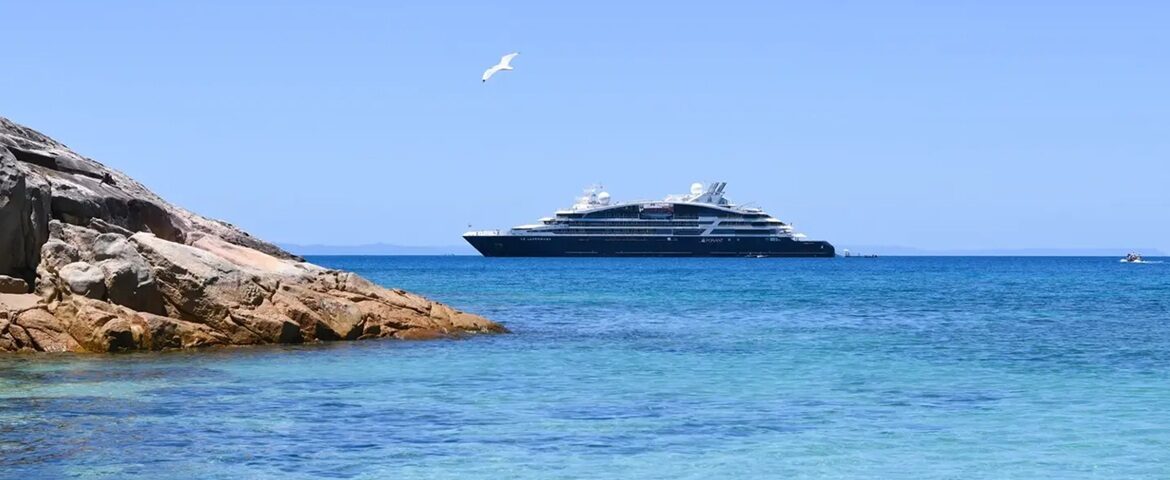
Le Ponant
19 Cruises
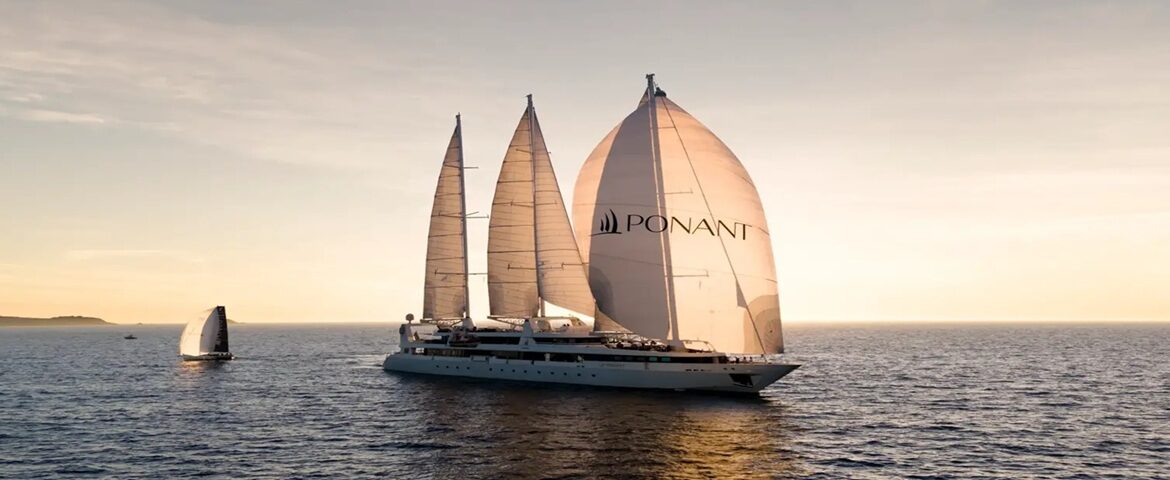
| 9 January | 8 days | One-way from Pointe-a-Pitre to Marigot |
450-628-6241
Call us
|
| 23 January | 8 days | One-way from Marigot to Pointe-a-Pitre |
450-628-6241
Call us
|
| 6 February | 8 days | One-way from Pointe-a-Pitre to Marigot |
450-628-6241
Call us
|
| 20 February | 8 days | One-way from Marigot to Pointe-a-Pitre |
450-628-6241
Call us
|
| 7 February | 8 days | One-way from Marigot to Pointe-a-Pitre |
450-628-6241
Call us
|
| 21 February | 8 days | One-way from Pointe-a-Pitre to Marigot |
450-628-6241
Call us
|
Seabourn Cruise Line (10 Cruises)
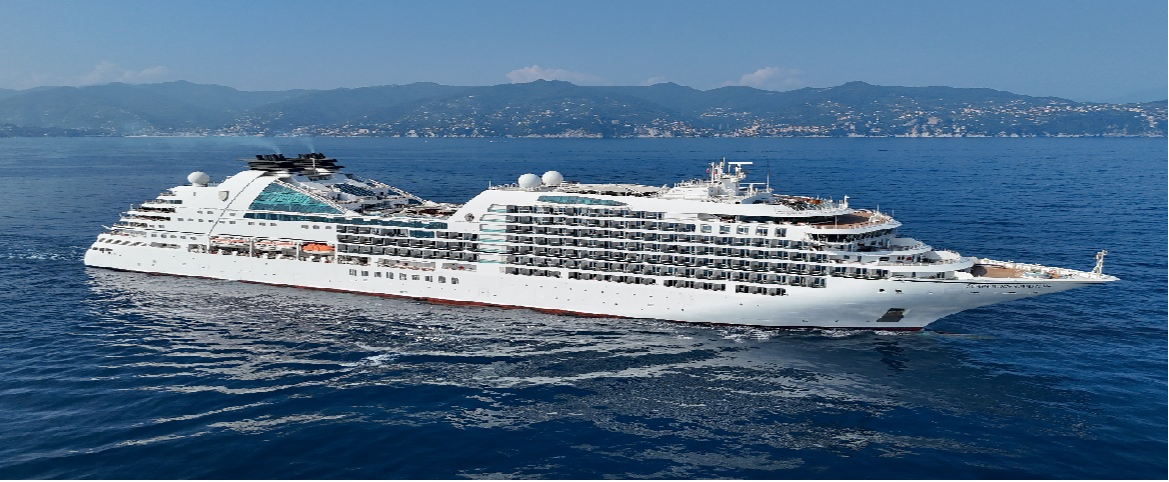
Seabourn Ovation
7 Cruises


Silversea Cruises (13 Cruises)
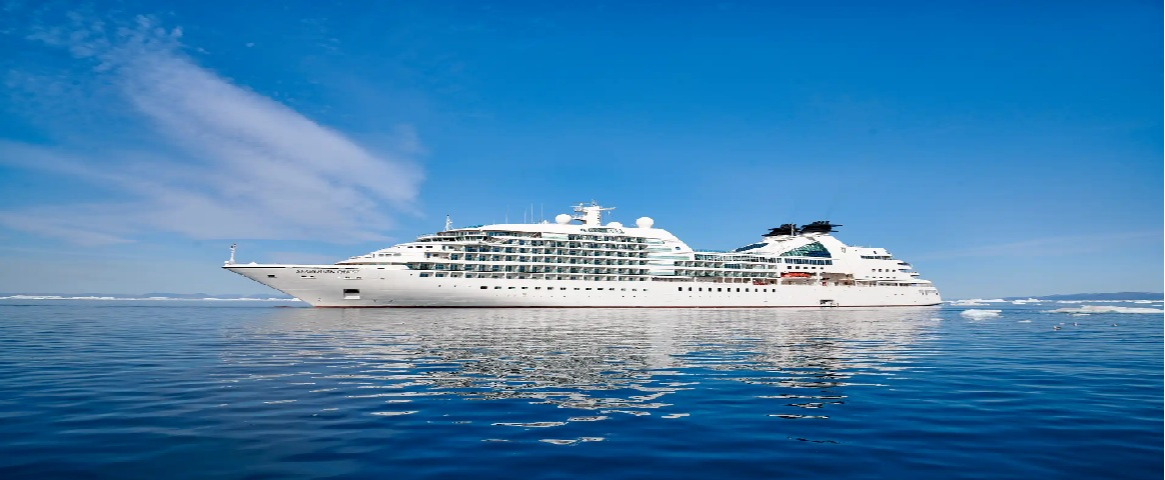
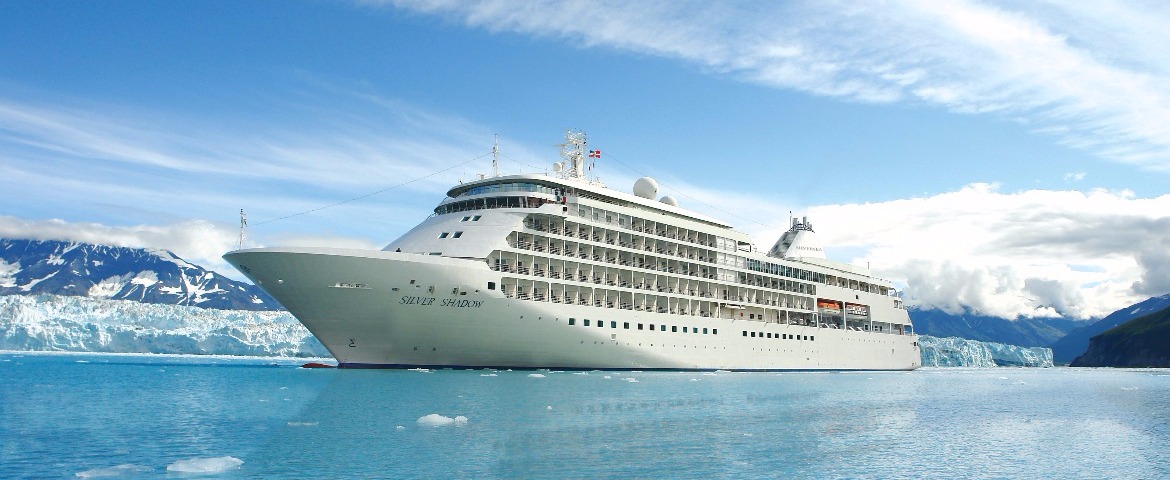
Silver Shadow
10 Cruises

Star Clippers (42 Cruises)
Royal Clipper
18 Cruises
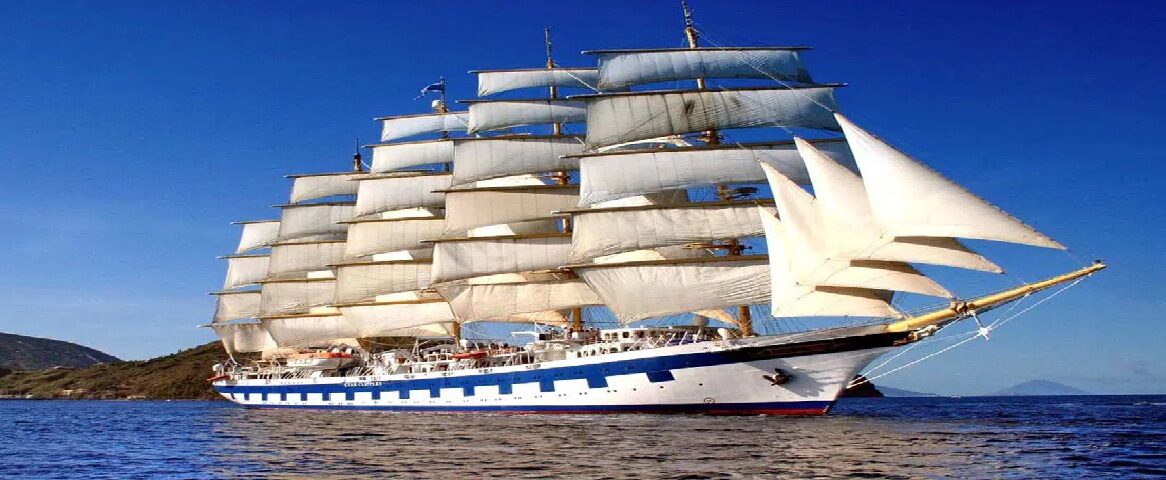

| 15 January | 8 days | Round-trip from Bridgetown, Barbados |
450-628-6241
Call us
|
| 29 January | 8 days | Round-trip from Bridgetown, Barbados |
450-628-6241
Call us
|
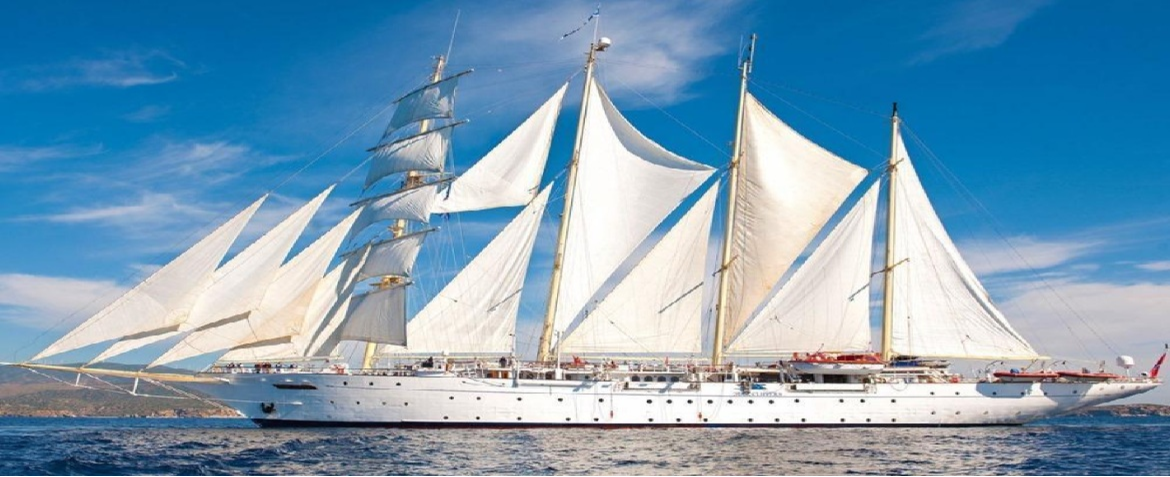
Star Clipper
8 Cruises
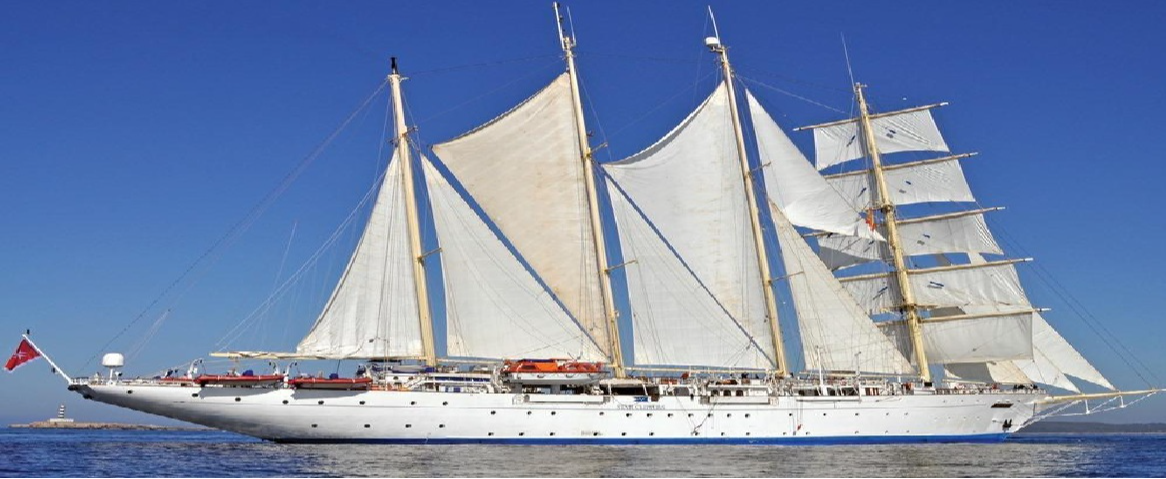
Star Flyer
16 Cruises
Windstar Cruises (129 Cruises)
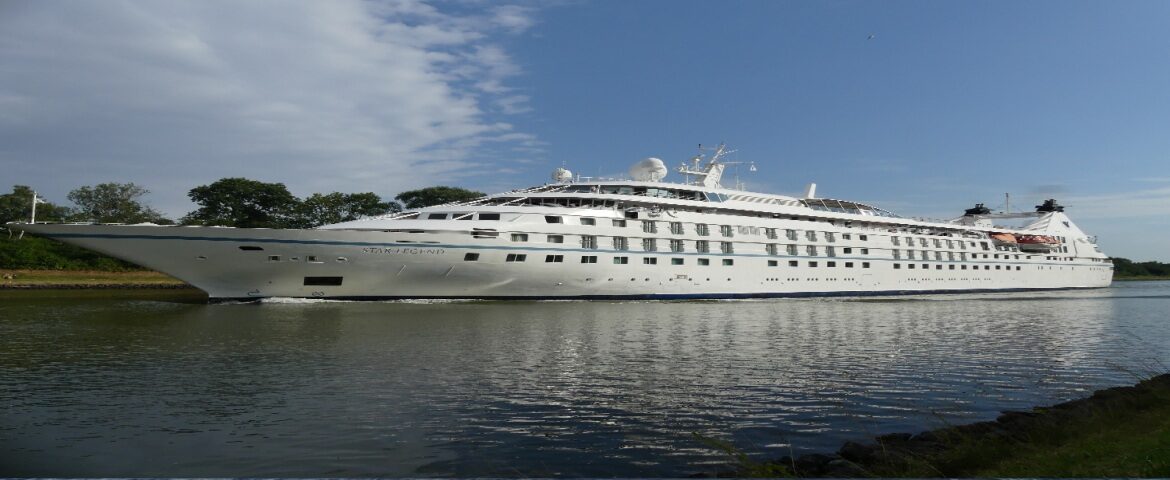
Star Legend
24 Cruises

Star Pride
32 Cruises
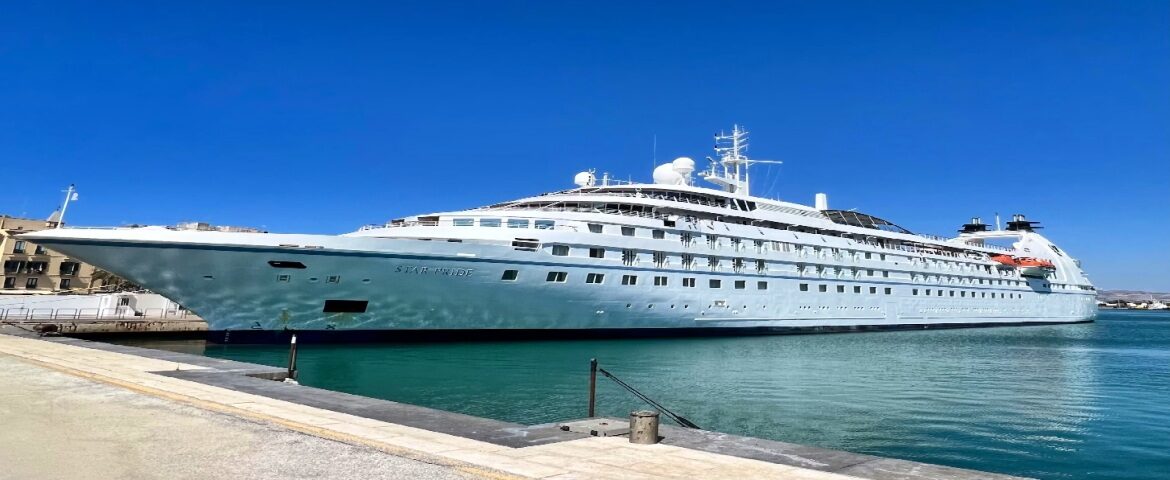
| 28 October | 11 days | Round-trip 11 Night Masterpieces at Sea Gems of the Leeward Islands Cruise |
450-628-6241
Call us
|
| 28 October | 12 days | Round-trip from San Juan, Puerto Rico |
450-628-6241
Call us
|
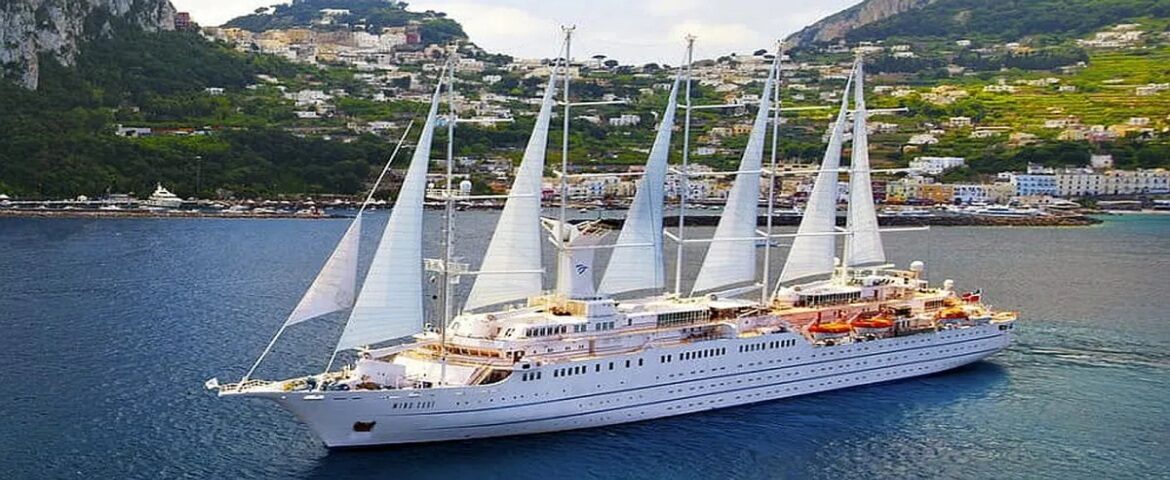
Wind Surf
73 Cruises

Port of Les Saintes, Guadeloupe | Cruise Port Guide
Frequently Asked Questions
At anchor in the bay closed by nine volcanic islets. Tenders land passengers at the Terre-de-Haut village jetty. The arrival, between anchored yachts and dry hills, justifies the early alarm on its own.
About ten kilometres south of Guadeloupe. Only two islands are inhabited, Terre-de-Haut and Terre-de-Bas; the rest belong to pelicans, goats and iguanas.
A row of white houses with red roofs, inherited from the Breton and Norman fishing families who settled the archipelago in the 17th century. Shops, ice-cream stands and terraces follow one another over a few hundred metres, with no touts.
A slender, brightly painted fishing boat unique to the archipelago. Saintoise sailing regattas remain the most fiercely contested event of the year, and every family backs its own.
The Battle of the Saintes, in 1782: one of the largest naval engagements in the Caribbean, where Admiral de Grasse lost his flagship to the British. The archipelago still has its military works from that era, including Fort Napoléon.
Yes, a ferry runs across in a few minutes. You can walk between the hamlet of Petites-Anses, Grande-Anse beach and the remains of an 18th-century pottery. Check the last return: sailings are limited.
A hat of bamboo and cloth once worn by fishermen, with Terre-de-Bas as its home. A few hands still make them.
At the foot of the Pain de Sucre, a basalt dome planted in the bay, and around Îlet à Cabrit. Corals, sea fans and shoals of sergeant majors sit only a few metres down.
The ruins of Fort Joséphine and a few strips of sand where you hear only waves, goats and wind. The islet faces the jetty, a few minutes by kayak or boat.
The euro, and a climate noticeably drier than neighbouring Guadeloupe. Water, a hat and sunscreen are necessary; ATMs and shops are concentrated in the village.


